Jellyfish Lake
La profondeur correspond à la plage allant du sommet du site jusqu'à son maximum habituel ; le « niveau recommandé » est le niveau demandé en général par les opérateurs auprès des grandes agences, pas une règle légale. Les courants et la visibilité varient chaque jour, traitez donc tout cela comme des plages indicatives de planification.
This is a snorkel, not a dive, and the rules say so plainly: scuba is banned, partly because bubbles harm the animals and partly because the lake's depths are dangerous. Below roughly 13–15 m the water column turns anoxic and charged with hydrogen sulfide, hazardous even through skin, so all activity stays at the sunlit surface. What happens there is singular: millions of golden jellyfish, their stings imperceptible to humans, migrating across the lake each day to follow the sun and farm the algae in their tissues. The population crashed during the 2016–2017 drought and closed the lake for a time; it has since recovered, a fragility worth remembering as you float among them.
Le moment pour lequel vous venez: The midday migration, when the swarm concentrates in sunlit water; light rays through columns of pulsing gold.
Topographie: A landlocked saltwater lake, technically marine, connected to the sea only through fissures in the limestone
Entrée: Boat to Eil Malk island, then a short, steep ridge trail to the lake platform.
À savoir avant de plonger
Dangers: Do not dive down: the deep layer's hydrogen sulfide is genuinely dangerous. Stay at the surface, inside the roped guidance of the guides.
Permis & règlements: Requires the combined Koror State Rock Islands–Jellyfish Lake permit (about US$100, ten days).
Conservation: No sunscreen in the water, no touching, no fins contact with the shallows; the ecosystem is closed, tiny, and easily tipped.
Qui vous croiserez
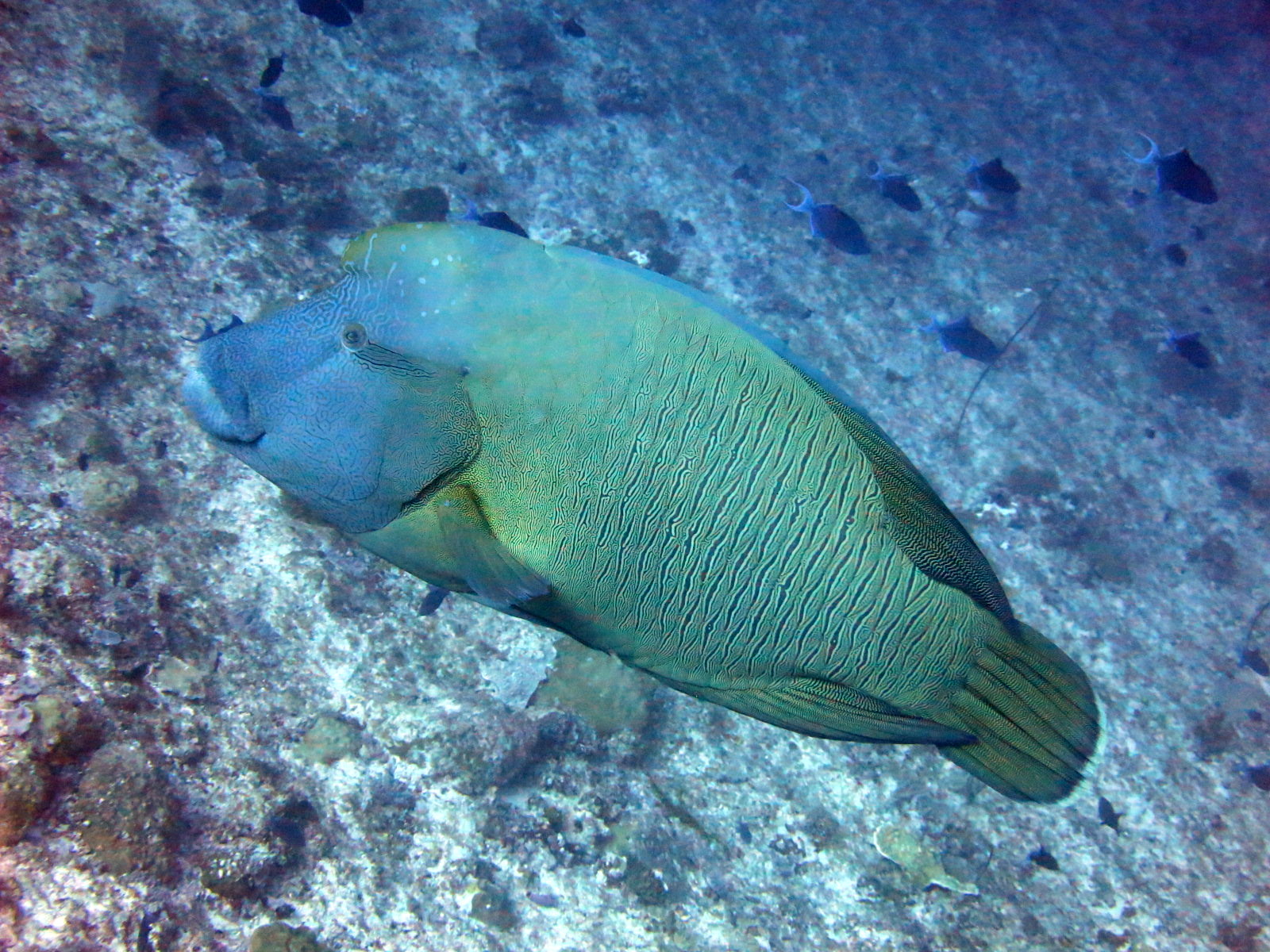
Napoleon (Humphead) Wrasse
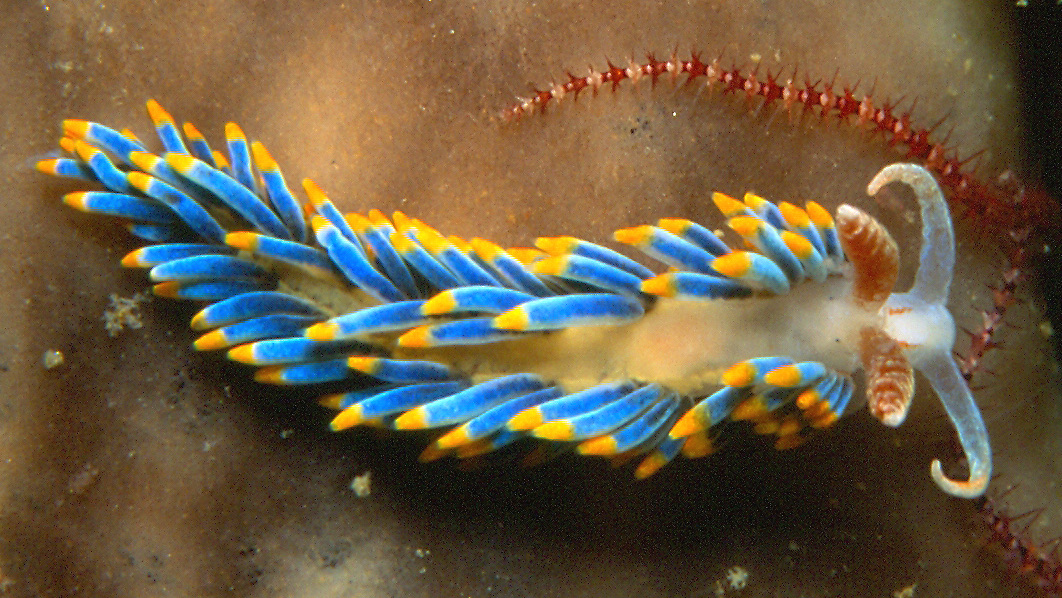
Nudibranchs
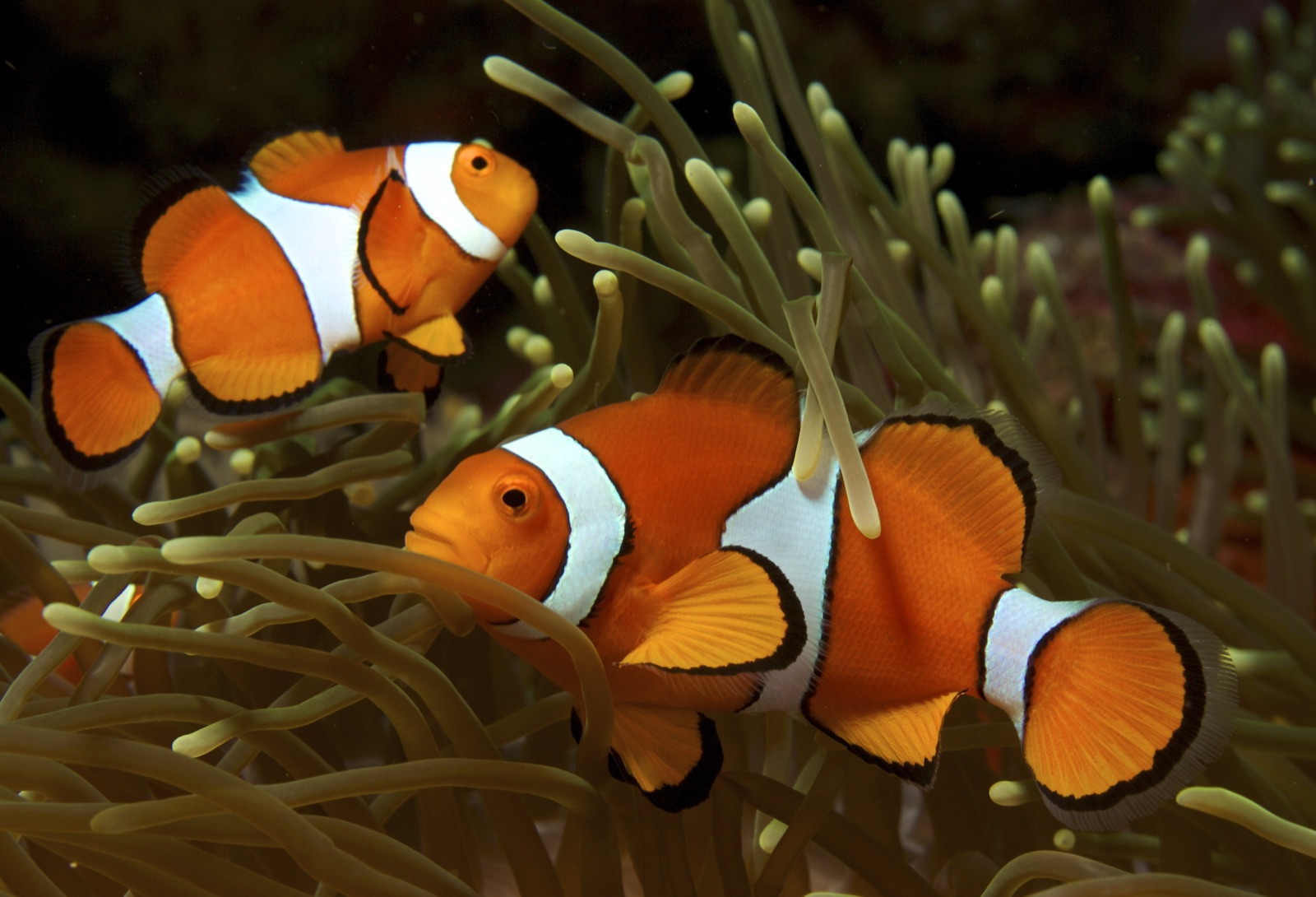
Clownfish & Anemonefish
Les espèces « cartographiées ici » ont été répertoriées par nos éditeurs à partir des sources indiquées sur cette page. Les comptages correspondent aux occurrences GBIF : observations enregistrées dans un rayon d'environ 5 km autour de la position cartographiée depuis 1990, comparées uniquement aux espèces de notre catalogue. Ils indiquent ce qui a été observé à cet endroit, sans garantir ce que vous y verrez.
Pour les photographes
Grand angle: ★★★★★ · Macro: ★☆☆☆☆ (note 1–5 des éditeurs sur ce que ce site offre à chaque style de prise de vue)