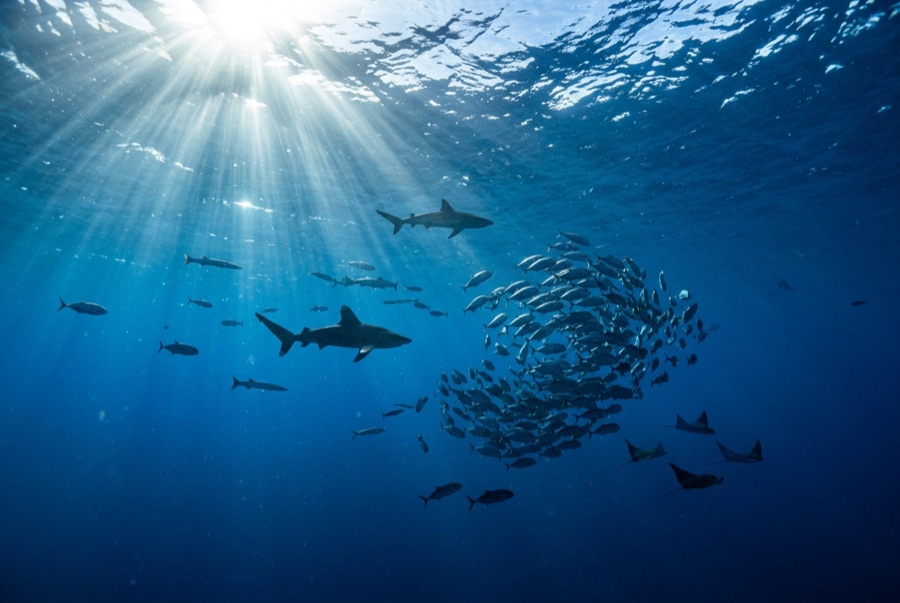
Port St Johns Grounds
水深はサイト上部から通常の最大深度までの範囲です。「推奨資格」は多くのオペレーターが求めるメインストリームエージェンシーのレベルであり、法的な義務ではありません。潮流と透明度は日々変わるため、ここに記載の数値はあくまで計画のための目安としてお使いください。
Port St Johns is the sardine run's capital: the shelf narrows here, pushing the migrating shoals, and everything eating them, into a workable band close to the cliffs. June and July mornings start with a launch through the river mouth or surf, then hours of reading gannet flight lines and dolphin spray until a bait ball forms. When one does, swimmers slide in on snorkel first; scuba follows only if the ball stabilizes. Common dolphins arrive in the hundreds, copper sharks carve the sphere, gannets hit like hail, and Bryde's whales end arguments in one lunge. Blank days are part of the honest arithmetic.
その瞬間のために: The highest-probability staging area for full bait-ball events
地形: Open shelf water off the Mzimvubu River mouth; action is midwater and surface, not on the seabed
流れ(カレント): The Agulhas edge, counter-currents, and cold pulses all meet here; every day is read fresh from water temperature and bird behavior.
エントリー前に知っておこう
危険生物・リスク: Cold water, long rough days, surf and river-mouth launches, and feeding predators at close quarters: obey the divemaster instantly.
保全: Boats and swimmers work under permit conditions; crews coordinate on the radio so bait balls are not mobbed by every operator at once.
出会える生物
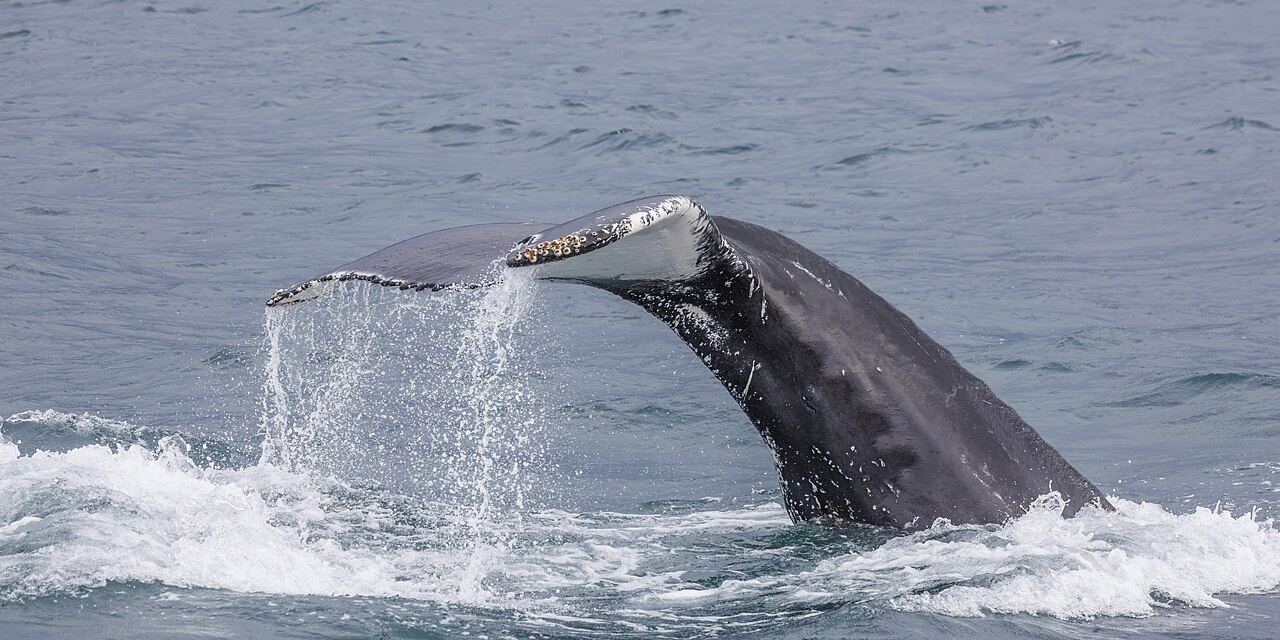
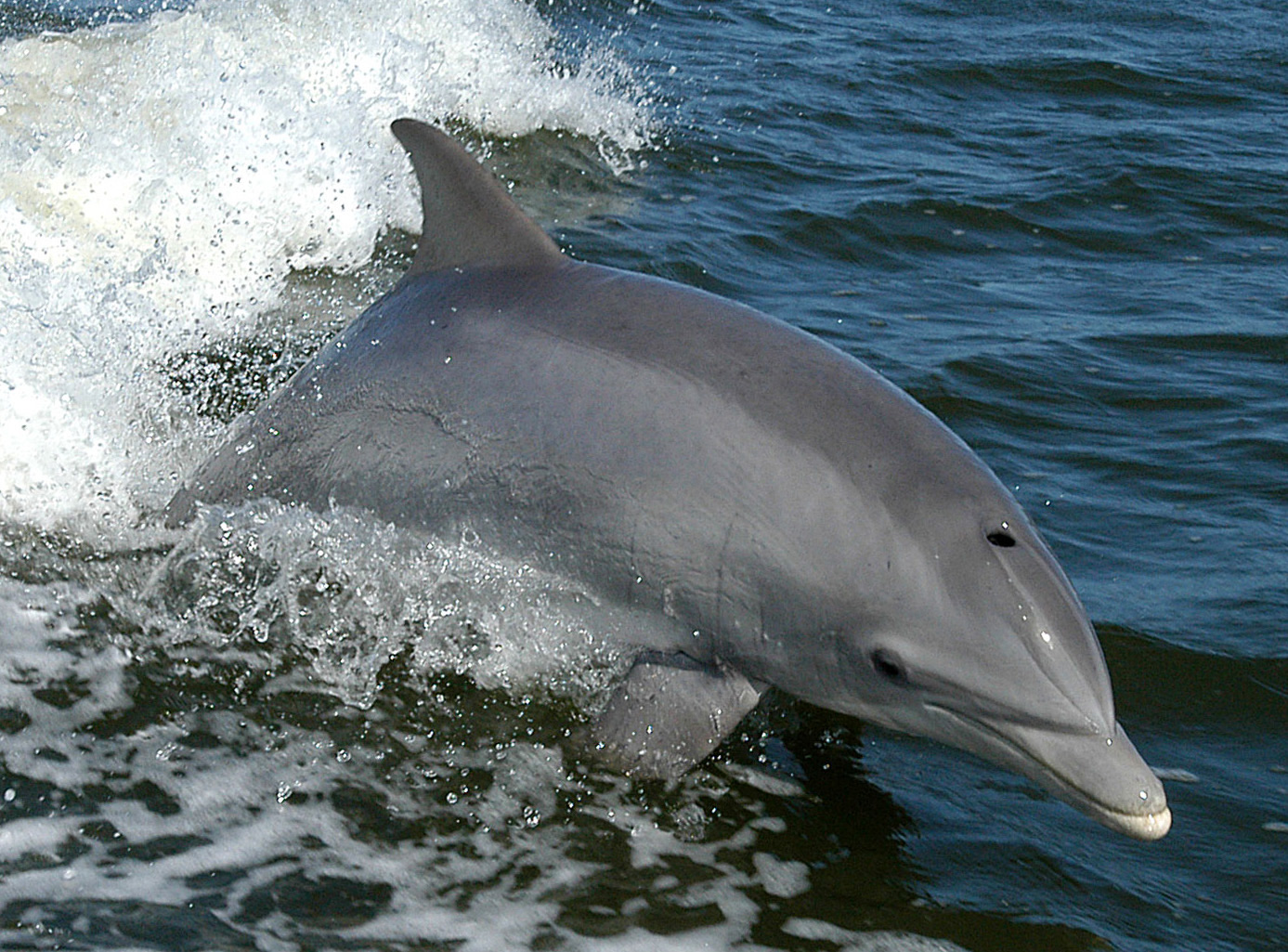
「ここに記載」の生物種は、このページの情報源をもとに編集部が登録したものです。件数はGBIFの出現記録数で、1990年以降に登録地点から約5km以内で記録された観察データのうち、当サイトのカタログ掲載種に一致したものです。そこで実際に目撃された記録であり、潜水時の遭遇を保証するものではありません。
水中フォトグラファー向け
ワイドアングル: ★★★★★ · マクロ: ★☆☆☆☆ (各撮影スタイルに対するこのサイトの評価(編集部による1〜5点))