Sharks
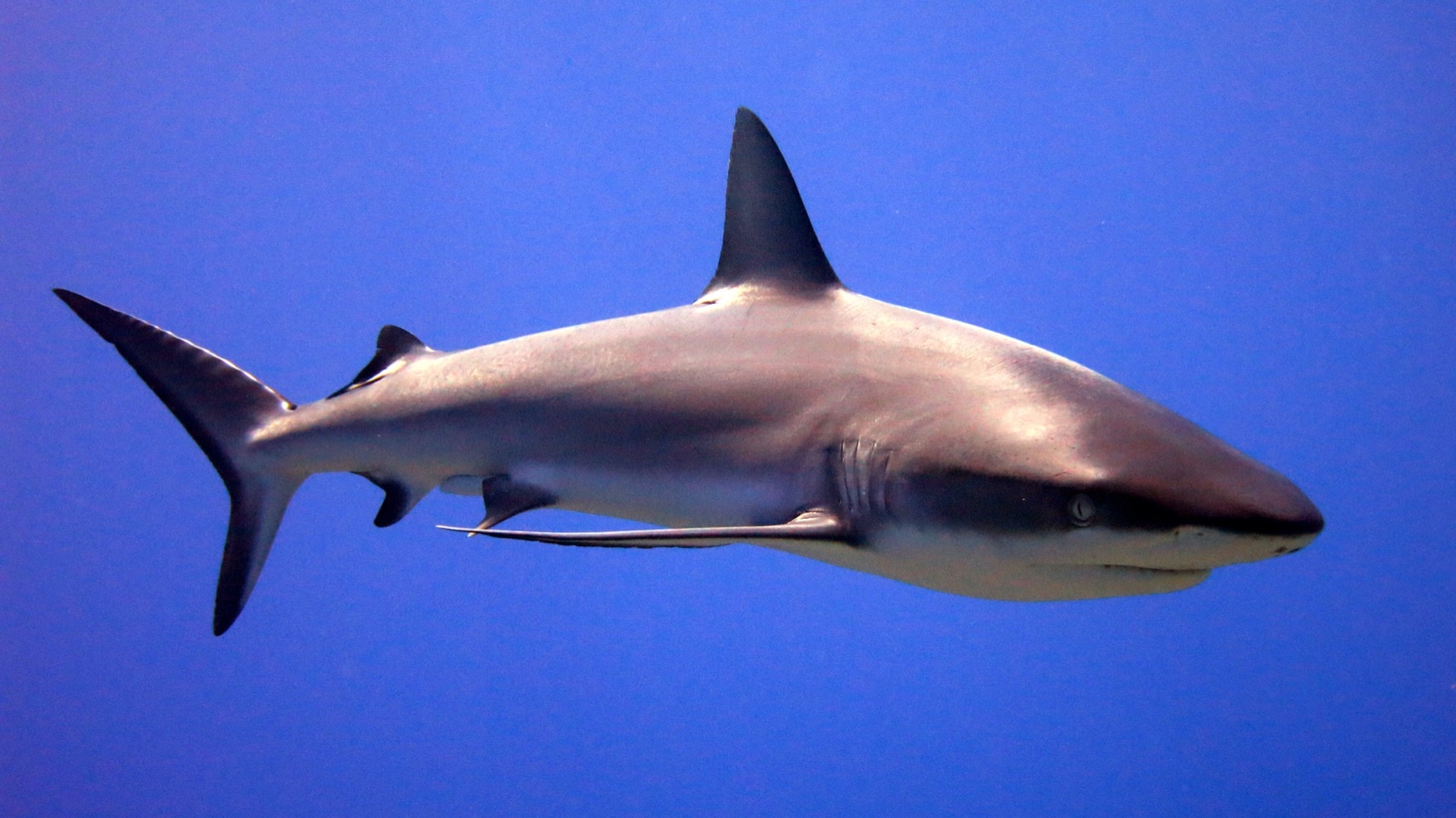
Grey Reef Shark
Carcharhinus amblyrhynchos · Cartilaginous fish, family Carcharhinidae
Grey reef sharks are the metronome of a healthy atoll pass: compact, counter-shaded, white-edged tail flicking as they hold station in ripping current, waiting on the tide. Drift into a Fakarava or Palau channel on the incoming flow and the school materializes ahead of you: first ten, then fifty, then a wall of gray bodies layered from the coral to the surface. They are more assertive than their blacktip and whitetip neighbors and enforce personal space with a famous arched-back display, one of the clearest pieces of body language in the shark world. Their abundance on protected atolls masks steep losses on fished reefs.
Wo und wann man eines sieht
„Resident" bedeutet, dass die meisten Tauchgänge am jeweiligen Tauchziel eine Begegnung erwarten lassen; „saisonal" bedeutet, dass die Art in den genannten Monaten zuverlässig anzutreffen ist; alles andere ist ein Bonus, keine Planungsgrundlage.
| Ziel | Zuverlässigkeit | Monate | Hinweise |
|---|---|---|---|
| PalauPalau | Resident: seen on most dives | Ganzjährig | |
| North & South Malé AtollsMaldives | Resident: seen on most dives | Ganzjährig | |
| Tubbataha ReefsPhilippines | Resident: seen on most dives | Mar–Jun | |
| FakaravaFrench Polynesia | Resident: seen on most dives | Jun–Jul | |
| RangiroaFrench Polynesia | Resident: seen on most dives | Ganzjährig | |
| Coral Sea & Osprey ReefAustralia | Resident: seen on most dives | Ganzjährig |
Bester Monat auf einen Blick
Sie verstehen
Lebensraum: Current-swept passes, channel mouths, and outer-reef drop-offs; hangs in the flow where baitfish concentrate
Verbreitung: Indo-Pacific: Red Sea and East Africa through the Maldives, Southeast Asia, and Micronesia to the central Pacific atolls
Verhalten: The channel specialist. Greys stack in current like kites on strings, holding formation off atoll passes by the dozen or, at Fakarava, by the hundred. When genuinely cornered the species performs a distinctive agonistic display (back arched, pectorals dropped, exaggerated swimming), which is a clear instruction to back away slowly.
Ernährung: Reef fish, squid, and octopus, mostly hunted at night or in pass currents
Größe: typischerweise rund 1.5 m; dokumentiert bis zu 1.9 m (total length).
Wie man sich in ihrer Nähe verhält
Hook in or hold position at the pass edge rather than drifting into the school's core, keep out of the current line the sharks are working, never chase a displaying animal for a photo, and follow local rules on reef hooks.
Naturschutz
Assessed Endangered in 2020; strong site fidelity makes populations easy to fish out and slow to recolonize. Large no-take atolls in French Polynesia, Palau, and the Coral Sea now hold a disproportionate share of the species.
Bekannte Tauchplätze dafür
Hervorgehobene Tauchplätze wurden von unseren Redakteuren für diese Art kartiert; die Zahlen sind GBIF-Vorkommensdatensätze, die seit 1990 im Umkreis von etwa 5 km um einen Tauchplatz protokolliert wurden.
Ansehen
Aus den offiziellen Kanälen

Wildlife of Monterey | New film in our auditorium

Live Aviary Cam | Monterey Bay Aquarium

Live Aviary Cam | Monterey Bay Aquarium
Videos sind eingebettete Links zu den Kanälen der jeweiligen Ersteller – wir hosten nichts und geben für alles die Quelle an.