Sharks
Grey Reef Shark
Carcharhinus amblyrhynchos · Cartilaginous fish, family Carcharhinidae
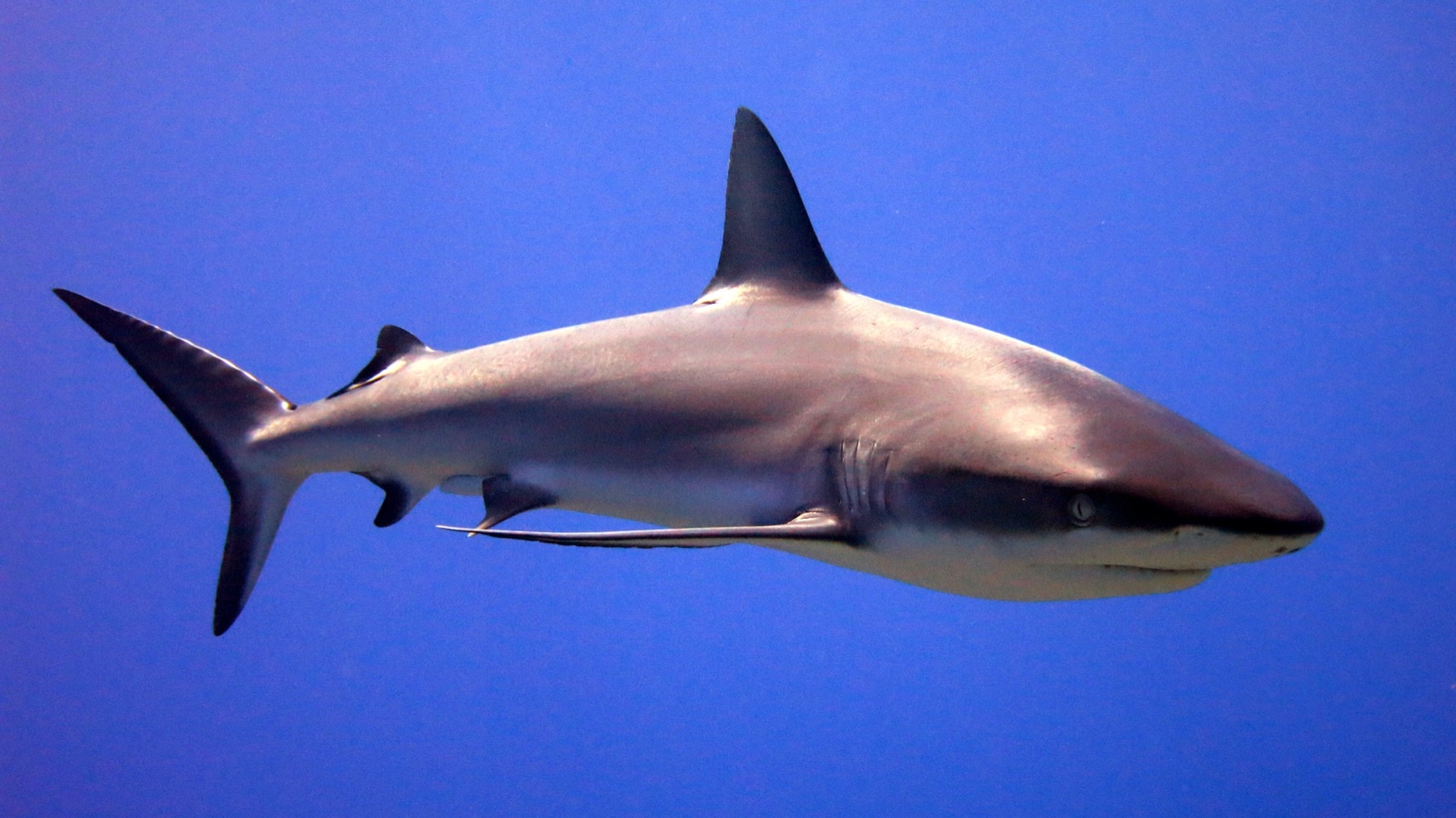
Grey reef sharks are the metronome of a healthy atoll pass: compact, counter-shaded, white-edged tail flicking as they hold station in ripping current, waiting on the tide. Drift into a Fakarava or Palau channel on the incoming flow and the school materializes ahead of you: first ten, then fifty, then a wall of gray bodies layered from the coral to the surface. They are more assertive than their blacktip and whitetip neighbors and enforce personal space with a famous arched-back display, one of the clearest pieces of body language in the shark world. Their abundance on protected atolls masks steep losses on fished reefs.
Dove e quando avvistarne uno
"Residente" significa che la maggior parte delle immersioni in quella destinazione li incontra; "stagionale" significa che sono presenti in modo affidabile nei mesi indicati; qualsiasi altra cosa è un bonus, non un piano.
| Destinazione | Affidabilità | Mesi | Note |
|---|---|---|---|
| PalauPalau | Resident: seen on most dives | Tutto l'anno | |
| North & South Malé AtollsMaldives | Resident: seen on most dives | Tutto l'anno | |
| Tubbataha ReefsPhilippines | Resident: seen on most dives | Mar–Jun | |
| FakaravaFrench Polynesia | Resident: seen on most dives | Jun–Jul | |
| RangiroaFrench Polynesia | Resident: seen on most dives | Tutto l'anno | |
| Coral Sea & Osprey ReefAustralia | Resident: seen on most dives | Tutto l'anno |
Il mese migliore, a colpo d'occhio
Capirle
Habitat: Current-swept passes, channel mouths, and outer-reef drop-offs; hangs in the flow where baitfish concentrate
Distribuzione: Indo-Pacific: Red Sea and East Africa through the Maldives, Southeast Asia, and Micronesia to the central Pacific atolls
Comportamento: The channel specialist. Greys stack in current like kites on strings, holding formation off atoll passes by the dozen or, at Fakarava, by the hundred. When genuinely cornered the species performs a distinctive agonistic display (back arched, pectorals dropped, exaggerated swimming), which is a clear instruction to back away slowly.
Dieta: Reef fish, squid, and octopus, mostly hunted at night or in pass currents
Dimensioni: tipicamente intorno a 1.5 m; documentato fino a 1.9 m (total length).
Come comportarsi in sua presenza
Hook in or hold position at the pass edge rather than drifting into the school's core, keep out of the current line the sharks are working, never chase a displaying animal for a photo, and follow local rules on reef hooks.
Conservazione
Assessed Endangered in 2020; strong site fidelity makes populations easy to fish out and slow to recolonize. Large no-take atolls in French Polynesia, Palau, and the Coral Sea now hold a disproportionate share of the species.
Siti mappati noti per avvistamenti
I siti evidenziati sono stati schedati per questa specie dai nostri redattori; i numeri sono record di occorrenza GBIF registrati entro circa 5 km dal sito a partire dal 1990.
Guarda
Dai canali ufficiali

Wildlife of Monterey | New film in our auditorium

Live Aviary Cam | Monterey Bay Aquarium

Live Aviary Cam | Monterey Bay Aquarium
I video sono link incorporati ai canali dei rispettivi autori. Non ospitiamo nulla e accreditiamo tutto.