Pontos de mergulho, épocas e vida marinha — pesquisados, mapeados, planeados.
Menu
Destinos Pontos de Mergulho Vida Marinha Naufrágios Notícias
Planejar uma viagem Planejador de viagem Quando mergulhar Calculadora de custos Comparações Calendário de vida marinha Temperatura da água Liveaboards Operadores & resorts Parques marinhos Câmaras hiperbáricas Mapa mundial
Regiões Austrália, Nova Zelândia e Ásia OrientalCaribe e Atlântico OcidentalEuropa, Atlântico & MediterrâneoOceano Índico e África OrientalIlhas do Pacífico & MicronésiaMar Vermelho & Médio OrienteSudeste Asiático e Triângulo de CoralAs Américas e o Pacífico Oriental Países
Aprender e Ferramentas Todos os guias Certificações Guias de equipamento Vídeos Consulte os Dados Agentes de IA API
Sobre Sobre nós Metodologia Aviso legal Contato
A sua vista
★ Guardado

Os seus destinos, sítios de mergulho e espécies favoritos — guardados neste browser.

API GATEWAY

Acesso JSON gratuito e só de leitura aos dados em cache do atlas.

Modo escuro

🧭 Vista Guiada
Novo no mergulho — profundidades, correntes, níveis de certificação? Explicamos cada termo enquanto navega, em linguagem simples. Os mesmos dados, com a ajuda integrada.

⚡ Vista de Especialista
Já sabe a diferença entre uma parede e um drift dive. Apenas os dados — claros, rápidos e compactos. Esta é a vista predefinida.

Idioma da interface
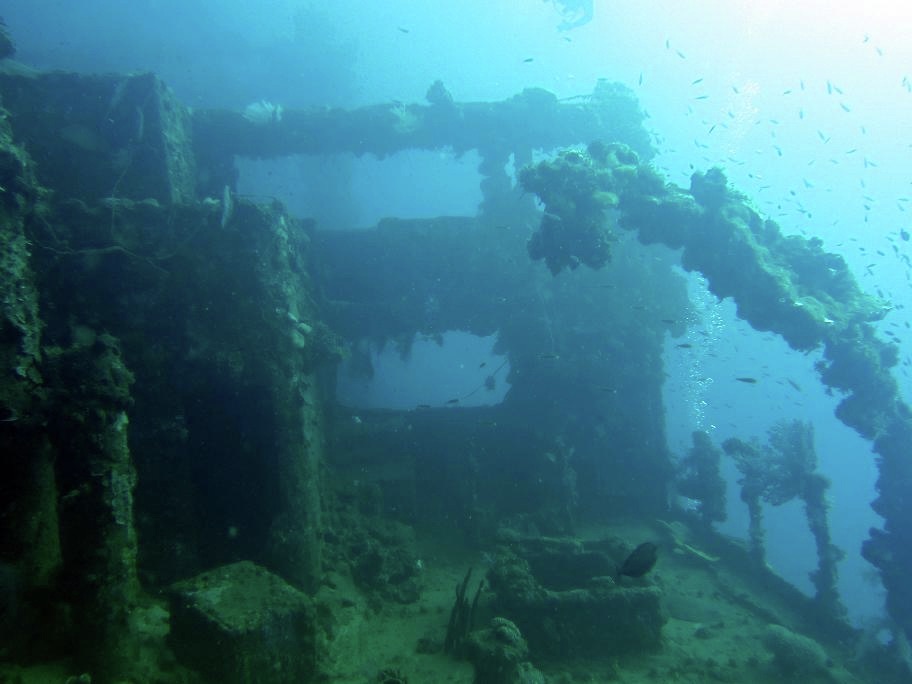
Nippo Maru — illustrative image

Nippo Maru

Japanese army cargo ship and water carrier Afundado 1944 28–48 m Chuuk (Truk) Lagoon
Ilustração gerada por IA
Túmulo de guerra Pessoas morreram aqui e, em alguns casos, permanecem a bordo. Mergulhe como visitaria um memorial: nada tocado, nada levado, nada perturbado.
Documentado
Profundidade até o convés
28 m / 92 ft
Profundidade máxima
48 m / 157 ft
Construído / afundado
1936 / 1944
Comprimento
107 m
Tonelagem
3,764 GRT
Orientação
Upright With A Port List
Nível
Advanced
Melhores meses
Dec–Apr

A história

A working freighter built in 1936, the Nippo Maru spent the war hauling the unglamorous freight that garrisons live on — above all fresh water for Truk's outer-island gun crews, along with munitions and equipment. Hailstone's bombers sent her down in February 1944, and she landed upright with a gentle list on a deeper patch of lagoon floor, which kept casual visitors away for decades and preserved her details. What survived is a museum spread: a Type 95 light tank sits on her deck as if parked, field artillery pieces lean nearby, trucks and mines occupy the holds, and her compact bridge still holds its helm and engine telegraphs — one of the most photographed compositions in wreck diving. She was lost to memory after the war and relocated by divers in 1980. The depth that protected her also demands respect; this is the lagoon's threshold wreck between sport and technical diving, and a war grave besides.

Como afundou: Bombed by US carrier aircraft during Operation Hailstone, February 1944.

A mergulhar nela hoje

Condição: Intact and finely detailed, with slower growth and dimmer light than the shallow wrecks; corrosion is gradual at this depth.

Penetração: Limited. The bridge and forward holds admit trained divers for short, shallow-in penetrations; anything deeper in the hull is technical territory. Entrar em qualquer ambiente fechado requer formação específica — no mínimo uma certificação de mergulho em naufrágios, e formação técnica em naufrágios para penetração total.

Certificação recomendada: Deep-trained Advanced Open Water; technical certification recommended for full exploration

Corrente: Mild · Visibilidade: 15–30 m

Vida marinha: Whip corals and black corals at depth, lionfish on the bridge wings, and batfish escorting divers along the deck.

Perigos: Depth and bottom time are the governing risks; munitions in the holds are untouchable; silt lies thick on every horizontal surface.

Proteção & legislação

Chuuk lagoon monument protection; state dive permit/fee applies.

Treated as a war grave with the rest of the Hailstone fleet; conduct yourself accordingly.

The tank, guns, and bridge instruments stay where the war left them — removal is illegal.

Assista

Dos canais oficiais

Todos os vídeos →

Os vídeos são links incorporados dos próprios canais dos criadores — não hospedamos nada e creditamos tudo.

Fontes: CombinedFleet.com ↗Wikipedia ↗ · Factos verificados em relação às fontes acima; os campos sem suporte estão assinalados como não verificado ainda.

Austrália, Nova Zelândia e Ásia Oriental

Cairns & the Ribbon ReefsNingaloo ReefCoral Sea & Osprey ReefOkinawa & the Kerama IslandsPoor Knights IslandsTownsville & the YongalaGreen IslandIzu Peninsula

Caribe e Atlântico Ocidental

BonaireCozumelRiviera Maya & the CenotesBelize Barrier ReefGrand CaymanIsla Mujeres & CancúnRoatánTiger Beach & Grand Bahama

Europa, Atlântico & Mediterrâneo

Malta & GozoSilfra & IcelandThe AzoresCanary IslandsLarnaca & the ZenobiaScapa FlowArctic NorwayMadeira

Oceano Índico e África Oriental

North & South Malé AtollsAri AtollBaa Atoll & Hanifaru BayAliwal Shoal & UmkomaasMafia IslandMauritiusSeychellesSodwana Bay

Ilhas do Pacífico & Micronésia

PalauChuuk (Truk) LagoonFakaravaKona, HawaiʻiRangiroaTaveuni & Rainbow ReefBeqa Lagoon & Pacific HarbourEspiritu Santo

Mar Vermelho & Médio Oriente

Sharm El Sheikh & Ras MohammedBrothers, Daedalus & St John'sDahabHurghada & El GounaMarsa Alam & the Deep SouthAqabaDaymaniyat IslandsMusandam Peninsula

Sudeste Asiático e Triângulo de Coral

Bali & Nusa PenidaKomodoRaja AmpatSipadan & MabulAnilaoCoronKoh TaoLembeh Strait

As Américas e o Pacífico Oriental

Galápagos IslandsCocos IslandFlorida KeysSea of Cortez & Cabo PulmoSocorro & the RevillagigedosBritish ColumbiaCalifornia Channel IslandsCosta Rica Pacific Coast