Tauchplätze, Saisons und Meereslebewesen – recherchiert, kartiert, geplant.
Menü
Reiseziele Tauchplätze Meeresleben Wracks News
Eine Reise planen Tauchtrip-Planer Wann tauchen Kostenrechner Vergleiche Meereslebewesen-Kalender Wassertemperatur Liveaboards Tauchbetriebe & Resorts Meeresschutzgebiete Druckkammern Weltkarte
Regionen Australien, Neuseeland & OstasienKaribik & WestatlantikEuropa, Atlantik & MittelmeerIndischer Ozean & OstafrikaPazifikinseln & MikronesienRotes Meer & Naher OstenSüdostasien & Korallen-DreieckAmerika & Östlicher Pazifik Länder
Lernen & Tools Alle Guides Zertifizierungen Ausrüstungsratgeber Videos Daten abfragen KI-Agenten API
Über uns Über uns Methodik Haftungsausschluss Kontakt
Deine Ansicht
★ Gespeichert

Deine gespeicherten Reiseziele, Tauchplätze und Tierarten — im Browser gespeichert.

API-GATEWAY

Kostenloser, schreibgeschützter JSON-Zugriff auf die gecachten Daten des Atlas.

Dunkelmodus

🧭 Geführte Ansicht
Neu beim Tauchen — Tiefen, Strömungen, Zertifizierungsstufen? Wir erklären jeden Begriff beim Stöbern in verständlicher Sprache. Dieselben Daten, mit integrierter Hilfe.

⚡ Expertenansicht
Du kennst den Unterschied zwischen einem Wall und einem Drift Dive. Nur die Daten – klar, schnell und kompakt. Das ist die Standardansicht.

Oberflächensprache

Vergleich

The Maldives vs Raja Ampat
North & South Malé Atolls

North & South Malé Atolls

Maldives
Raja Ampat

Raja Ampat

Indonesia
Die kurze AntwortBoth are current-and-channel destinations, but they optimize for different rewards. The Malé atolls deliver pelagics and effortless logistics — one long-haul flight to a hub airport, then a speedboat or seaplane to whatever comfort tier you choose, with the dry northeast monsoon from December to April as prime time. Raja Ampat demands two more flights and a bigger budget and returns coral and fish diversity without equal, best October through April. Choose the Maldives for shark-and-manta drama made easy; choose Raja Ampat for the reef itself.
Auswählen North & South Malé Atolls Pick the Maldives for shark-filled channel drifts, manta reliability, and one-flight logistics with any comfort level from guesthouse to liveaboard.
Auswählen Raja Ampat Pick Raja Ampat when reef life itself — coral cover, fish density, small wonders — is the point, and two extra flights are an acceptable toll.

Die Zahlen, nebeneinander

North & South Malé AtollsRaja Ampat
Beste MonateDec–AprOct–Apr
Wasser (dokumentierte Spanne)27–30 °C / 81–86 °F26–30 °C / 79–86 °F
Sichtweite10–30 m10–25 m
LevelAll LevelsModerate
Zwei-Tank-Bootstauchen$110–$180$80–$140
Kartierte Tauchplätze78
Küstenplätze00
Wracks10
Liveaboards im Einsatz48
Zuverlässige Highlight-Arten Common Reef (Day) OctopusGarden EelChristmas Tree WormGiant TrevallyNapoleon (Humphead) WrasseGrey Reef Shark LionfishTasselled WobbegongGiant ClamBumphead ParrotfishClownfish & AnemonefishPinnate Batfish

Jede Zahl direkt aus den beiden Reiseziel-Einträgen gezogen — Spannen und Konfidenzangaben gelten wie auf den jeweiligen Seiten.

Die ausführlichere Antwort

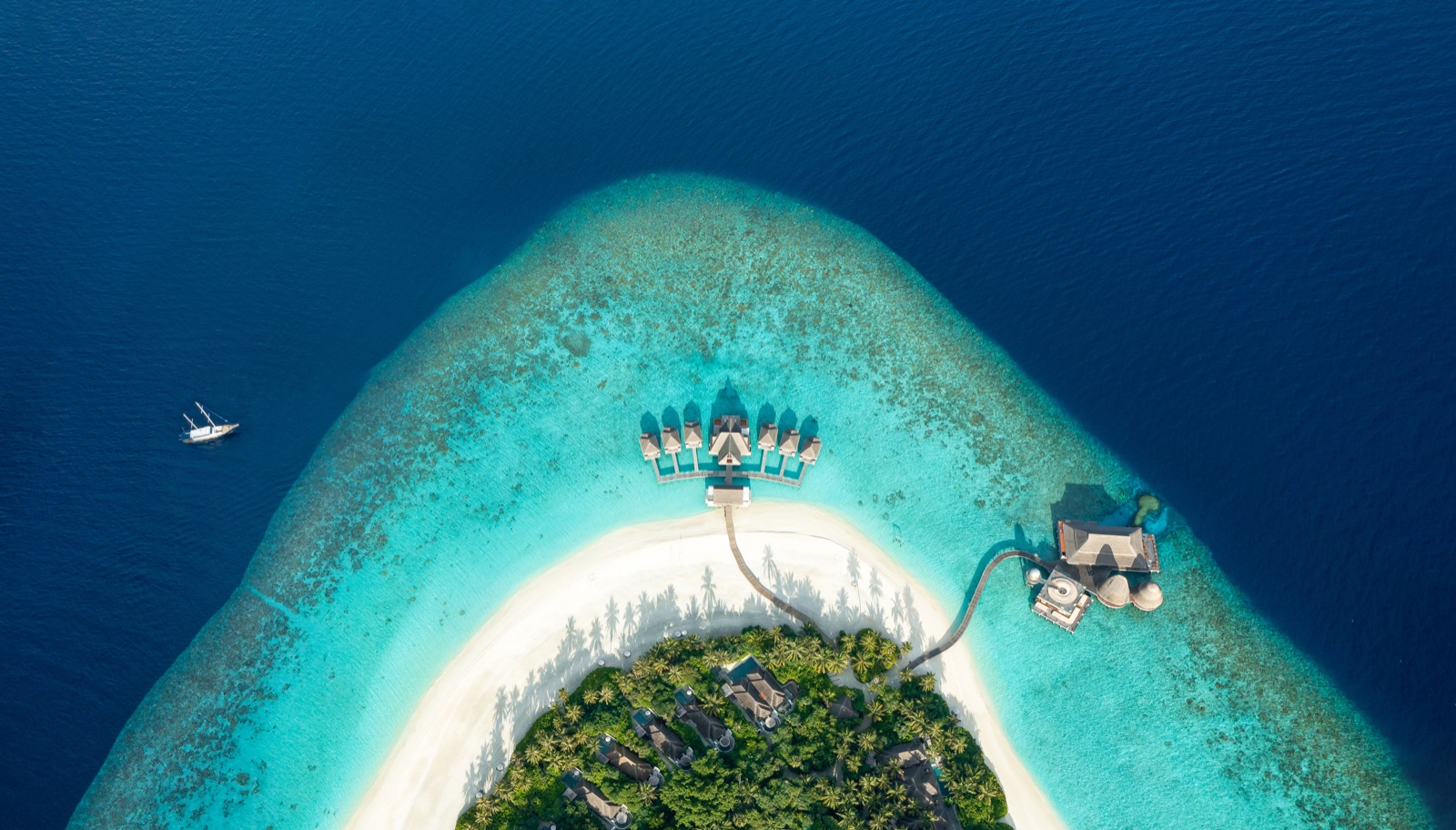
The Malé atolls are built for drift. Ocean water pours through the kandus — the channel mouths — and on an incoming tide the corners stack up with grey reef sharks holding formation in the flow, eagle rays beneath them, dog-tooth tuna hunting the edges. Diving is hooked-in, current-led, and repeatable day after day from either a resort house reef base or a liveaboard circuit. The Maldives also carries a rare guarantee: reef mantas feed somewhere in the archipelago all year, swapping sides of each atoll as the monsoon reverses, with the famous Baa Atoll aggregation running roughly June to November and whale shark encounters concentrated in the southern Ari region. Since local guesthouses were permitted, budgets from modest to absurd all have a lane.

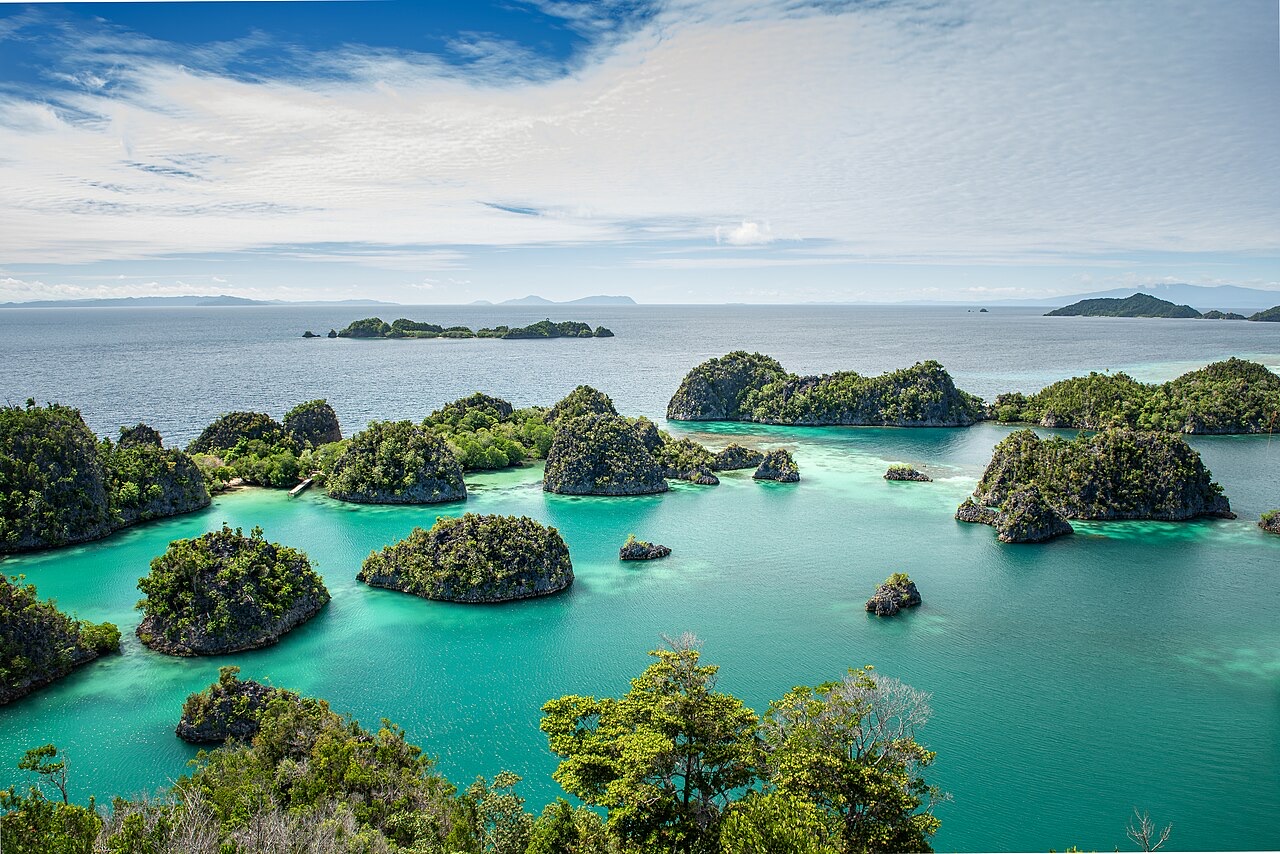
Raja Ampat plays a different game. Its currents feed not shark corners but the reef itself — soft coral in full sail, fusilier rivers, ten dives without repeating a habitat. Mantas and sharks appear, yet the headline is density and variety no census has matched anywhere else. The price is remoteness: most itineraries mean two extra flights to Sorong after the long-haul, then a liveaboard for the full range or a resort in the Dampier Strait, with October to April the dependable window.

Families, mixed groups, and comfort-first divers are better served by the Maldives; photographers and reef devotees justify the Papuan slog. Currents ask respect in both, so bring drift experience either way.

Redaktionelle Schätzung

Tiefer eintauchen

Australien, Neuseeland & Ostasien

Cairns & the Ribbon ReefsNingaloo ReefCoral Sea & Osprey ReefOkinawa & the Kerama IslandsPoor Knights IslandsTownsville & the YongalaGreen IslandIzu Peninsula

Karibik & Westatlantik

BonaireCozumelRiviera Maya & the CenotesBelize Barrier ReefGrand CaymanIsla Mujeres & CancúnRoatánTiger Beach & Grand Bahama

Europa, Atlantik & Mittelmeer

Malta & GozoSilfra & IcelandThe AzoresCanary IslandsLarnaca & the ZenobiaScapa FlowArctic NorwayMadeira

Indischer Ozean & Ostafrika

North & South Malé AtollsAri AtollBaa Atoll & Hanifaru BayAliwal Shoal & UmkomaasMafia IslandMauritiusSeychellesSodwana Bay

Pazifikinseln & Mikronesien

PalauChuuk (Truk) LagoonFakaravaKona, HawaiʻiRangiroaTaveuni & Rainbow ReefBeqa Lagoon & Pacific HarbourEspiritu Santo

Rotes Meer & Naher Osten

Sharm El Sheikh & Ras MohammedBrothers, Daedalus & St John'sDahabHurghada & El GounaMarsa Alam & the Deep SouthAqabaDaymaniyat IslandsMusandam Peninsula

Südostasien & Korallen-Dreieck

Bali & Nusa PenidaKomodoRaja AmpatSipadan & MabulAnilaoCoronKoh TaoLembeh Strait

Amerika & Östlicher Pazifik

Galápagos IslandsCocos IslandFlorida KeysSea of Cortez & Cabo PulmoSocorro & the RevillagigedosBritish ColumbiaCalifornia Channel IslandsCosta Rica Pacific Coast