Dive sites, seasons and marine life — researched, mapped, planned.
Menu
Destinations Dive Sites Marine Life Wrecks News
Plan a trip Trip planner When to dive Cost calculator Comparisons Marine-life calendar Water temperature Liveaboards Operators & resorts Marine parks Hyperbaric chambers World map
Regions Australia, New Zealand & East AsiaCaribbean & Western AtlanticEurope, Atlantic & MediterraneanIndian Ocean & East AfricaPacific Islands & MicronesiaRed Sea & Middle EastSoutheast Asia & Coral TriangleThe Americas & Eastern Pacific Countries
Learn & Tools All guides Certifications Gear guides Videos Ask the Data AI Agents API
About About us Methodology Disclaimer Contact
Your view
★ Saved

Your starred destinations, sites and species — stored in this browser.

API GATEWAY

Free read-only JSON access to the atlas's cached data.

Dark mode

🧭 Guided View
New to diving — depths, currents, certification levels? We explain every term as you browse, in plain English. Same data, with the help built in.

⚡ Expert View
You already know the difference between a wall and a drift. Just the data — clean, fast and compact. This is the default view.

Interface language

Comparison

The Maldives vs Raja Ampat
North & South Malé Atolls

North & South Malé Atolls

Maldives
Raja Ampat

Raja Ampat

Indonesia
The short answerBoth are current-and-channel destinations, but they optimize for different rewards. The Malé atolls deliver pelagics and effortless logistics — one long-haul flight to a hub airport, then a speedboat or seaplane to whatever comfort tier you choose, with the dry northeast monsoon from December to April as prime time. Raja Ampat demands two more flights and a bigger budget and returns coral and fish diversity without equal, best October through April. Choose the Maldives for shark-and-manta drama made easy; choose Raja Ampat for the reef itself.
Pick North & South Malé Atolls Pick the Maldives for shark-filled channel drifts, manta reliability, and one-flight logistics with any comfort level from guesthouse to liveaboard.
Pick Raja Ampat Pick Raja Ampat when reef life itself — coral cover, fish density, small wonders — is the point, and two extra flights are an acceptable toll.

The numbers, side by side

North & South Malé AtollsRaja Ampat
Best monthsDec–AprOct–Apr
Water (documented range)27–30 °C / 81–86 °F26–30 °C / 79–86 °F
Visibility10–30 m10–25 m
LevelAll LevelsModerate
Two-tank boat dive$110–$180$80–$140
Charted sites78
Shore sites00
Wrecks10
Liveaboards serving48
Reliable big-ticket species Common Reef (Day) OctopusGarden EelChristmas Tree WormGiant TrevallyNapoleon (Humphead) WrasseGrey Reef Shark LionfishTasselled WobbegongGiant ClamBumphead ParrotfishClownfish & AnemonefishPinnate Batfish

Every figure pulled live from the two destination records — ranges and confidence labels apply as on their own pages.

The longer answer

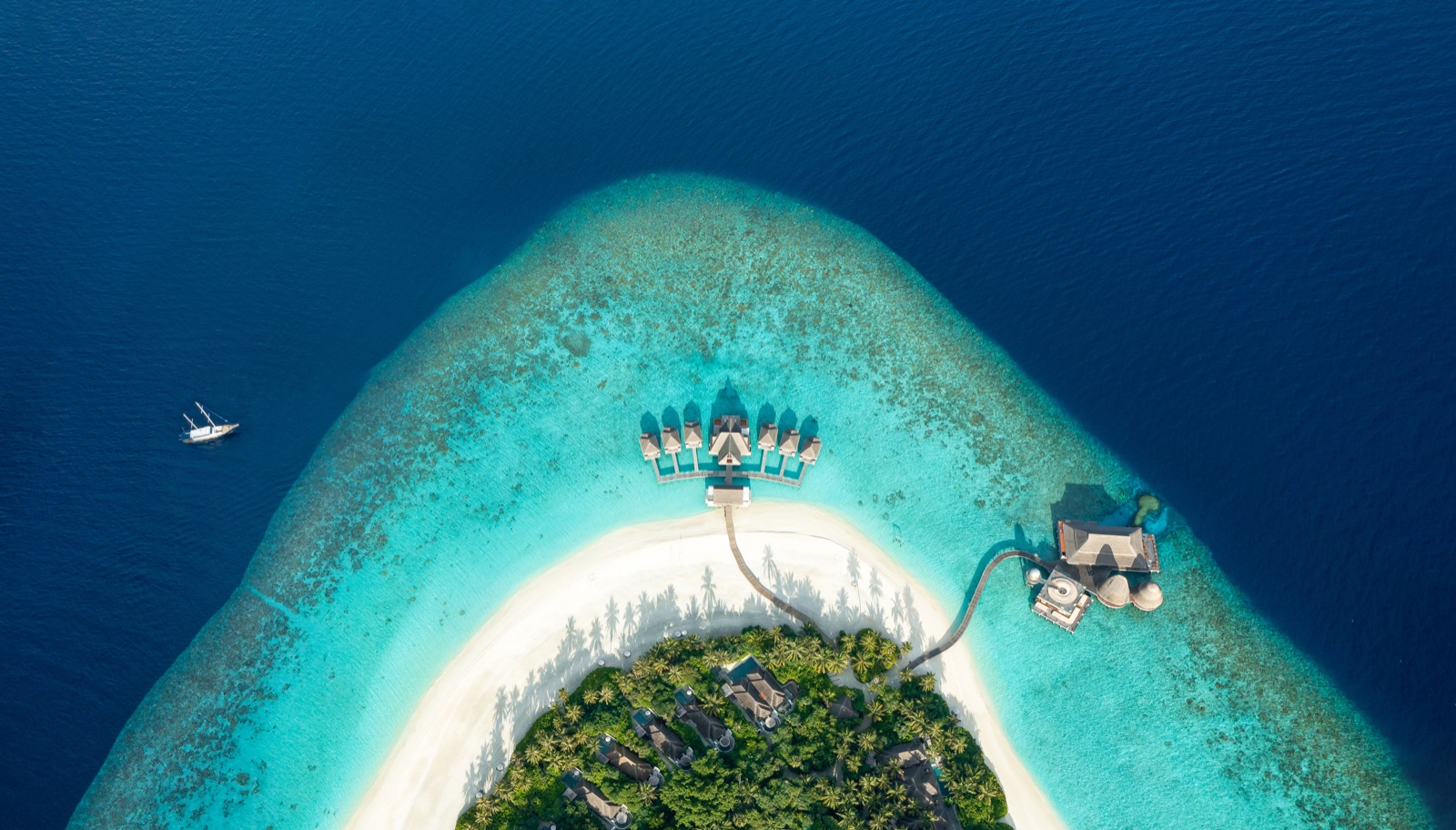
The Malé atolls are built for drift. Ocean water pours through the kandus — the channel mouths — and on an incoming tide the corners stack up with grey reef sharks holding formation in the flow, eagle rays beneath them, dog-tooth tuna hunting the edges. Diving is hooked-in, current-led, and repeatable day after day from either a resort house reef base or a liveaboard circuit. The Maldives also carries a rare guarantee: reef mantas feed somewhere in the archipelago all year, swapping sides of each atoll as the monsoon reverses, with the famous Baa Atoll aggregation running roughly June to November and whale shark encounters concentrated in the southern Ari region. Since local guesthouses were permitted, budgets from modest to absurd all have a lane.

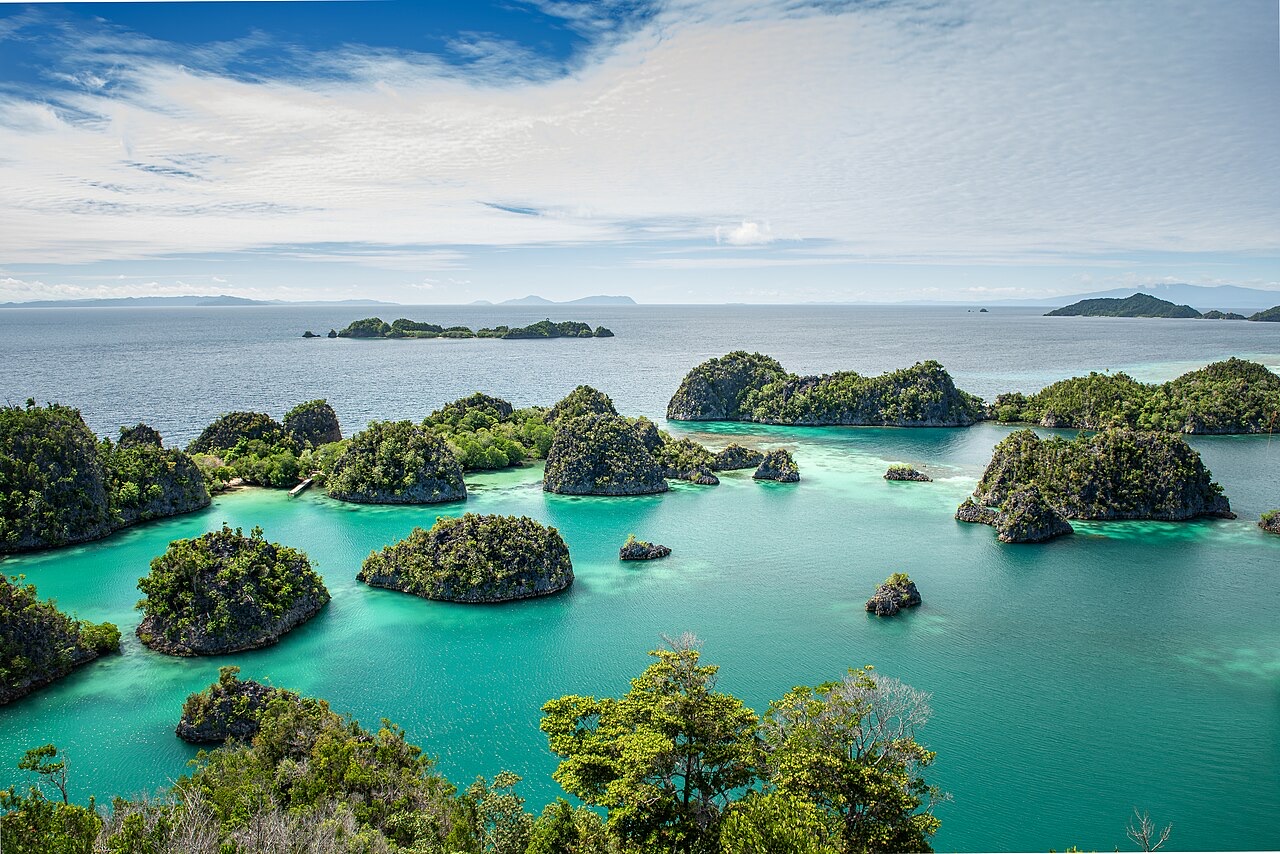
Raja Ampat plays a different game. Its currents feed not shark corners but the reef itself — soft coral in full sail, fusilier rivers, ten dives without repeating a habitat. Mantas and sharks appear, yet the headline is density and variety no census has matched anywhere else. The price is remoteness: most itineraries mean two extra flights to Sorong after the long-haul, then a liveaboard for the full range or a resort in the Dampier Strait, with October to April the dependable window.

Families, mixed groups, and comfort-first divers are better served by the Maldives; photographers and reef devotees justify the Papuan slog. Currents ask respect in both, so bring drift experience either way.

Editorial estimate

Go deeper

Australia, New Zealand & East Asia

Cairns & the Ribbon ReefsNingaloo ReefCoral Sea & Osprey ReefOkinawa & the Kerama IslandsPoor Knights IslandsTownsville & the YongalaGreen IslandIzu Peninsula

Caribbean & Western Atlantic

BonaireCozumelRiviera Maya & the CenotesBelize Barrier ReefGrand CaymanIsla Mujeres & CancúnRoatánTiger Beach & Grand Bahama

Europe, Atlantic & Mediterranean

Malta & GozoSilfra & IcelandThe AzoresCanary IslandsLarnaca & the ZenobiaScapa FlowArctic NorwayMadeira

Indian Ocean & East Africa

North & South Malé AtollsAri AtollBaa Atoll & Hanifaru BayAliwal Shoal & UmkomaasMafia IslandMauritiusSeychellesSodwana Bay

Pacific Islands & Micronesia

PalauChuuk (Truk) LagoonFakaravaKona, HawaiʻiRangiroaTaveuni & Rainbow ReefBeqa Lagoon & Pacific HarbourEspiritu Santo

Red Sea & Middle East

Sharm El Sheikh & Ras MohammedBrothers, Daedalus & St John'sDahabHurghada & El GounaMarsa Alam & the Deep SouthAqabaDaymaniyat IslandsMusandam Peninsula

Southeast Asia & Coral Triangle

Bali & Nusa PenidaKomodoRaja AmpatSipadan & MabulAnilaoCoronKoh TaoLembeh Strait

The Americas & Eastern Pacific

Galápagos IslandsCocos IslandFlorida KeysSea of Cortez & Cabo PulmoSocorro & the RevillagigedosBritish ColumbiaCalifornia Channel IslandsCosta Rica Pacific Coast