Diving in Canada
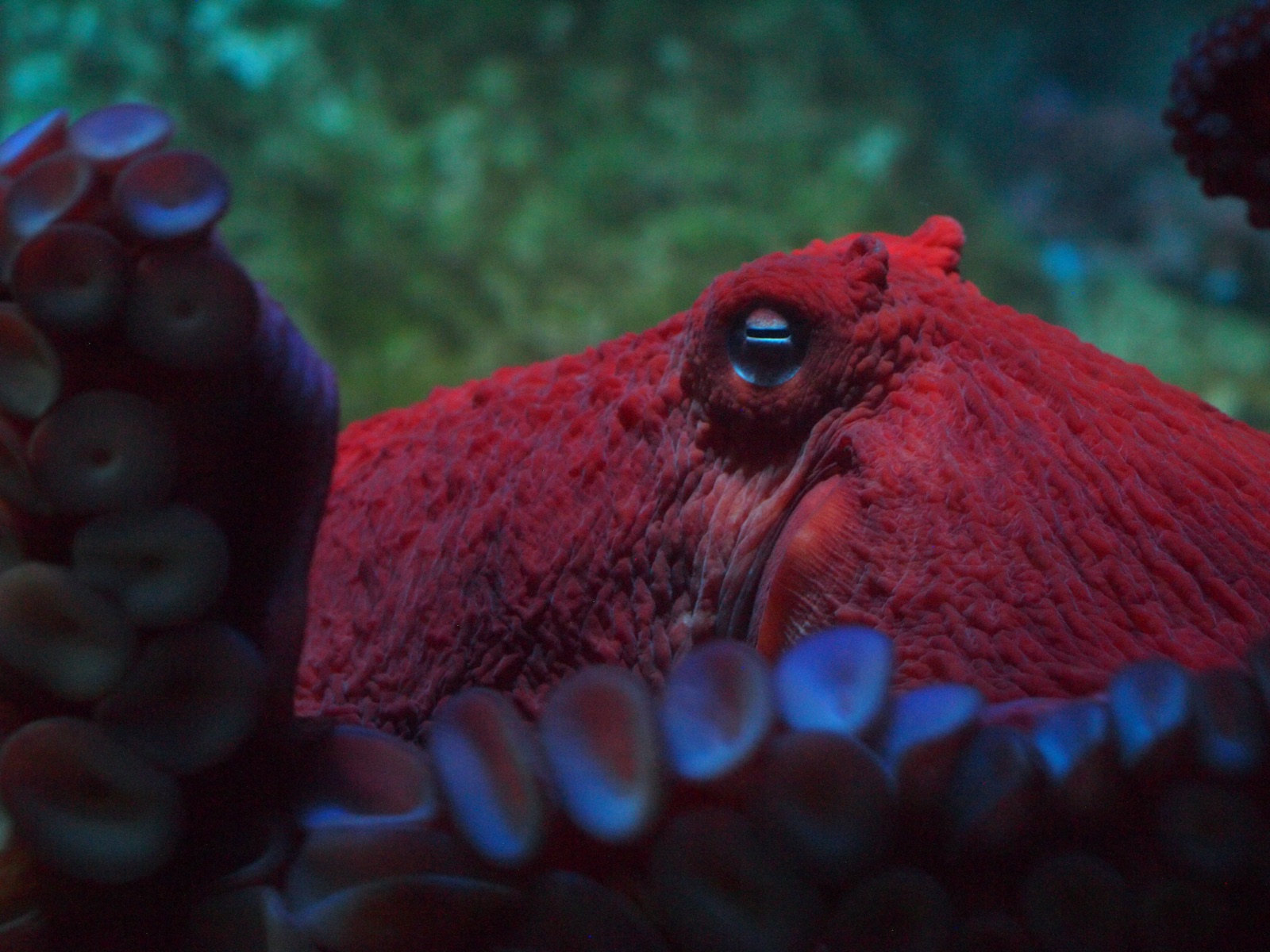
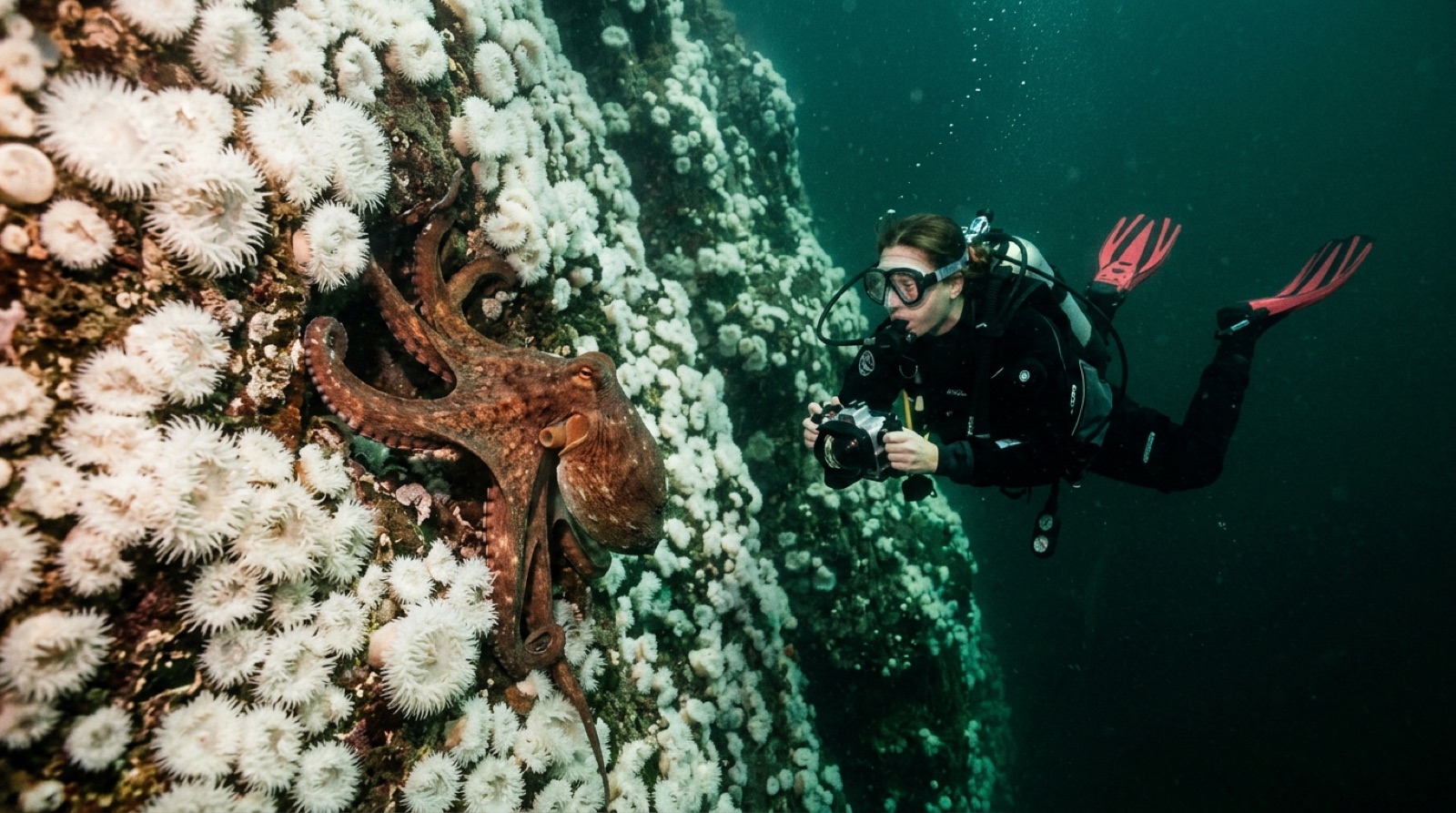
Canada's Pacific coast is cold-water diving at its most theatrical. Emerald water, 10 degrees on a good day, hides what Jacques Cousteau's team famously ranked among the best temperate diving on earth: walls sheathed in white plumose anemones, giant Pacific octopus in dens the size of ovens, wolf eels that meet divers at arm's length, and cloud sponges found nowhere shallower. British Columbia's fjords and channels concentrate nutrient-rich currents that feed all of it, and winter, when plankton dies back, turns the water shockingly clear. This is drysuit country with real tides and real planning, mediated by a small, expert charter fleet out of Vancouver Island and the Sunshine Coast. Divers who make the effort tend to come back annually; the biomass per dive rivals the tropics, just in colder colors.
British Columbia is the registry destination: the diving concentrates around Vancouver Island and the mainland inlets, from Nanaimo's artificial reefs and Dodd Narrows to Campbell River's current-swept walls, Port Hardy and Browning Pass in the north, and the sponge-covered reaches of Howe Sound near Vancouver. Slack-tide timing governs everything; charters plan dives to the minute.
Signature experiences: Giant Pacific octopus encounters; wolf eels on Vancouver Island reefs; the anemone-carpeted walls of Browning Pass; sunken-navy artificial reefs off Nanaimo; winter visibility that can pass 20 meters; sea lions buzzing divers like underwater dogs off Hornby Island in season.
Seasons: Diving runs all year, but autumn through early spring brings the famous visibility once summer plankton blooms fade; summer diving is warmer topside with greener water. Sea lion season around Hornby Island peaks in late winter. Every dive is scheduled around tidal slack.
The destinations
Standout dive sites
| Site | Destination | Type | Depth | Level |
|---|---|---|---|---|
| Browning Wall | British Columbia | Wall | 5–30 m | Intermediate |
| Dillon Rock | British Columbia | Pinnacle | 5–21 m | Intermediate |
| Seven Tree Island | British Columbia | Wall | 6–26 m | Intermediate |
| Skookumchuck Narrows (Sechelt Rapids) | British Columbia | Channel | 10–25 m | Advanced |
| Whytecliff Park | British Columbia | Shore | 5–35 m | Beginner |
Every charted site in Canada →
Marine life
The practical file
Getting there: Fly into Vancouver (YVR), then reach dive hubs by ferry, floatplane, or road: Nanaimo and Victoria on Vancouver Island, Campbell River and Port Hardy further north, or the Sunshine Coast an hour from the city. Rental cars make the island logistics easy.
Entry & visas: Visa-exempt visitors arriving by air generally need an Electronic Travel Authorization (eTA), while US citizens are exempt from that; other nationalities require visas. Verify current requirements before travel.
What diving costs: Two-tank charter trips typically run about USD 100-160, with drysuit rental and airfills extra; multi-day trips to remote areas like Port Hardy cost more and are usually packaged with lodging.
Language: English is the working language in British Columbia; French is co-official federally but rarely needed here.
Tipping: Tipping 15-20 percent is standard in restaurants; charter crews and guides are commonly tipped around 10 percent, especially on multi-day trips.
Travel safety: Canada is exceptionally safe topside; the risks are environmental. Cold water demands drysuit competence or supervised experience, currents in the passes are strong enough to be dangerous outside slack windows, and remote sites are far from help. Boat traffic, logging debris, and hypothermia round out the briefing. Choose charters that know the tides and dive within their plan.
Recompression cover: Hyperbaric medicine is available at Vancouver General Hospital, the region's established chamber for dive injuries. Availability changes; in an emergency call 911 and DAN, and let EMS coordinate transport from the islands or coast.