Dalış yapılan yer Japan
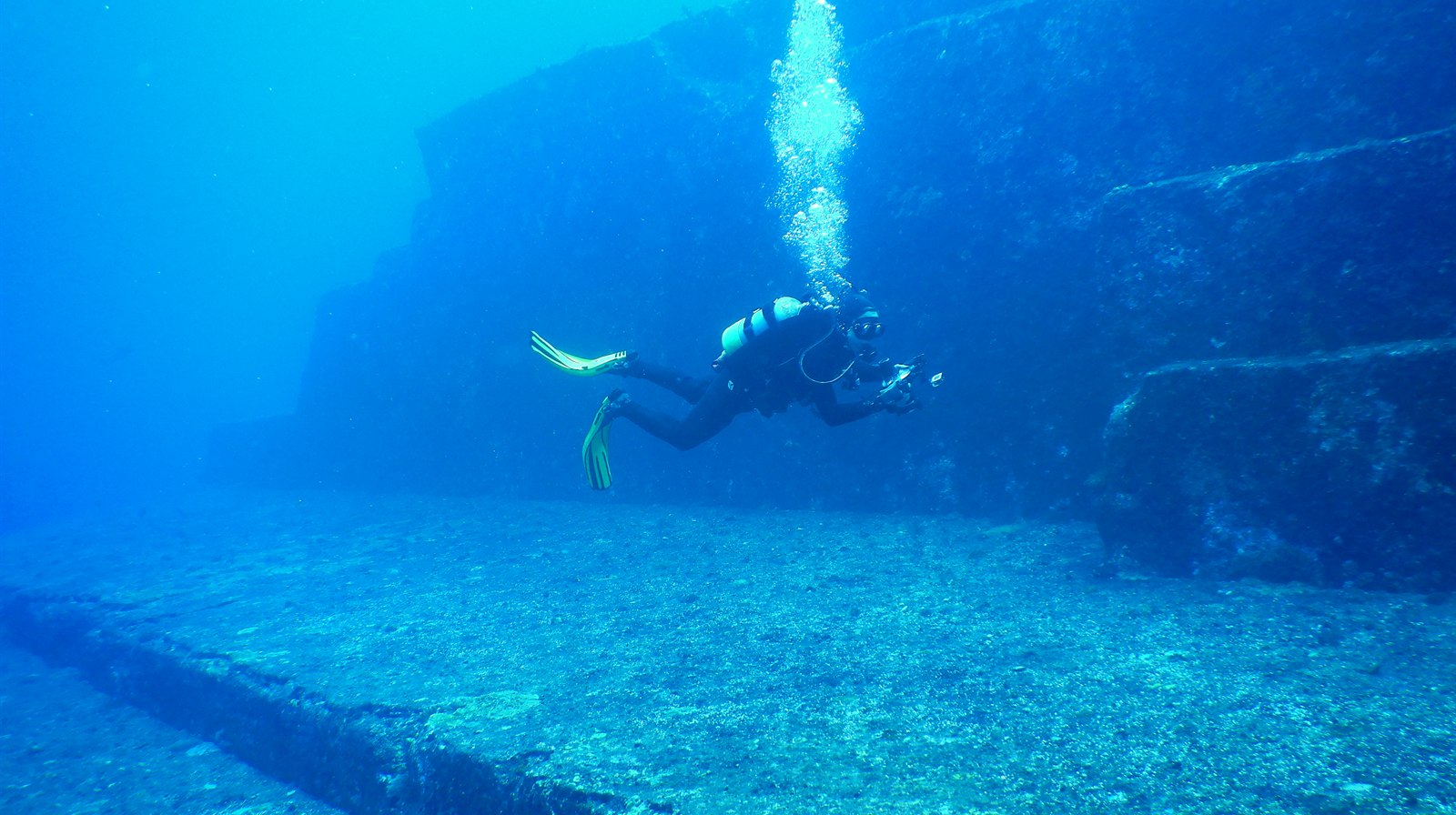
Japan's diving is a well-kept secret hiding behind its own tourism industry. The Okinawan archipelago in the subtropical south offers Kerama Islands water of startling clarity, coral gardens, and winter humpback song, while distant Yonaguni pairs schooling hammerheads with the enigmatic stepped monument that divers argue about over dinner: natural geology or ancient masonry. On the main island, the Izu Peninsula puts soft-coral reefs, frogfish, and seasonal pelagics within a train ride of Tokyo, diving in a distinctly Japanese idiom of guided shore entries, meticulous logbooks, and post-dive onsen soaks. Water spans cold-temperate to fully tropical, seasons matter everywhere, and English is thinner than in mainstream destinations, but operators in the international hubs bridge the gap. Divers who add Japan to a culture trip tend to be surprised it is not famous for this.
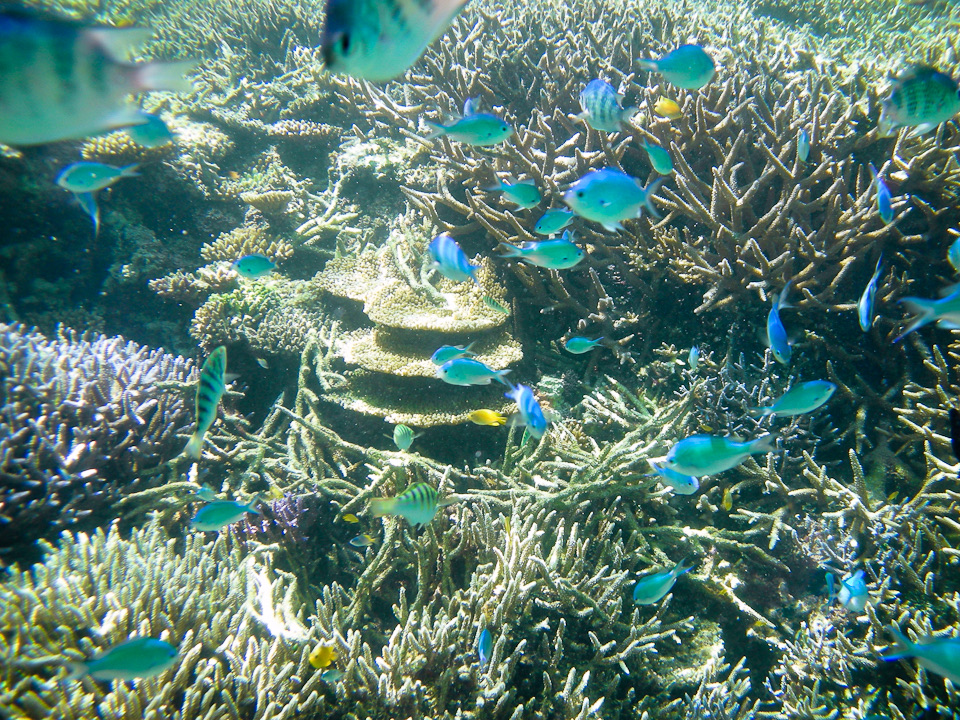
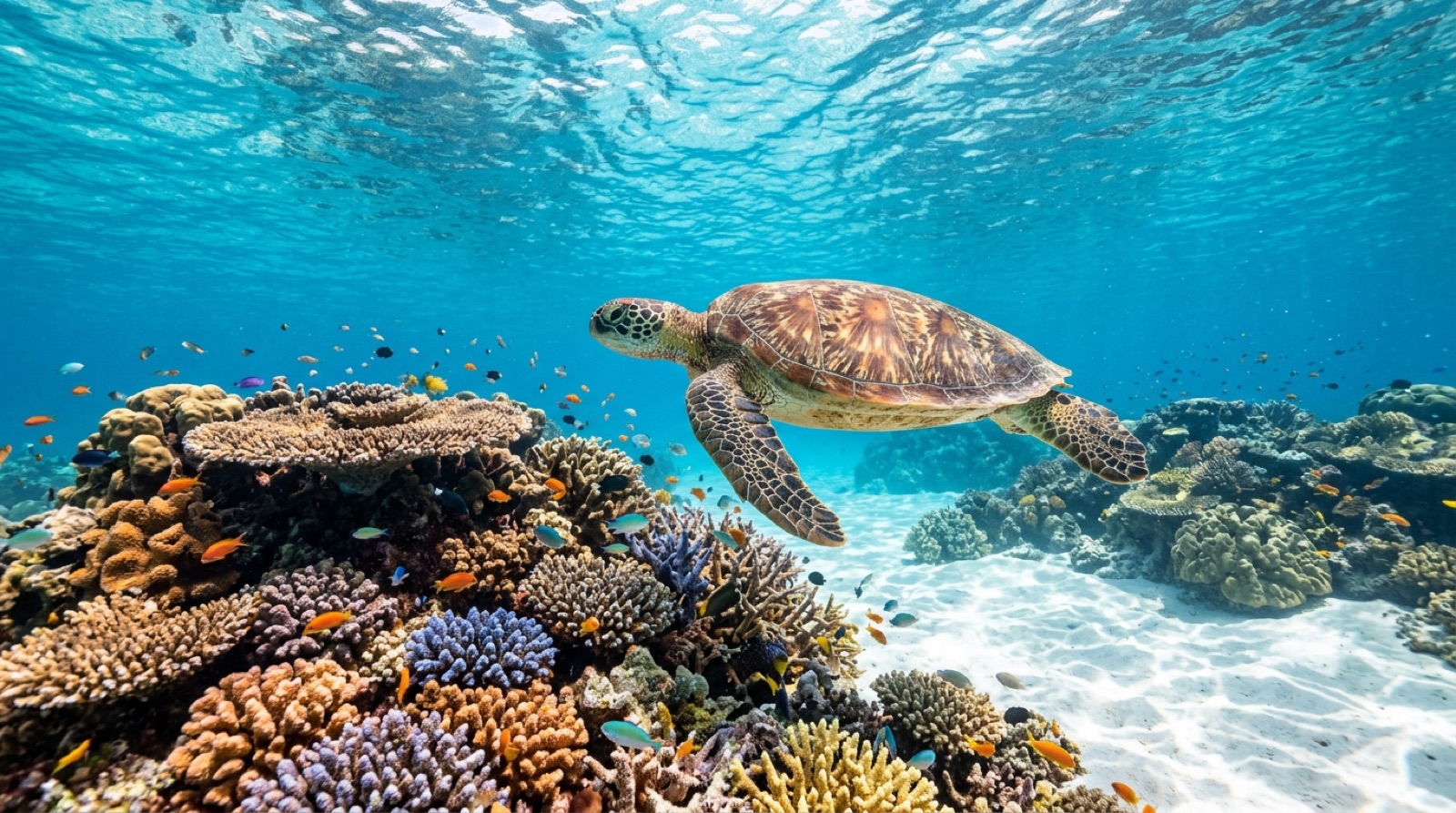
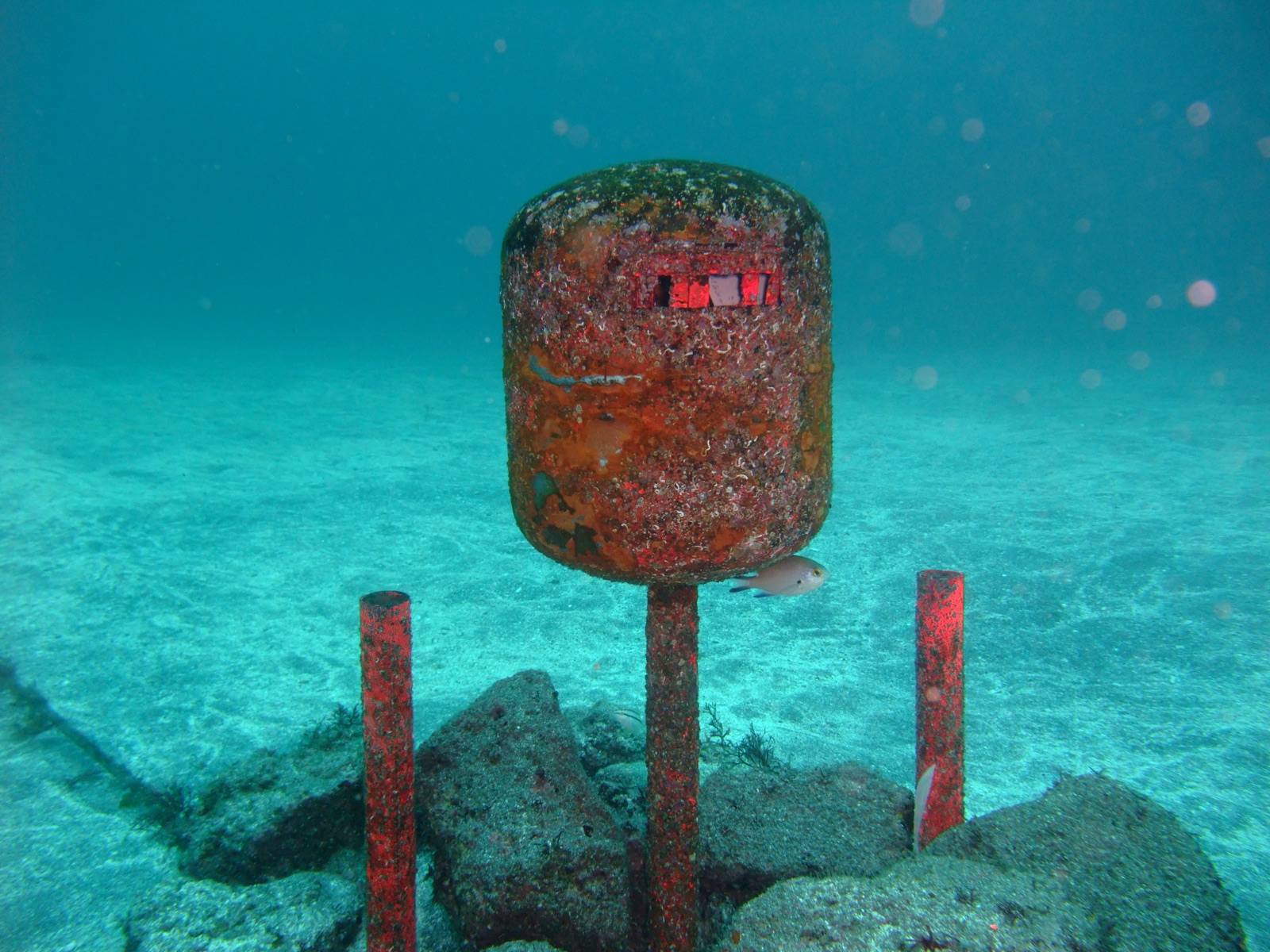
Okinawa and the Kerama Islands anchor the south with white-sand channels, coral bommies, and boat diving out of Naha; the Keramas' clarity is the trademark. Yonaguni, Japan's westernmost island, offers the submerged monument and winter hammerhead schools. The Izu Peninsula, southwest of Tokyo, is the honshu heartland: shore-entry sites like those around Izu's east coast, kelp-and-soft-coral rock reefs, and a strong local guiding culture.
Öne çıkan deneyimler: Circling the terraces of the Yonaguni Monument; hammerhead schools off Yonaguni between roughly December and May; Kerama channels in glass-clear water with turtles; humpback whale song bleeding into winter dives near the Keramas; Izu shore dives followed by hot-spring baths.
Sezonlar: Okinawa dives year-round with its warmest, busiest window from spring through autumn; typhoons can interrupt July through October. Yonaguni's marquee hammerhead season is winter, roughly December through May, in sportier seas. Izu peaks in autumn when the Kuroshio current brings warmth, visibility, and tropical drift-ins.
Destinasyonlar
Okinawa & the Kerama Islands
Izu Peninsula
Yonaguni
Öne çıkan dalış noktaları
| Nokta | Destinasyon | Tür | Derinlik | Seviye |
|---|---|---|---|---|
| Blue Cave | Okinawa & the Kerama Islands | Cave | 2–25 m | Beginner |
| Manza Dream Hole | Okinawa & the Kerama Islands | Cave | 5–26 m | Advanced |
| Nishibama | Okinawa & the Kerama Islands | Reef | 5–25 m | Beginner |
| Sunabe Seawall | Okinawa & the Kerama Islands | Reef | 3–15 m | Beginner |
| Futo | Izu Peninsula | Reef | 3–25 m | Beginner |
| Irizaki | Yonaguni | Blue water | 15–40 m | Advanced |
| Izu Oceanic Park | Izu Peninsula | Reef | 5–40 m | Beginner |
| Mikomoto Island | Izu Peninsula | Reef | 12–40 m | Advanced |
| Osezaki | Izu Peninsula | Muck | 3–40 m | Beginner |
| Yonaguni Monument | Yonaguni | Reef | 5–26 m | Advanced |
Tüm haritalanmış noktalar: Japan →
Deniz yaşamı
Pratik dosya
Oraya ulaşmak: Enter via Tokyo (HND/NRT) or Osaka (KIX). Okinawa's Naha (OKA) is the southern hub, with onward flights to Yonaguni (OGN) via Naha or Ishigaki. Izu is reached from Tokyo by train or car in a few hours. Book island flights early in holiday seasons.
Giriş & vizeler: Many nationalities, including US, Canadian, UK, EU, and Australian citizens, typically enter visa-free for short tourist stays. Verify current requirements before travel.
Dalışın maliyeti: Two-tank boat days typically run about USD 110-160 depending on region and exchange rates, with gear rental and guiding often itemized separately; remote islands add domestic airfare.
Dil: Japanese is the national language; English works at internationally oriented dive shops in Okinawa and the main hubs but is limited elsewhere, so booking English-speaking guides ahead pays off.
Bahşiş: Do not tip in Japan; it is not part of the culture and can cause genuine awkwardness. A polite thank-you and repeat business are the currency.
Seyahat güvenliği: Japan is one of the safest countries anywhere; lost wallets come back. Environmental factors do the risk work: typhoon season can rearrange itineraries, winter crossings to Yonaguni are rough, and habu jellyfish and stonefish warrant attention in Okinawan shallows in summer. Japanese operators are conservative and rule-bound; bring certification cards and logbooks, as they will actually check.
Recompresyon güvencesi: Japan maintains hyperbaric facilities across the country, including options serving Okinawa's dive community and hospital-based chambers on the mainland. Availability changes; emergencies route through 119, the operator, and DAN Japan's network.