Plongée en Federated States of Micronesia
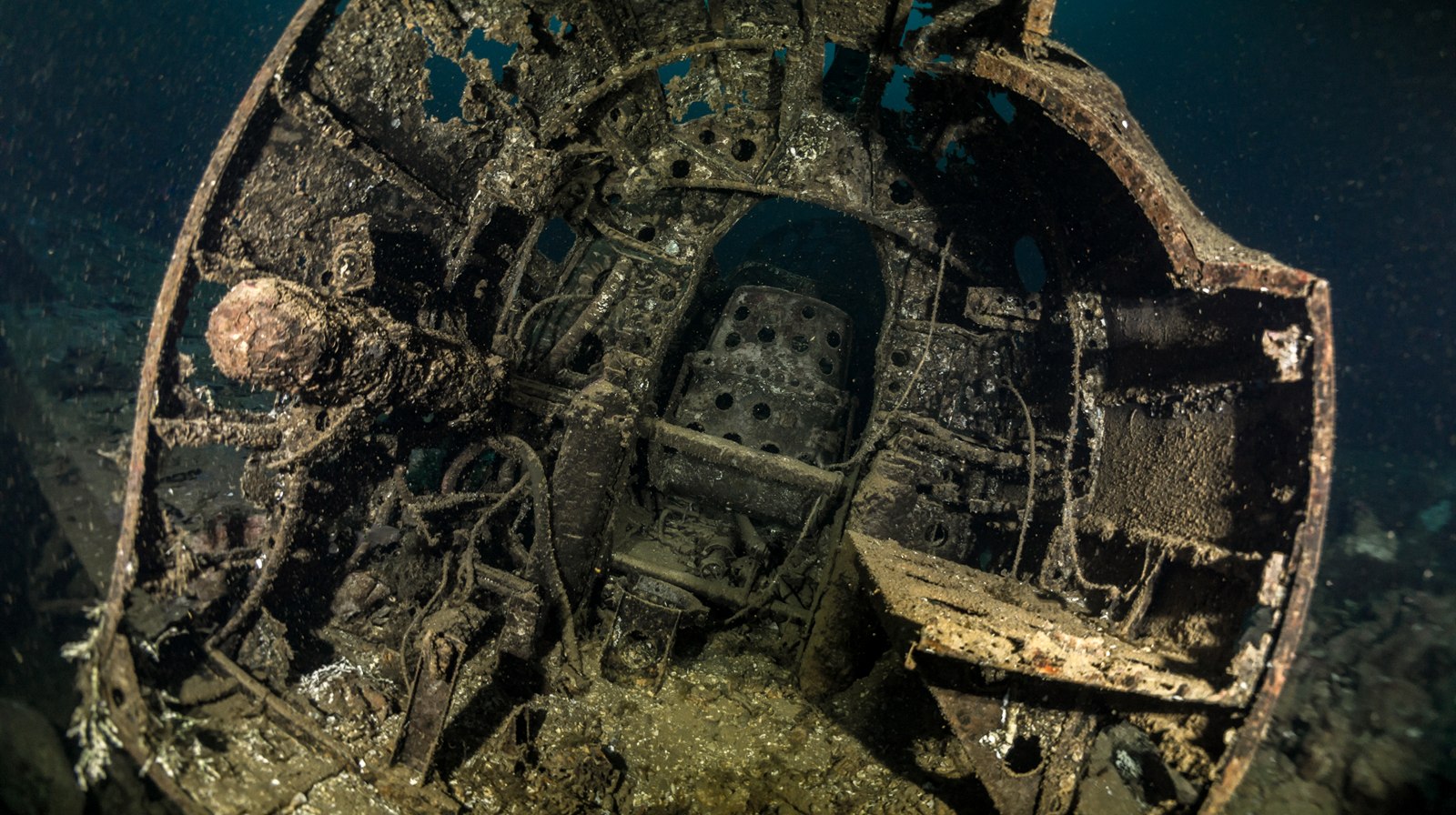
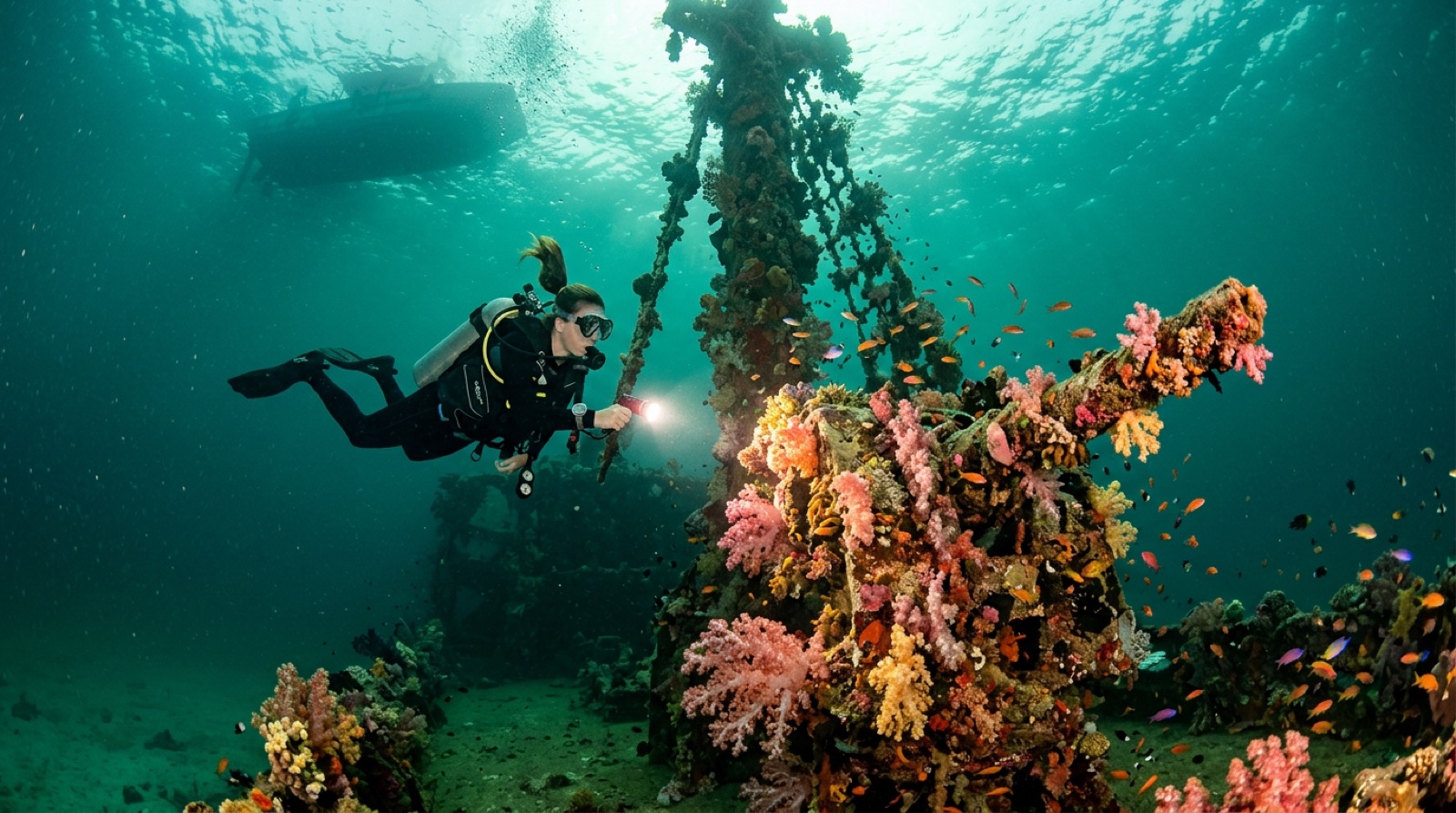
The Federated States of Micronesia guard two of diving's genuine pilgrimages an ocean apart in character. Chuuk Lagoon, wartime Truk, holds the greatest wreck fleet ever assembled underwater: more than 40 Japanese ships and dozens of aircraft sunk by the US carrier raids of Operation Hailstone in February 1944, resting in warm, calm lagoon water with cargo holds still stacked with tanks, trucks, gas masks, and sake bottles. Coral has upholstered the masts into reef towers. West across the Carolines, Yap offers the opposite spectacle: living giants, with resident reef manta rays cleaning and feeding in its channels through a season that peaks in winter, plus mandarin fish, sharks, and a proudly traditional island culture. Both destinations are small, slow, and far away; that remoteness is precisely why they remain what they are.
Chuuk (Truk) Lagoon is the wreck capital: land-based operators and liveaboards work the ghost fleet from the shallow, coral-dressed Fujikawa Maru class of dives down to deep technical icons like the San Francisco Maru with its tanks on deck. Yap centers on the manta channels, Mi'il and Goofnuw, with reef walls and gray reef sharks at Vertigo rounding out the week.
Expériences emblématiques: Descending into the Fujikawa Maru's holds past fighter fuselages; the San Francisco Maru's cargo of tanks and trucks for the technically trained; masts wrapped in soft coral rising toward the light; Yap's mantas holding over cleaning stations in the winter season; mandarin fish flashing at dusk.
Saisons: Both areas dive year-round in warm lagoon-sheltered water; the drier trade-wind season, roughly December through April, brings the most settled conditions and coincides with Yap's peak manta activity around the winter mating season. Summer and autumn are wetter, with typhoon influence more a disruption risk than a closure.
Les destinations
Sites de plongée incontournables
| Site | Destination | Type | Profondeur | Niveau |
|---|---|---|---|---|
| Fujikawa Maru | Chuuk (Truk) Lagoon | Wreck | 9–34 m | Intermediate |
| Heian Maru | Chuuk (Truk) Lagoon | Wreck | 12–34 m | Intermediate |
| Nippo Maru | Chuuk (Truk) Lagoon | Wreck | 28–48 m | Advanced |
| San Francisco Maru | Chuuk (Truk) Lagoon | Wreck | 45–63 m | Technical |
| Shinkoku Maru | Chuuk (Truk) Lagoon | Wreck | 11–38 m | Intermediate |
| Goofnuw Channel | Yap | Channel | 5–18 m | Intermediate |
| Mi'il Channel | Yap | Channel | 5–20 m | Intermediate |
| Vertigo | Yap | Wall | 5–30 m | Intermediate |
| Yap Caverns | Yap | Reef | 5–30 m | Intermediate |
Chaque site répertorié en Federated States of Micronesia →
Vie marine
Épaves
Le dossier pratique
Comment s'y rendre: United's island-hopper and Guam connections are the spine: fly via Guam (or Honolulu's hopper route) into Chuuk (TKK) or Yap (YAP). Schedules are thin, so itineraries build around flight days, and operators meet every arrival. Inter-state travel within FSM also runs through these same few flights.
Entrée & visas: The FSM, freely associated with the United States, grants many visitors entry permission on arrival for tourist stays. Verify current requirements for your nationality and onward-ticket rules before travel.
Le coût de la plongée: Two-tank boat dives typically run about USD 120-180 at either destination, with liveaboards in Chuuk and multi-day packages pricing higher; the airfare chain is usually the biggest cost in the trip.
Langue: English is the official working language alongside Chuukese, Yapese, and other local languages; dive operations run in English.
Pourboires: Tipping is not traditional but has become customary in dive tourism; guides and boat crews appreciate an end-of-week tip in dollars.
Sécurité en voyage: Both states are low-crime and conservative; in Yap especially, dress modestly in villages and ask before photographing people or land, since custom governs much of daily life. Chuuk's town areas warrant ordinary care after dark. Medical facilities are basic, evacuation runs through Guam, and the deep wrecks reward technical training rather than improvisation. The fleet is also a war grave for thousands of Japanese sailors and workers: penetrate respectfully, touch nothing, and leave artifacts and remains exactly where they lie.
Couverture caisson hyperbare: Chamber provision within FSM has been limited and intermittent; the dependable hyperbaric and hospital resources sit in Guam, an evacuation flight away. Availability changes; dive conservative profiles, carry DAN coverage, and route emergencies through your operator.