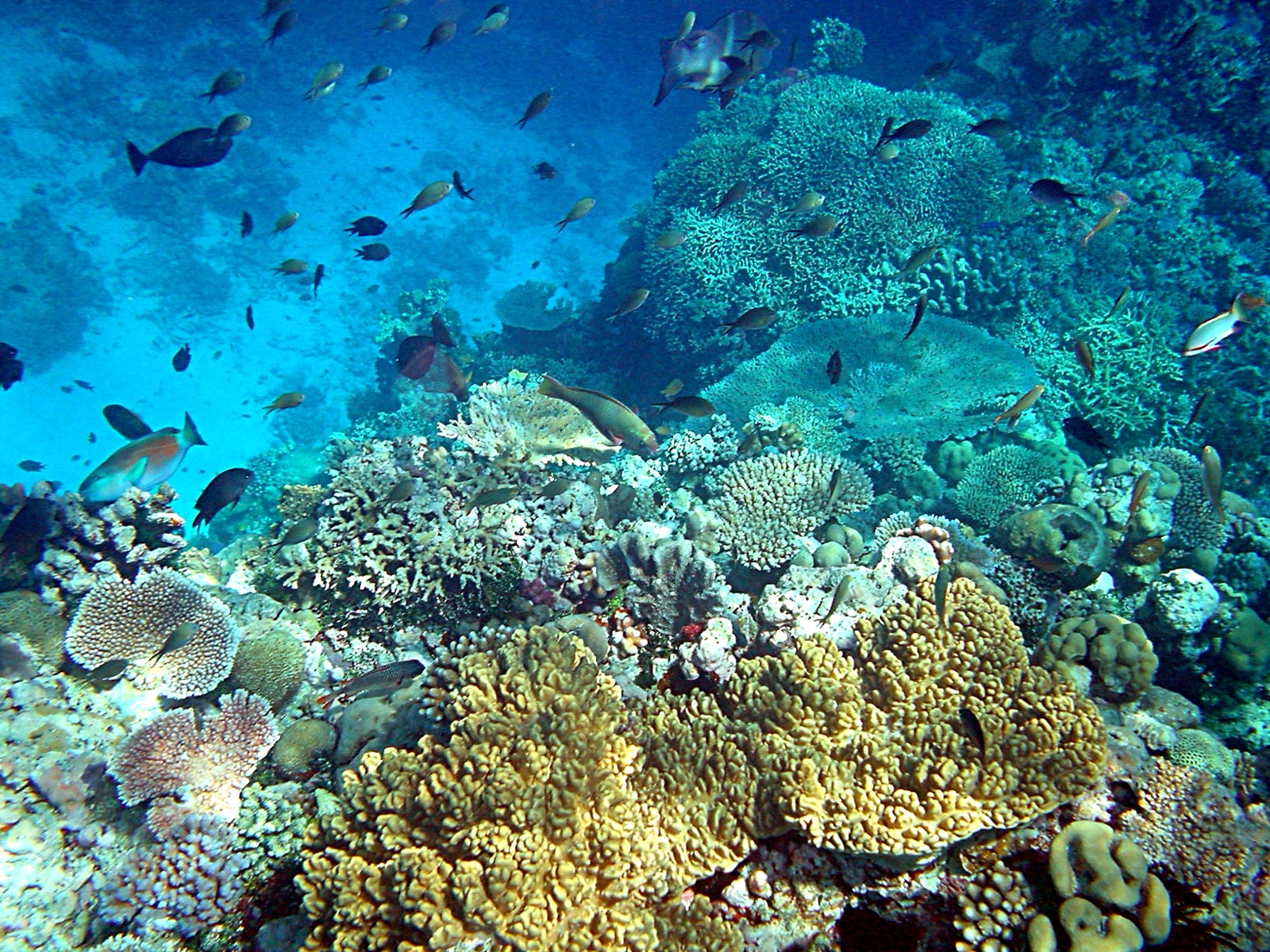
Buceando en Papua New Guinea
Papua New Guinea sits inside the Coral Triangle's richest waters and remains one of diving's last uncrowded frontiers. Kimbe Bay's seamounts rise from deep water wrapped in sea fans and anthias, with resident reef fish diversity that helped make the bay a marine-science landmark. Milne Bay is where the term muck diving was coined, and its dark-sand slopes still produce rhinopias, ghost pipefish, and octopus theater alongside coral reefs and WWII debris. Between them lie barrier reefs, fjord-like bays, and wrecks from the Pacific war. Logistics are the price of admission: internal flights, remote resorts, and liveaboards make this an expensive, planning-heavy trip. Divers who accept that trade routinely rank PNG among the best reef and critter diving they have done.
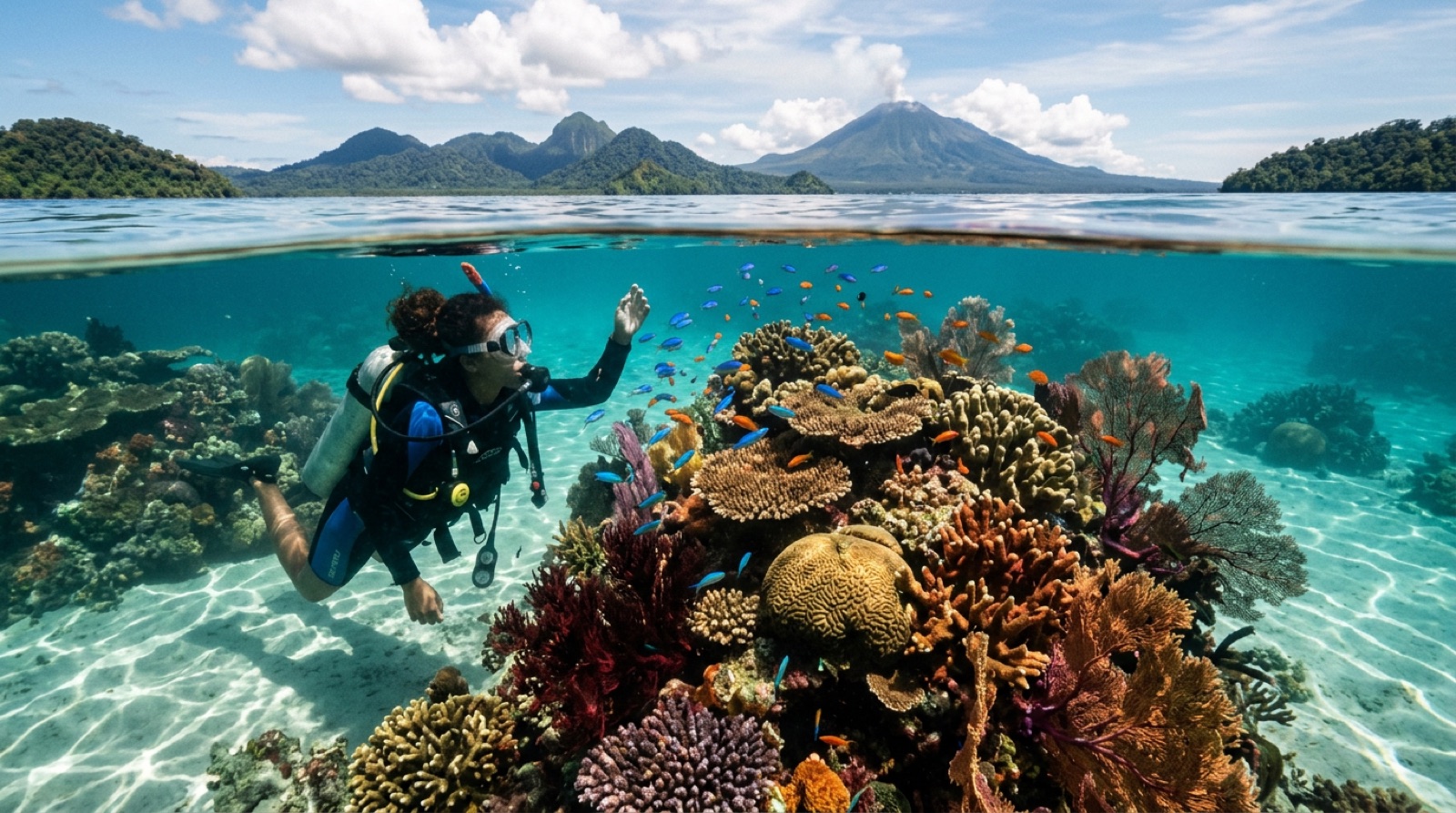
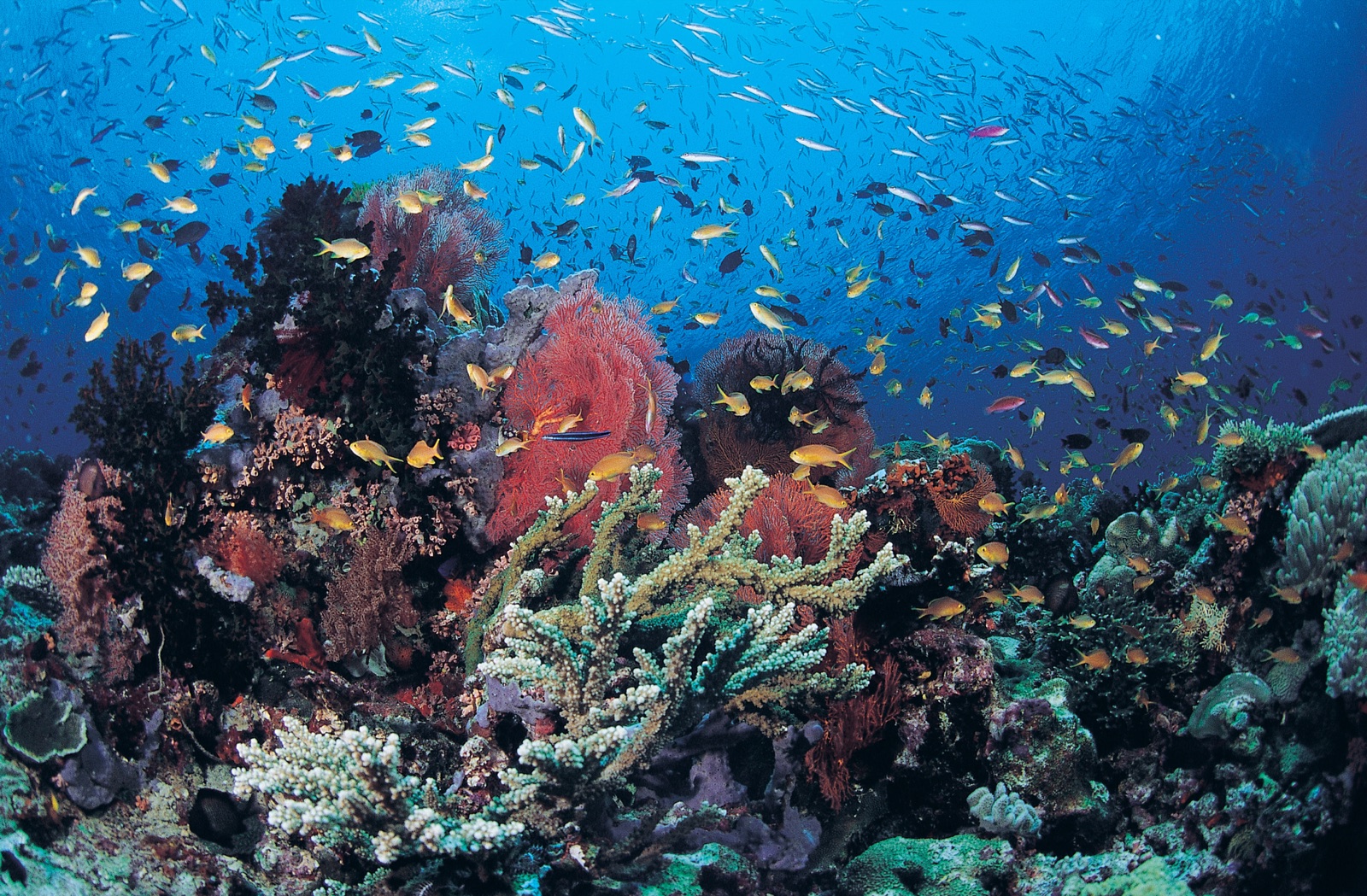
Two registry destinations lead. Kimbe Bay, on New Britain's north coast near Walindi, is reef and seamount country: coral-covered pinnacles in calm, deep-blue water, dived by resort boats and liveaboards. Milne Bay, at the mainland's eastern tip around Alotau, mixes pioneering muck sites with reefs and wartime remnants, much of it best covered by liveaboard.
Experiencias distintivas: Hovering over a Kimbe seamount as anthias mist the coral; finding a rhinopias on a Milne Bay black-sand slope; baitfish clouds around jetty pilings; WWII aircraft wrecks in shallow water; village visits and birds-of-paradise country between dives.
Temporadas: Somewhere in PNG is diveable all year; seasons differ by coast. Broadly, the northwest monsoon (roughly December-March) and the strongest southeast trades (mid-year) each affect some areas, with the shoulder months of April-June and September-November the most reliable compromise. Kimbe Bay is sheltered much of the year; Milne Bay conditions swing more with the trades.
Los destinos
Kimbe Bay
Milne Bay
Puntos de buceo destacados
| Sitio | Destino | Tipo | Profundidad | Nivel |
|---|---|---|---|---|
| Inglis Shoal | Kimbe Bay | Seamount | 12–35 m | Intermediate |
| Susan's Reef | Kimbe Bay | Reef | 5–25 m | Beginner |
| Vanessa's Reef | Kimbe Bay | Reef | 8–26 m | Beginner |
| Zero Fighter Wreck | Kimbe Bay | Wreck | 14–18 m | Beginner |
| B-17 Black Jack | Milne Bay | Wreck | 42–48 m | Technical |
| Deacon's Reef | Milne Bay | Reef | 3–25 m | Beginner |
| Dinah's Beach | Milne Bay | Muck | 2–25 m | Beginner |
| Samarai Wharf | Milne Bay | Muck | 3–20 m | Beginner |
Todos los puntos cartografiados en Papua New Guinea →
Vida marina
Pecios
El archivo práctico
Cómo llegar: Fly to Port Moresby (POM), reached via Brisbane, Singapore, and other regional hubs, then connect domestically: Hoskins for Kimbe Bay, Gurney (Alotau) for Milne Bay. Internal schedules change and misconnect; build buffer days around dive bookings.
Entrada y visados: PNG has offered eVisa and visa-on-arrival channels for many nationalities, but arrangements change; verify current requirements through official PNG immigration sources well before travel.
Cuánto cuesta bucear: Costs run high: international and internal flights, remote dive resorts commonly hundreds of US dollars per night with diving packages, and liveaboards priced comparably to Indonesia's top end. Budget travel exists but rarely intersects with the dive infrastructure.
Idioma: Tok Pisin, English, and Hiri Motu are official, with over 800 local languages; English works throughout the dive industry.
Propinas: Tipping is not a traditional practice; resorts and liveaboards often suggest a pooled staff gratuity, which is the cleanest way to give.
Seguridad en el viaje: A balanced read: urban crime in Port Moresby and Lae is a genuine concern, so use arranged transfers, avoid walking at night, and keep valuables out of sight. Dive resorts, liveaboards, and their communities are a different world (remote, welcoming, and long accustomed to visitors), and incidents involving traveling divers there are rare. Check current advisories, carry malaria precautions after medical advice, and expect thin infrastructure outside towns.
Cobertura de recompresión: Reliable recompression treatment in-country cannot be assumed; serious cases are typically evacuated to Australia. Comprehensive dive-accident and evacuation insurance is essential, with emergencies coordinated through your operator and DAN.