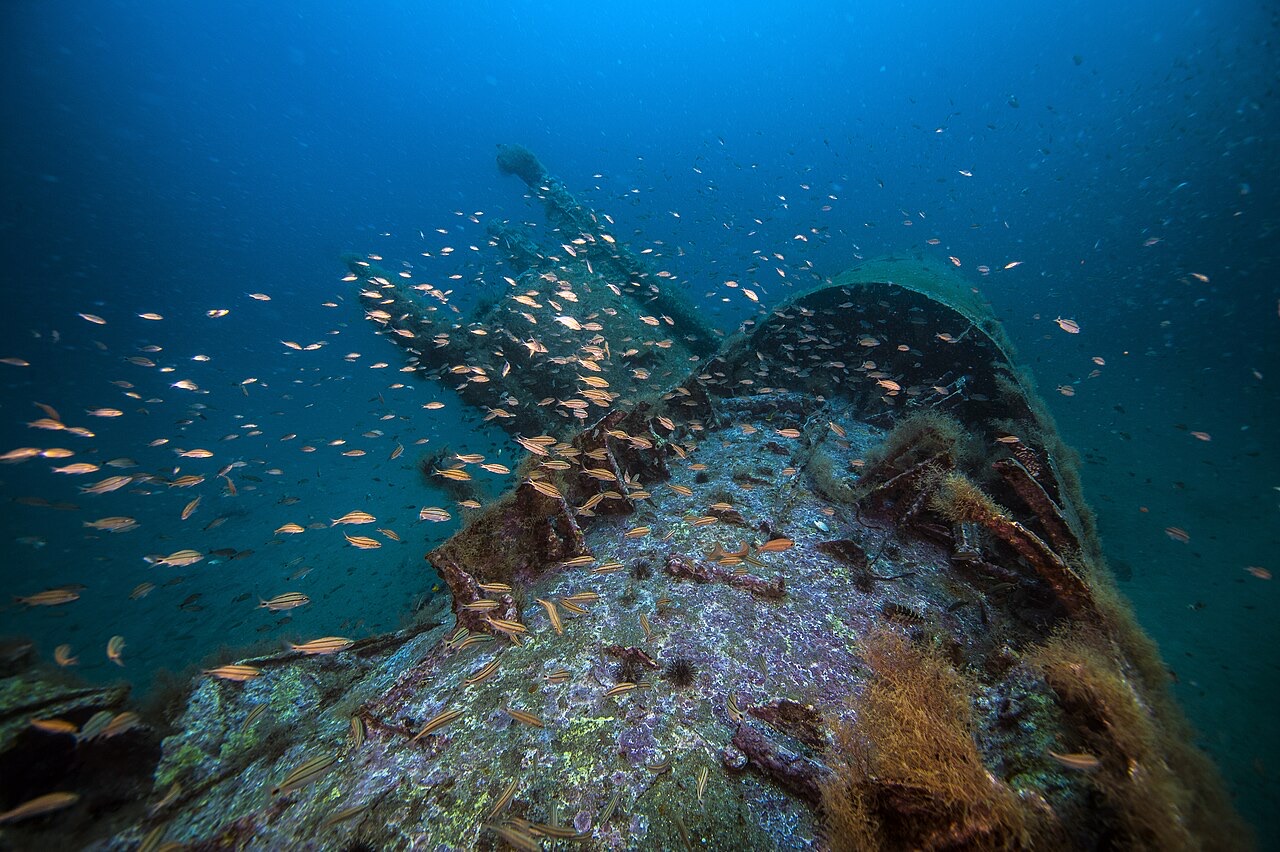
North Carolina Outer Banks
Off North Carolina's Outer Banks and Crystal Coast, the Gulf Stream sweeps warm blue water over the Graveyard of the Atlantic - hundreds of shipwrecks from centuries of storms, shoals, and two world wars. The draw is a combination found nowhere else in the United States: intact U-boats like U-352, torpedoed freighters, and artificial reefs, nearly all patrolled by placid sand tiger sharks. It is seasonal, weather-dependent, boat-based diving that rewards planning and repays it in full.
Why dive here
This is wreck diving with teeth, gently. Sand tiger sharks - big, snaggle-toothed, and utterly calm - aggregate on the wrecks in numbers that can pass a hundred, hanging motionless in the water column while divers drift among them. The wrecks themselves tell the story of the Battle of the Atlantic's forgotten American chapter: U-352, sunk by the Coast Guard cutter Icarus in May 1942, lies listing in 35 m of usually-blue water; the Caribsea, torpedoed the same spring, is now the state's most reliable shark haunt. Summer Gulf Stream water runs 24-28 C with 15-30 m visibility on the offshore sites - conditions that surprise divers expecting murky Atlantic diving. The price is commitment: sites sit 30-45 km offshore, seas cancel trips, the season effectively runs May to October, and most wrecks lie at 27-38 m. Divers who put in the effort get the closest thing America has to Truk with sharks.
Month by month
Charters run roughly May through October, weather permitting; June-September offers the warmest water and the most reliable Gulf Stream conditions. Winter diving is rare: cold, rough, and short on boats.
| Month | Water | Visibility | What it's like |
|---|---|---|---|
| May●●●○○ | 18–23 °C / 64–73 °F | 10–20 m | Season opens; water still mixed, wetsuit-thick diving. |
| June●●●●○ | 21–26 °C / 70–79 °F | 15–25 m | |
| July●●●●● | 24–27 °C / 75–81 °F | 15–30 m | Gulf Stream blue on the offshore wrecks. |
| August●●●●● | 25–28 °C / 77–82 °F | 18–30 m | Warmest water; sand tigers thick on the ledges. |
| September●●●●○ | 24–27 °C / 75–81 °F | 15–30 m | Prime diving between tropical systems: stay flexible. |
| October●●●○○ | 21–25 °C / 70–77 °F | 12–25 m | |
| November●●○○○ | 18–22 °C / 64–72 °F | 10–20 m | Season winds down; scarce weather windows. |
Monthly figures confidence: Editorial estimate. Months without a row have no verified data. We would rather show a gap than invent one.
The dive sites (5)
| Site | Type | Depth | Level | Access | |
|---|---|---|---|---|---|
| Aeolus Steel canyons full of sand tigers, open broken-wreck structure, dependable… | Wreck | 24–34 m | Advanced | Boat | |
| Caribsea Sand tigers by the dozen, dense baitfish clouds, a moving chapter of the… | Wreck | 25–27 m | Advanced | Boat | |
| Proteus Century-old steamer bones in blue water, sand tigers over the machinery… | Wreck | 33–38 m | Advanced | Boat | |
| U-352 An authentic U-boat casualty of the Battle of the Atlantic, often in blue… | Wreck | 30–35 m | Advanced | Boat | |
| USCGC Spar An upright, easily navigated cutter with resident sand tigers | Wreck | 26–33 m | Advanced | Boat |
Marine life you can plan around
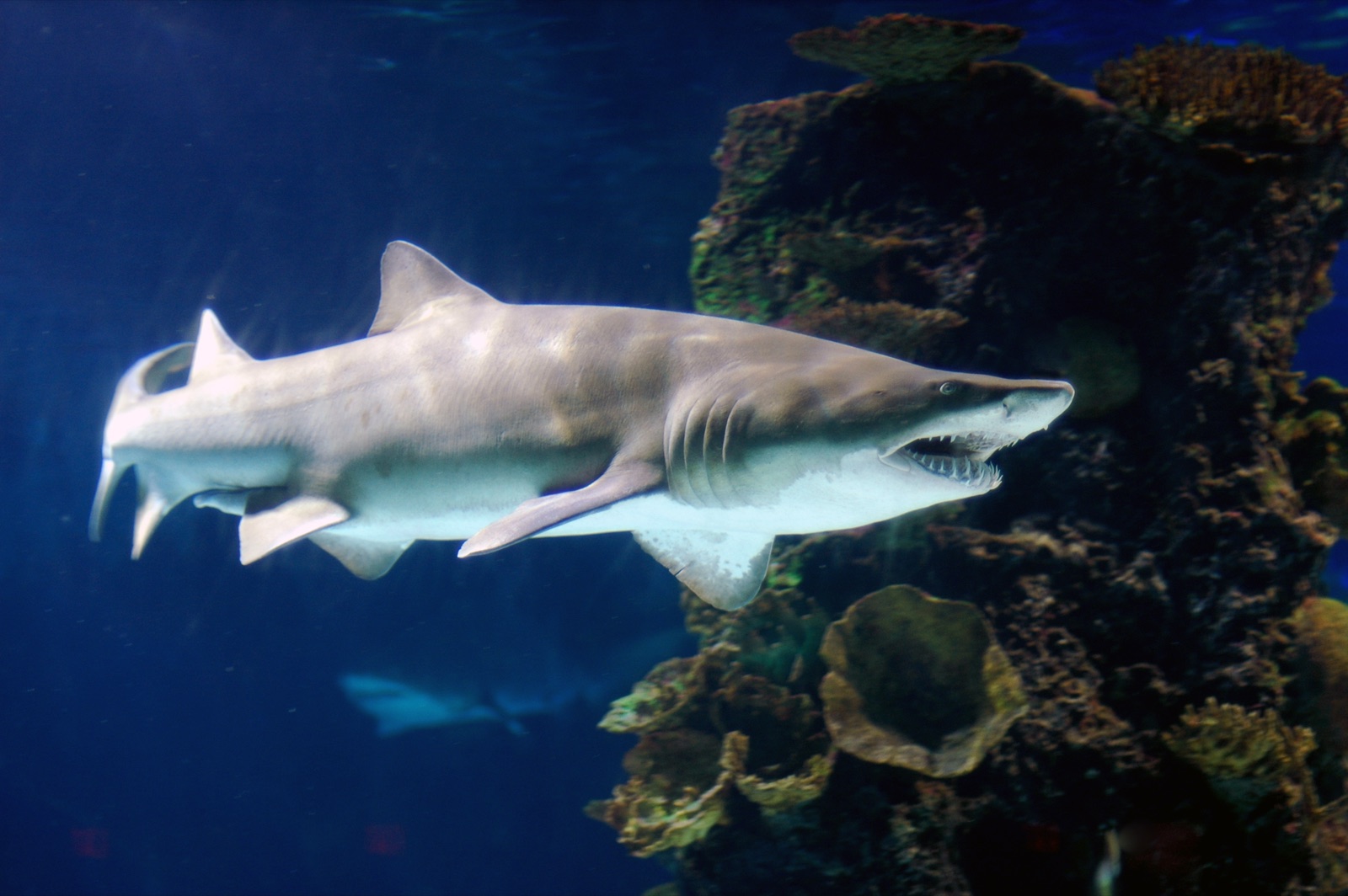
Sand Tiger (Ragged-Tooth) Shark
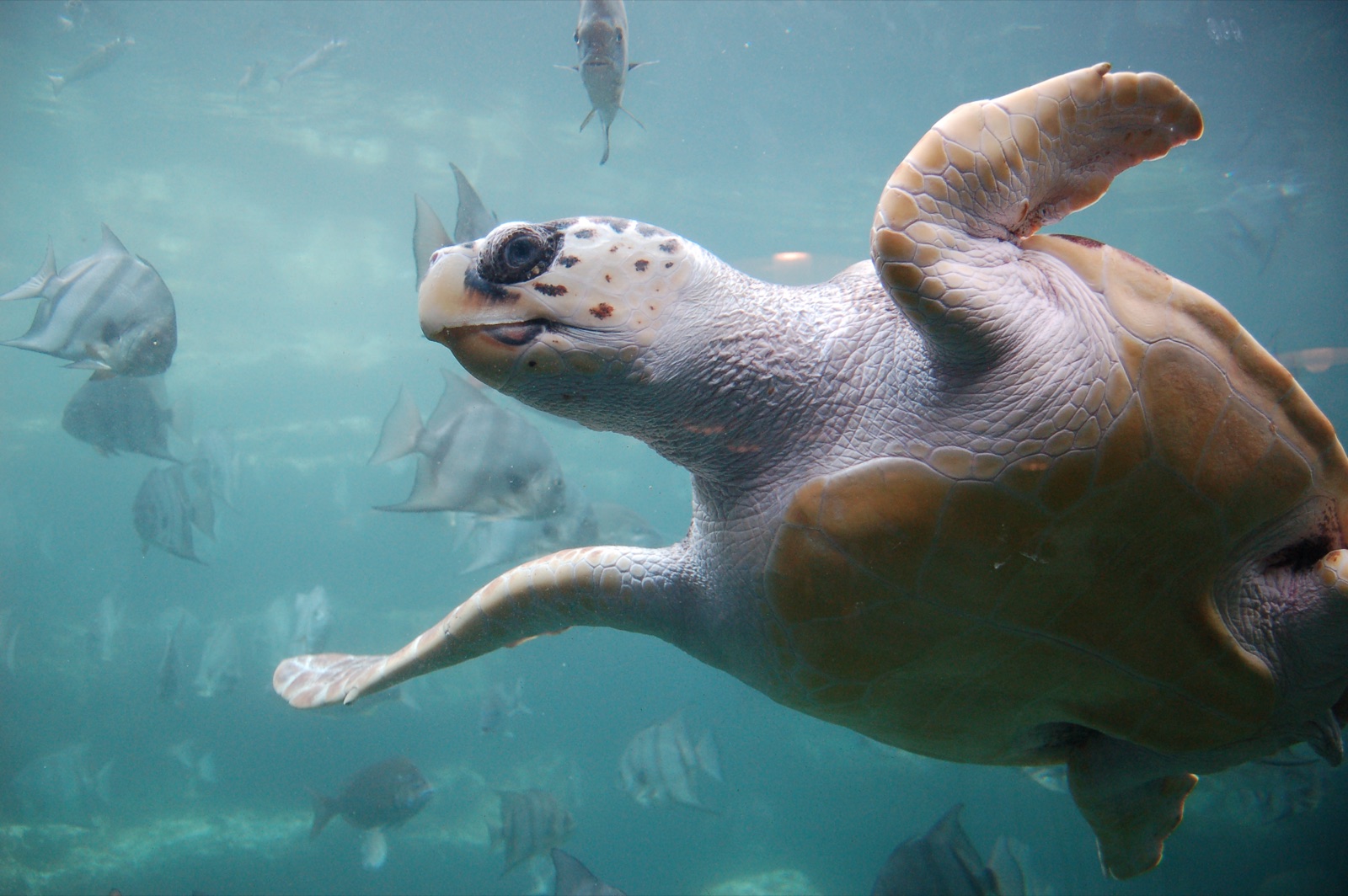
Loggerhead Turtle
Sand tiger sharks in aggregations, great barracuda, southern stingrays, huge baitfish clouds, amberjack and other big jacks, sea turtles in passing, and warm-water strays delivered by the Gulf Stream.
Wrecks here
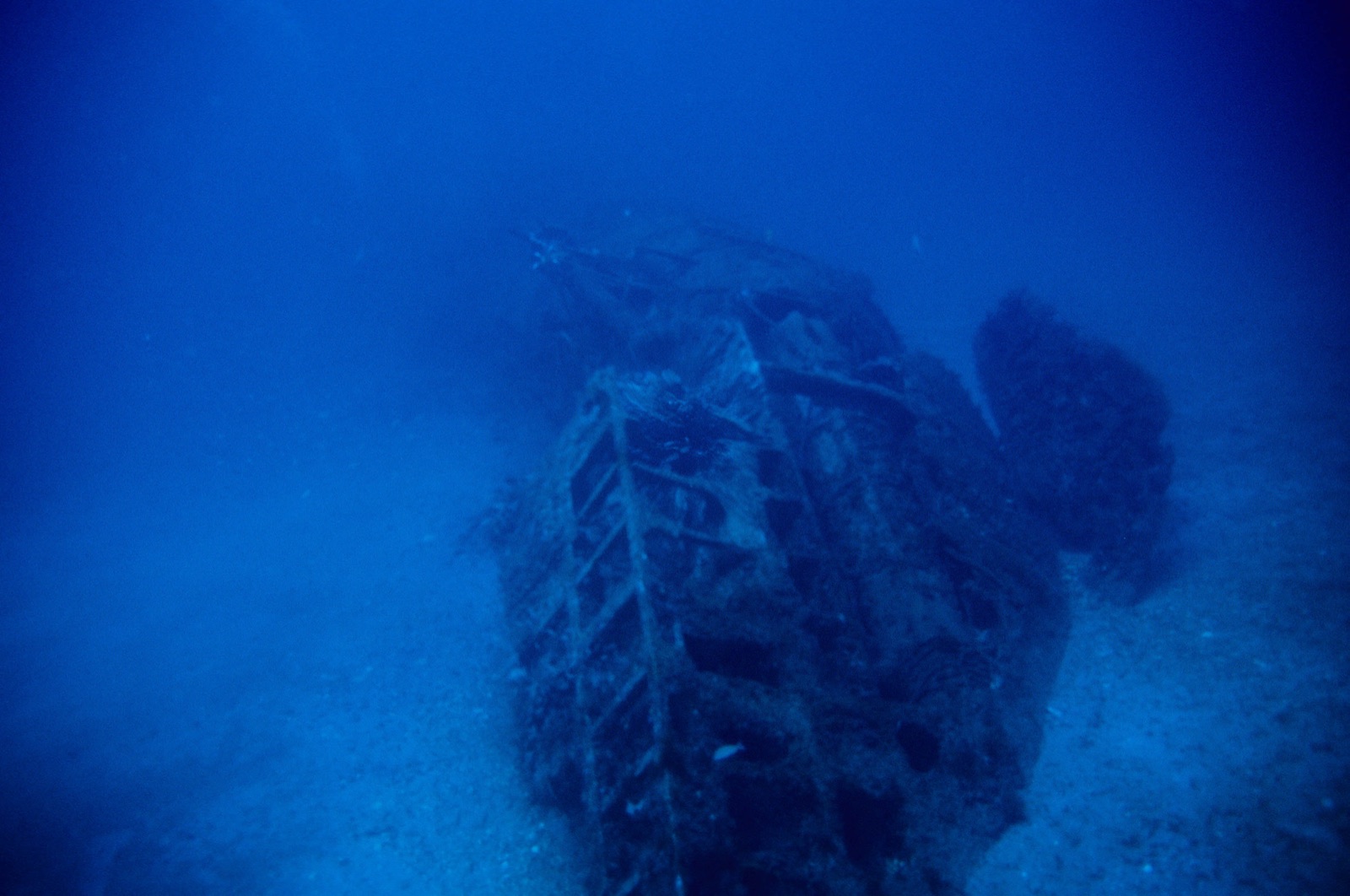
U-352
Getting there & staying
Getting there: Base in Morehead City/Beaufort for the classic Crystal Coast wrecks or around Wrightsville Beach/Wilmington for the southern sites, and book charters ahead - summer weekends fill, and weather windows concentrate demand.
Where to stay: Morehead City and Beaufort offer waterfront motels and rentals within walking distance of the charter docks; Hatteras serves a smaller set of northern wrecks.
Costs: Two-dive offshore charters from Morehead City or Wilmington-area ports generally run about US$150-220 depending on distance; nitrox is near-universal and worth it at these depths.
Between dives: The Graveyard of the Atlantic Museum in Hatteras, Cape Lookout National Seashore, wild horses at Shackleford Banks, and serious sport fishing.
Safety & practicalities
Hazards: Long offshore runs, current on the wrecks, depth (most classics lie 27-38 m), surge and blown-out days, summer thunderstorms, and hurricane-season swell. Entanglement hazards - monofilament and netting - are real on the older wrecks.
Advanced certification, good gas planning, and comfort in blue-water descents down a line are the baseline here. Nitrox extends short bottom times at 30 m-plus. Give sand tigers room and never block their path through the wreck; they are docile but large. Emergencies go through the charter's oxygen and evacuation plan, 911 ashore, and DAN.
Nearest recompression: Duke University's hyperbaric center in Durham has long served as the regional referral point for dive injuries; availability changes, so emergencies route through EMS and DAN.