Sea of Cortez & Cabo Pulmo
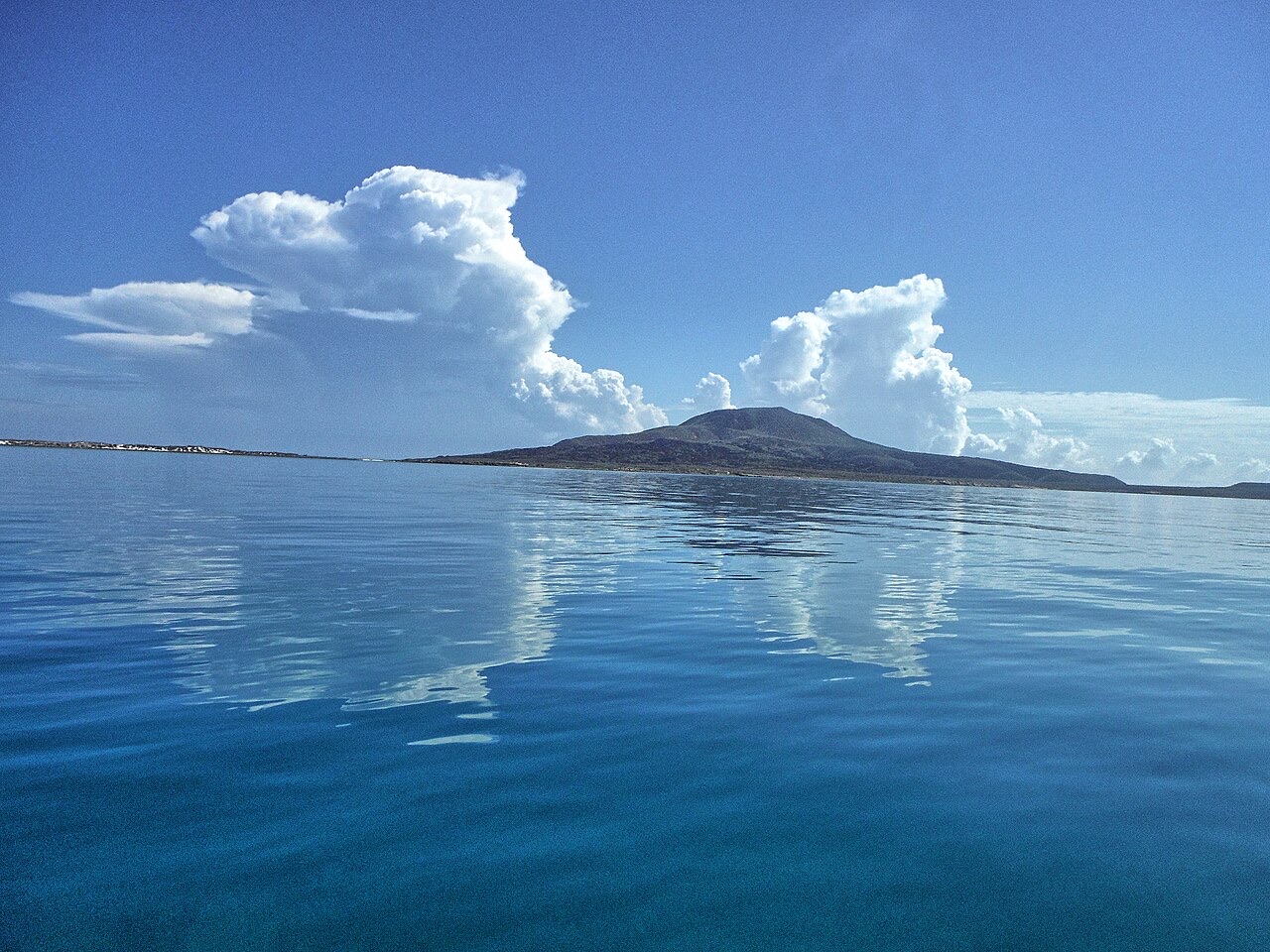
The Sea of Cortez, the long gulf between Baja California and mainland Mexico, packs sea lion colonies, seamounts, mobula swarms, juvenile whale sharks, and the recovering coral community of Cabo Pulmo into warm, accessible day-boat diving. La Paz is the natural base, with Cabo Pulmo National Park two hours south by road. Jacques Cousteau's much-quoted description of the gulf as an aquarium overstates nothing in the August-November window, when the water turns blue and warm and everything seems to be feeding.
Warum hier tauchen
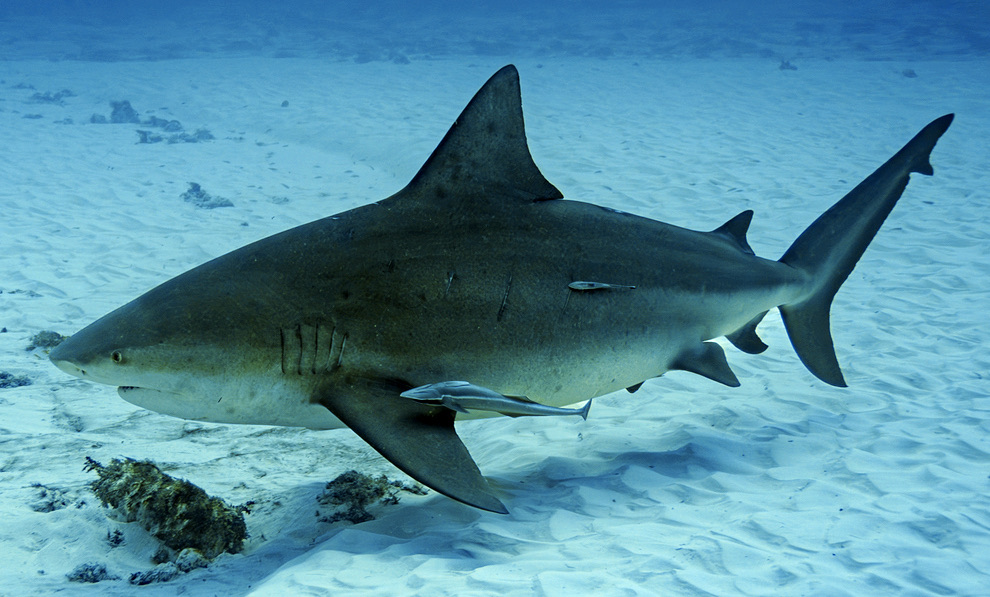
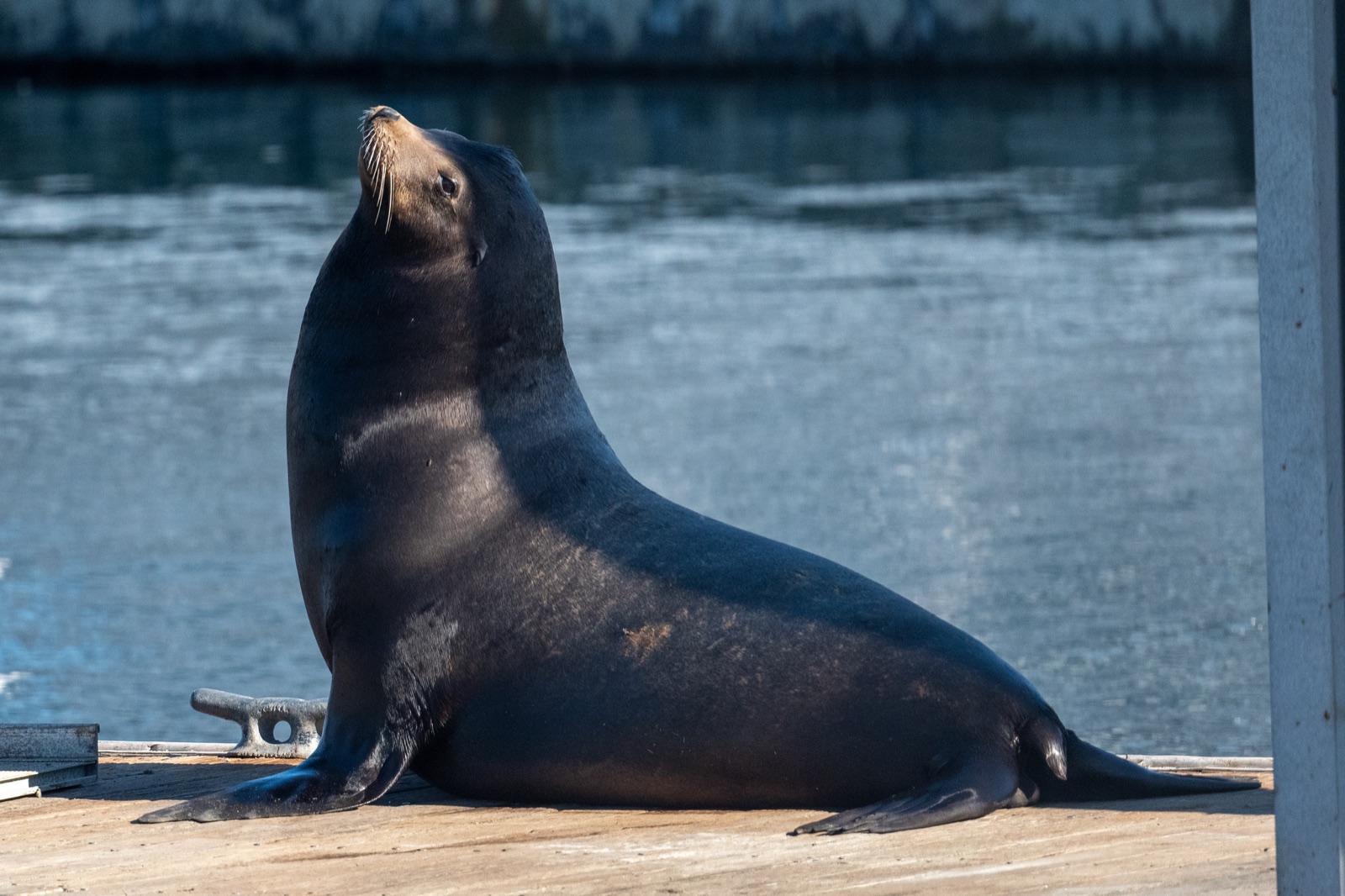
Few places let you build a week this varied without a liveaboard. At Los Islotes, off Espiritu Santo, California sea lion pups treat divers as chew toys, tugging fins and blowing bubbles in 10 m of water. Cabo Pulmo, a village that banned fishing in 1995 and watched fish biomass explode, now delivers bull sharks, tornadoes of bigeye jacks, and grouper of a size the rest of the gulf forgot. The Fang Ming wreck gives La Paz an easy artificial reef where green turtles nap on the deck. In the bay, juvenile whale sharks feed at the surface from roughly October to February under a tightly regulated snorkel program, and spring brings mobula aggregations that can blacken the surface. Conditions are honest: summer and fall are warm and clear, winter is green, cool, and plankton-rich, which is exactly why the animals are here. It is the rare big-animal destination that also works for newer divers, on a beer budget, with tacos at the dock.
Monat für Monat
August-November is prime: 26-30 C water, the year's best visibility, and active reefs. December-May is cool (18-23 C) and green with plankton, which drives sea lion, mobula, and gray-whale action elsewhere in Baja; many La Paz operators scale back diving mid-winter. La Paz whale shark snorkeling runs roughly October-February.
| Monat | Wasser | Sichtweite | Wie es sich anfühlt |
|---|---|---|---|
| January●●○○○ | 19–23 °C / 66–73 °F | 8–15 m | Cool and green; sea lions lively, whale sharks in the bay. |
| February●●○○○ | 18–22 °C / 64–72 °F | 8–15 m | |
| March●●○○○ | 19–22 °C / 66–72 °F | 8–15 m | |
| April●●●○○ | 20–24 °C / 68–75 °F | 10–18 m | Mobula aggregations begin building. |
| May●●●○○ | 22–26 °C / 72–79 °F | 10–20 m | Mobula season; water warming. |
| June●●●○○ | 24–28 °C / 75–82 °F | 12–20 m | |
| July●●●●○ | 26–29 °C / 79–84 °F | 15–25 m | |
| August●●●●● | 28–30 °C / 82–86 °F | 20–30 m | Warm, blue, and calm: the classic window opens. |
| September●●●●● | 28–30 °C / 82–86 °F | 20–30 m | Prime conditions; watch tropical storm forecasts. |
| October●●●●● | 26–29 °C / 79–84 °F | 20–30 m | Whale sharks return to La Paz Bay. |
| November●●●●○ | 23–27 °C / 73–81 °F | 15–25 m | |
| December●●●○○ | 21–24 °C / 70–75 °F | 10–18 m |
Konfidenz der Monatswerte: Documented. Monate ohne Zeile haben keine verifizierten Daten. Wir zeigen lieber eine Lücke, als eine zu erfinden.
Die Tauchplätze (6)
| Tauchplatz | Typ | Tiefe | Level | Zugang | |
|---|---|---|---|---|---|
| Cabo Pulmo Reef The bigeye jack tornado, bull sharks over the sand, a protected reef at… | Reef | 5–18 m | Beginner | Boat | |
| El Bajo Seamount Mobula flights over the ridges, pelagic traffic, the gulf's most storied… | Seamount | 18–40 m | Advanced | Boat | |
| El Vencedor Wreck (Cabo Pulmo) Unbaited bull sharks at recreational depth, guided etiquette that works… | Wreck | 10–15 m | Intermediate | Boat | |
| Fang Ming Wreck Turtles asleep inside the holds, cup-coral bloom on the rails, gentle… | Wreck | 12–21 m | Intermediate | Boat | |
| La Reina (Cerralvo Island) Occasional returning mantas, quieter sea lions, big morays in the boulders | Reef | 5–25 m | Intermediate | Boat | |
| Los Islotes Sea lion pups at play, the swim-through arch, an all-levels profile minutes… | Reef | 3–15 m | Beginner | Boat |
Meeresleben, das du einplanen kannst
Bull Shark
California Sea Lion
Whitetip Reef Shark
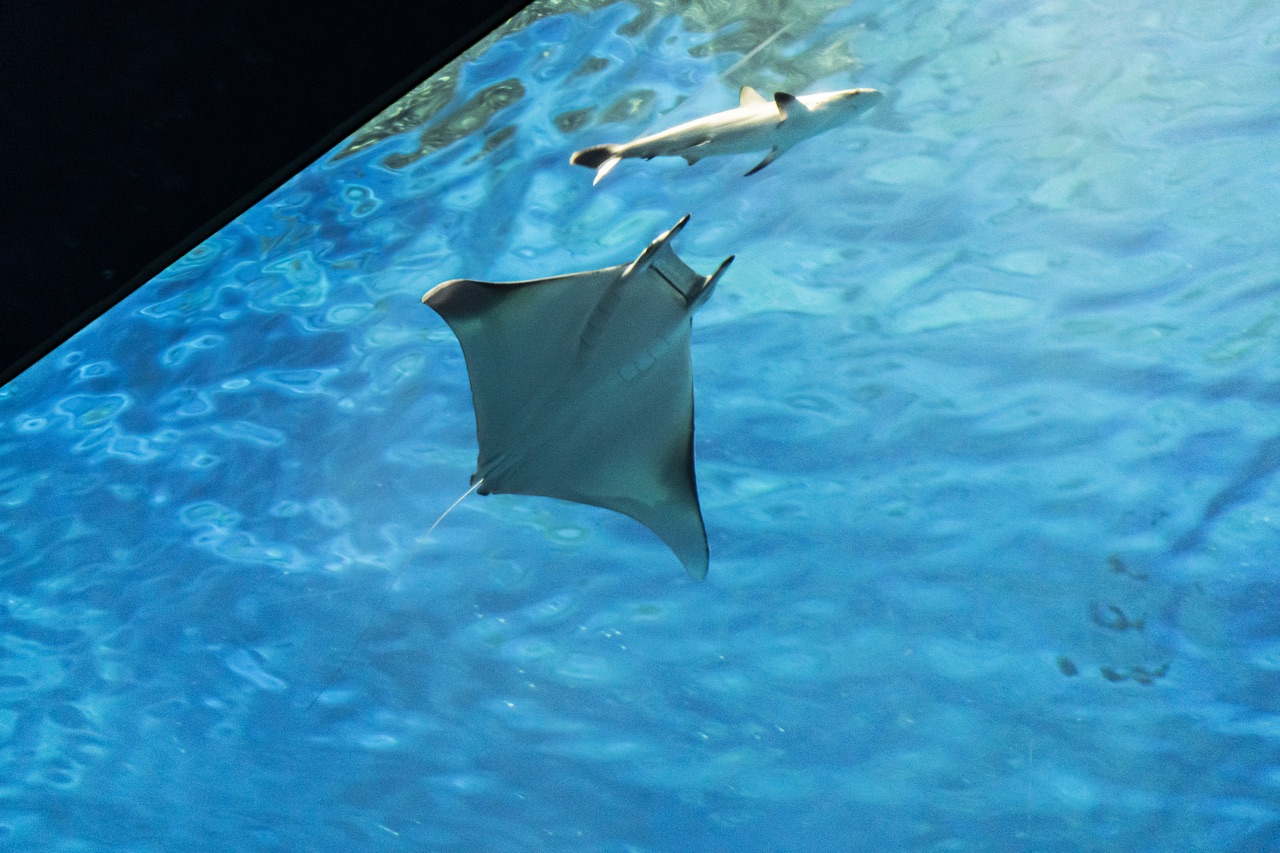
Mobula (Devil) Ray
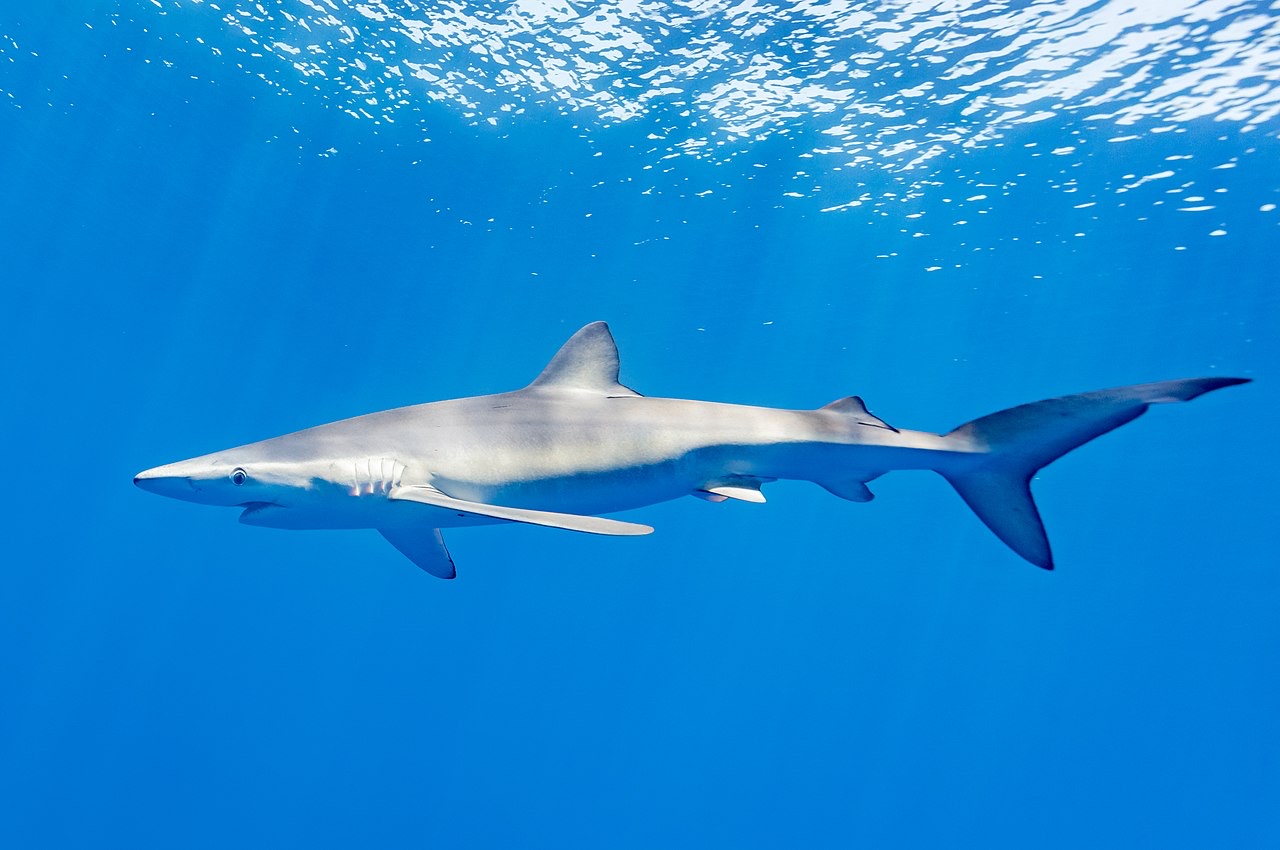
Blue Shark
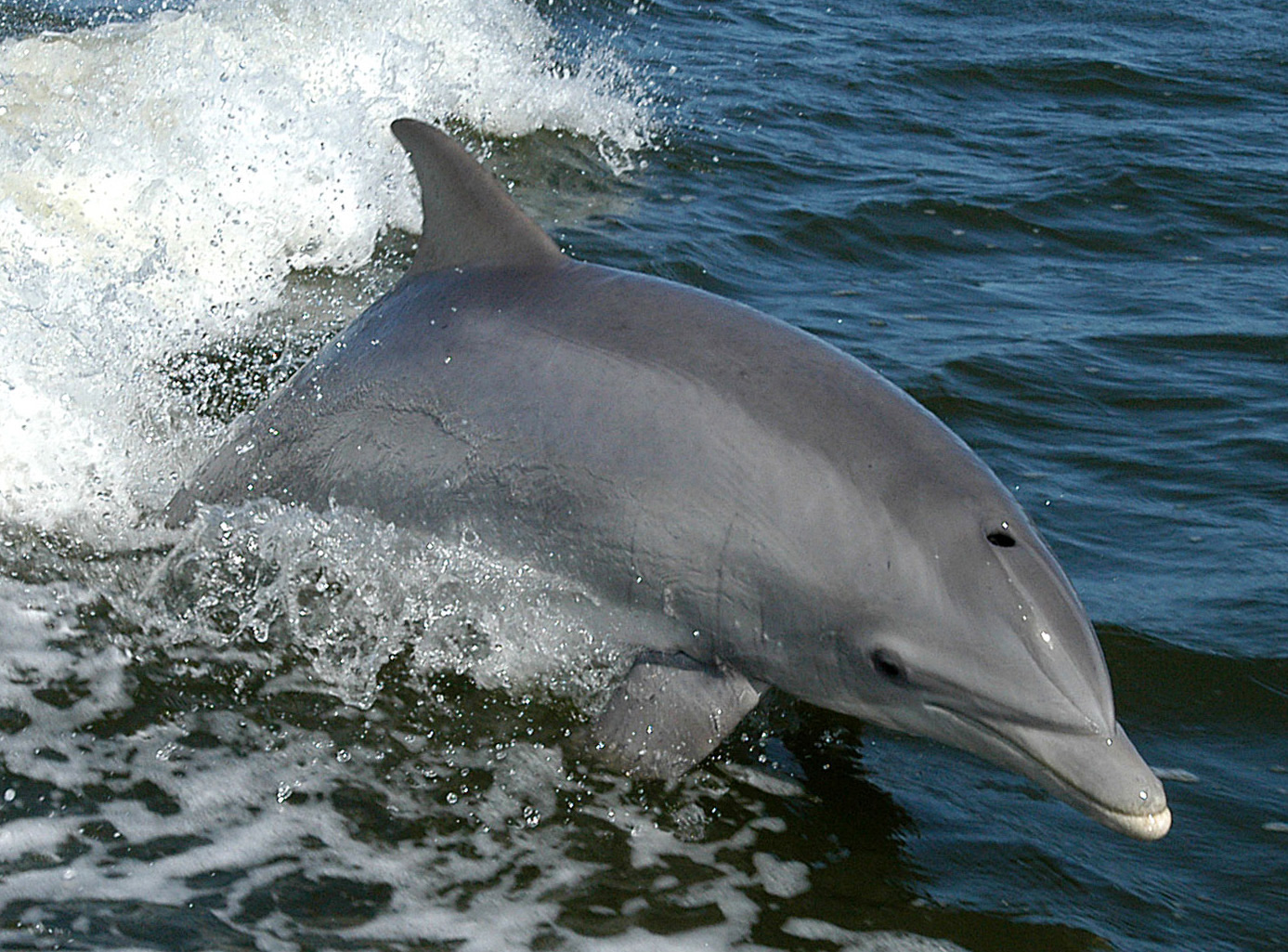
Bottlenose Dolphin
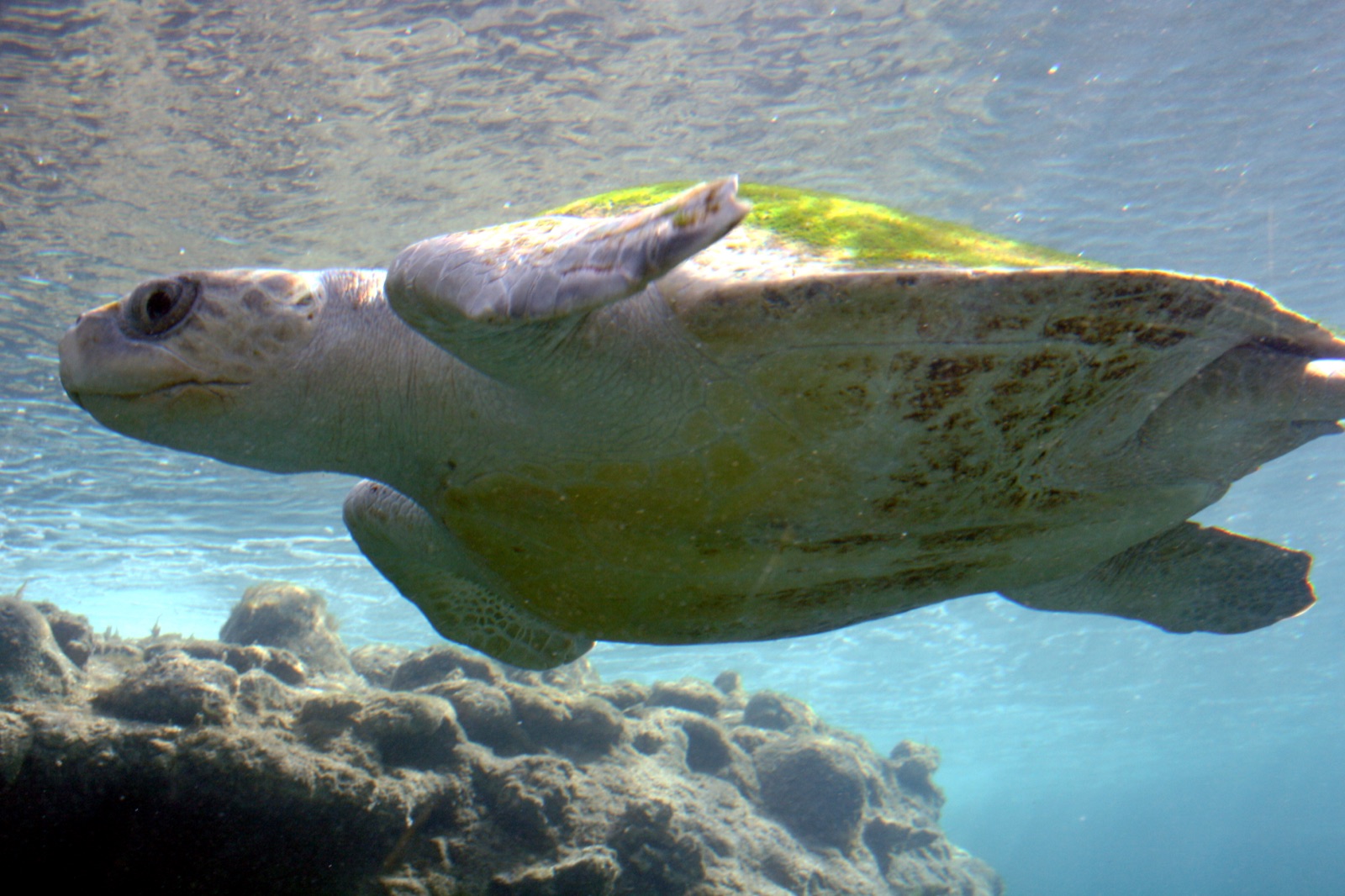
Olive Ridley Turtle
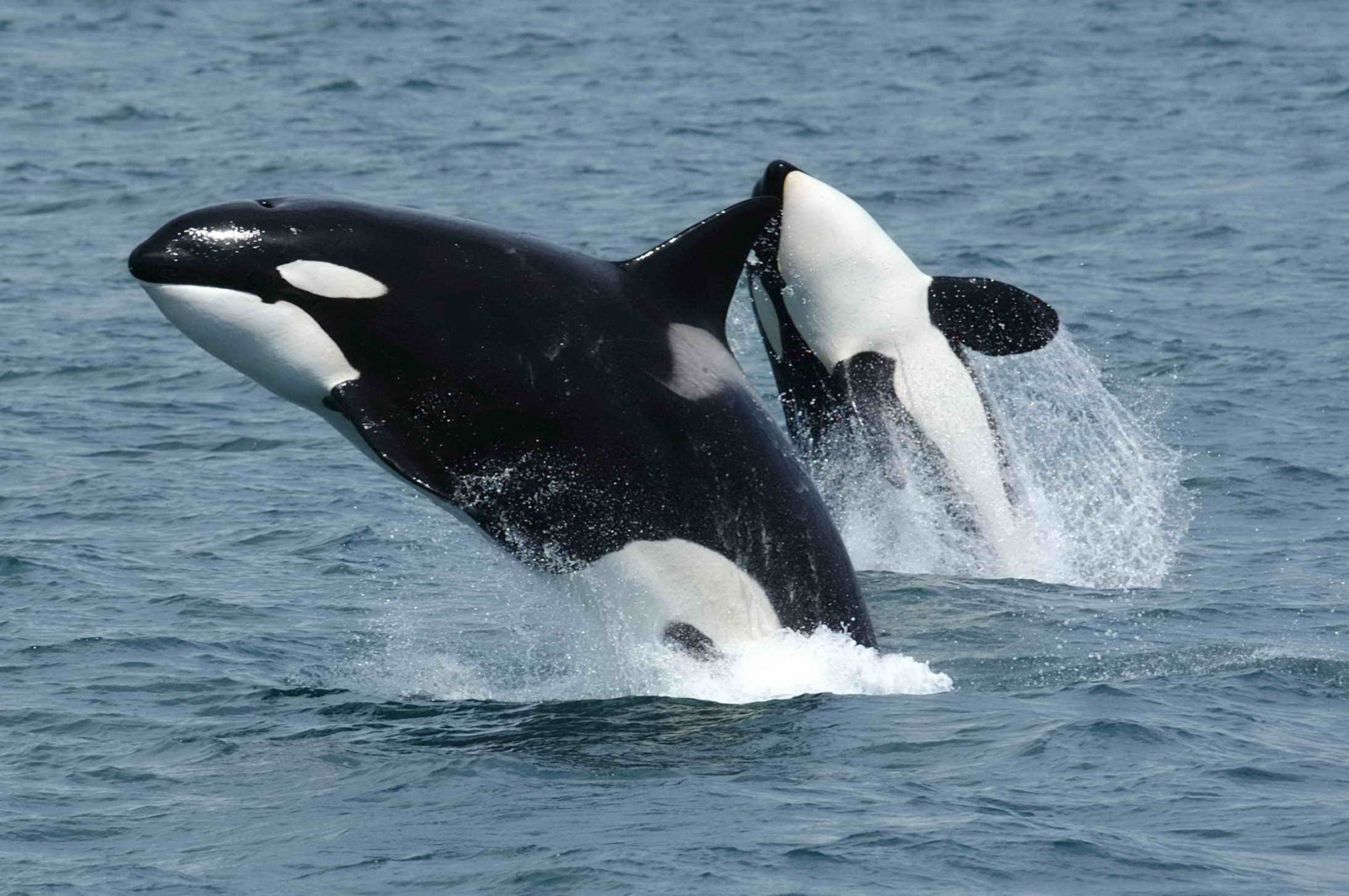
Orca (Killer Whale)
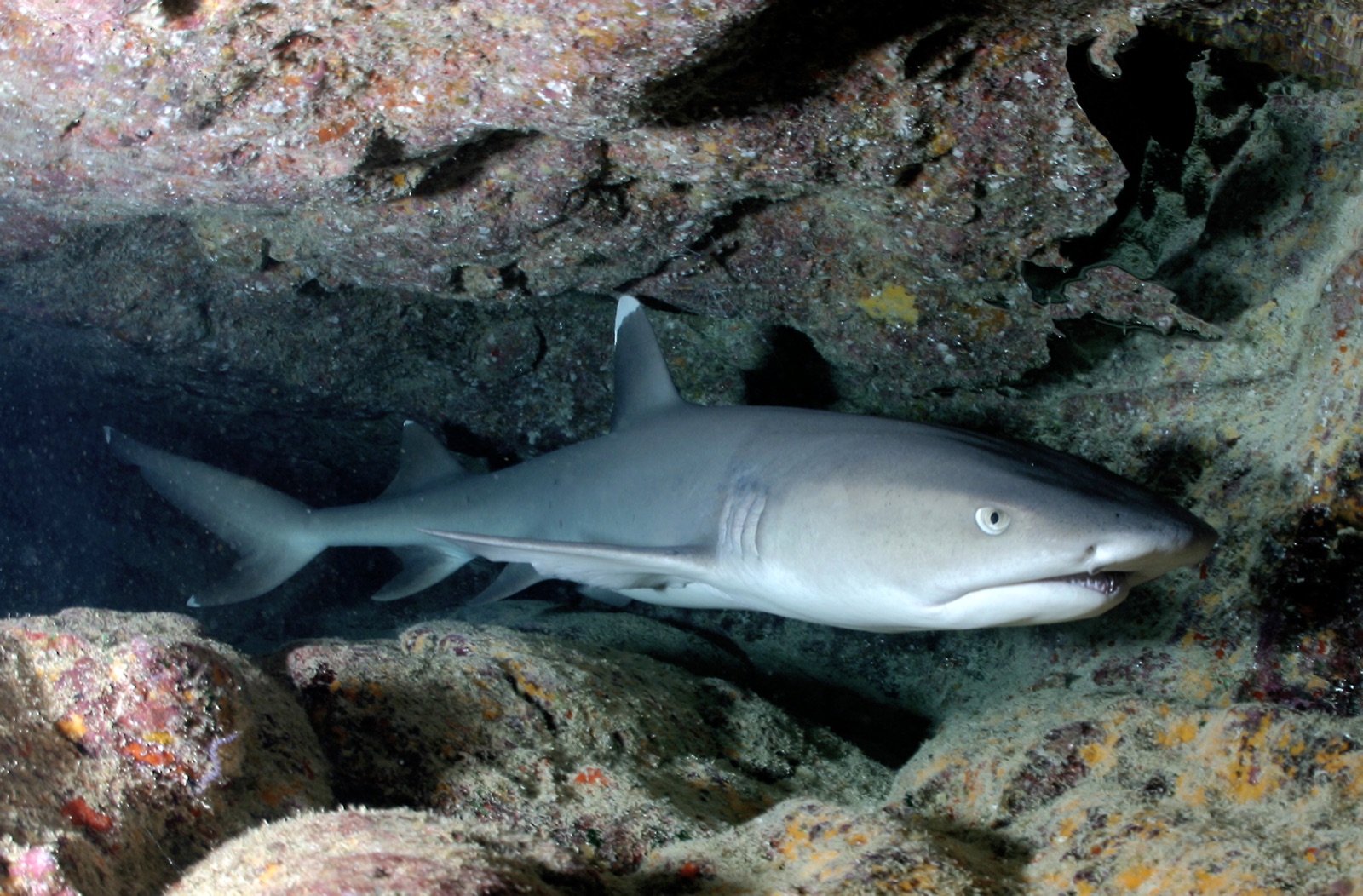
California sea lions year-round, bull sharks and huge jack schools at Cabo Pulmo, juvenile whale sharks in La Paz Bay in season, mobula rays in spring and early summer, green turtles, garden eels, reef fish in Cortez-endemic flavors, and occasional dolphins and orcas.
Wracks hier
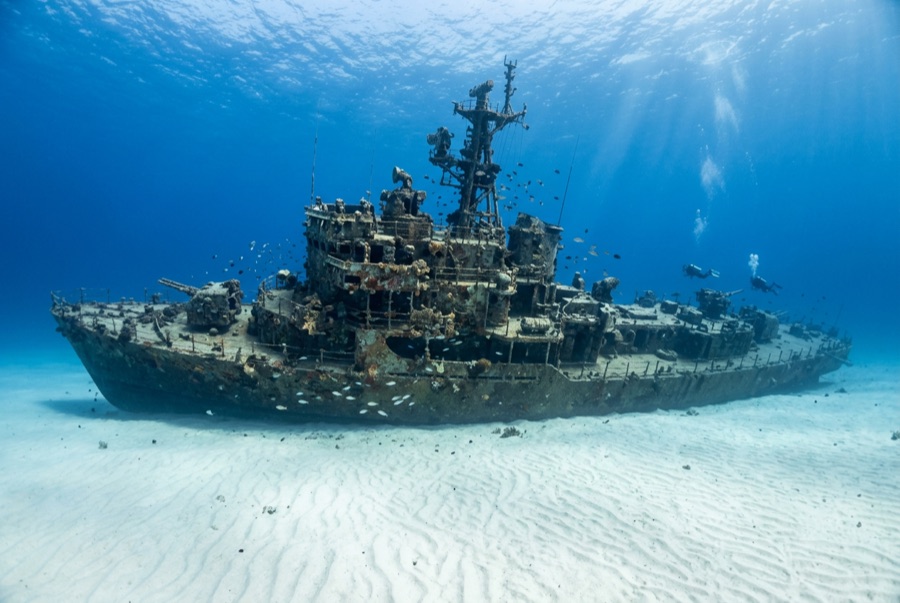
Fang Ming
Anreise & Unterkunft
Anreise: Fly to La Paz directly or to Los Cabos and drive north. Dive sites around Espiritu Santo are 45-90 minutes by panga from La Paz; Cabo Pulmo is about two hours south by road and dived from beach-launched pangas.
Wo übernachten: La Paz offers the full range of hotels and a walkable malecon; Cabo Pulmo village is tiny, off-grid in character, and worth an overnight rather than a day trip.
Kosten: Two-tank day trips from La Paz or Cabo Pulmo generally run about US$130-180 including gear-light setups; park fees and long panga runs can add to it.
Zwischen den Tauchgängen: Whale shark snorkeling in season, Espiritu Santo island tours, sea kayaking, winter gray-whale trips to the Pacific lagoons, and the food scene in La Paz.
Schnorcheln: Excellent: sea lions at Los Islotes, whale sharks in season, and shallow Cabo Pulmo reefs all work well from the surface.
Sicherheit & Praktisches
Gefahren: Currents around the Espiritu Santo points and seamounts, boisterous sea lion bulls in breeding season, summer-fall tropical storms, and sun exposure on long panga runs. Cabo Pulmo diving is surf-launched and surge-prone in swell.
Standard recreational precautions apply: dive with a computer and DSMB, give sea lion bulls space, and follow park rules at Cabo Pulmo, where guides, group sizes, and site rotation are regulated. Book whale shark snorkeling only with licensed operators.
Nächste Rekompressionskammer: Hyperbaric facilities have operated in La Paz and Cabo San Lucas; availability changes, so emergencies go through EMS and DAN.