Naturschutz · 5 Min. Lesezeit
Plastic and the Ocean: What Divers See and What Helps
Divers meet ocean plastic personally: a drifting bag at depth, a ghost net on a reef. The honest scale of the problem, why lost fishing gear is the deadliest fraction, and what a diver can safely do.
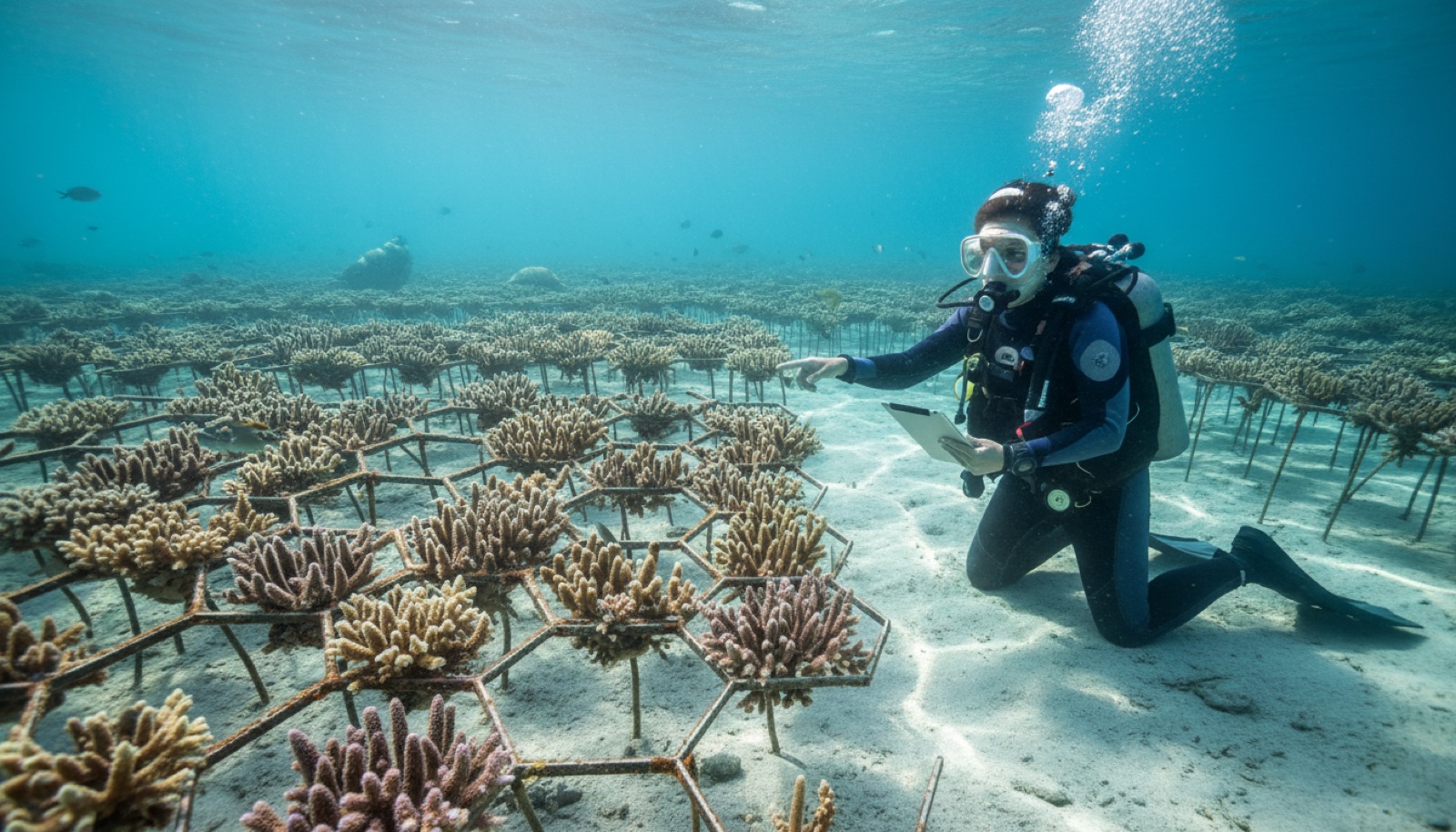
At depth, a drifting plastic bag does a slow, convincing impression of a jellyfish, convincing enough to fool turtles, which is the whole problem in one image. Divers meet ocean plastic the way few people do: personally, mid-water, on the reef, wrapped around the propeller. That vantage point comes with both a duty to see the problem clearly and some practical rules about what to do with your hands.
The scale, without the myths
The most-cited peer-reviewed estimate puts plastic flowing into the ocean from land at several million tonnes a year: the landmark 2015 study's range ran from roughly five to thirteen million. Two corrections to the popular imagery: the great garbage patches are not floating islands but diffuse soups of drifting fragments, and most ocean plastic is not at the surface at all. It fragments, sinks, and turns up everywhere researchers have looked, from deep-trench animals to Arctic sea ice. Microplastics now permeate marine food webs; what that means for human health is under active research and honestly not yet settled. The scale is grim enough without embellishment.
Ghost gear, the deadliest fraction
Lost and abandoned fishing equipment deserves its own line, because it does not just pollute: it keeps fishing. Ghost nets and traps entangle and kill fish, turtles, sharks, seabirds, and mammals for years after they are lost, and fishing gear makes up a large share of large ocean debris; in famous surveys of the North Pacific accumulation zone, nets accounted for a substantial portion of the total mass. For divers, ghost gear is also the debris category with real personal risk: monofilament and netting entangle divers too, which shapes the rules below.
What a diver can actually do
- Join structured cleanups and debris surveys: reporting what you remove turns a good deed into data that has informed policy.
- Remove small debris when it is safe and legal: check first that nothing lives in it, since an old bottle can be an octopus's home and colonized debris is sometimes better left.
- Carry a line cutter, and harvest fishing line carefully: wound onto a spool, not stuffed loose where it can tangle you.
- Leave large nets and heavy gear alone: note the position, photograph it, and report it to your operator or the local authority. Lifting major ghost gear is a job for trained teams with lift bags and surface support, and freelancing it has injured divers.
Entangled animals and honest habits
Finding an entangled turtle or shark is wrenching, and the mainstream guidance is firm: do not attempt a large-animal rescue yourself. A panicked animal plus taut line plus a well-meaning diver is how injuries happen on both sides. Record position and details and report immediately; several regions run trained disentanglement networks. Topside, the useful habits are boring and cumulative: a refillable bottle, refusing single-use gear on boats, choosing operators who run dry decks and cleanups. Divers did not cause this problem alone and will not solve it alone, but as its most regular eyewitnesses, they make unusually credible messengers, and unusually careful hands.