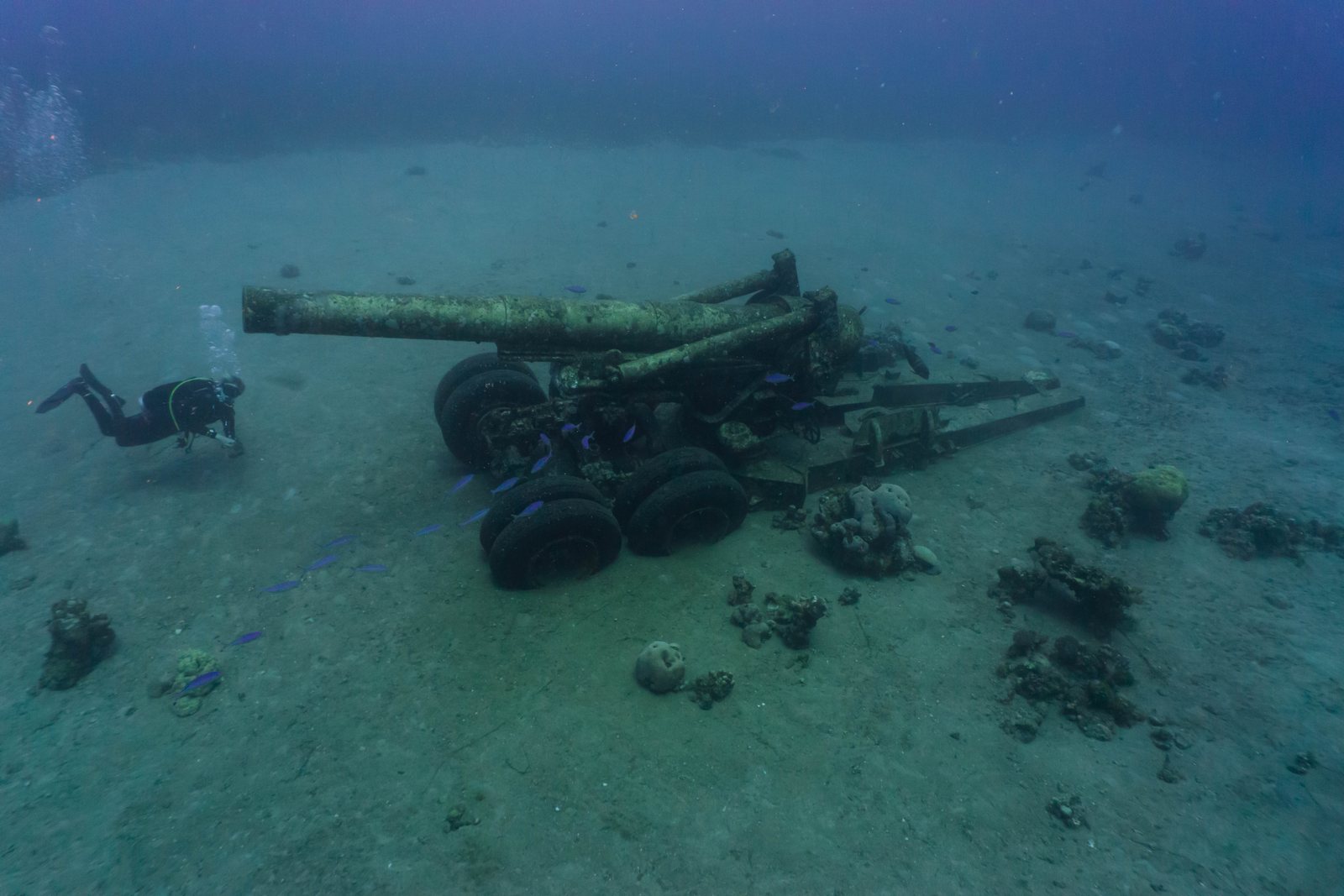
Underwater Military Museum
Die Tiefe gibt den Bereich von der Oberkante des Tauchplatzes bis zur üblichen Maximaltiefe an; „empfohlene Zertifizierung" ist das von Anbietern üblicherweise geforderte Mainstream-Agenturniveau – keine gesetzliche Vorschrift. Strömungen und Sichtweite ändern sich täglich – behandle alle Angaben hier als Planungsbereiche.
In 2019 Jordan sank nineteen retired military vehicles - battle tanks, armored personnel carriers, artillery pieces, an ambulance, and helicopters among them - in a deliberate battle-formation arrangement down a sand slope, creating the most unusual purpose-built dive attraction in the Red Sea. Diving it feels like touring a war memorial drained of war: turrets angled as if advancing, rotor blades feathered with algae, gun barrels becoming perches for lionfish. The formation spans a comfortable depth band from about 15 to 28 meters, so a single dive can zigzag most of the collection. Coral colonization is young but visibly under way, and each visit reads differently as the sea claims more. Photographers should bring wide lenses and expect other groups; the museum has become a headline act.
Der Moment, für den du kommst: Helicopters and tanks in deliberate formation; a surreal, highly photogenic layout; measurable year-on-year reef growth.
Topografie: Nineteen military vehicles arranged in formation on a sand slope
Einstieg: Buoyed site a short boat hop down the coast; also reachable as a committed shore dive with a guide.
Was du wissen solltest, bevor du ins Wasser gehst
Gefahren: Entanglement points around rotors and barrels; depth adds up while touring the formation.
Naturschutz: The vehicles were stripped and cleaned before sinking; treat the growing coral as the exhibit it is becoming.
Nitrox: Hier lohnt es sich – die Profile liegen in einem Bereich, in dem Nitrox die Nullzeiten spürbar verlängert (mit der entsprechenden Ausbildung).
Wen du triffst
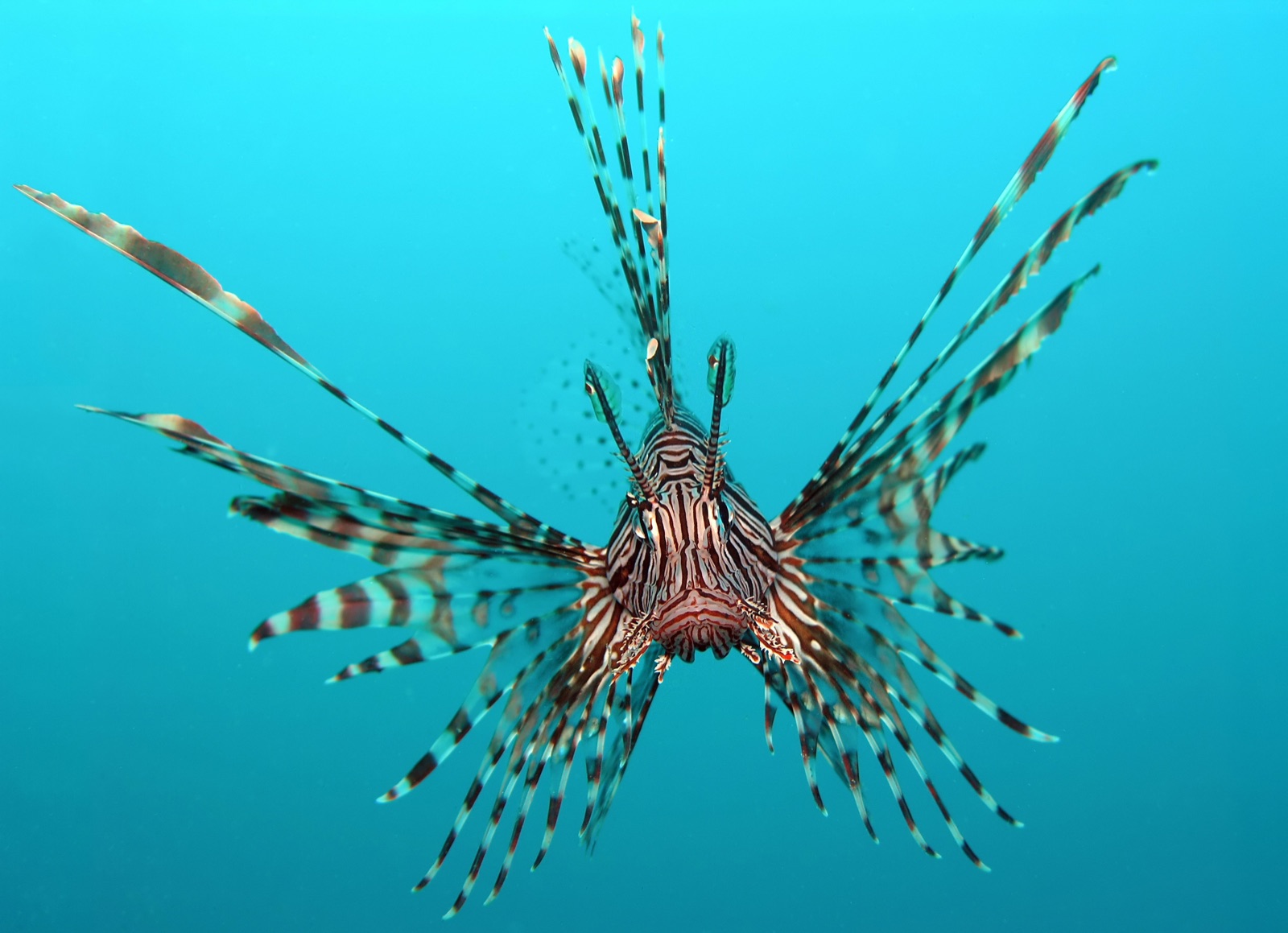
Lionfish
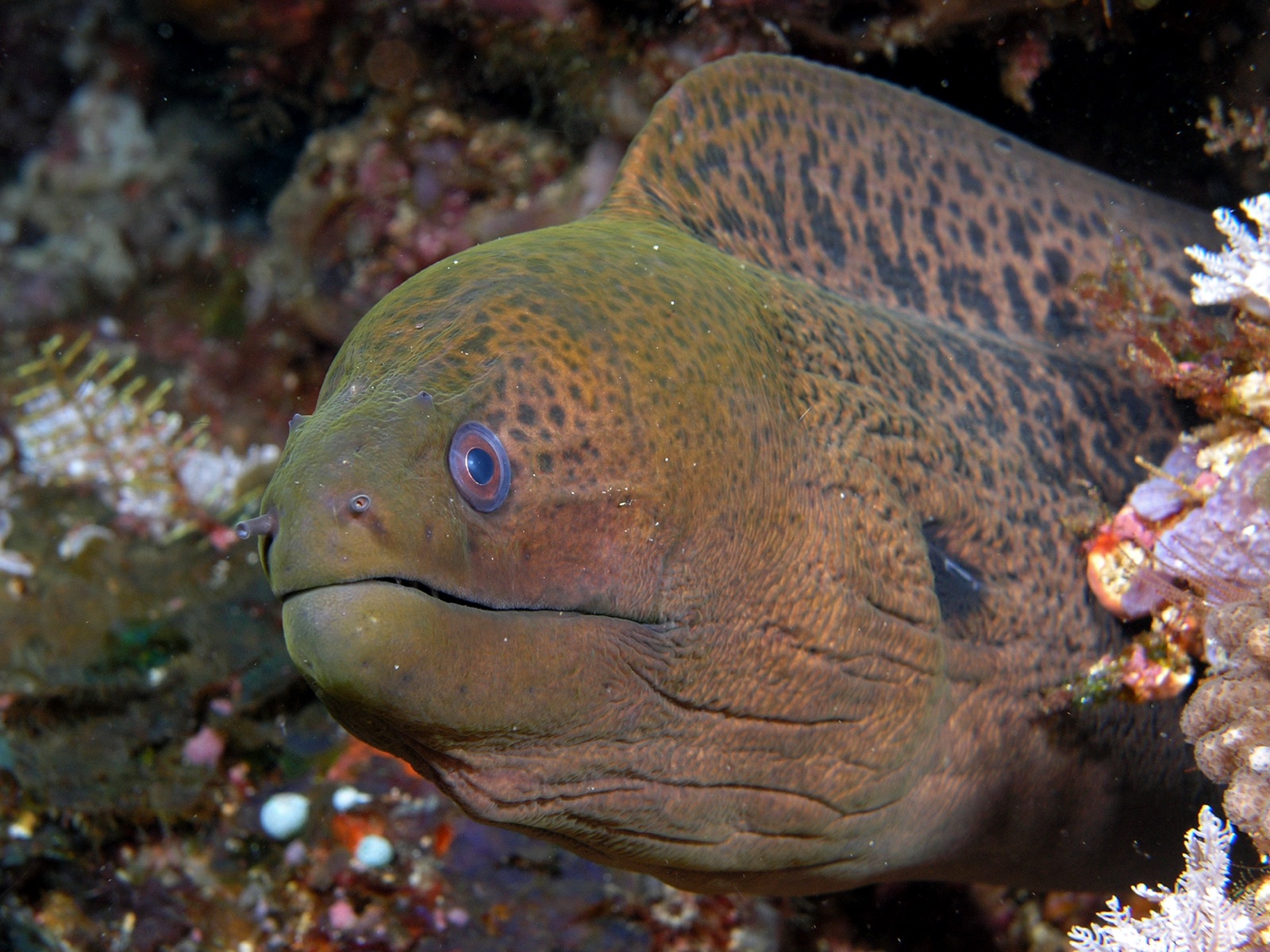
Giant Moray Eel
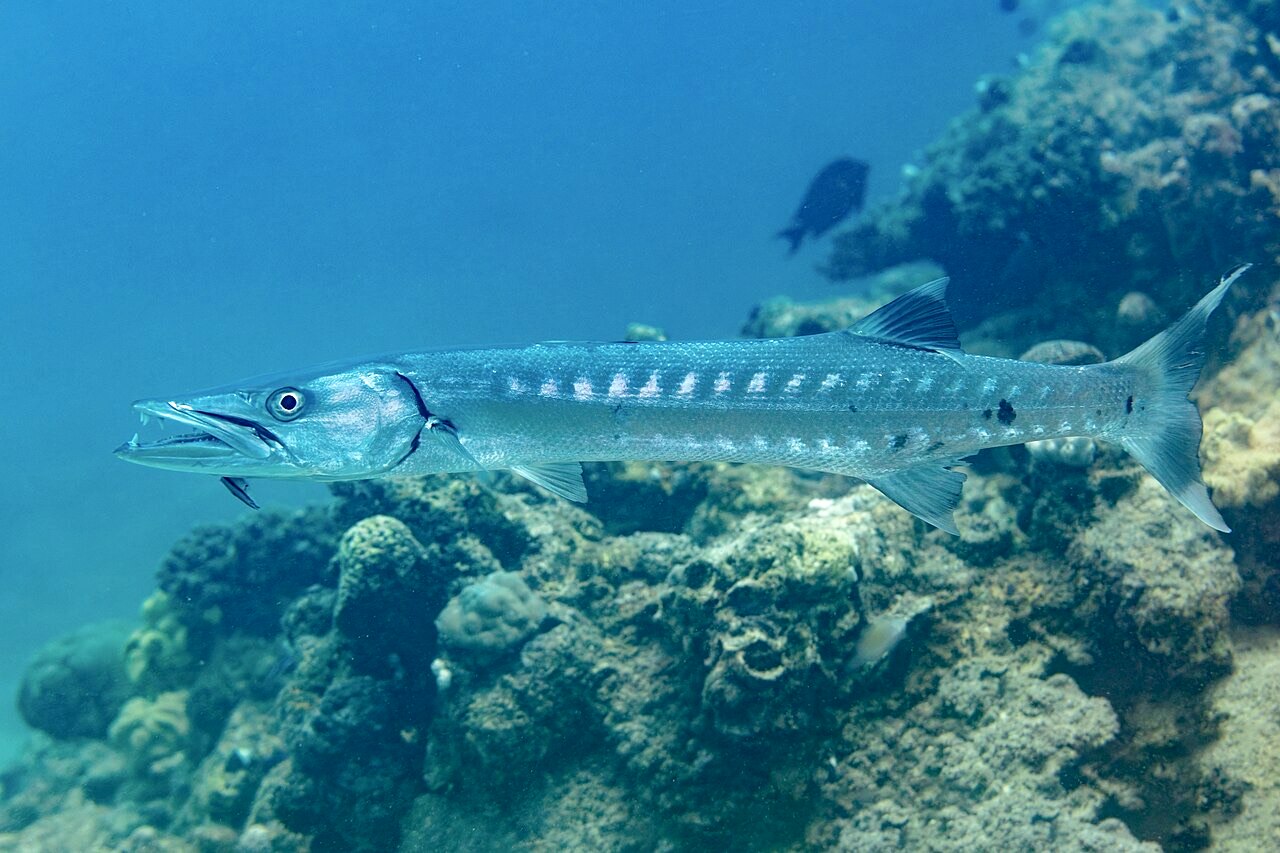
Great Barracuda
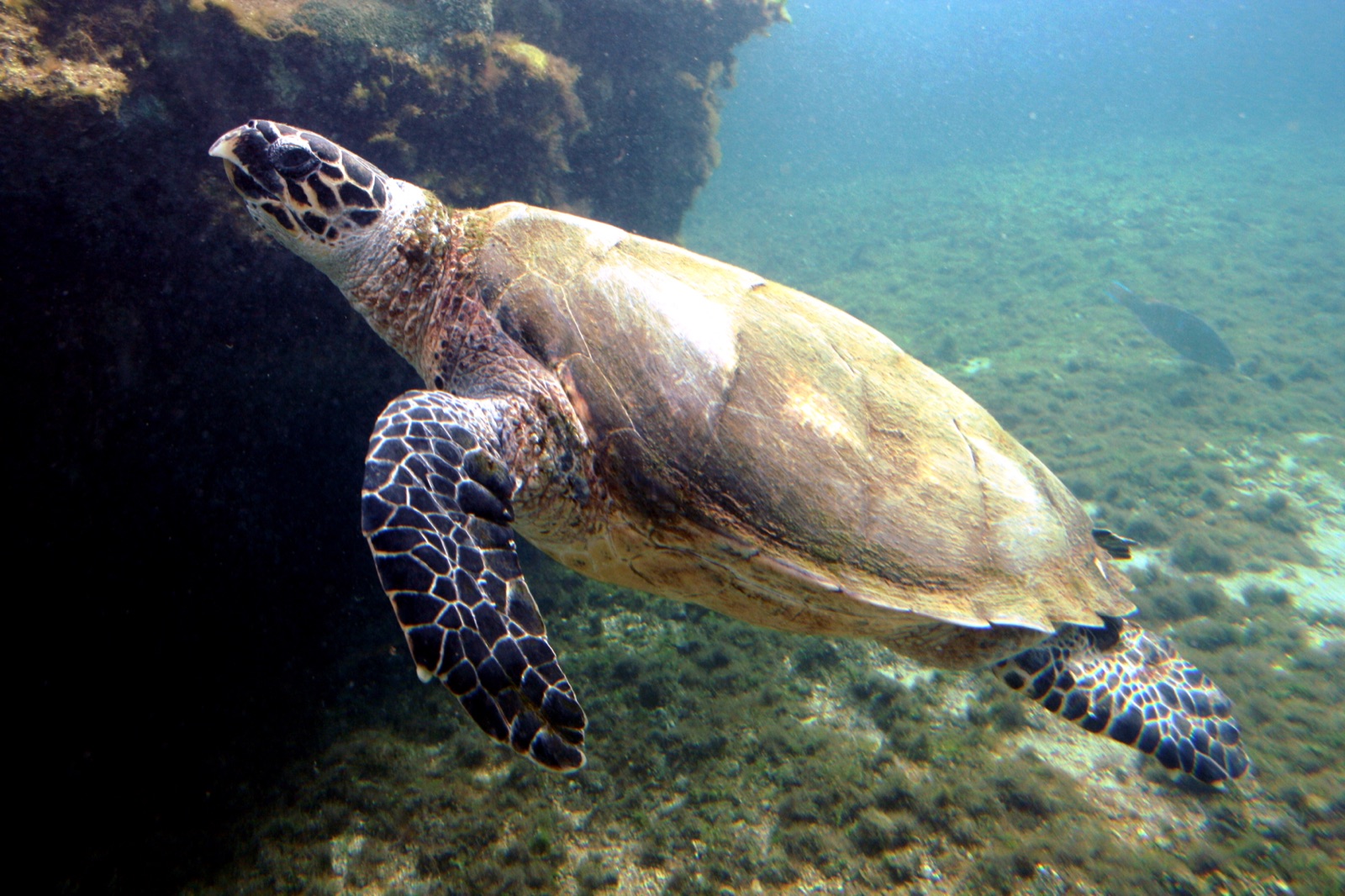
Hawksbill Turtle
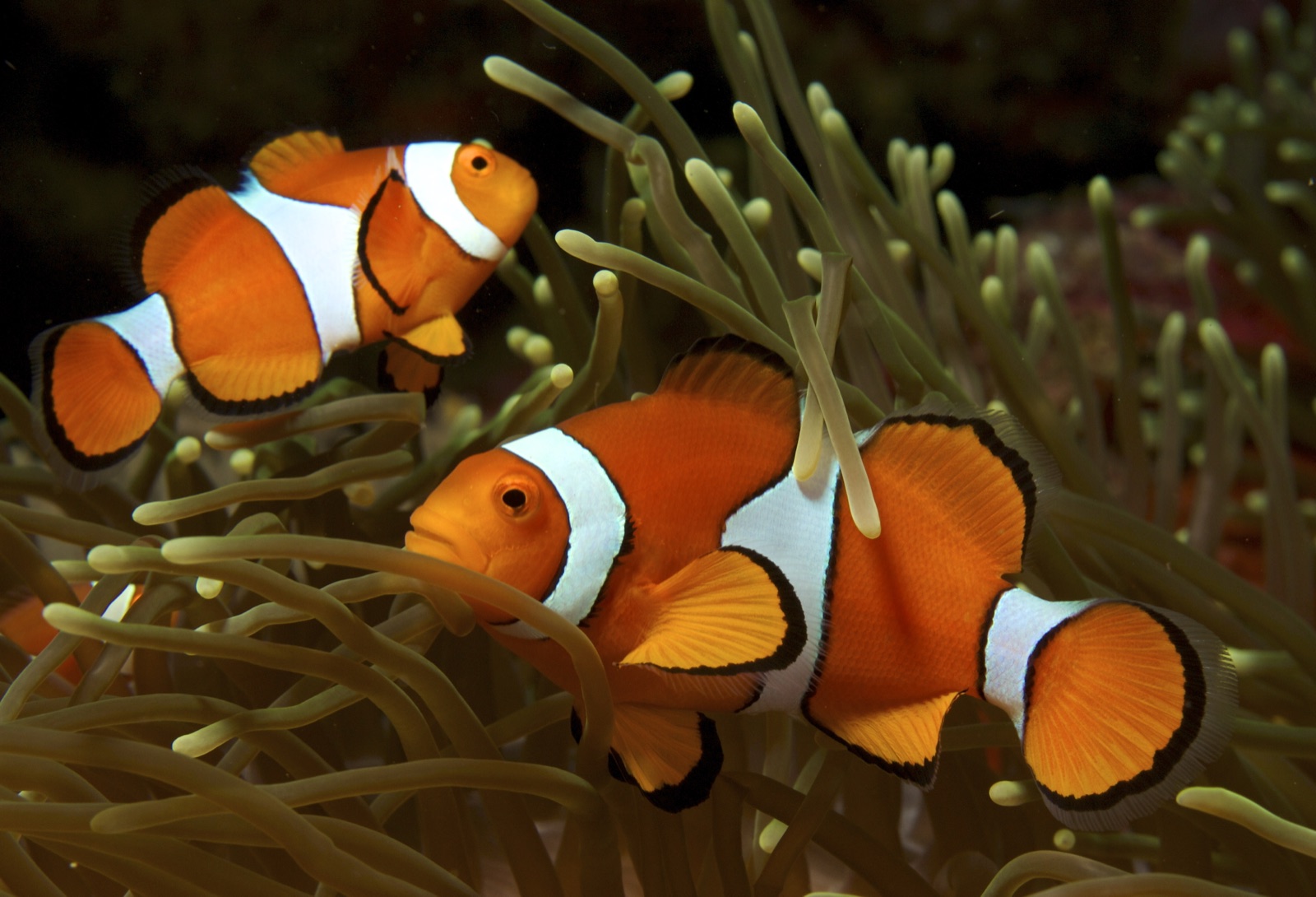
Clownfish & Anemonefish
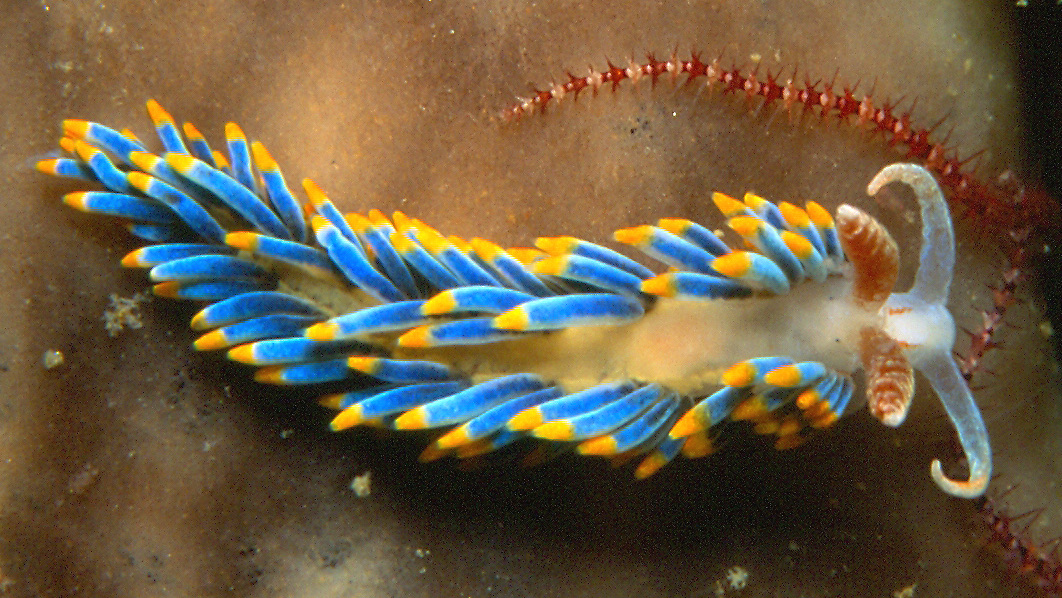
Nudibranchs
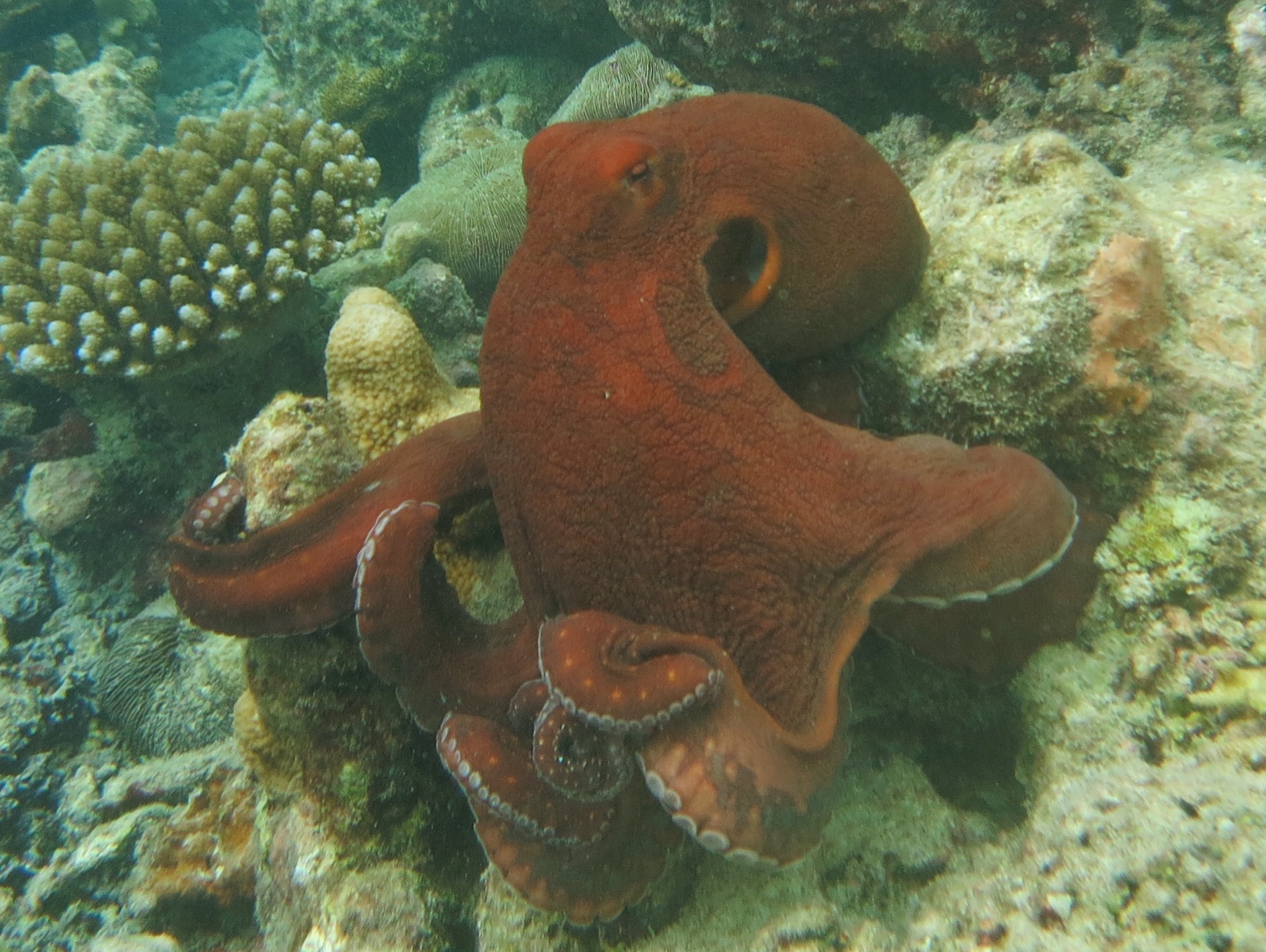
Common Reef (Day) Octopus
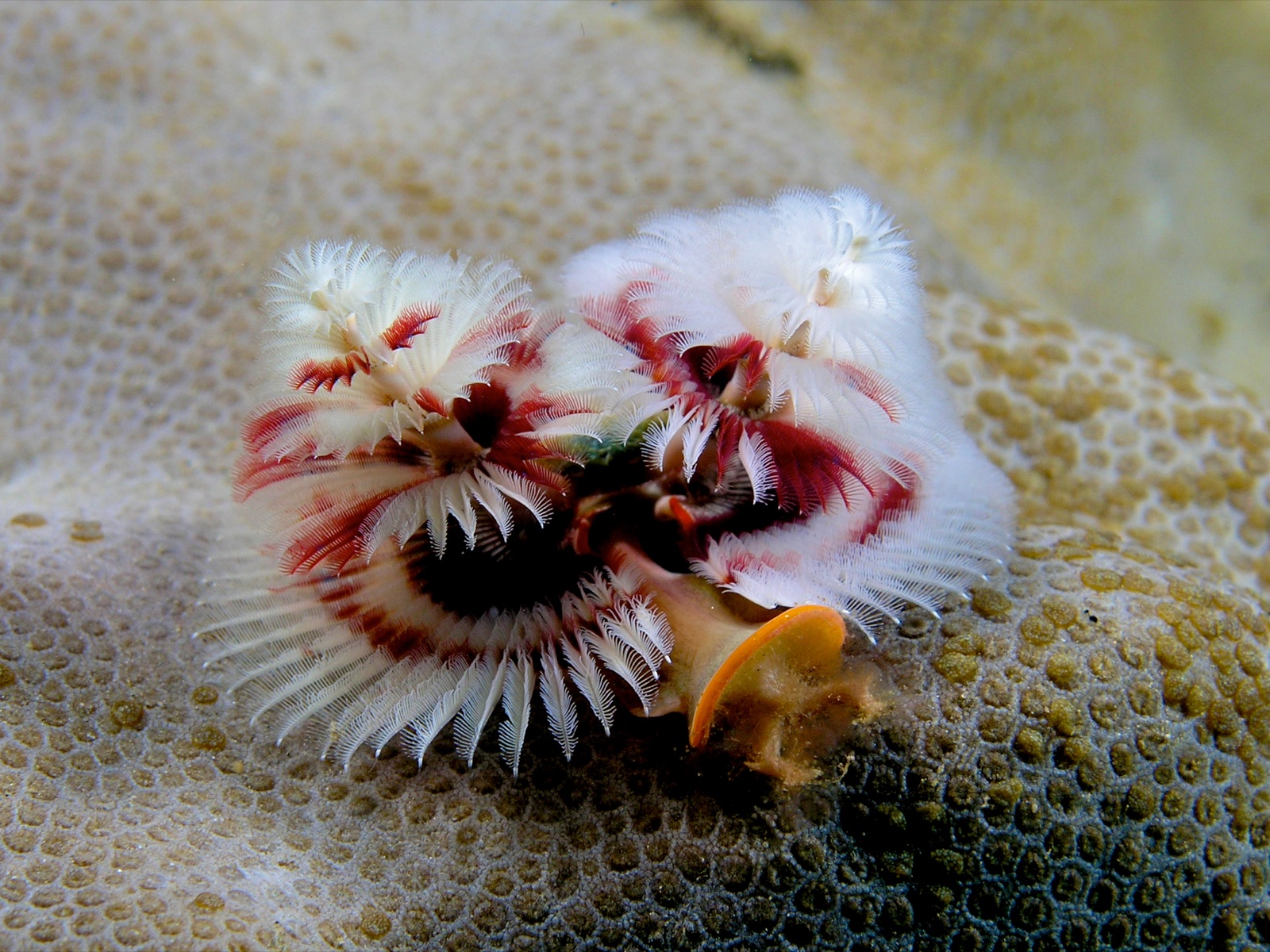
Christmas Tree Worm
Auch in der Nähe nachgewiesen
„Hier kartiert" – Arten wurden von unseren Redakteuren anhand der Quellen auf dieser Seite erfasst. Die Zahlen sind GBIF-Vorkommensdatensätze: Beobachtungen, die seit 1990 im Umkreis von etwa 5 km um die kartierte Position protokolliert wurden, ausschließlich abgeglichen mit den Arten in unserem Katalog. Sie zeigen, was dort gesichtet wurde – keine Garantie, was du sehen wirst.
Für Fotografen
Weitwinkel: ★★★★★ · Makro: ★★☆☆☆ (Redaktionelle 1–5-Bewertung, was dieser Platz für jeden Fotografie-Stil bietet)