Underwater Military Museum
Depth is the range from the top of the site to its usual maximum; "recommended cert" is the mainstream-agency level operators usually ask for, not a legal rule. Currents and visibility change daily, so treat everything here as planning ranges.
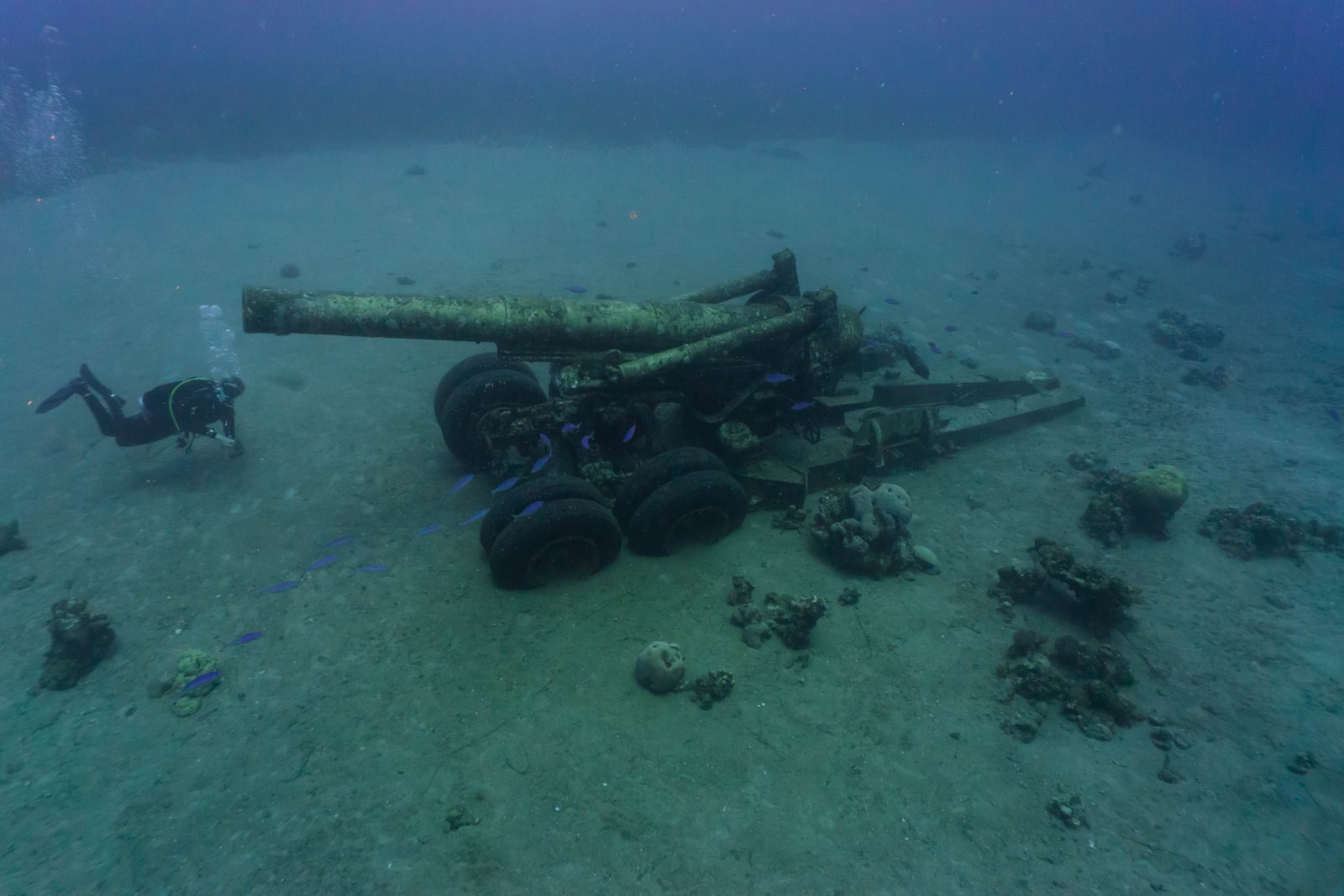
In 2019 Jordan sank nineteen retired military vehicles - battle tanks, armored personnel carriers, artillery pieces, an ambulance, and helicopters among them - in a deliberate battle-formation arrangement down a sand slope, creating the most unusual purpose-built dive attraction in the Red Sea. Diving it feels like touring a war memorial drained of war: turrets angled as if advancing, rotor blades feathered with algae, gun barrels becoming perches for lionfish. The formation spans a comfortable depth band from about 15 to 28 meters, so a single dive can zigzag most of the collection. Coral colonization is young but visibly under way, and each visit reads differently as the sea claims more. Photographers should bring wide lenses and expect other groups; the museum has become a headline act.
The moment you come for: Helicopters and tanks in deliberate formation; a surreal, highly photogenic layout; measurable year-on-year reef growth.
Topography: Nineteen military vehicles arranged in formation on a sand slope
Entry: Buoyed site a short boat hop down the coast; also reachable as a committed shore dive with a guide.
Know before you splash
Hazards: Entanglement points around rotors and barrels; depth adds up while touring the formation.
Conservation: The vehicles were stripped and cleaned before sinking; treat the growing coral as the exhibit it is becoming.
Nitrox: Worth it here: profiles sit in the range where enriched air meaningfully extends no-stop time (with the training to use it).
Who you'll meet
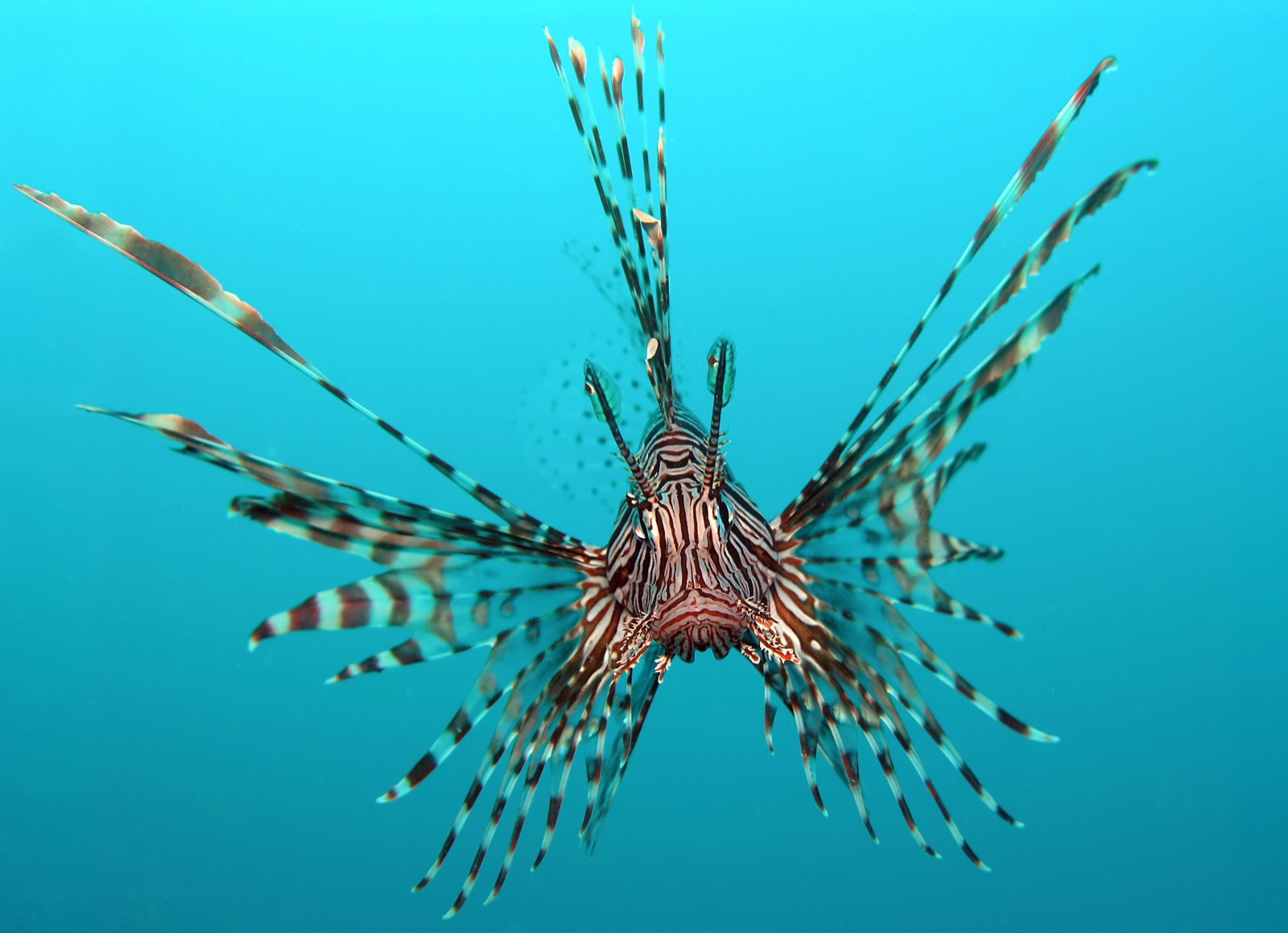
Lionfish
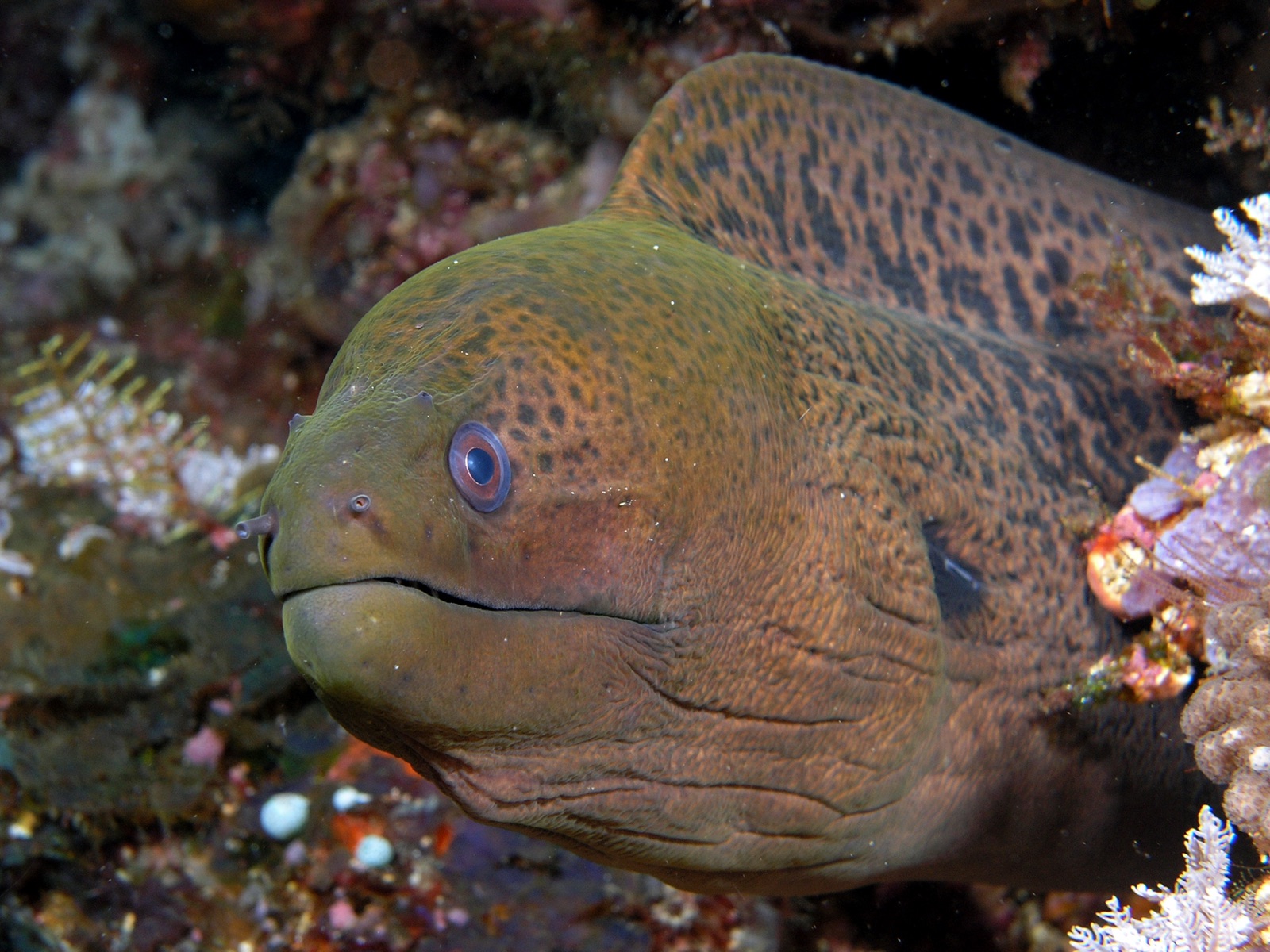
Giant Moray Eel
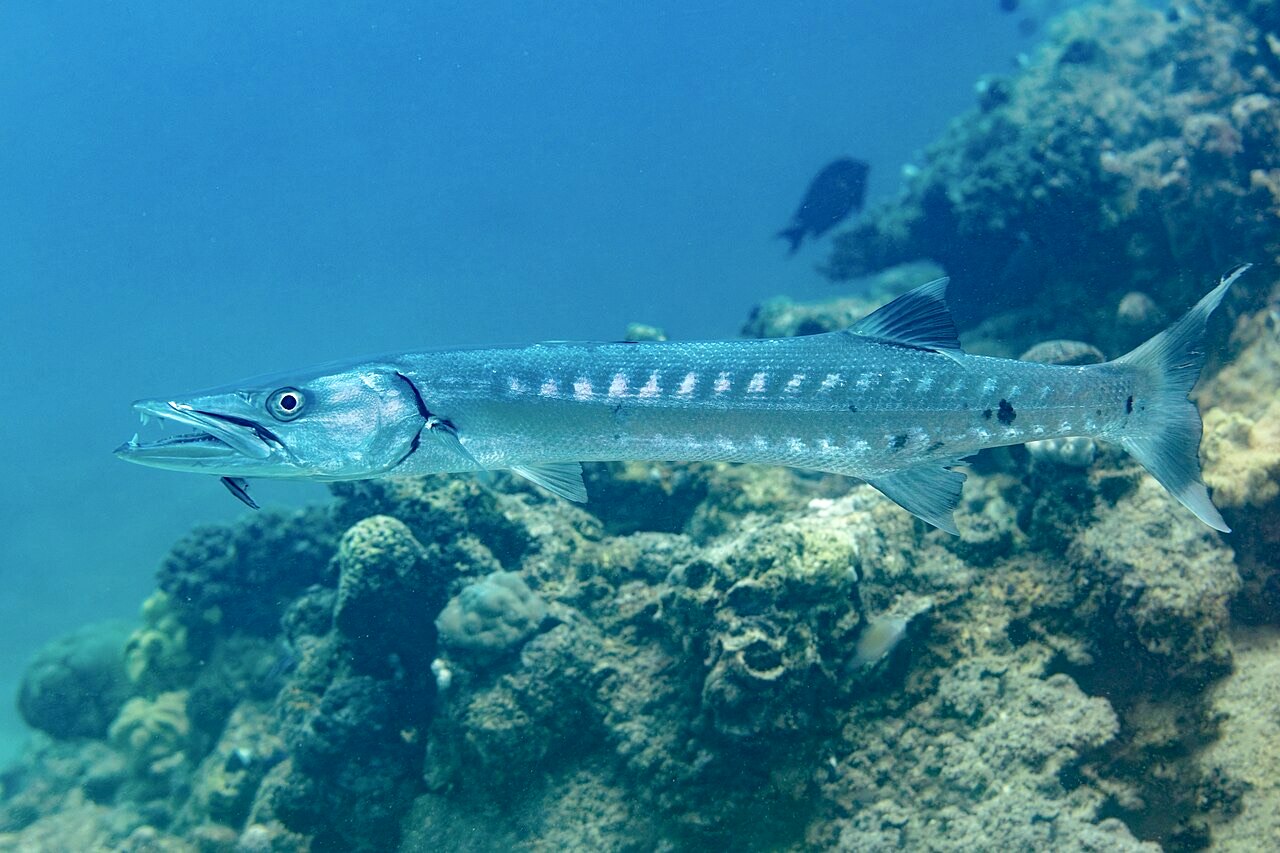
Great Barracuda
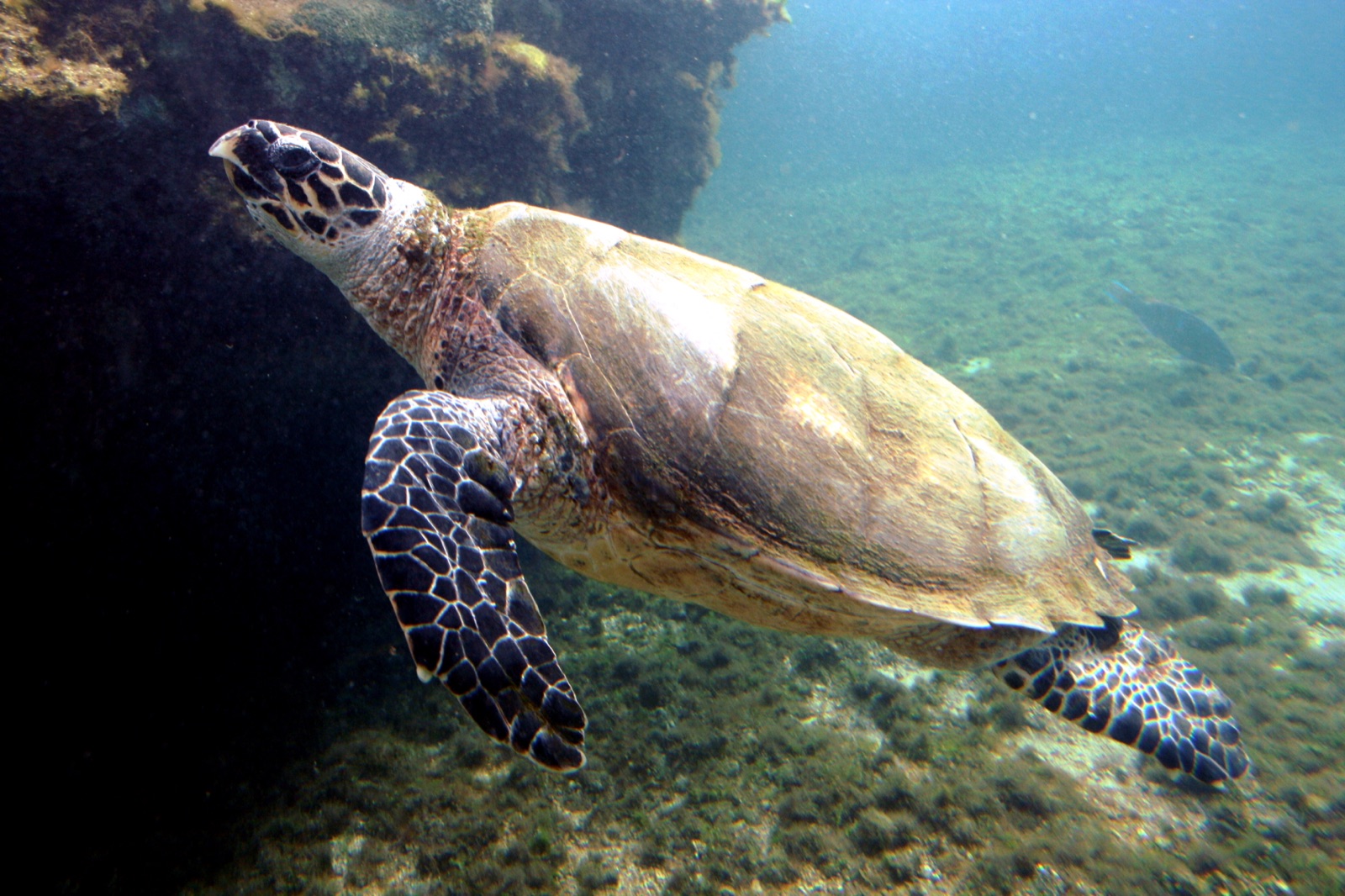
Hawksbill Turtle

Clownfish & Anemonefish
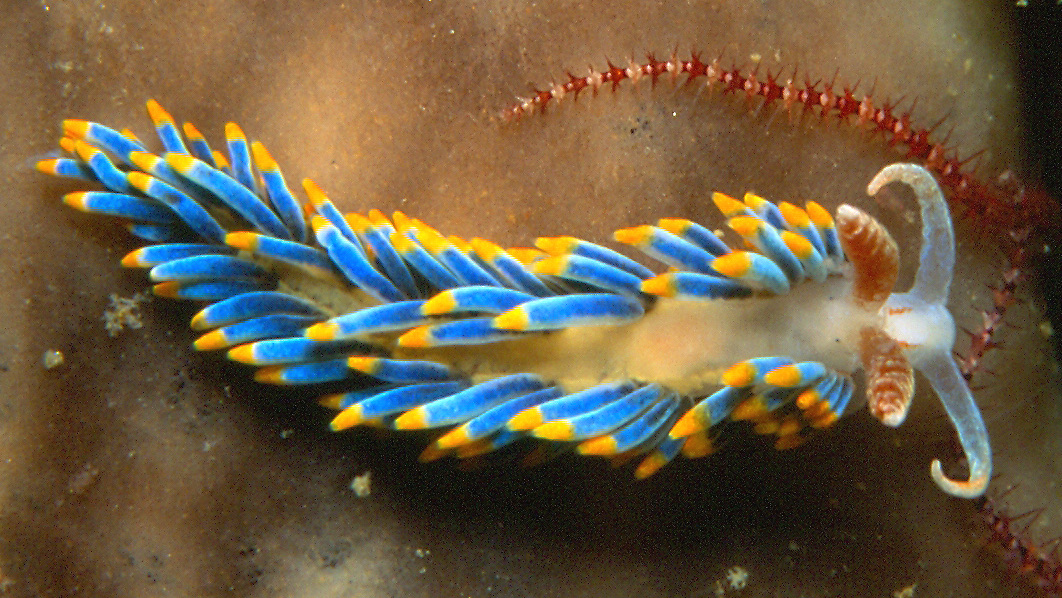
Nudibranchs
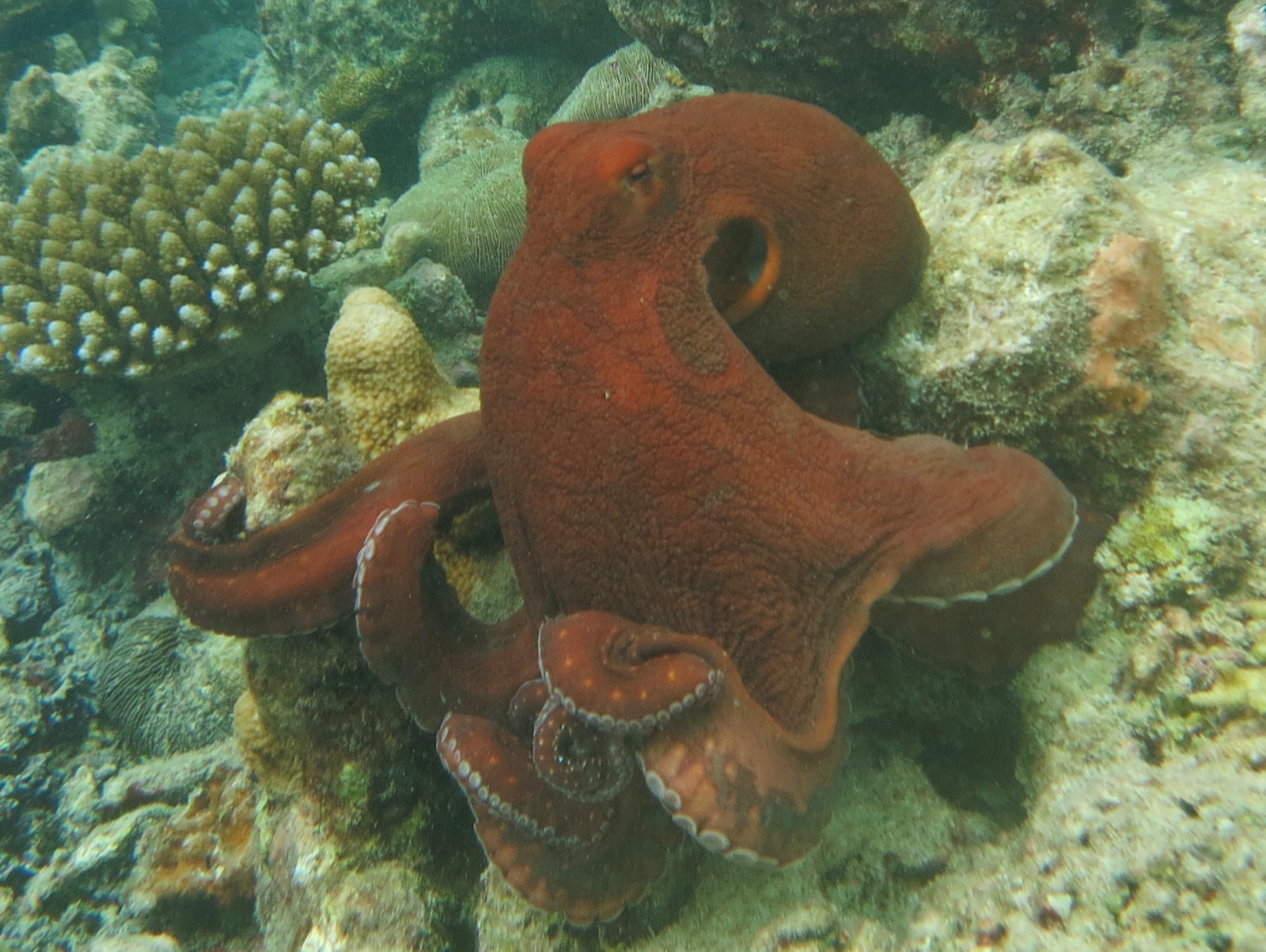
Common Reef (Day) Octopus
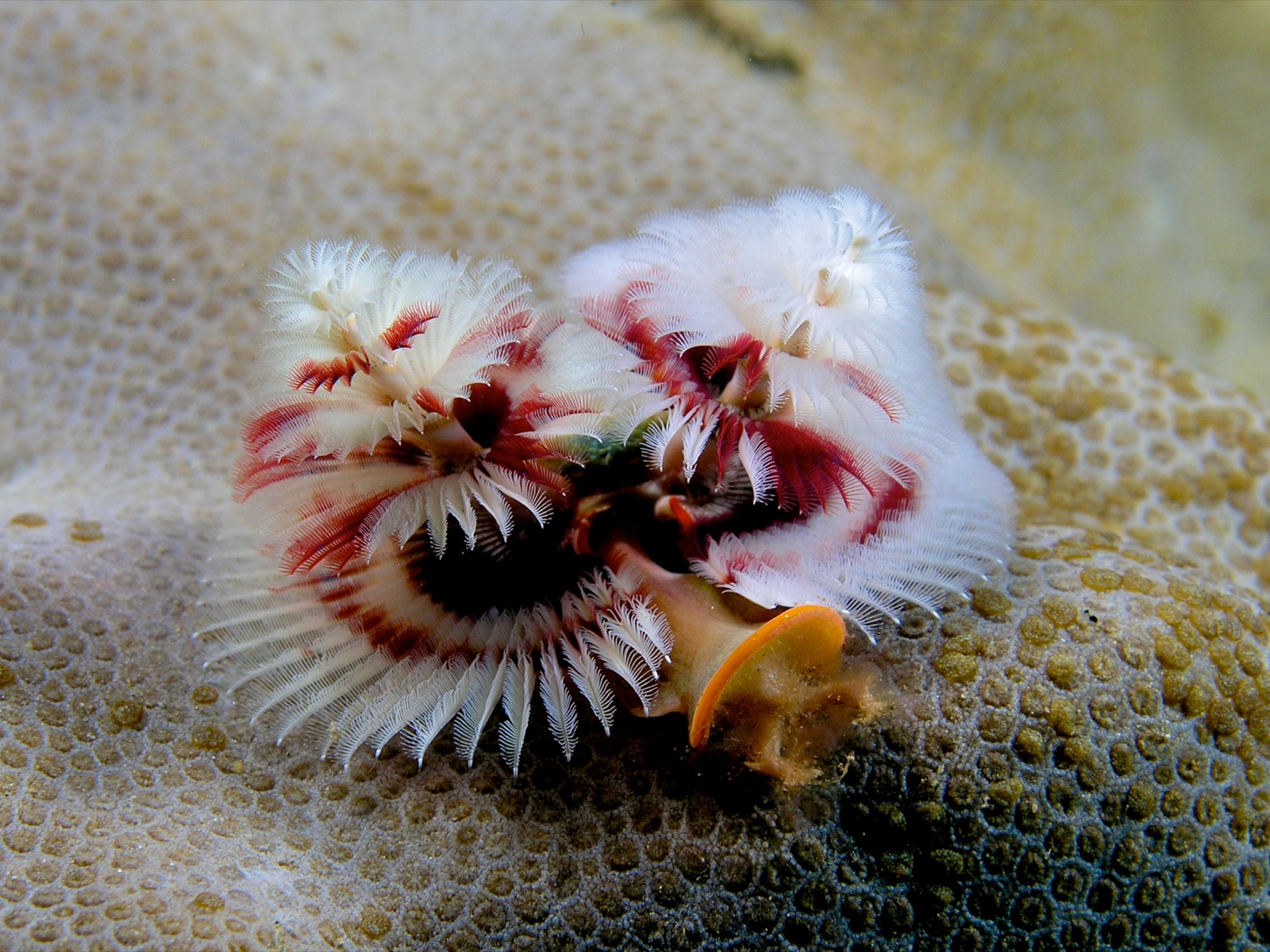
Christmas Tree Worm
Also recorded nearby
"Charted here" species were listed by our editors from the sources on this page. Counts are GBIF occurrence records: observations logged within about 5 km of the charted position since 1990, matched only against the species in our catalogue. They show what has been seen there, not a promise of what you will see.
For photographers
Wide angle: ★★★★★ · Macro: ★★☆☆☆ (editors' 1–5 rating of what this site gives each style of shooting)