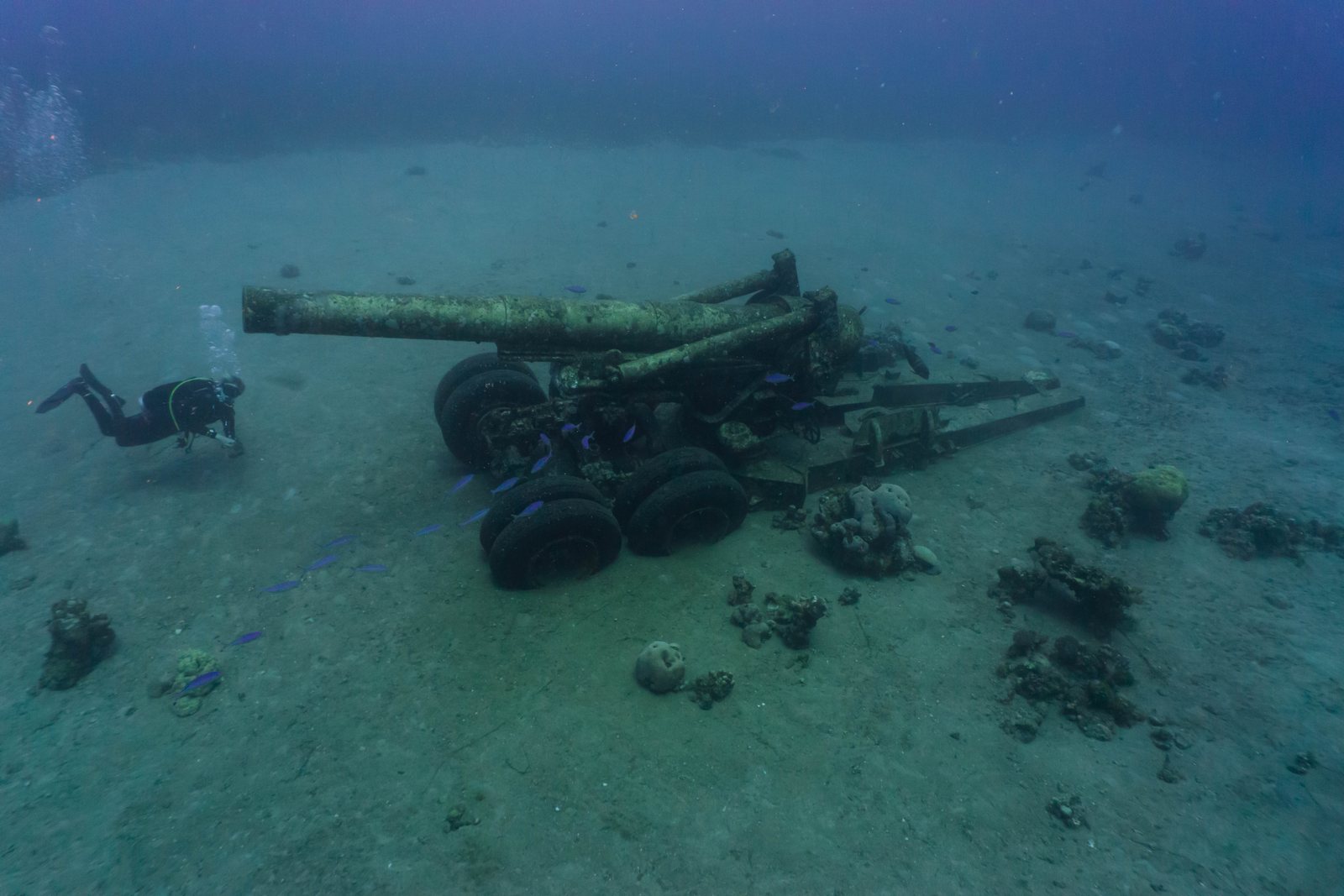
Underwater Military Museum
La profondeur correspond à la plage allant du sommet du site jusqu'à son maximum habituel ; le « niveau recommandé » est le niveau demandé en général par les opérateurs auprès des grandes agences, pas une règle légale. Les courants et la visibilité varient chaque jour, traitez donc tout cela comme des plages indicatives de planification.
In 2019 Jordan sank nineteen retired military vehicles - battle tanks, armored personnel carriers, artillery pieces, an ambulance, and helicopters among them - in a deliberate battle-formation arrangement down a sand slope, creating the most unusual purpose-built dive attraction in the Red Sea. Diving it feels like touring a war memorial drained of war: turrets angled as if advancing, rotor blades feathered with algae, gun barrels becoming perches for lionfish. The formation spans a comfortable depth band from about 15 to 28 meters, so a single dive can zigzag most of the collection. Coral colonization is young but visibly under way, and each visit reads differently as the sea claims more. Photographers should bring wide lenses and expect other groups; the museum has become a headline act.
Le moment pour lequel vous venez: Helicopters and tanks in deliberate formation; a surreal, highly photogenic layout; measurable year-on-year reef growth.
Topographie: Nineteen military vehicles arranged in formation on a sand slope
Entrée: Buoyed site a short boat hop down the coast; also reachable as a committed shore dive with a guide.
À savoir avant de plonger
Dangers: Entanglement points around rotors and barrels; depth adds up while touring the formation.
Conservation: The vehicles were stripped and cleaned before sinking; treat the growing coral as the exhibit it is becoming.
Nitrox: Pertinent ici : les profils se situent dans la plage où le nitrox prolonge significativement le temps sans palier (avec la formation pour l'utiliser).
Qui vous croiserez
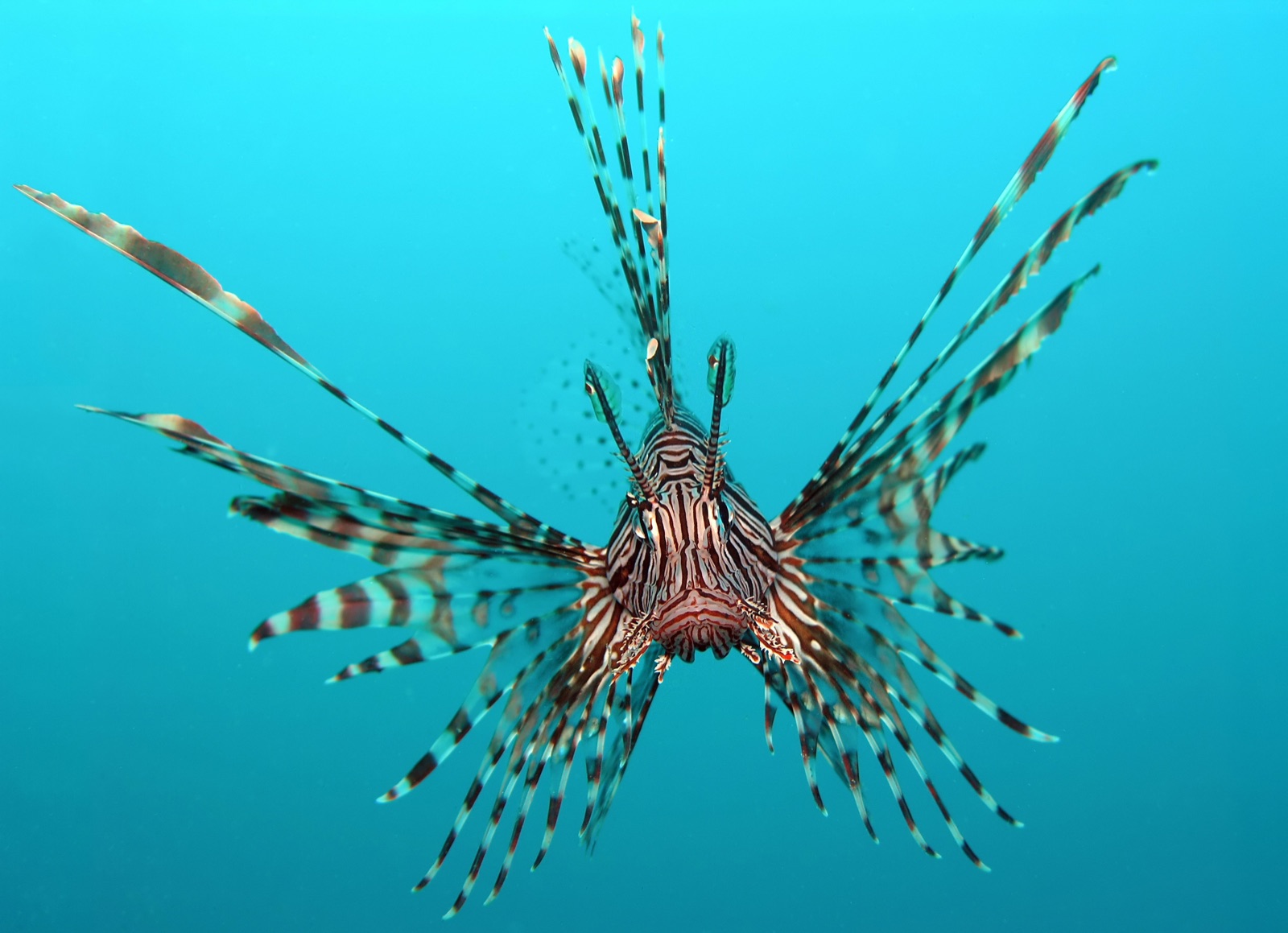
Lionfish
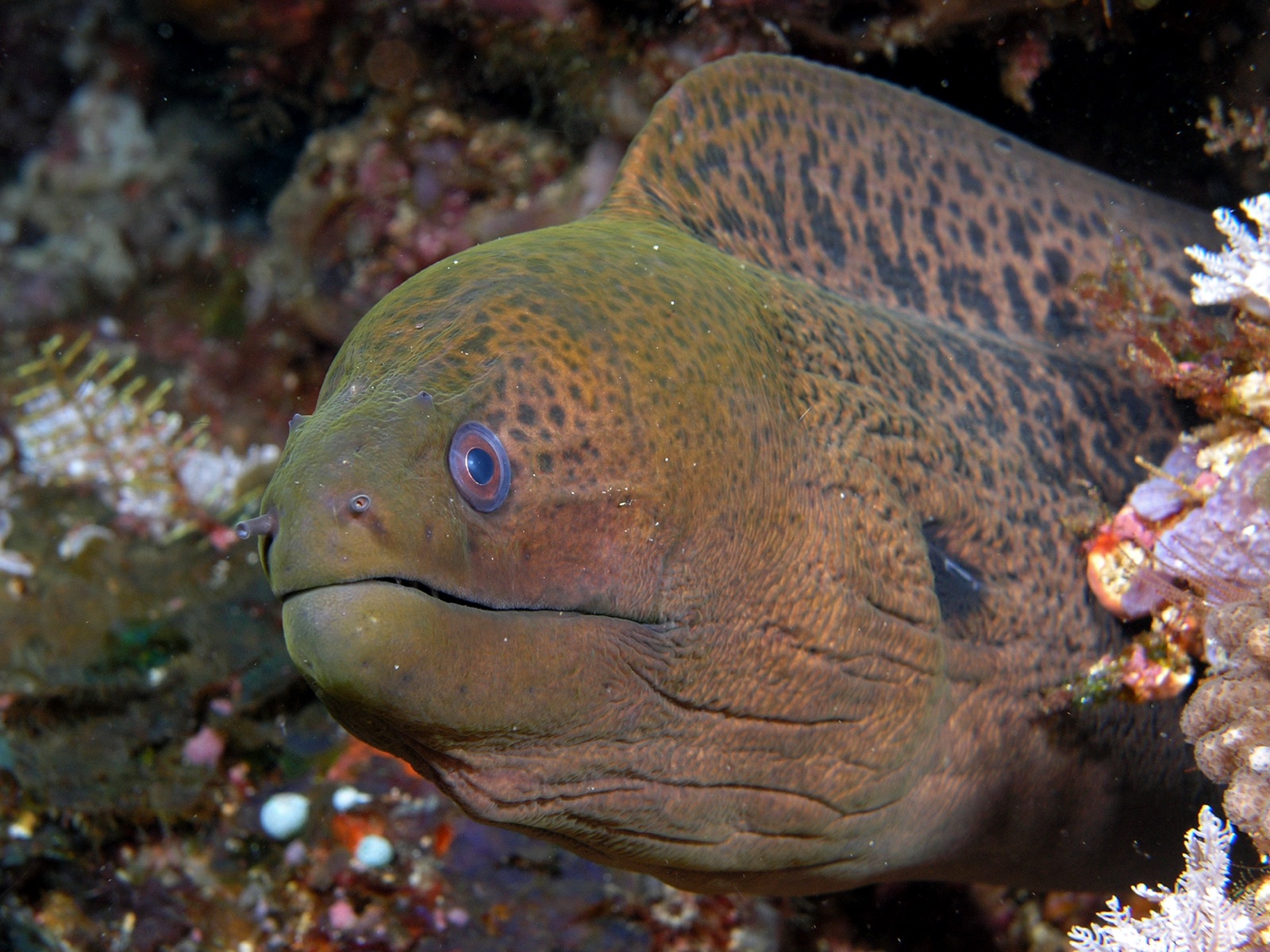
Giant Moray Eel
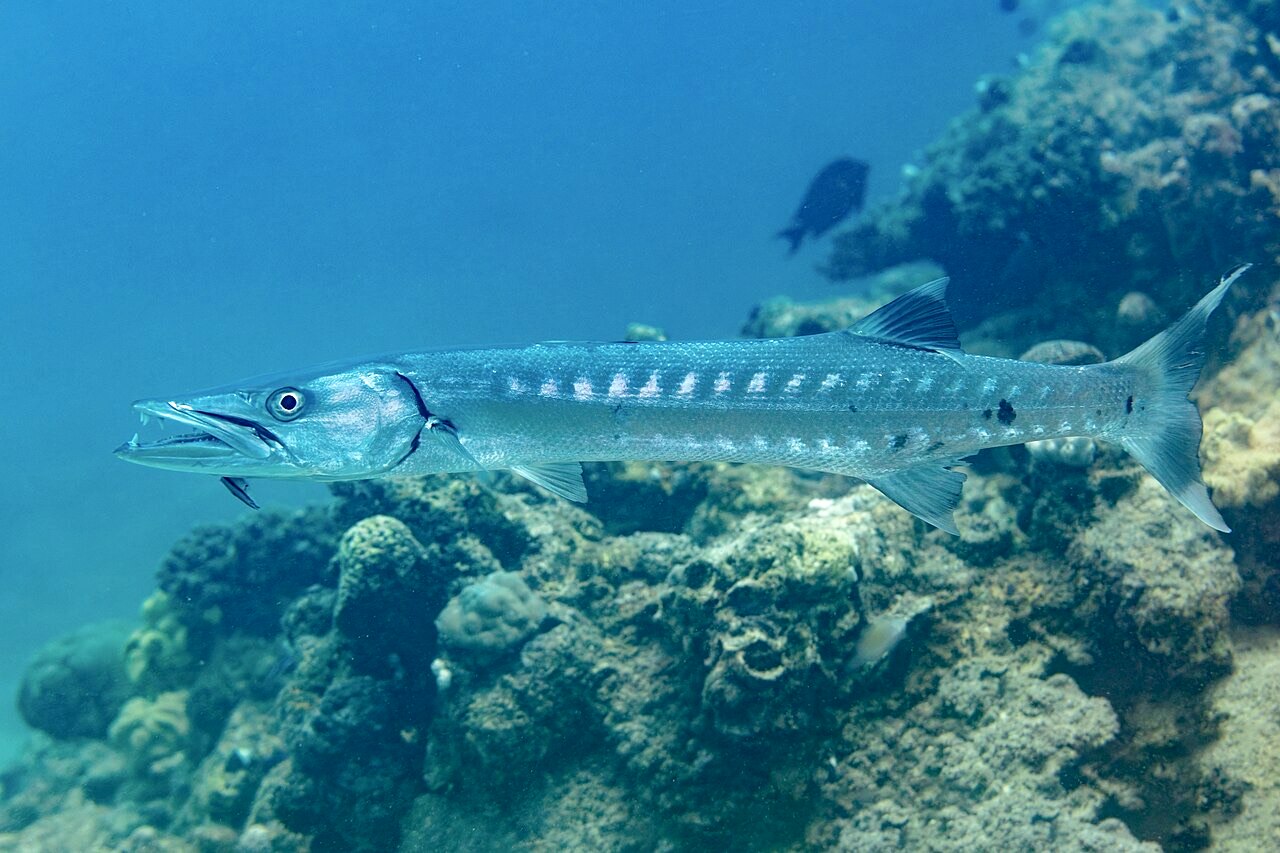
Great Barracuda
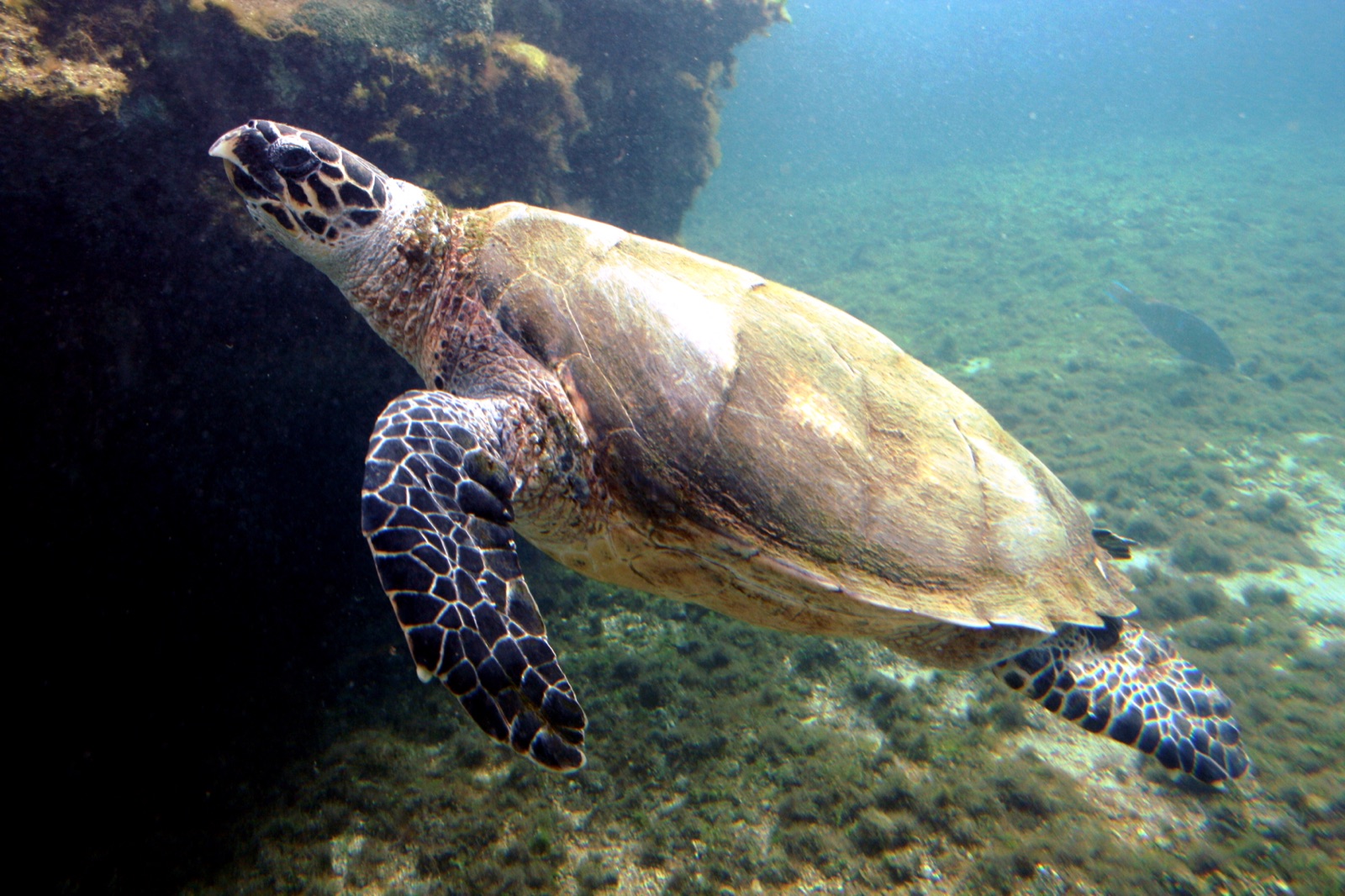
Hawksbill Turtle
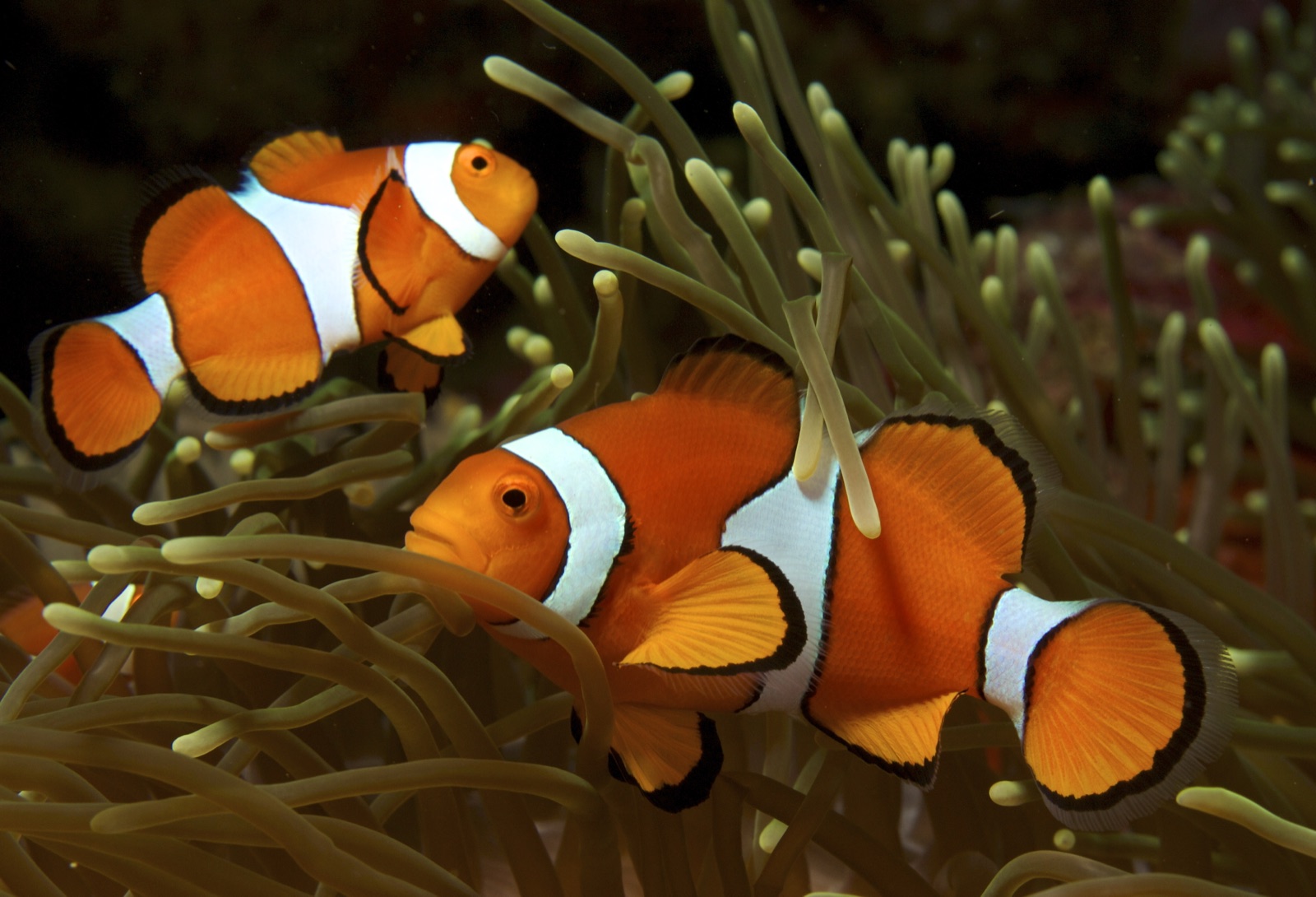
Clownfish & Anemonefish
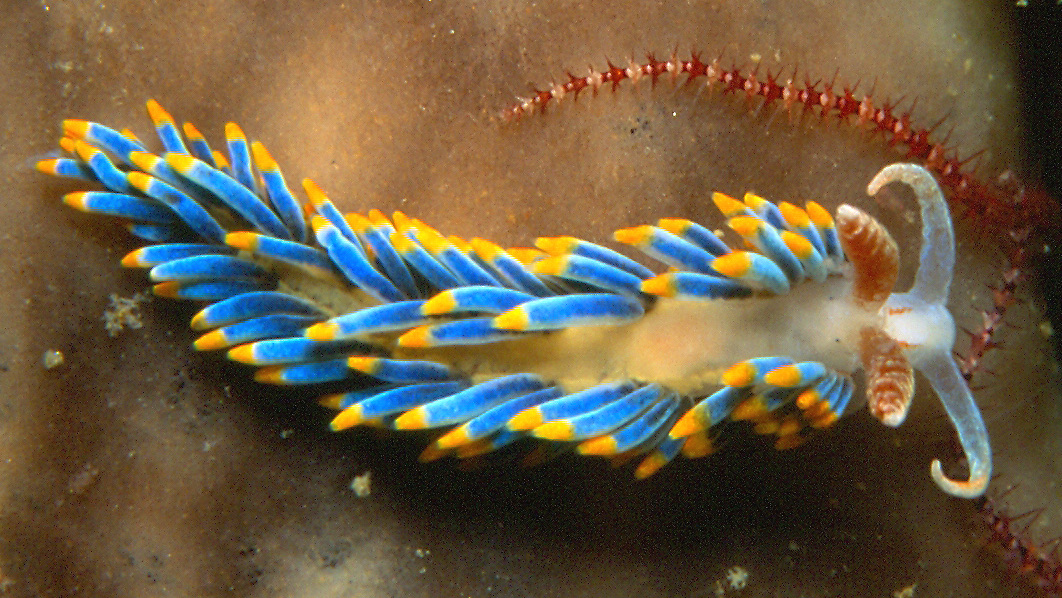
Nudibranchs
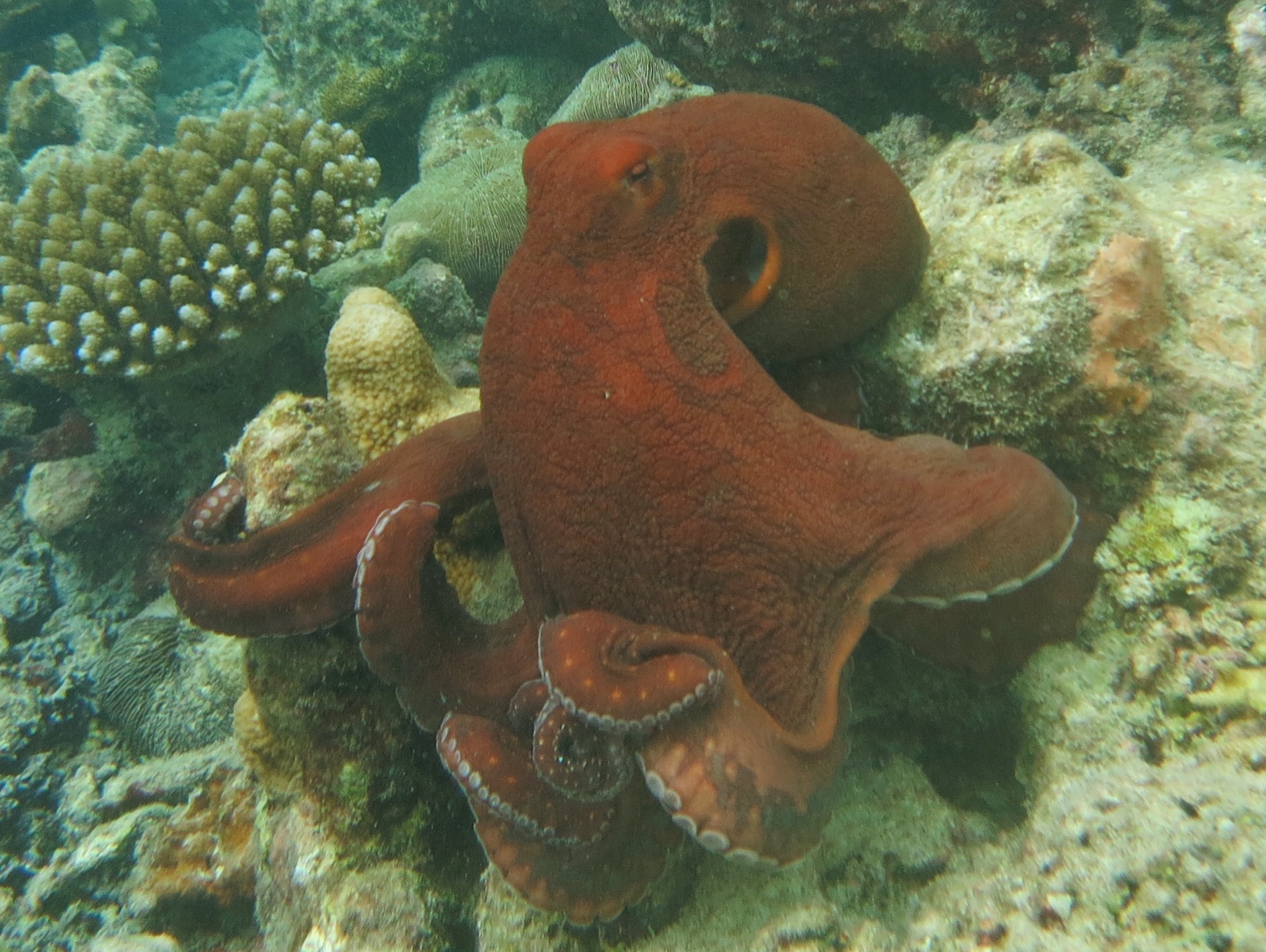
Common Reef (Day) Octopus
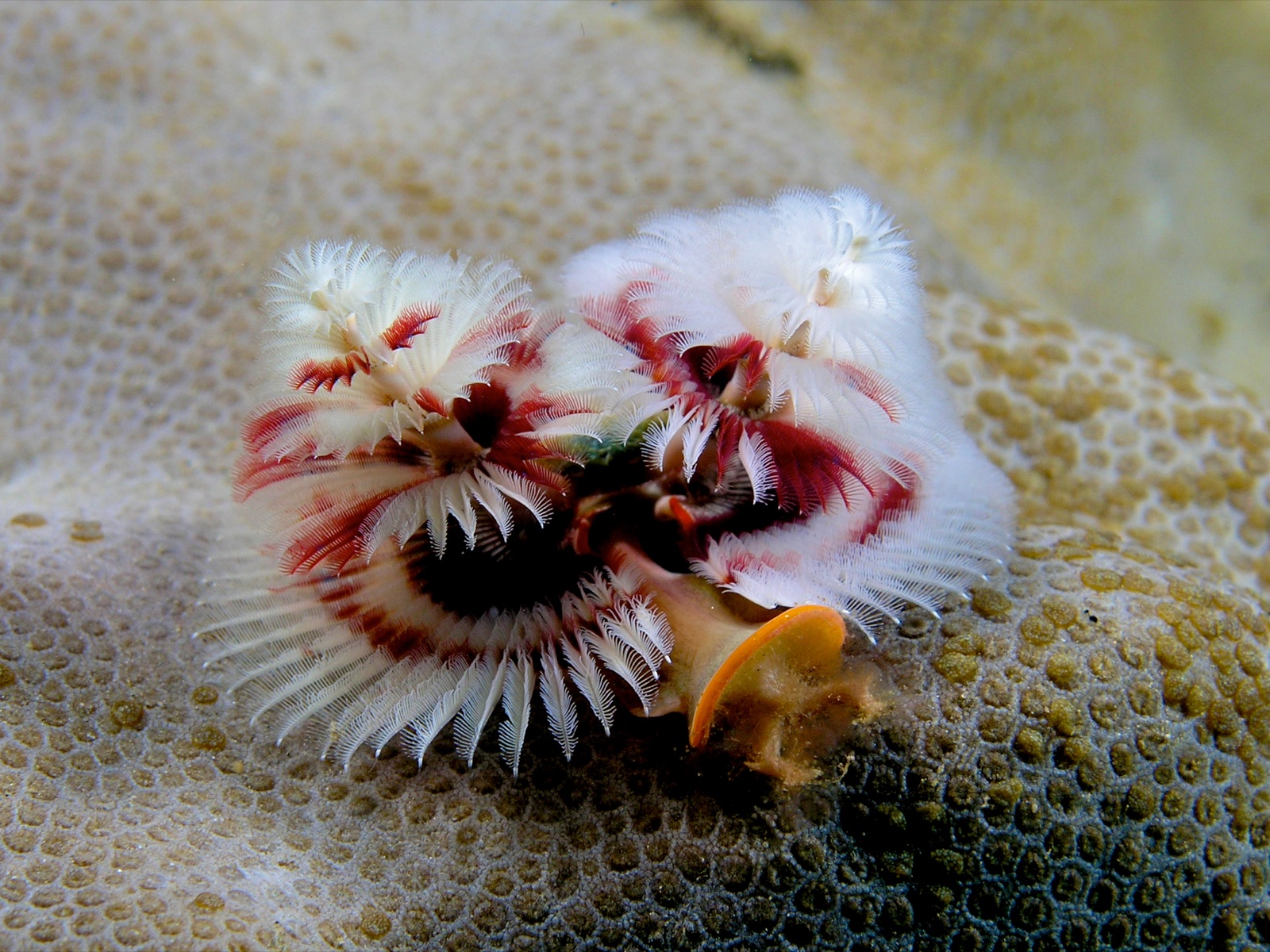
Christmas Tree Worm
Également observé à proximité
Les espèces « cartographiées ici » ont été répertoriées par nos éditeurs à partir des sources indiquées sur cette page. Les comptages correspondent aux occurrences GBIF : observations enregistrées dans un rayon d'environ 5 km autour de la position cartographiée depuis 1990, comparées uniquement aux espèces de notre catalogue. Ils indiquent ce qui a été observé à cet endroit, sans garantir ce que vous y verrez.
Pour les photographes
Grand angle: ★★★★★ · Macro: ★★☆☆☆ (note 1–5 des éditeurs sur ce que ce site offre à chaque style de prise de vue)