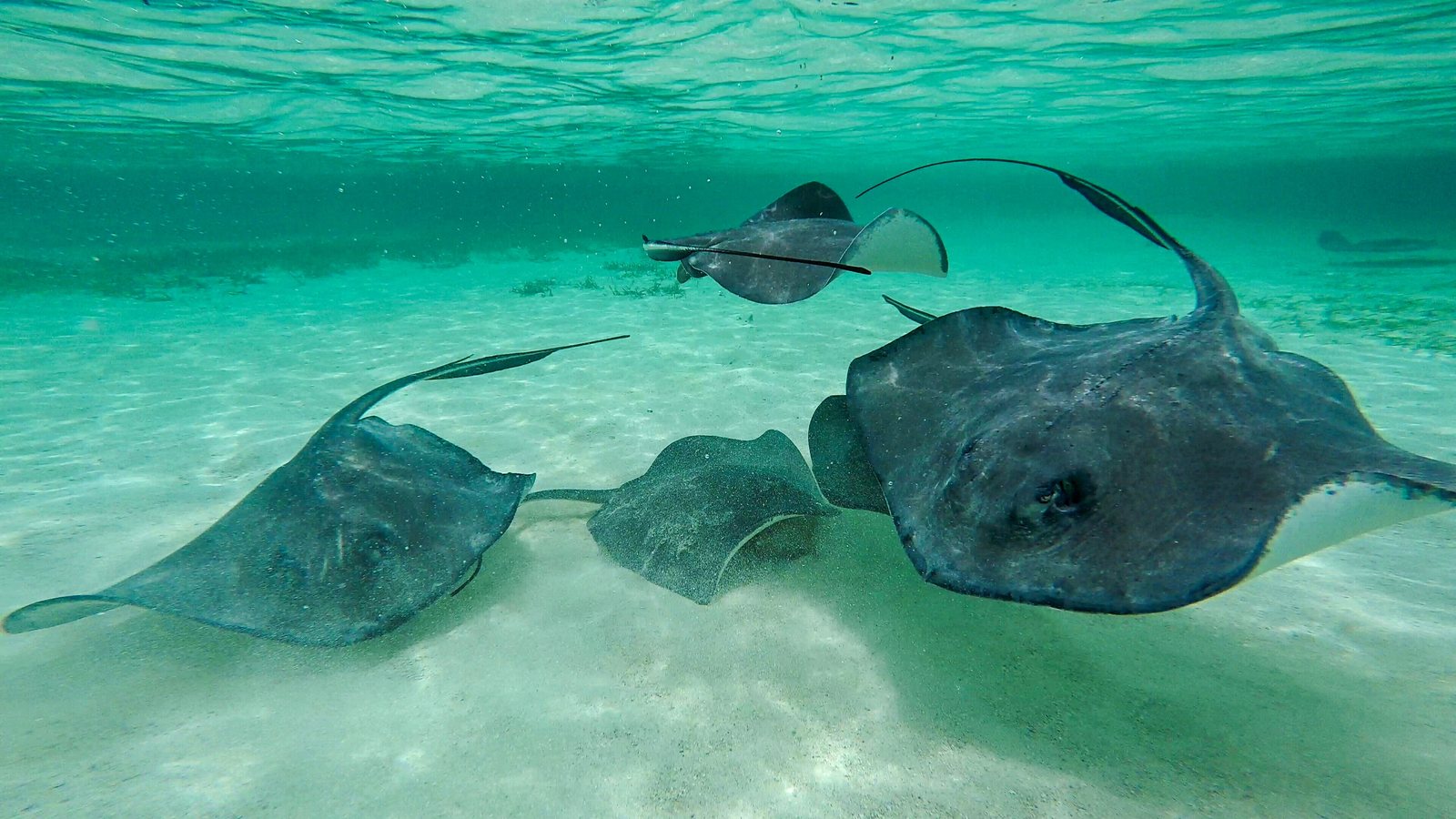
Hol Chan Cut
La profondeur correspond à la plage allant du sommet du site jusqu'à son maximum habituel ; le « niveau recommandé » est le niveau demandé en général par les opérateurs auprès des grandes agences, pas une règle légale. Les courants et la visibilité varient chaque jour, traitez donc tout cela comme des plages indicatives de planification.
Hol Chan is proof of what a few protected decades do. The cut through the barrier reef has been off-limits to fishing since 1987, and its residents have concluded that humans are furniture: black groupers the size of doormen hold mid-channel, green morays free-swim in daylight, and nurse sharks and southern stingrays pile up nearby where guides once rinsed fish scraps at Shark Ray Alley. Turtles graze the seagrass beds with an escort of remoras. The dive is shallow and short on solitude (this is Belize's busiest reserve), but the biomass per minute is unmatched in the country.
Le moment pour lequel vous venez: Fearless big groupers and morays, nurse sharks and rays, protected-channel fish density.
Topographie: A natural break in the barrier reef ('little channel' in Yucatec Maya), floored with sand, seagrass, and coral ledges.
Courant: Tidal flow through the cut can be brisk; guides time the drift.
Entrée: Minutes from San Pedro and Caye Caulker; guided entries drift the channel with the tide.
À savoir avant de plonger
Dangers: Tidal current in the cut and constant tour-boat traffic overhead.
Permis & règlements: Reserve entrance fee per person, collected by operators.
Conservation: Belize's oldest marine reserve; fees fund rangers, and the tameness of the animals is a trust not to abuse: no touching or feeding.
Qui vous croiserez
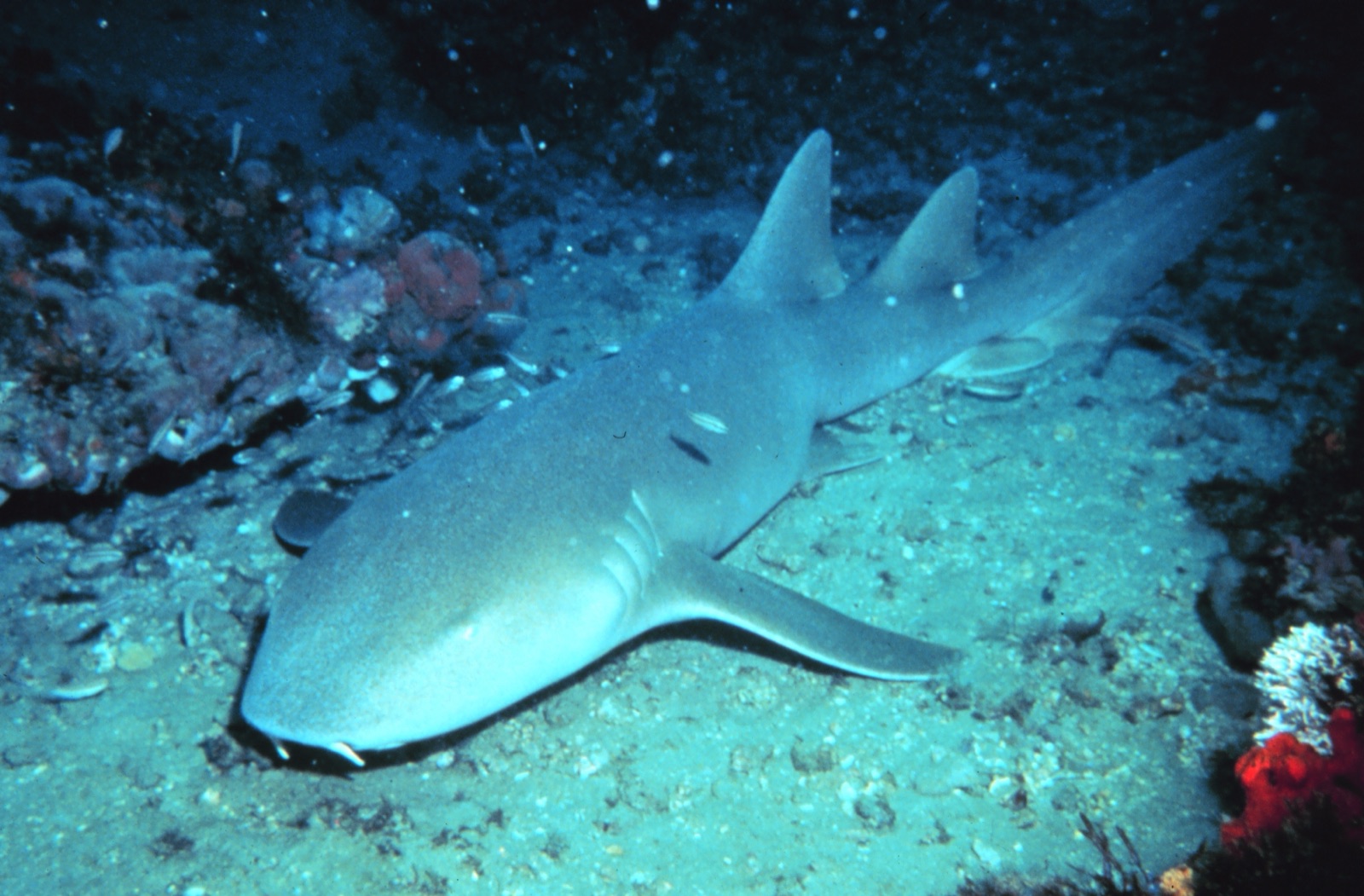
Nurse Shark
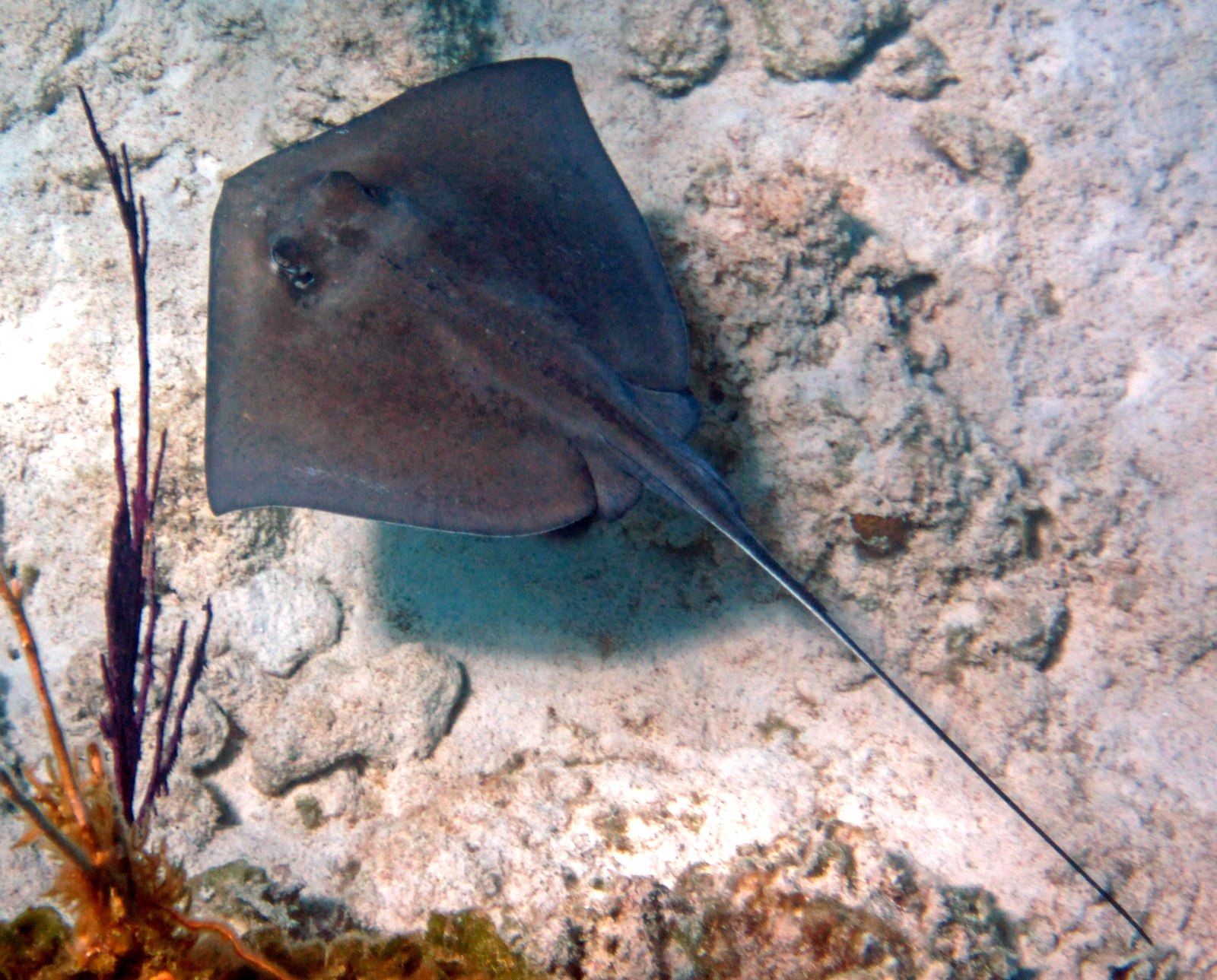
Southern Stingray
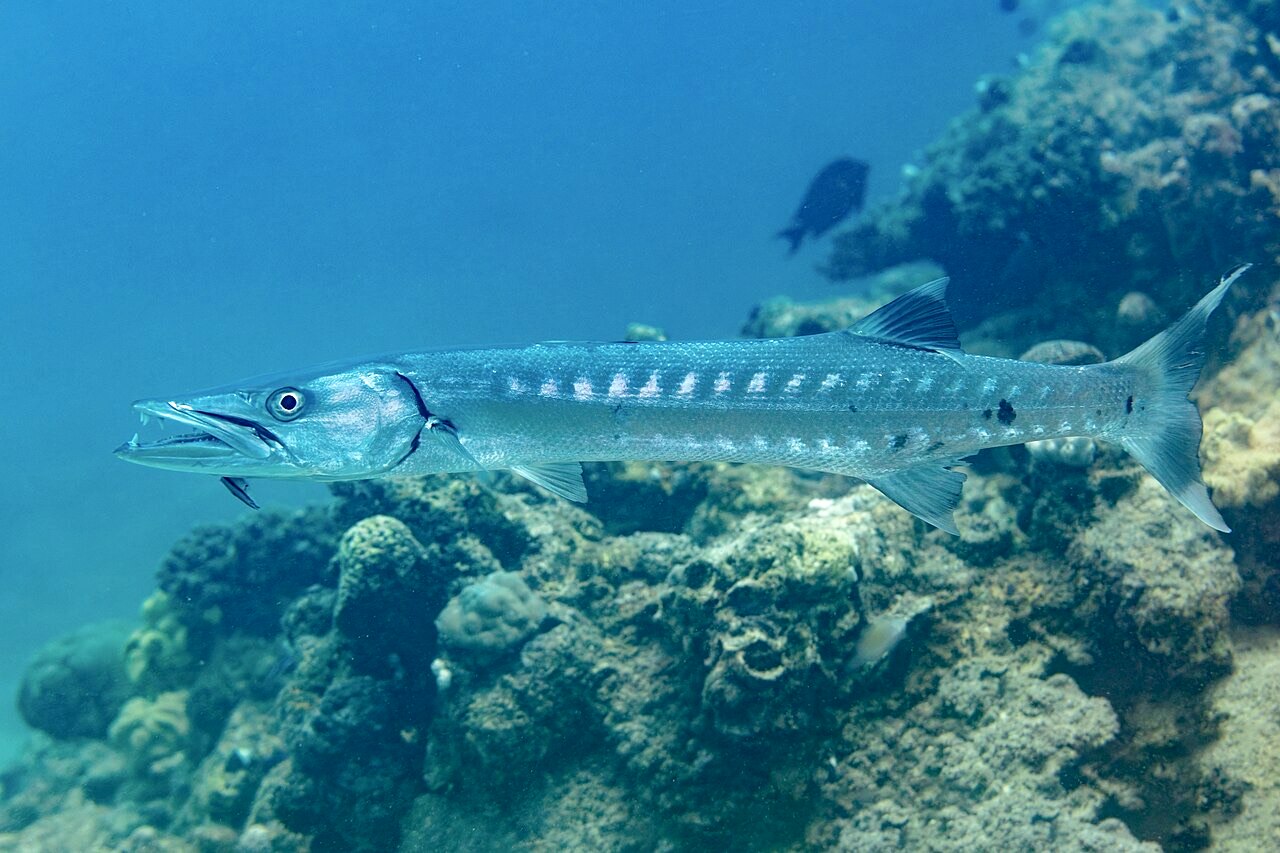
Great Barracuda
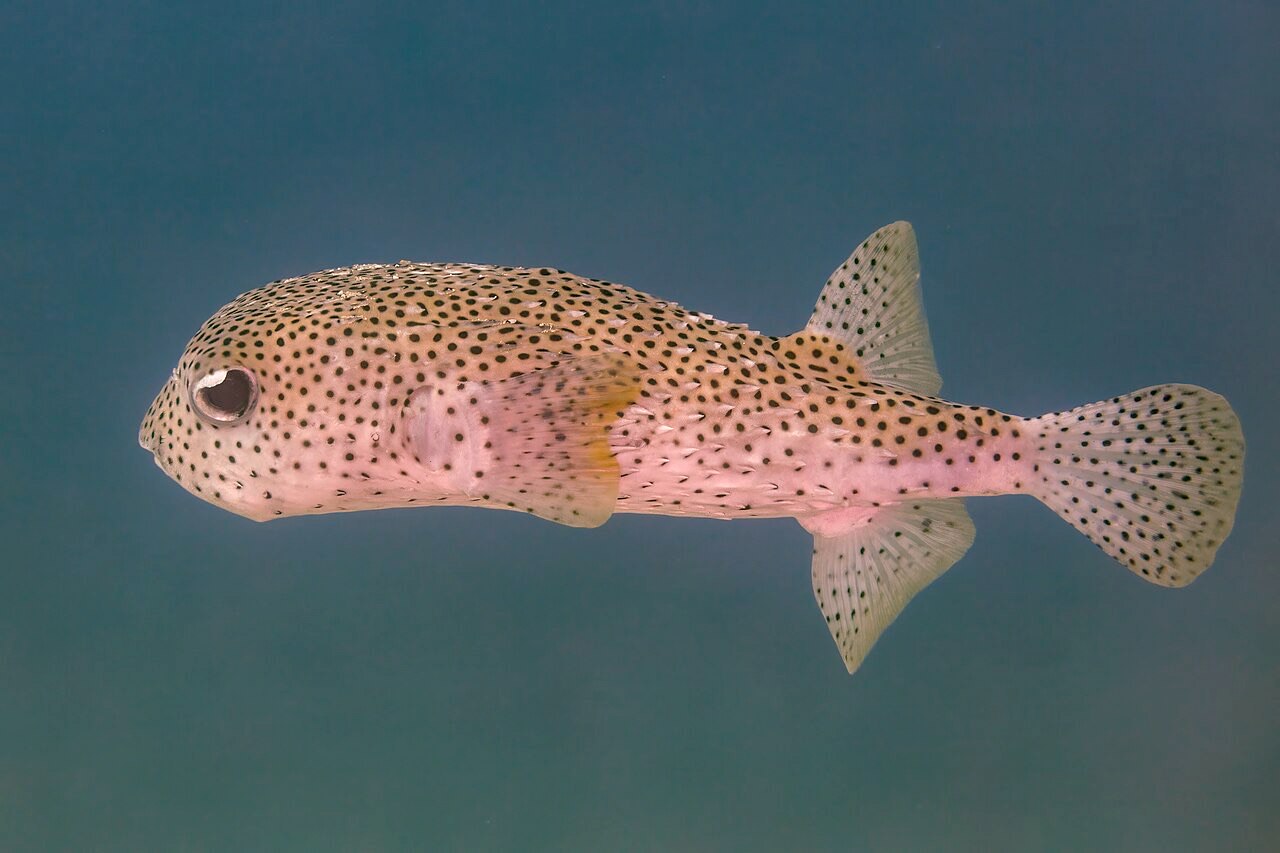
Porcupinefish
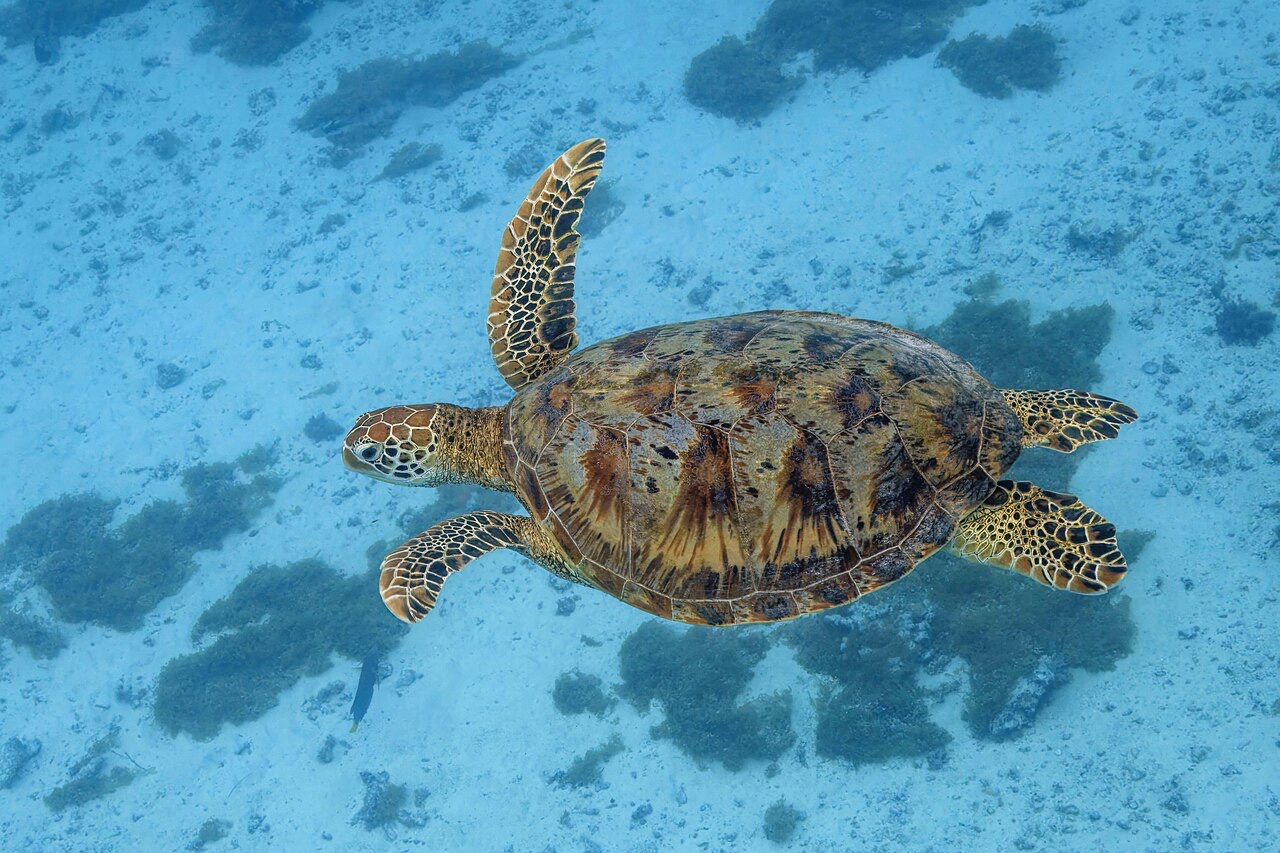
Green Sea Turtle
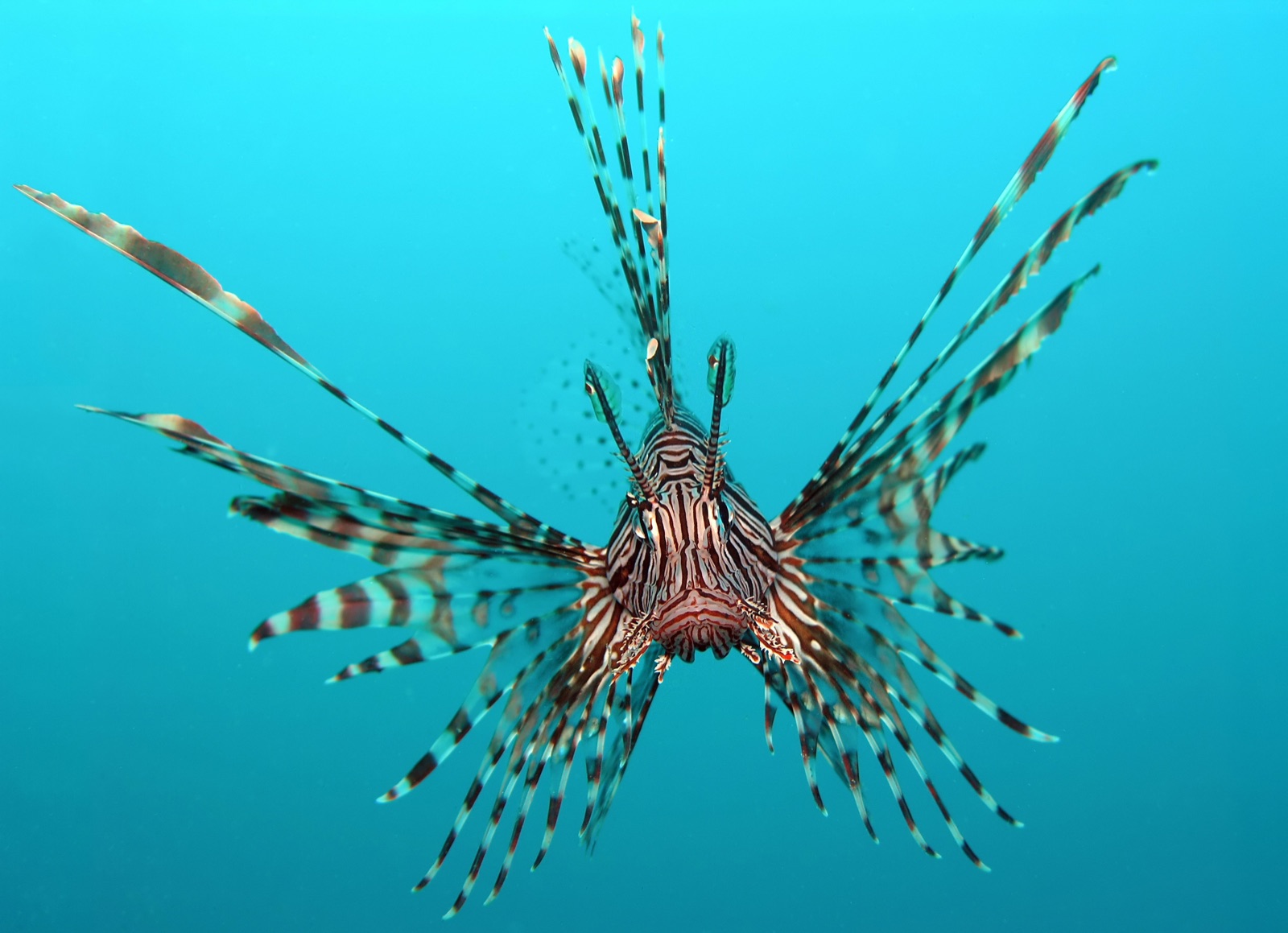
Lionfish
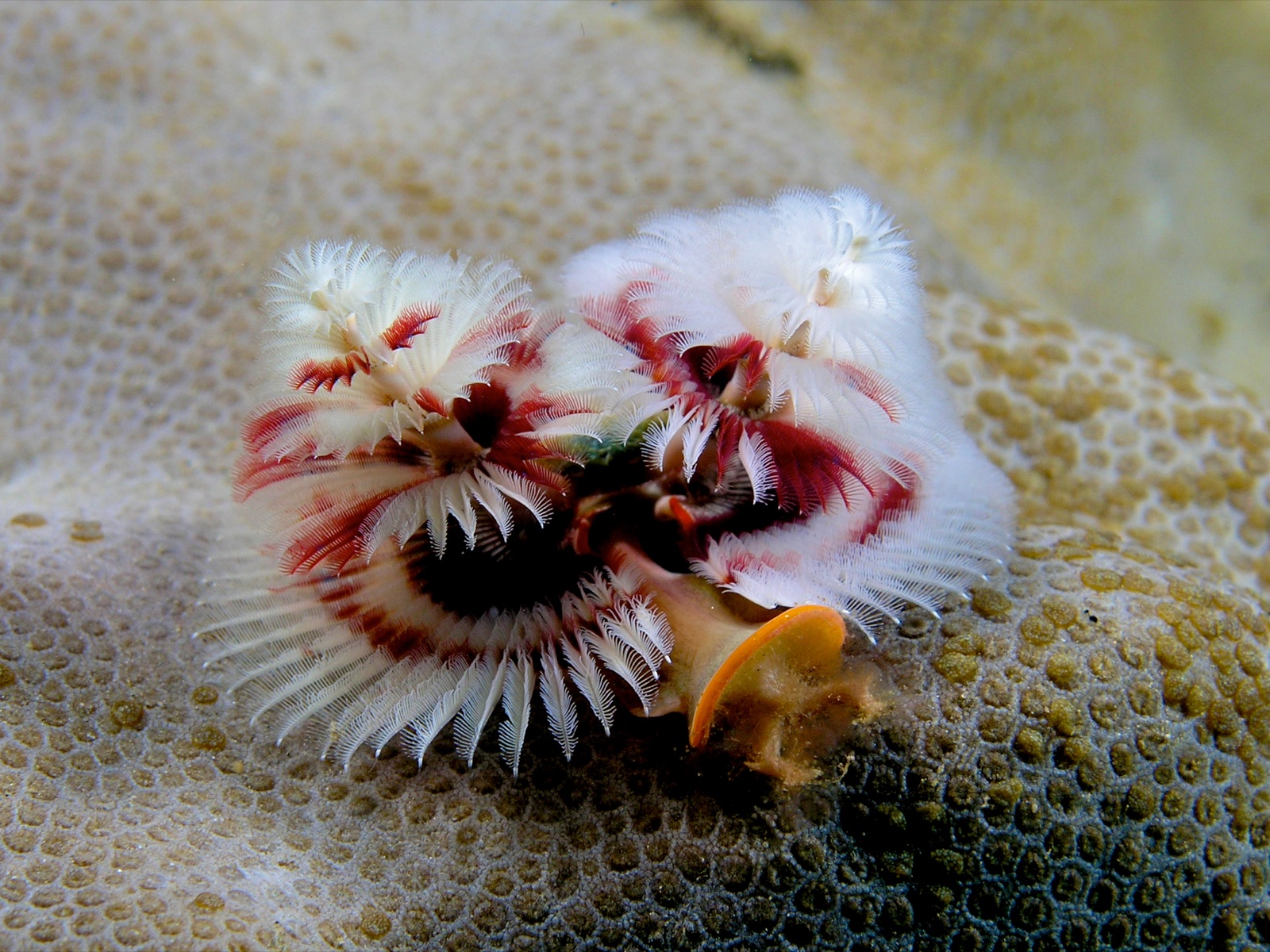
Christmas Tree Worm
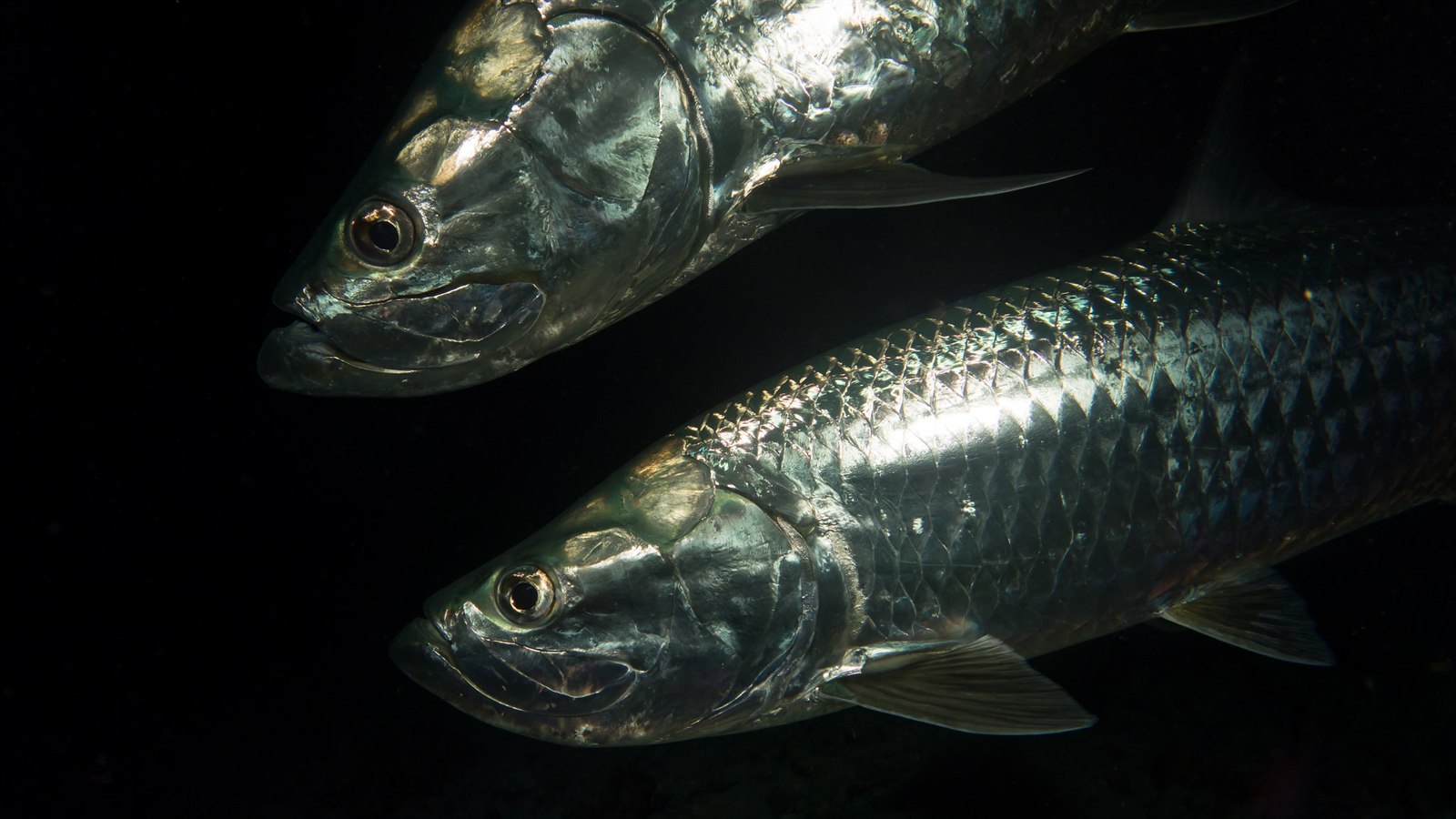
Atlantic Tarpon
Également observé à proximité
Les espèces « cartographiées ici » ont été répertoriées par nos éditeurs à partir des sources indiquées sur cette page. Les comptages correspondent aux occurrences GBIF : observations enregistrées dans un rayon d'environ 5 km autour de la position cartographiée depuis 1990, comparées uniquement aux espèces de notre catalogue. Ils indiquent ce qui a été observé à cet endroit, sans garantir ce que vous y verrez.
Pour les photographes
Grand angle: ★★★★☆ · Macro: ★★☆☆☆ (note 1–5 des éditeurs sur ce que ce site offre à chaque style de prise de vue)