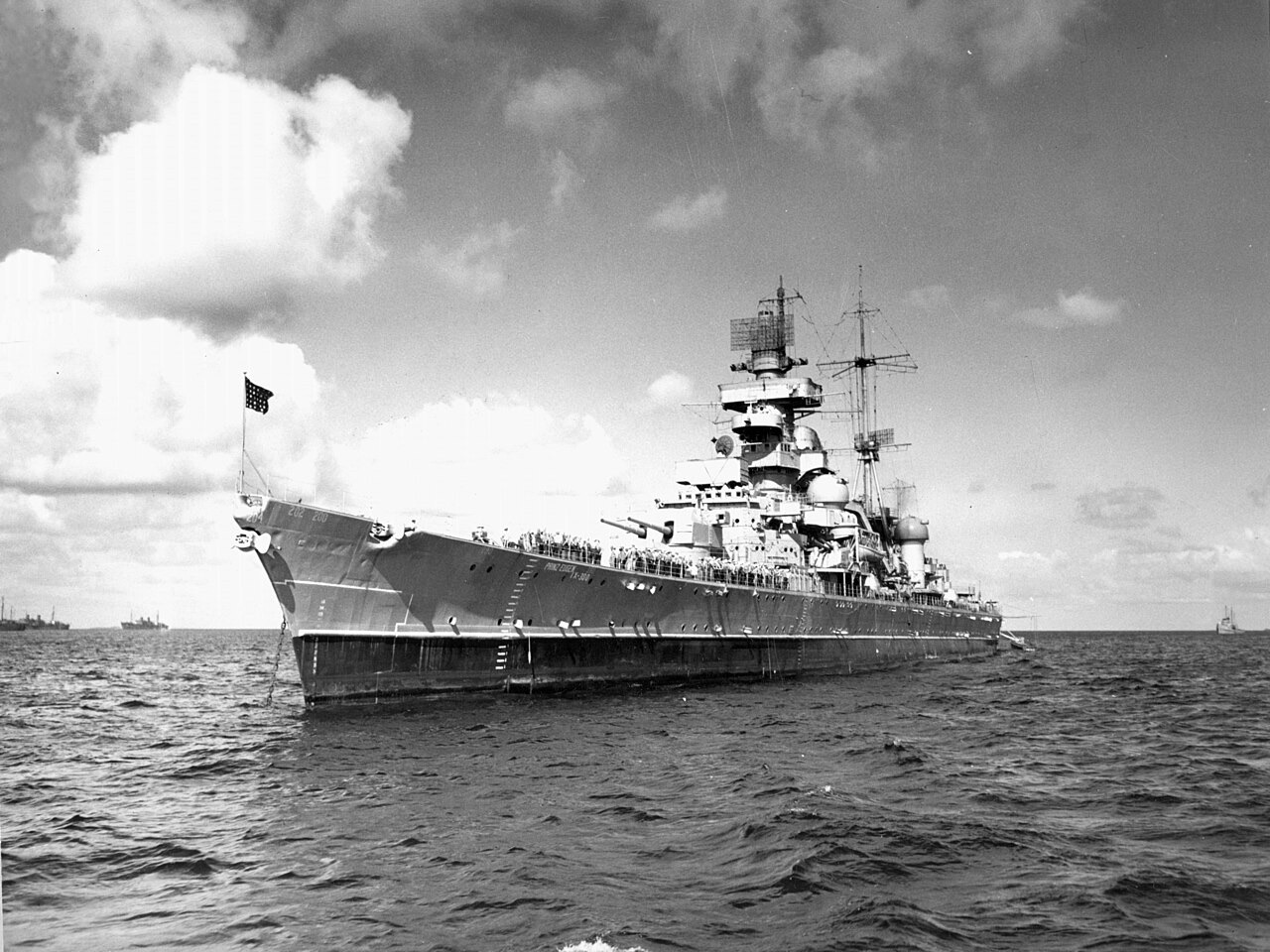
Prinz Eugen
La profondeur correspond à la plage allant du sommet du site jusqu'à son maximum habituel ; le « niveau recommandé » est le niveau demandé en général par les opérateurs auprès des grandes agences, pas une règle légale. Les courants et la visibilité varient chaque jour, traitez donc tout cela comme des plages indicatives de planification.
The Prinz Eugen is the odd survivor's story of Operation Crossroads. The German heavy cruiser, Bismarck's consort in 1941, rode out both 1946 blasts at Bikini, was towed to Kwajalein Atoll for study, and capsized there that December. She still lies where she rolled, upside down on a slope with her stern section near the surface; for decades a propeller shaft and rudders broke the water before one screw was recovered to Germany as a memorial. Divers who obtain access work along the inverted hull past torpedo tubes, guns, and the armor belt of one of the last intact heavy cruisers anywhere.
Le moment pour lequel vous venez: An essentially complete WWII heavy cruiser; torpedo tubes and armament visible along the hull; naval history stacked from surface to sand.
Topographie: Capsized hull on a shallow lagoon slope, stern near the surface and bow deeper
Entrée: The ship lies in Kwajalein Atoll, not Bikini's lagoon; access runs through operators and US Army Garrison arrangements and is not open on demand.
À savoir avant de plonger
Dangers: Inverted overhead spaces with collapsing internals; restricted and changeable access arrangements; fuel and munitions history in the hull.
Conservation: A US-titled war memorial wreck in Marshallese waters; oil was removed in a 2018 operation, and disturbance of the hull or fittings is prohibited.
Nitrox: Pertinent ici : les profils se situent dans la plage où le nitrox prolonge significativement le temps sans palier (avec la formation pour l'utiliser).
Qui vous croiserez
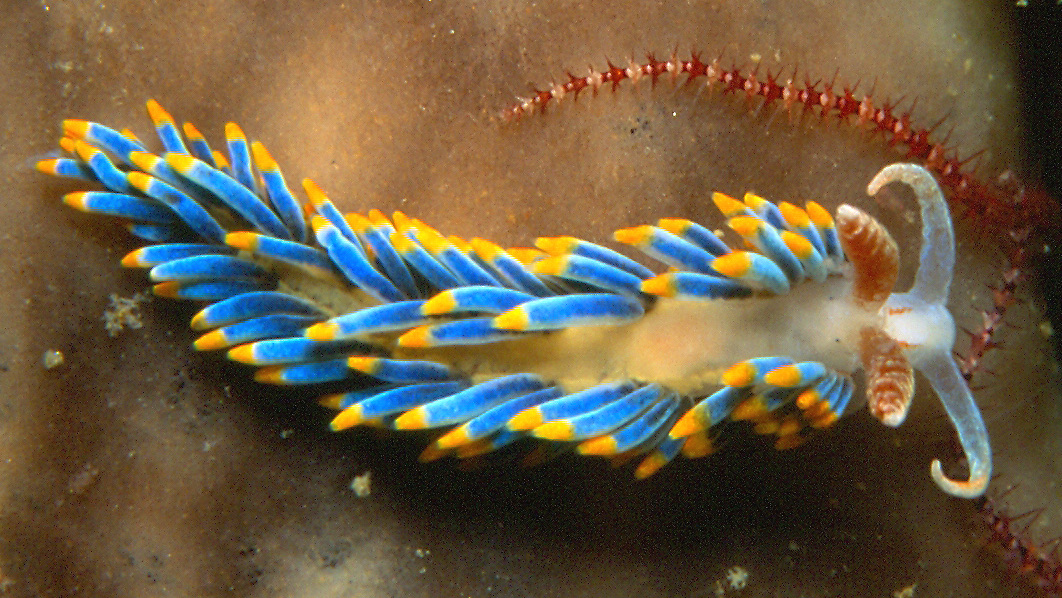
Nudibranchs
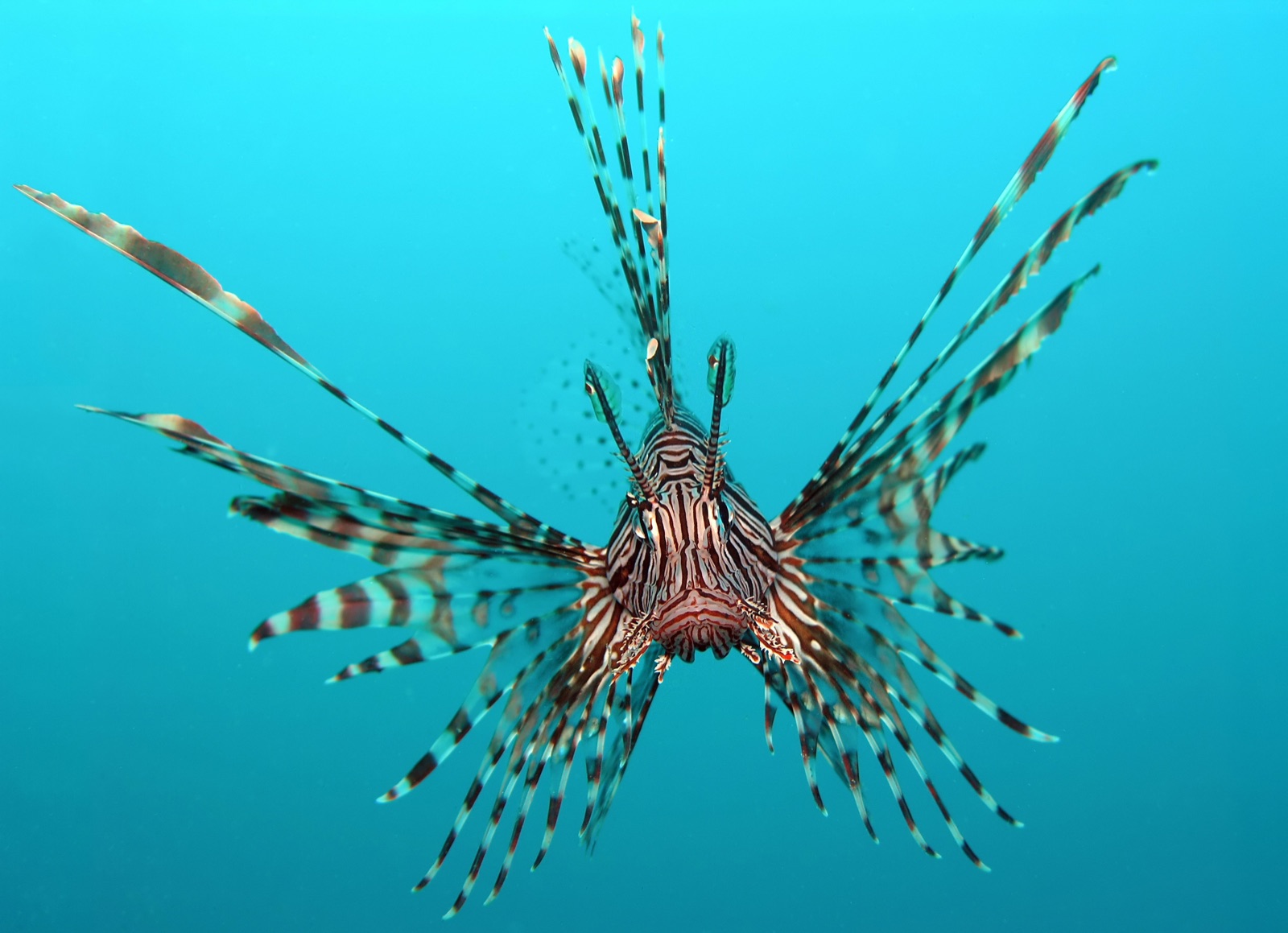
Lionfish
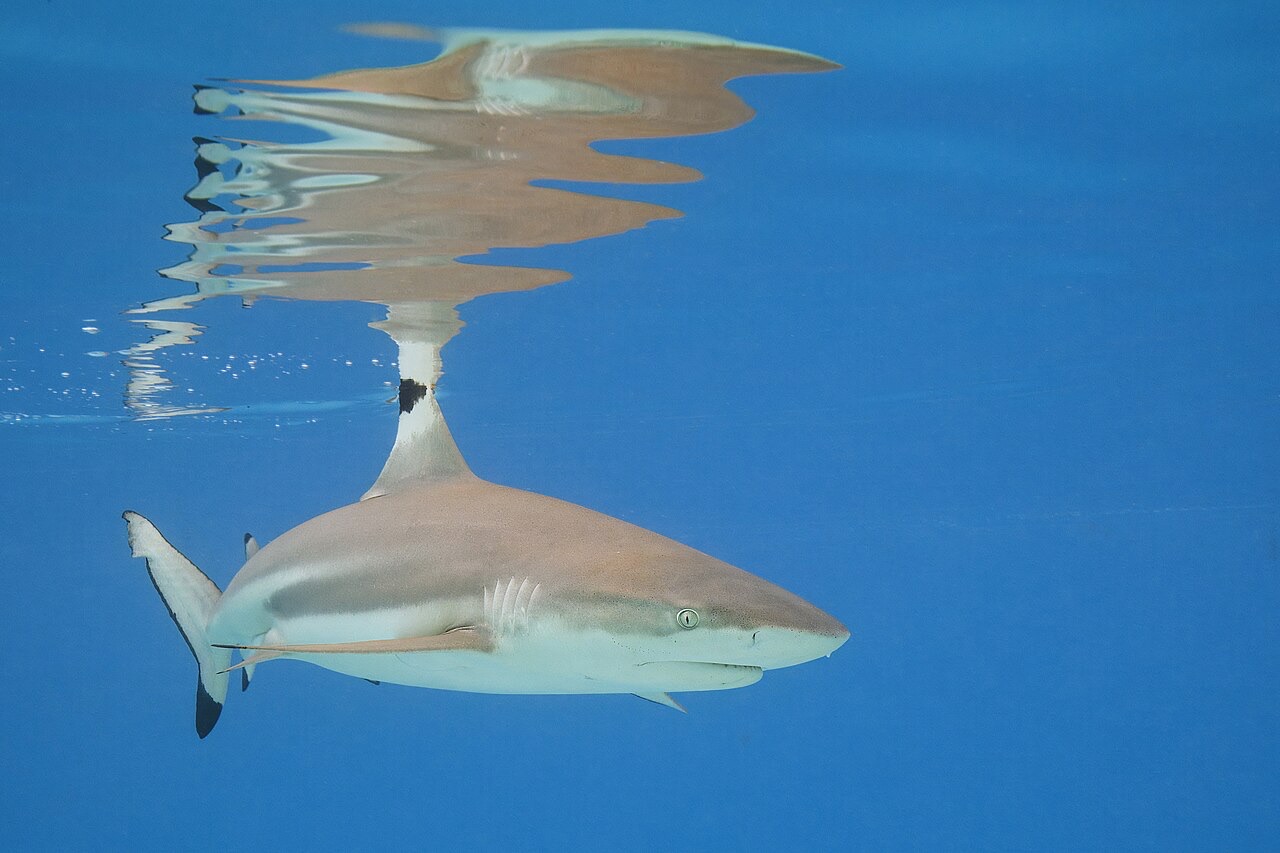
Blacktip Reef Shark
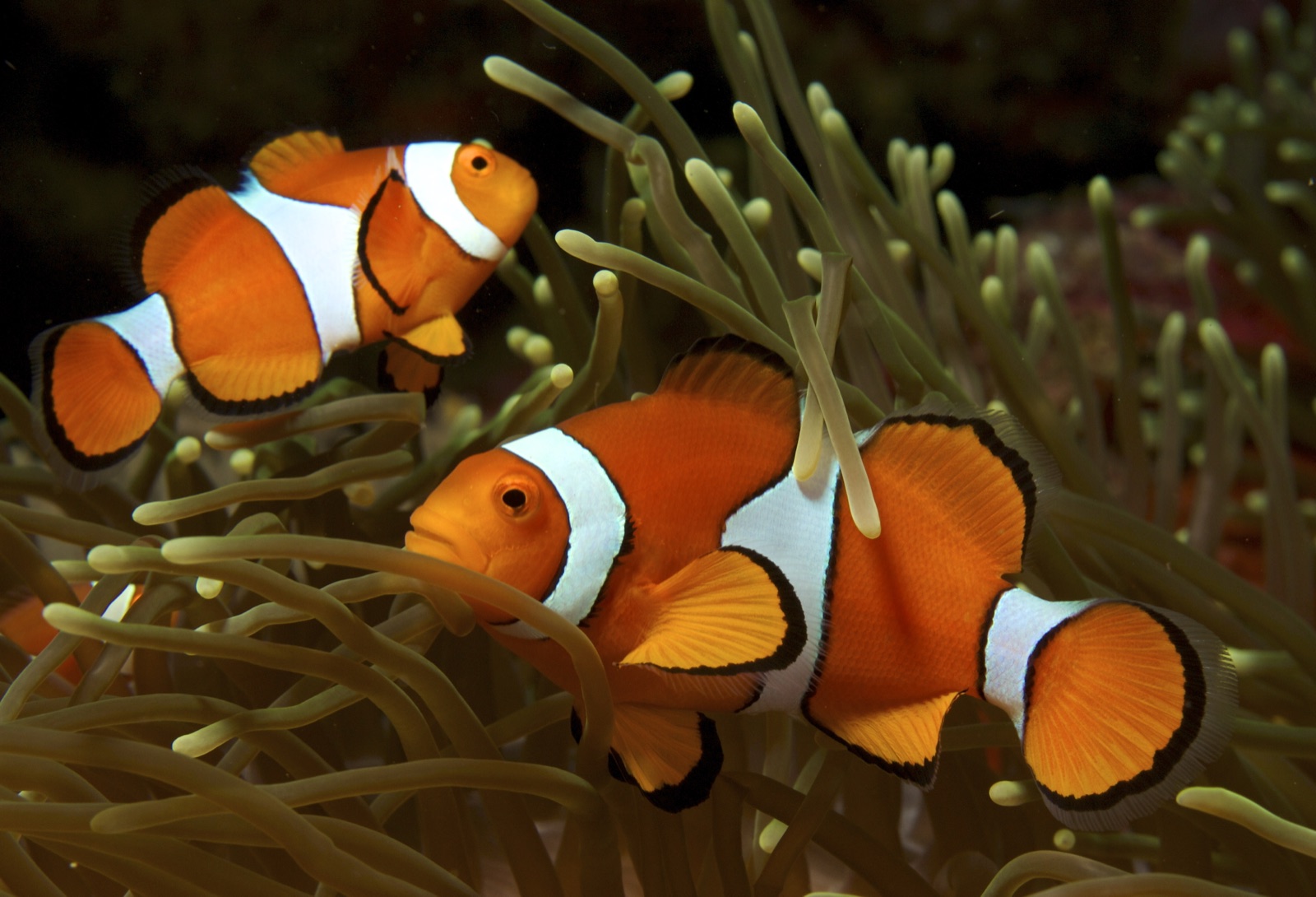
Clownfish & Anemonefish
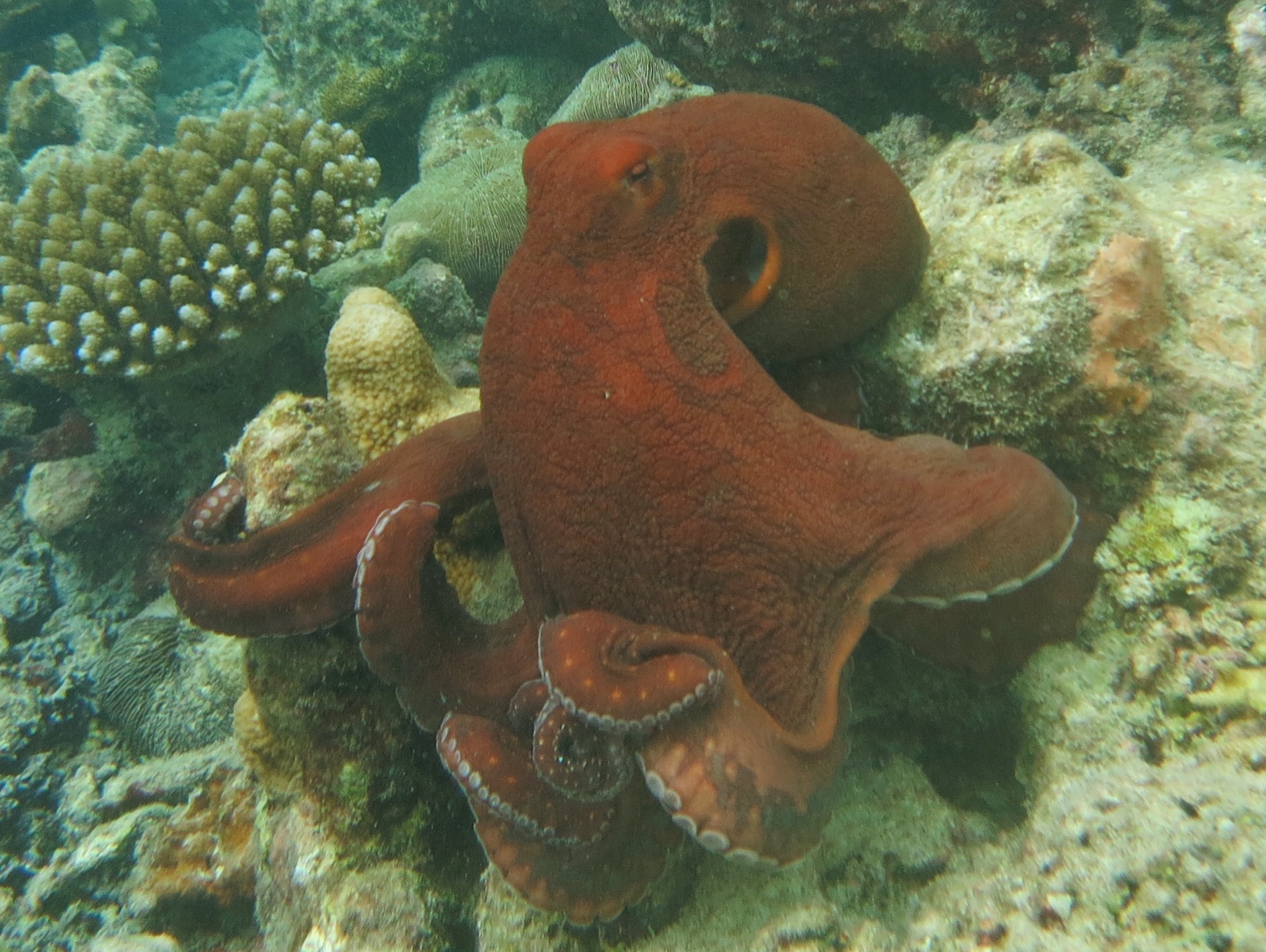
Common Reef (Day) Octopus
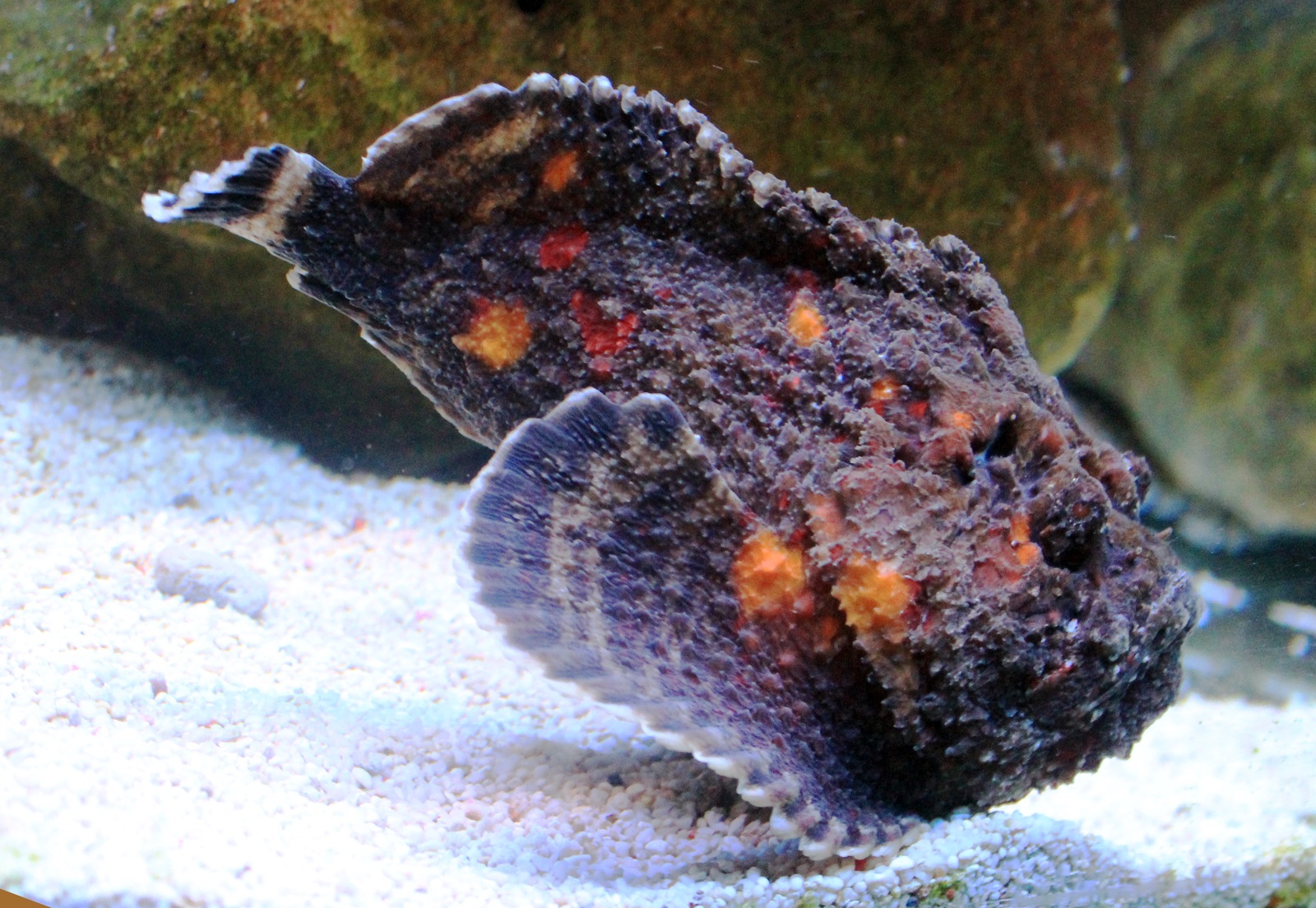
Reef Stonefish
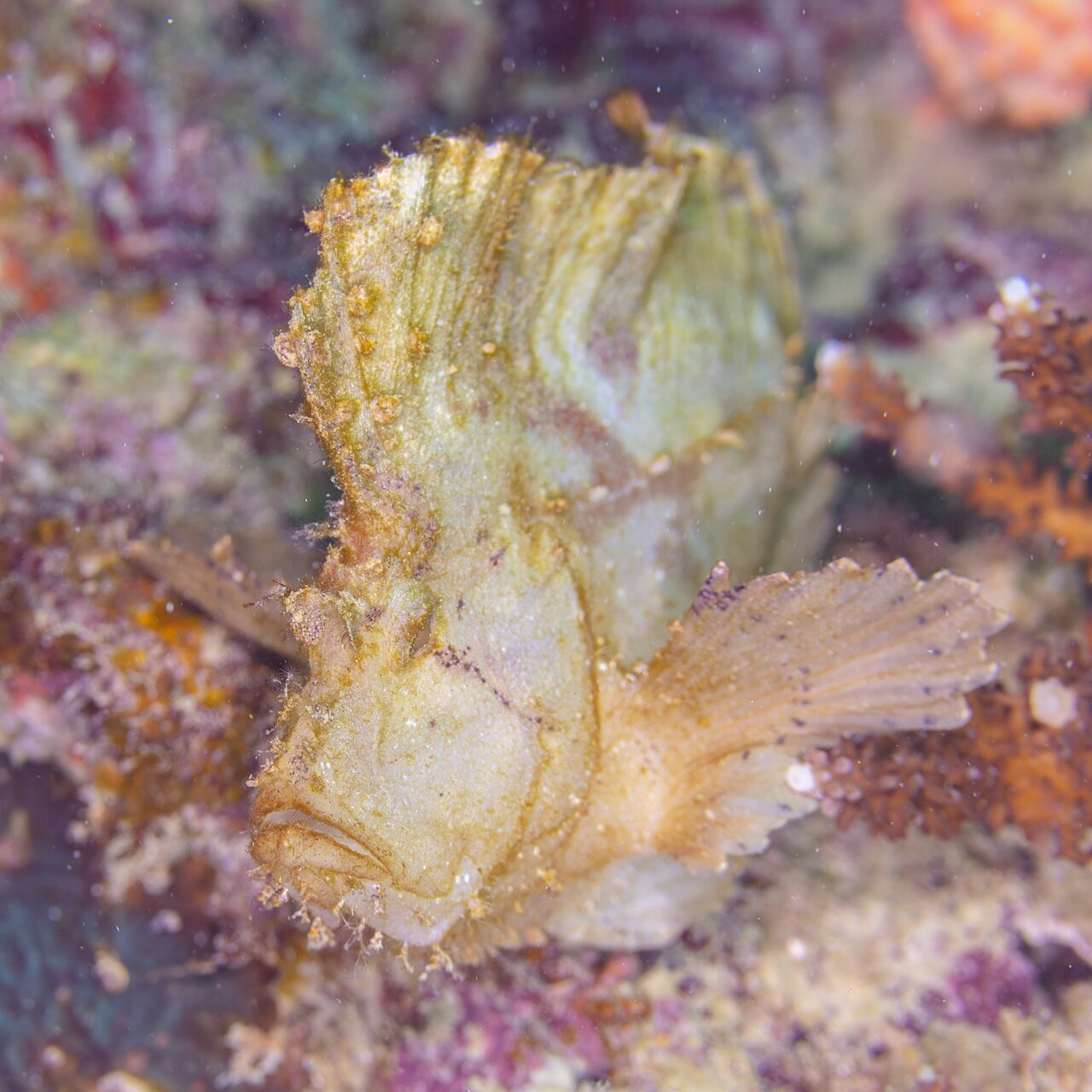
Leaf Scorpionfish
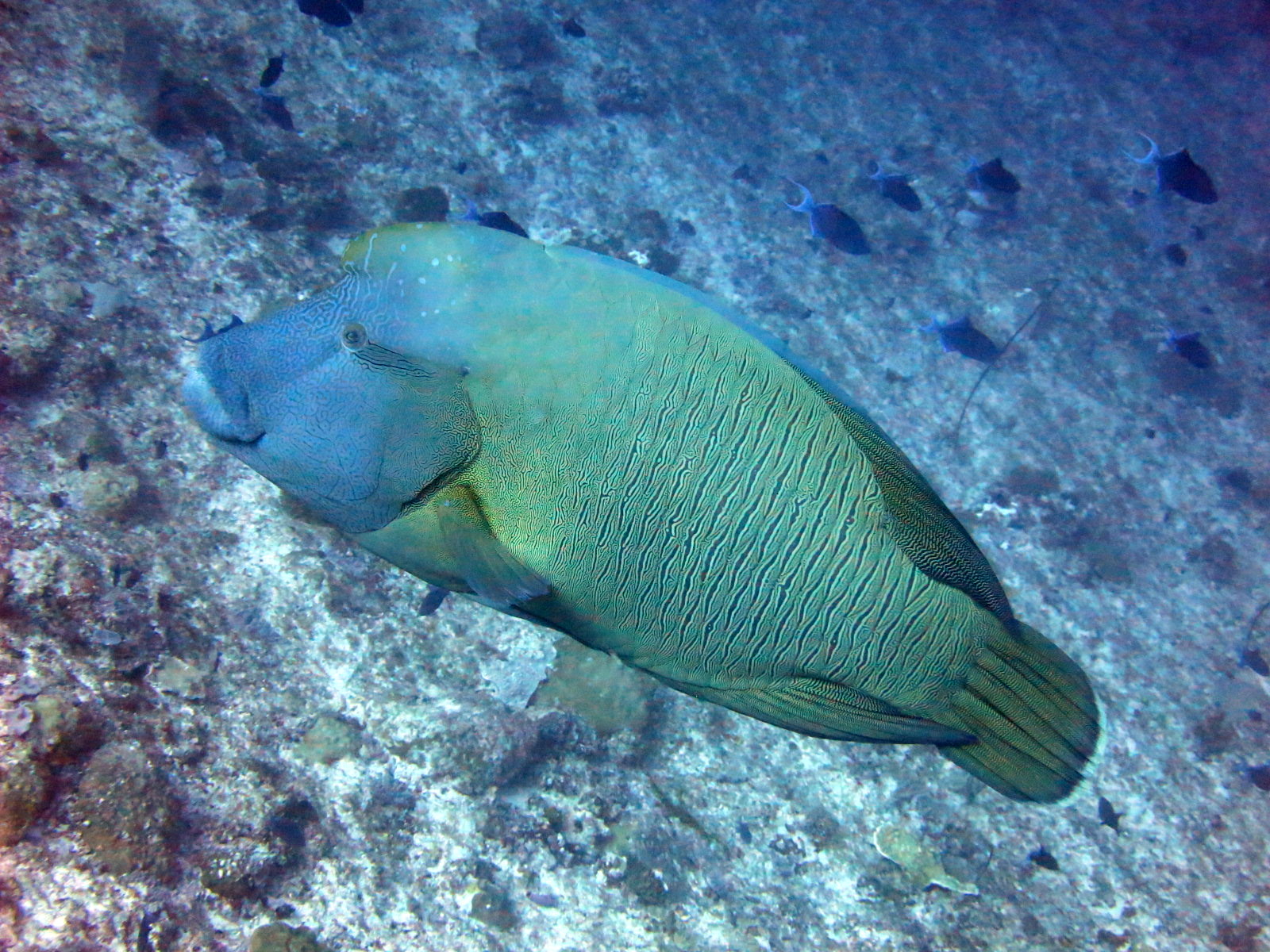
Napoleon (Humphead) Wrasse
Également observé à proximité
Les espèces « cartographiées ici » ont été répertoriées par nos éditeurs à partir des sources indiquées sur cette page. Les comptages correspondent aux occurrences GBIF : observations enregistrées dans un rayon d'environ 5 km autour de la position cartographiée depuis 1990, comparées uniquement aux espèces de notre catalogue. Ils indiquent ce qui a été observé à cet endroit, sans garantir ce que vous y verrez.
Pour les photographes
Grand angle: ★★★★☆ · Macro: ★★☆☆☆ (note 1–5 des éditeurs sur ce que ce site offre à chaque style de prise de vue)