
Hilma Hooker
Depth is the range from the top of the site to its usual maximum; "recommended cert" is the mainstream-agency level operators usually ask for, not a legal rule. Currents and visibility change daily, so treat everything here as planning ranges.
Bonaire's only major wreck arrived with a story: a 72-meter freighter seized with a drug cargo aboard, left at the town pier until she quietly settled, then towed to a sand channel where she sank in 1984. She lies on her starboard side between the southern double reefs, masts reaching toward the second ridge, with tarpon idling in the shade of the hull and the propeller standing clear of the sand. The profile is honest advanced territory, thirty meters at the keel line, and nitrox turns a quick bounce into a proper tour of the deck and open holds.
The moment you come for: Full-size freighter on its side, tarpon under the hull, double-reef setting
Topography: Sand channel between Bonaire's double reef ridges
Entry: Divable from shore across the sand channel or from a boat mooring; the swim out is short but the depth comes fast.
Know before you splash
Hazards: Depth for a shore dive; silty interior spaces; watch no-deco time at the keel.
Conservation: Within the marine park; penetration of the interior is discouraged for those without wreck training.
Nitrox: Worth it here: profiles sit in the range where enriched air meaningfully extends no-stop time (with the training to use it).
Who you'll meet
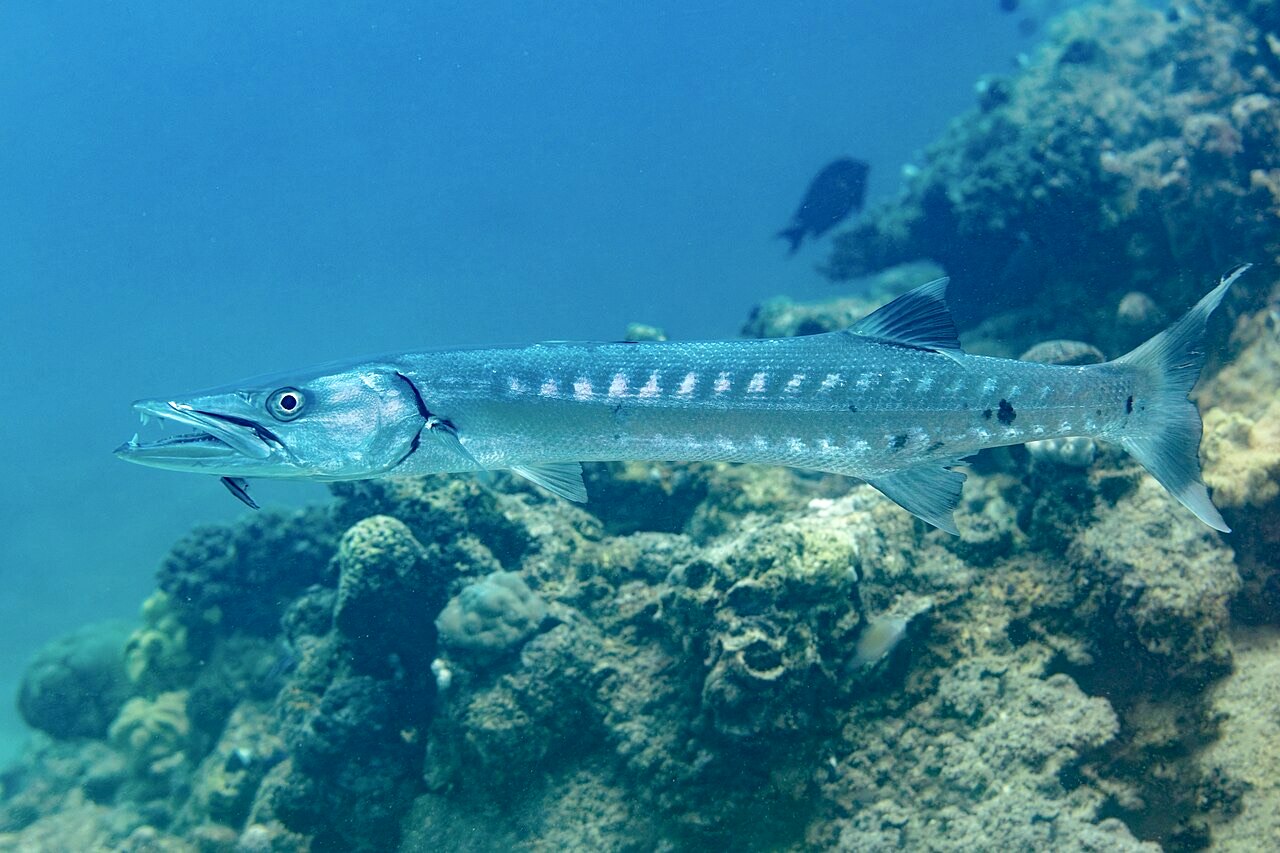
Great Barracuda
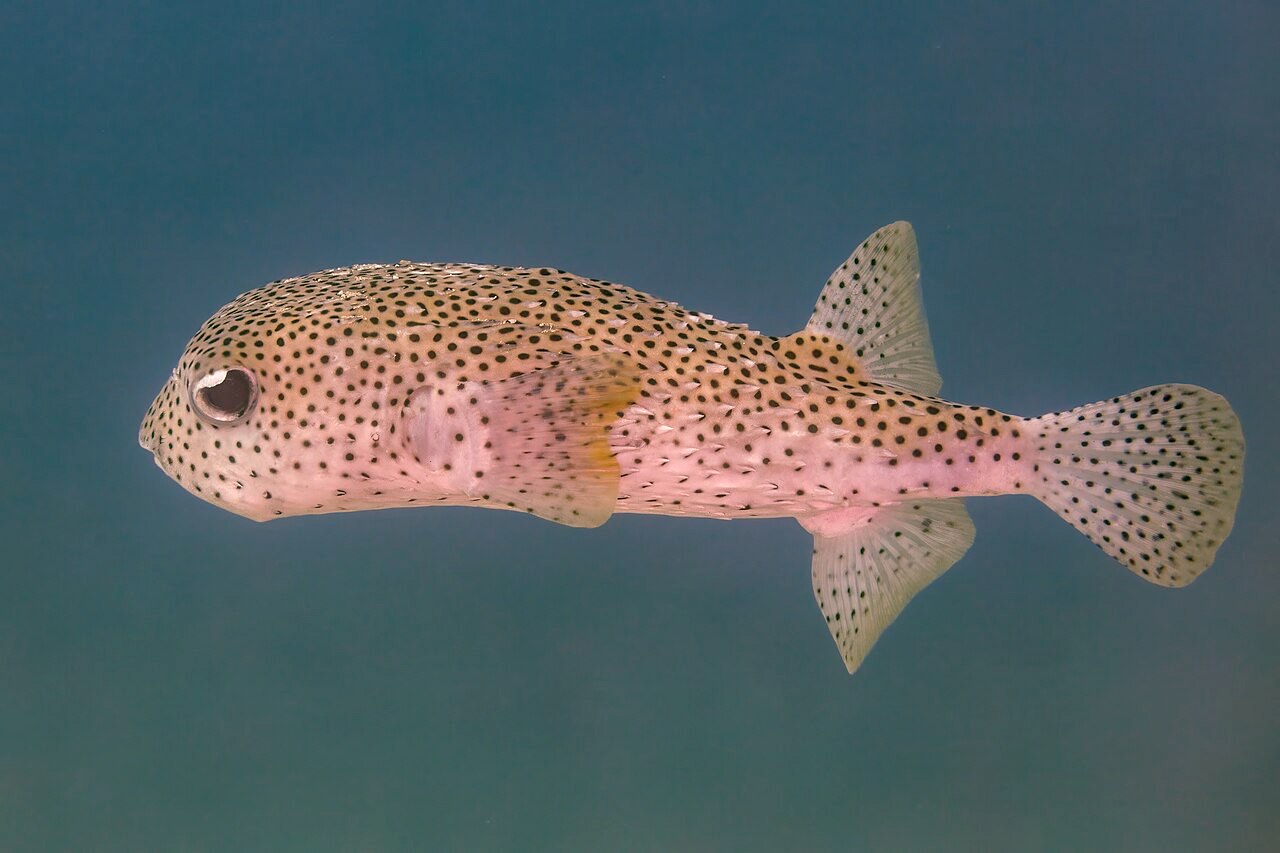
Porcupinefish
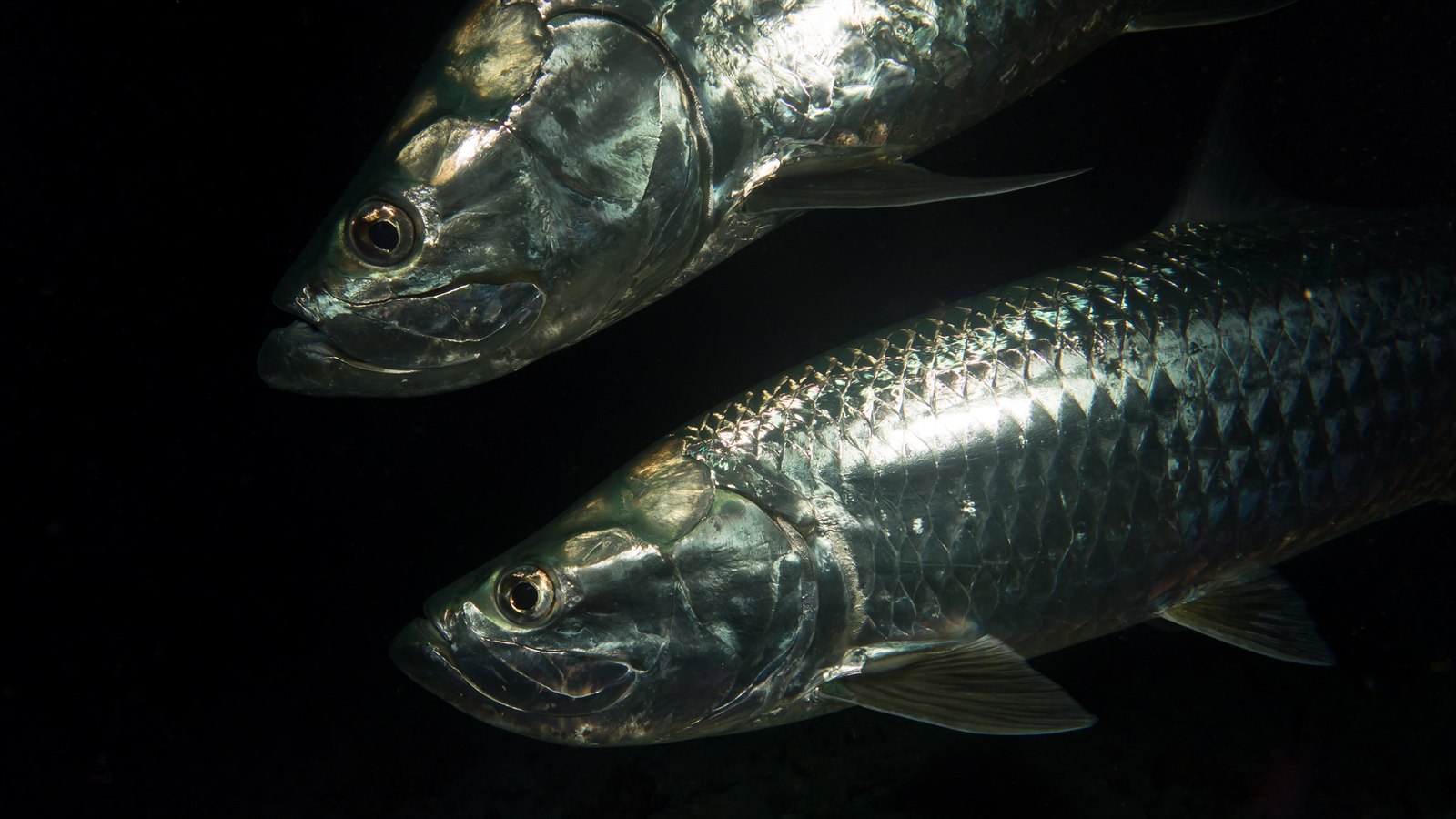
Atlantic Tarpon
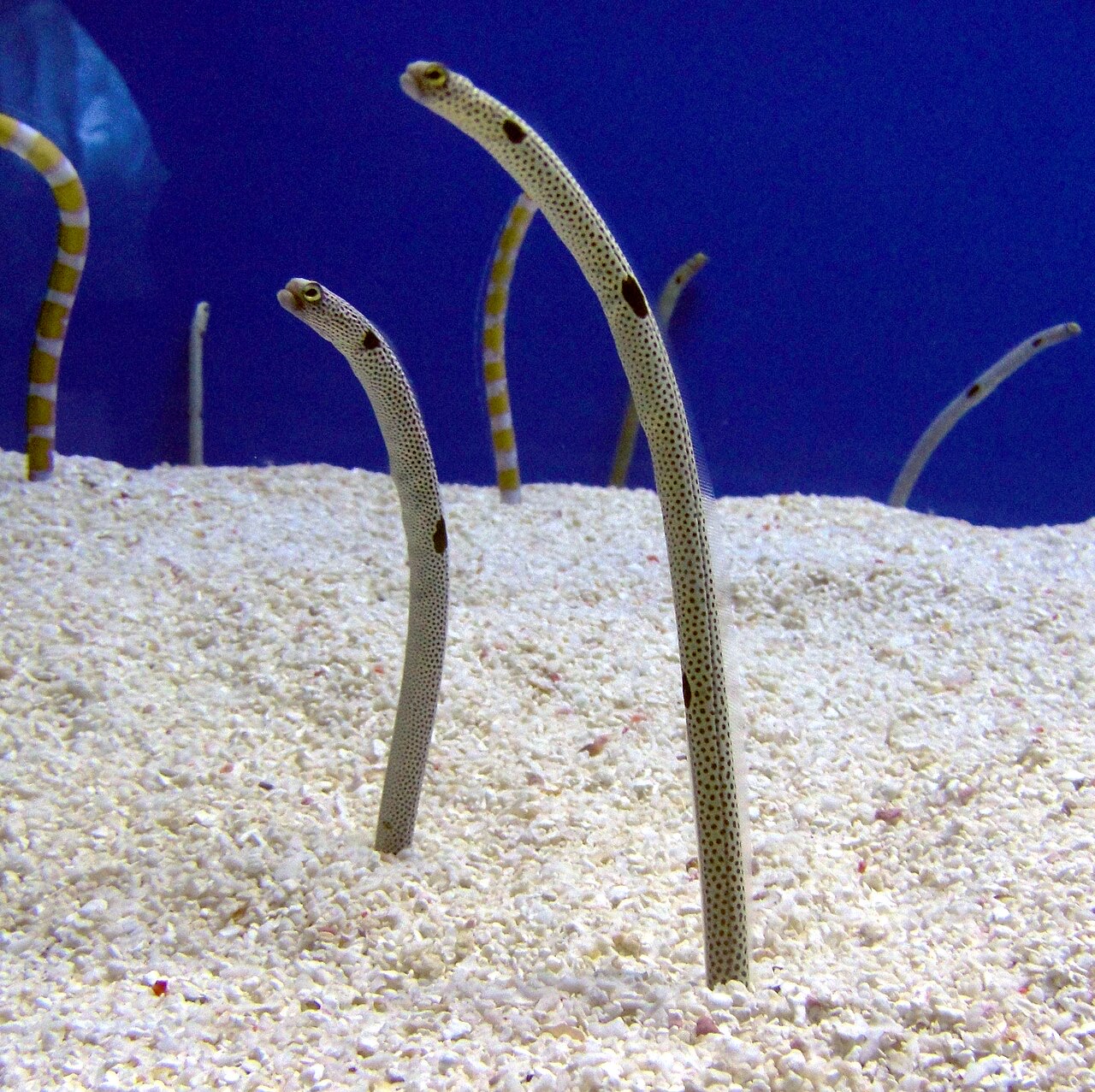
Garden Eel
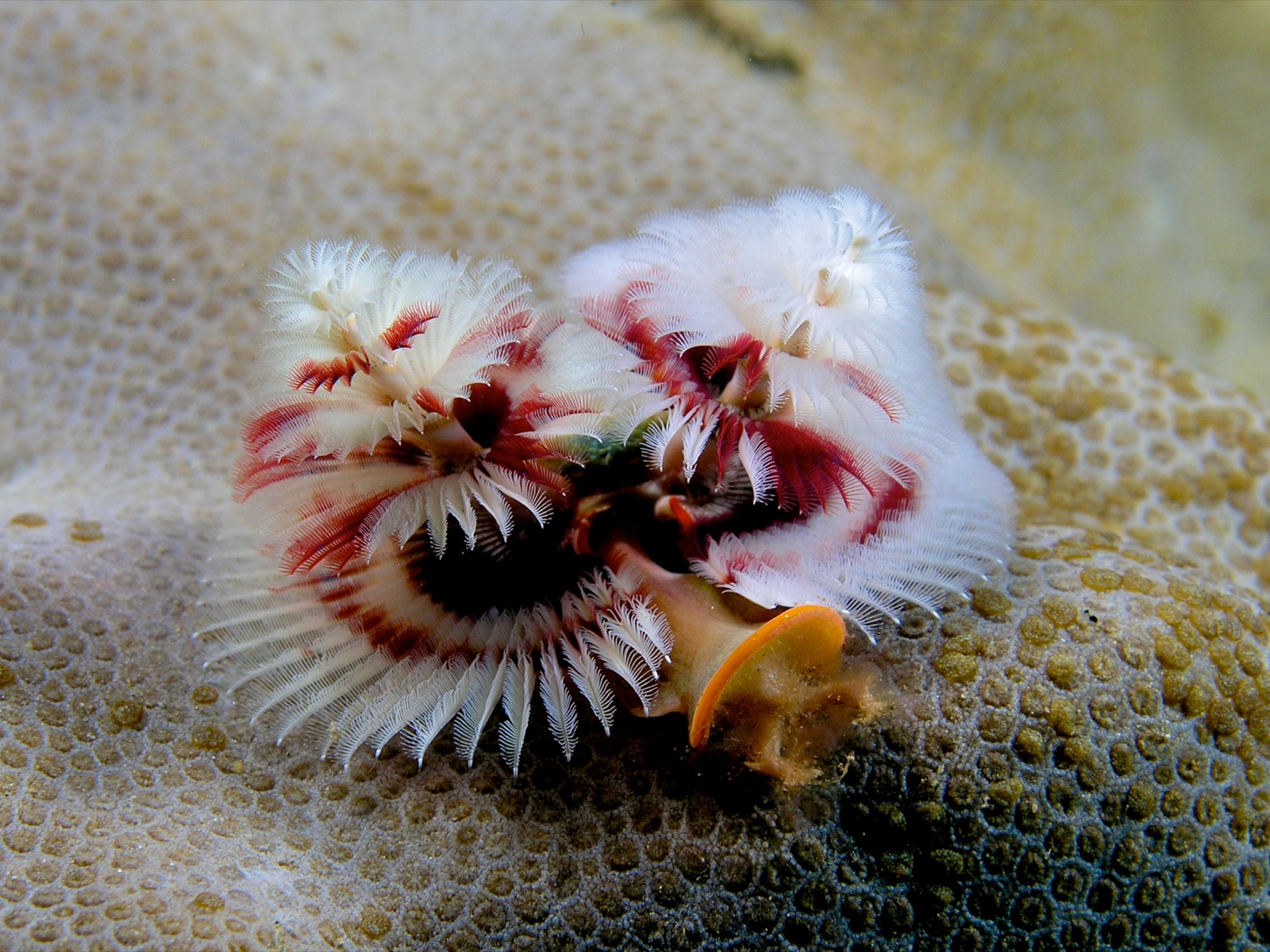
Christmas Tree Worm
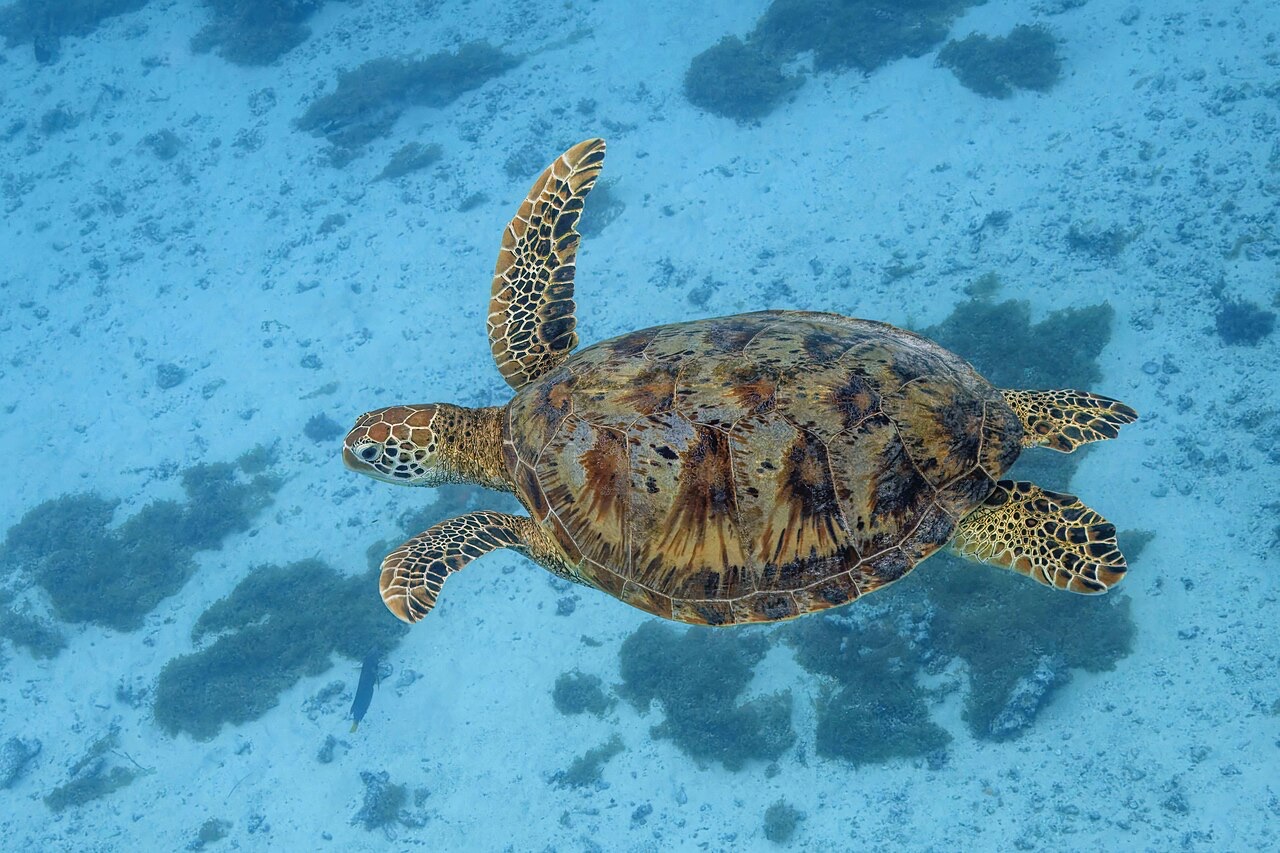
Green Sea Turtle
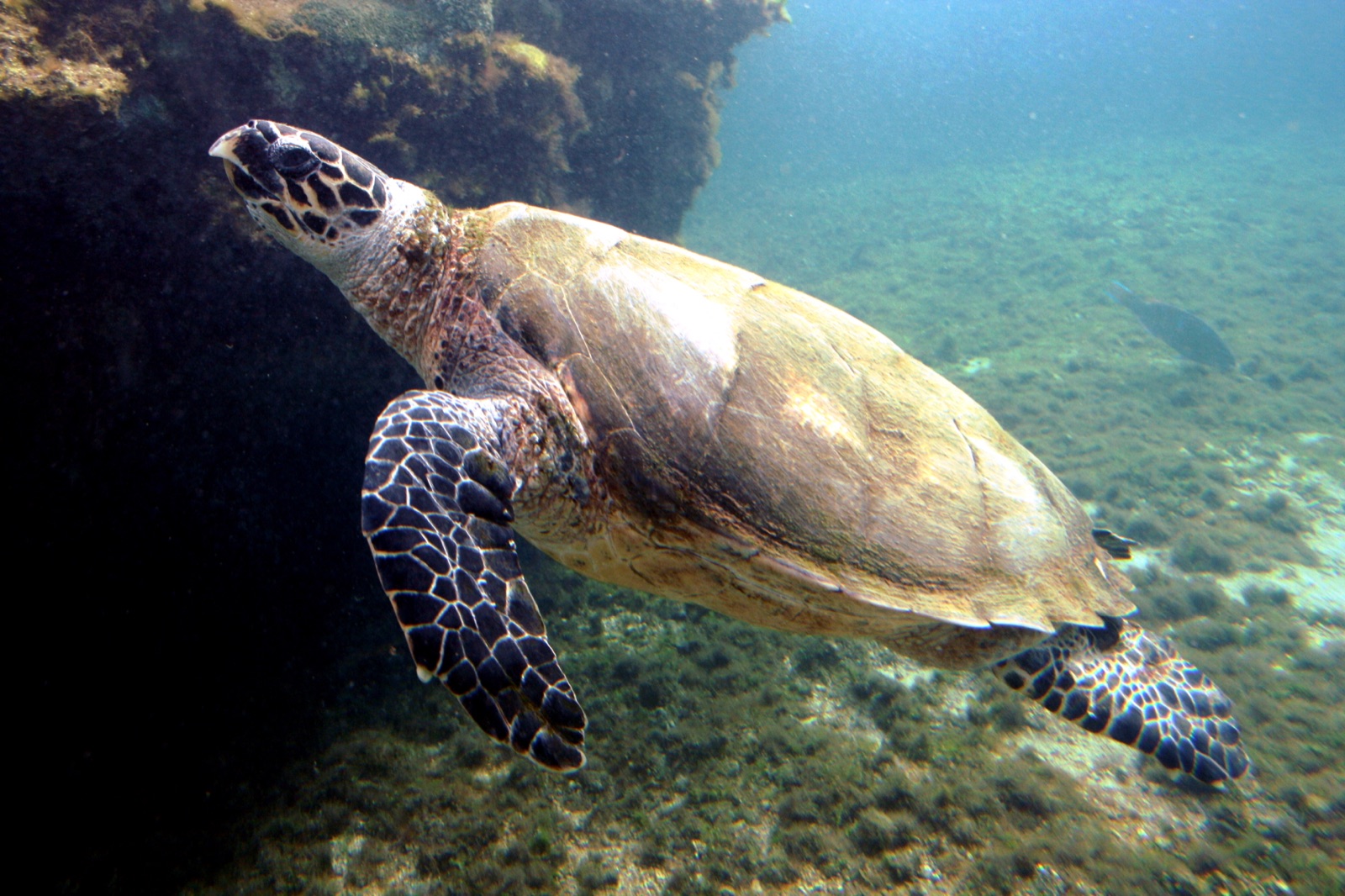
Hawksbill Turtle
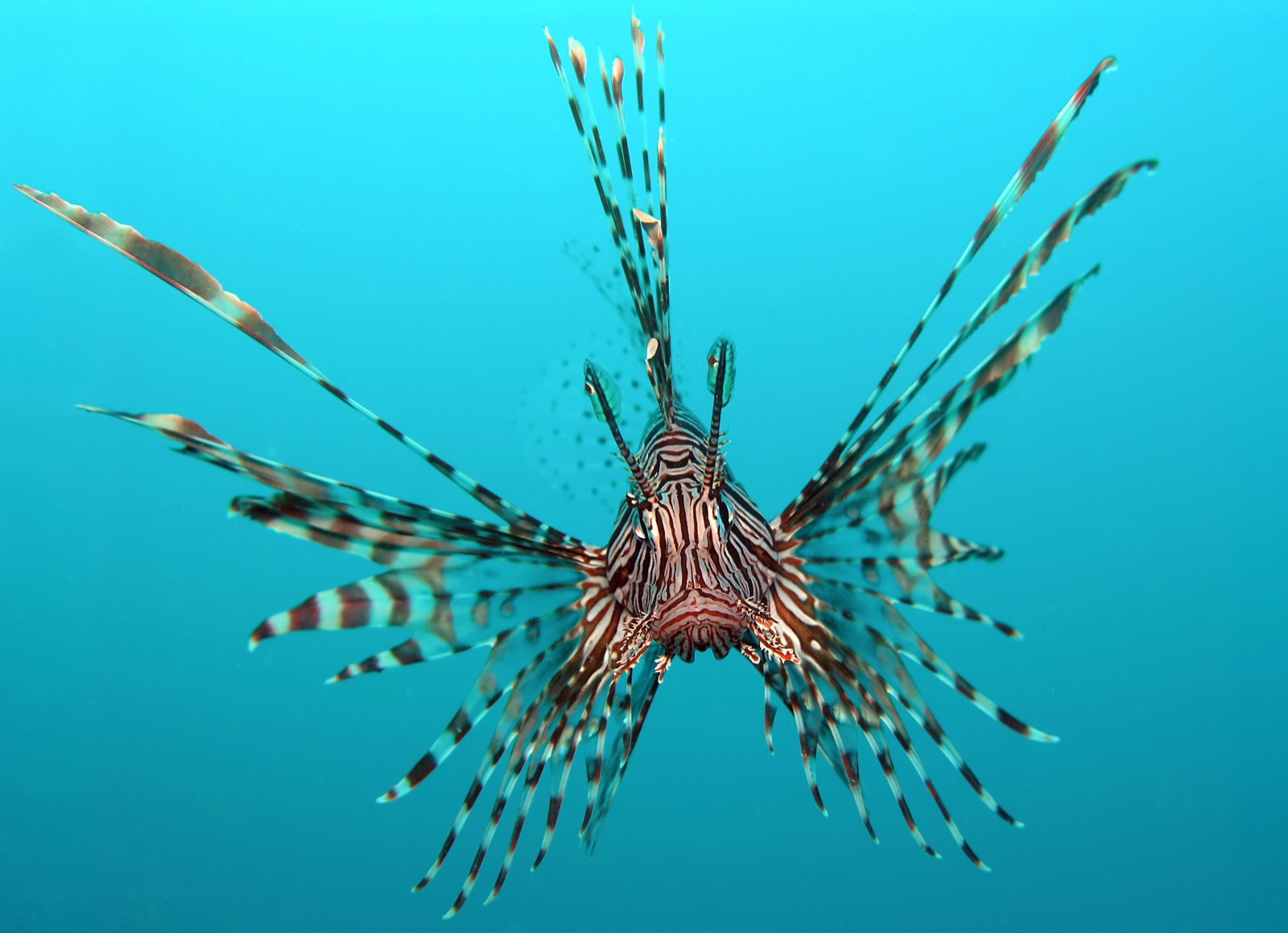
Lionfish
Also recorded nearby
"Charted here" species were listed by our editors from the sources on this page. Counts are GBIF occurrence records: observations logged within about 5 km of the charted position since 1990, matched only against the species in our catalogue. They show what has been seen there, not a promise of what you will see.
For photographers
Wide angle: ★★★★★ · Macro: ★★☆☆☆ (editors' 1–5 rating of what this site gives each style of shooting)