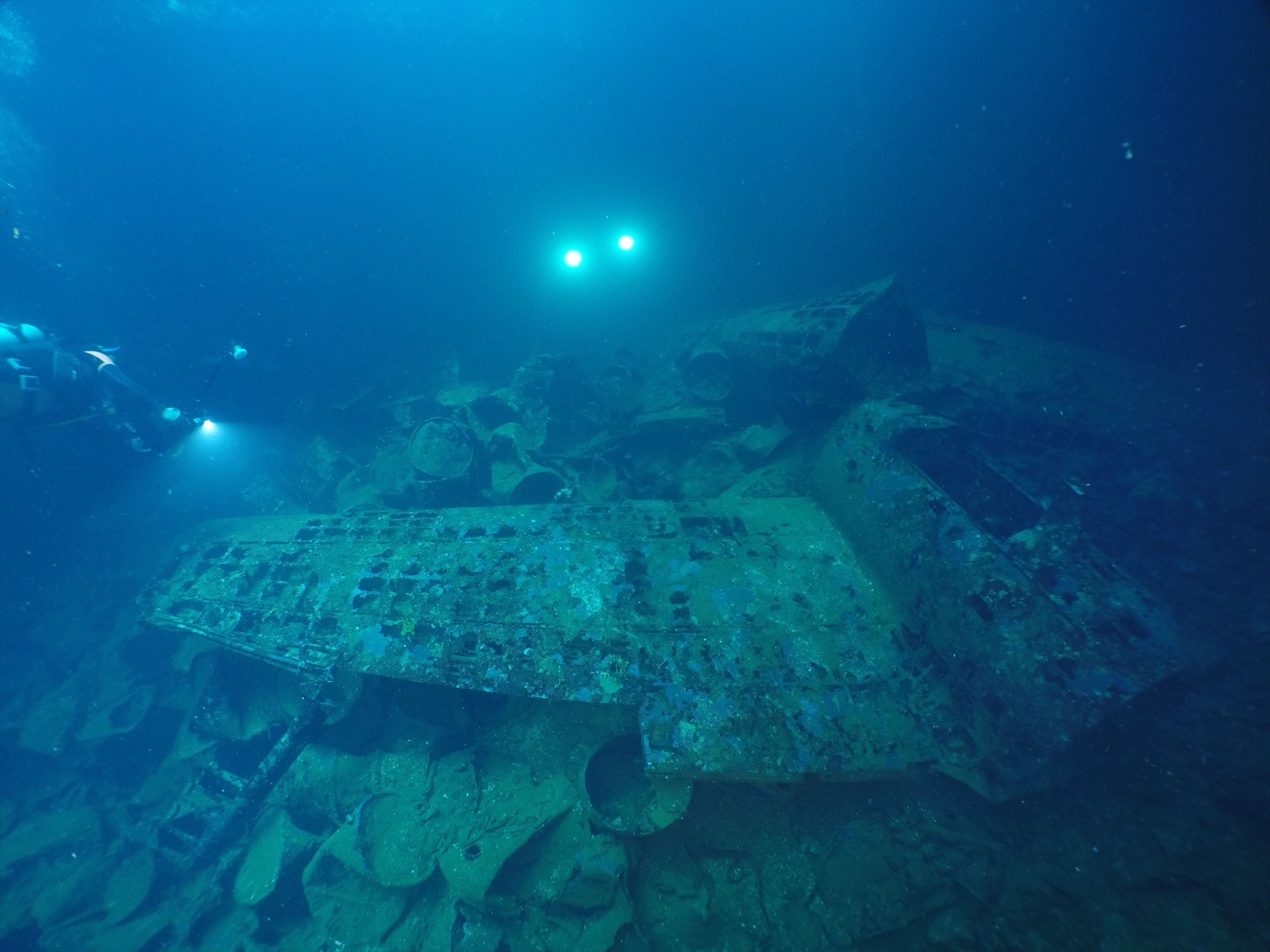
Fujikawa Maru
Depth is the range from the top of the site to its usual maximum; "recommended cert" is the mainstream-agency level operators usually ask for, not a legal rule. Currents and visibility change daily, so treat everything here as planning ranges.
If a first-time visitor gets one Chuuk wreck, guides usually choose this armed aircraft transport, sunk during Operation Hailstone in February 1944. The Fujikawa Maru sits upright at a depth that lets a single dive take in the coral-swaddled bow gun, masts feathered with soft coral, and holds where disassembled Zero fighter fuselages lie stacked in the gloom. In the engine room, a compressor with two round gauges has been nicknamed for a film robot and photographed thousands of times. Depth, light, and shelter combine so generously that many divers return here for their final dive of the trip as well as their first.
The moment you come for: Zero fighter fuselages in the forward holds; the coral-encrusted six-inch bow gun; engine-room machinery for trained penetration teams.
Topography: Upright hull on a flat lagoon floor at roughly 34 m
Entry: Moored inside the lagoon; descend the line to the superstructure and work the deck before dropping into the holds.
Know before you splash
Hazards: Silt inside the holds lifts with one careless fin stroke; live ordnance remains aboard; penetration beyond the light zone requires wreck training and lights.
Conservation: A protected historic wreck and a place where men died: take nothing, touch nothing, and keep fins clear of the coral growth that now armors the steel.
Nitrox: Worth it here: profiles sit in the range where enriched air meaningfully extends no-stop time (with the training to use it).
Who you'll meet
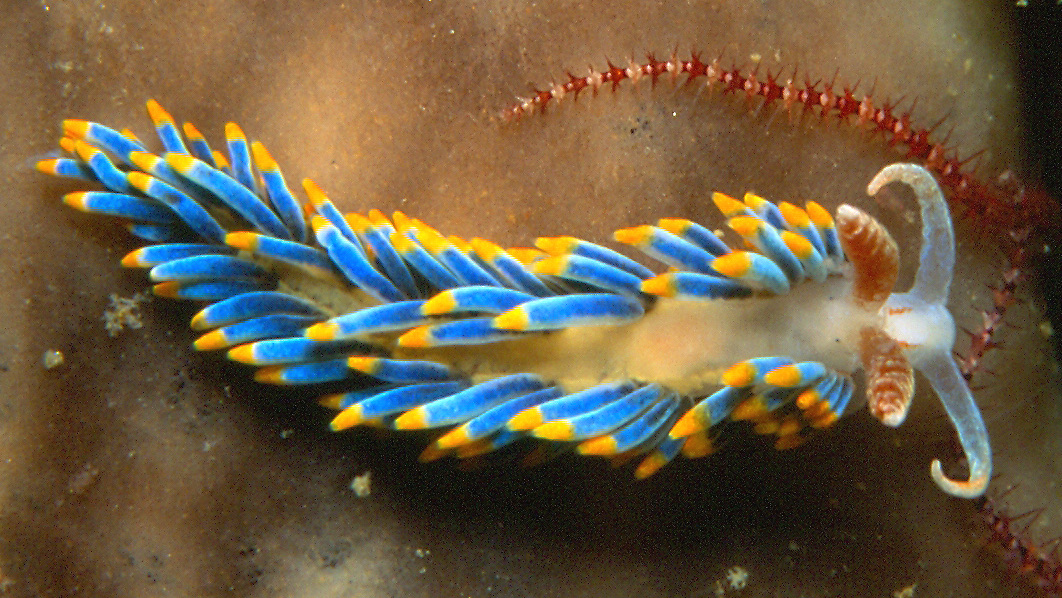
Nudibranchs
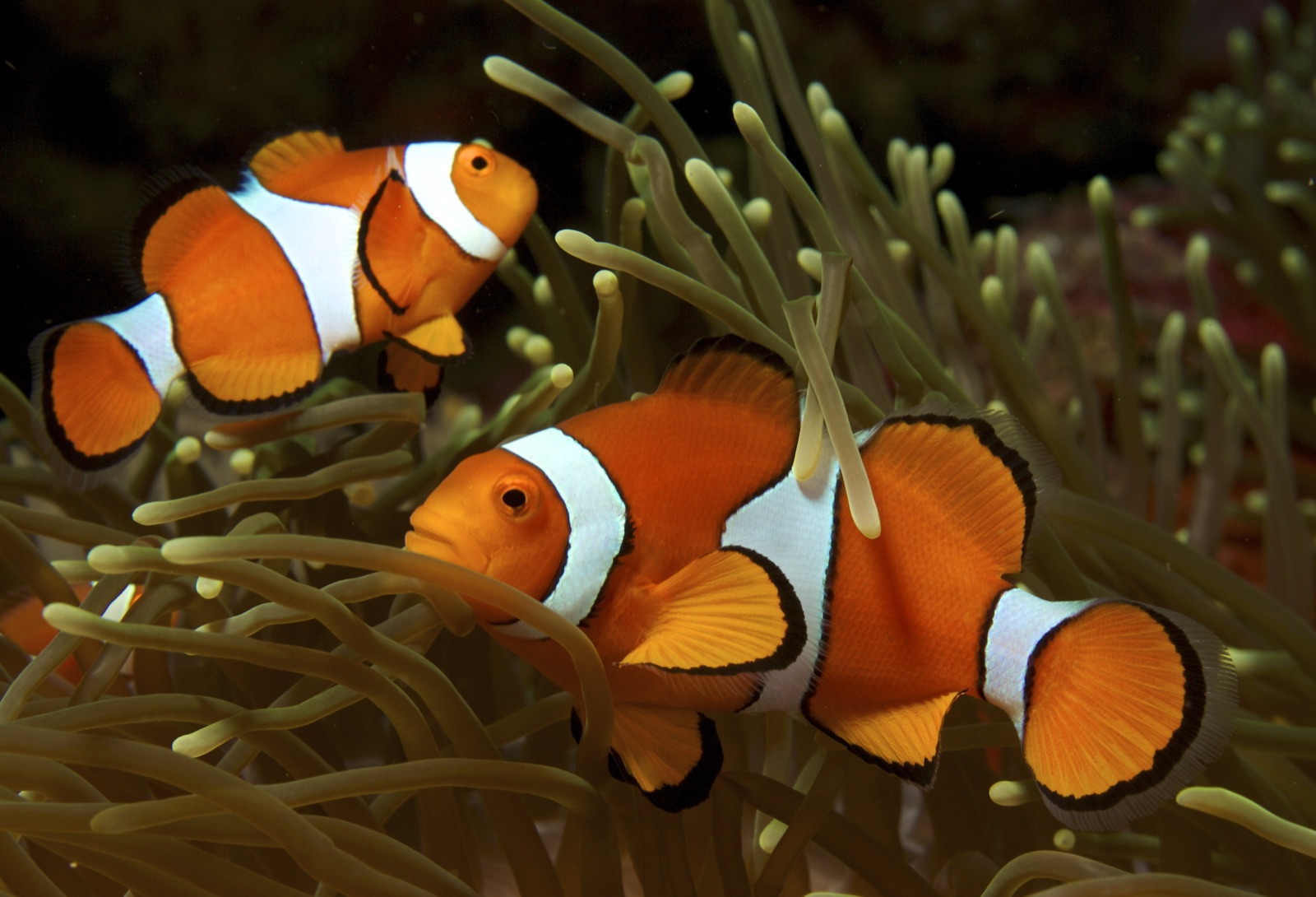
Clownfish & Anemonefish
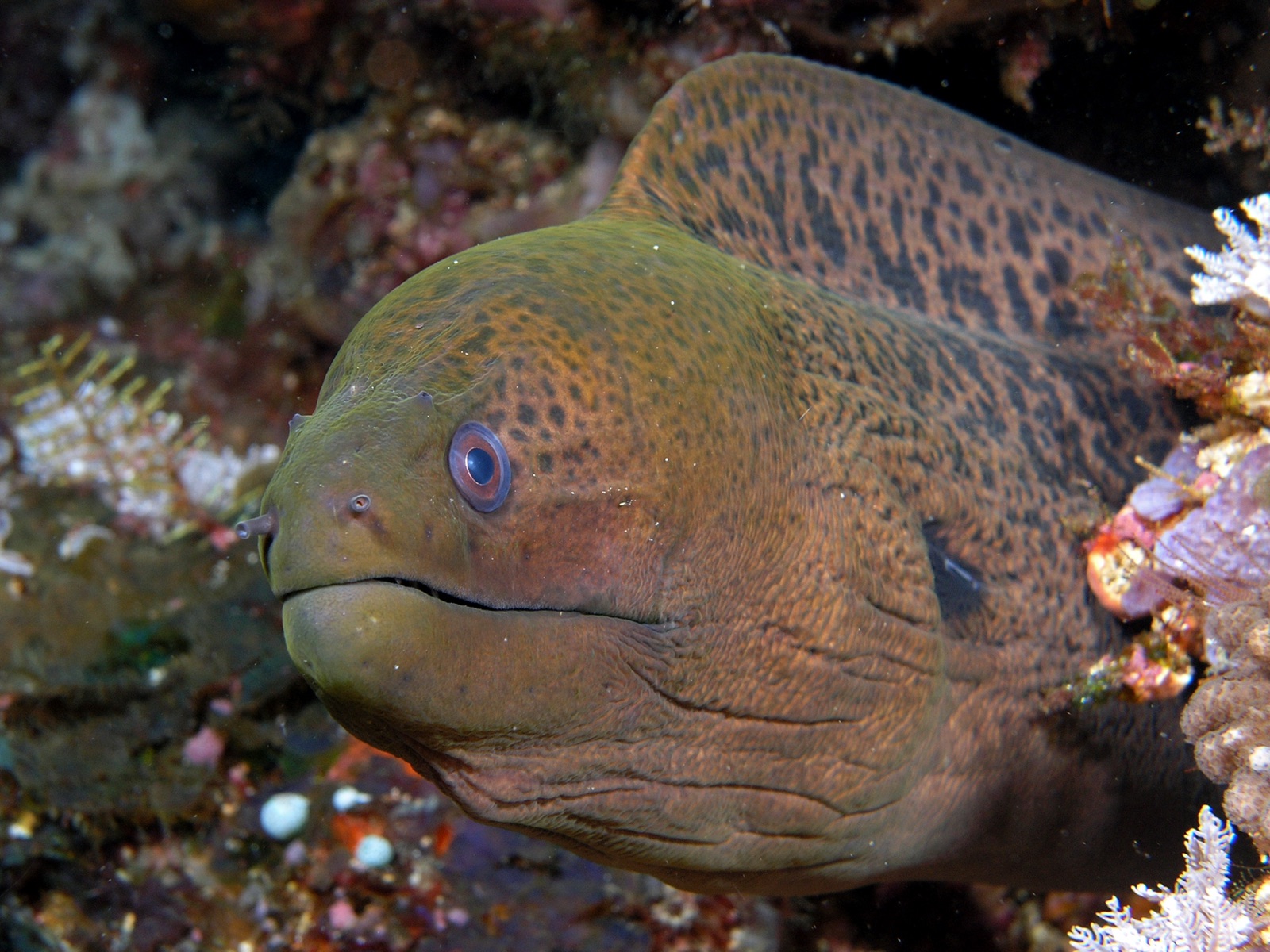
Giant Moray Eel
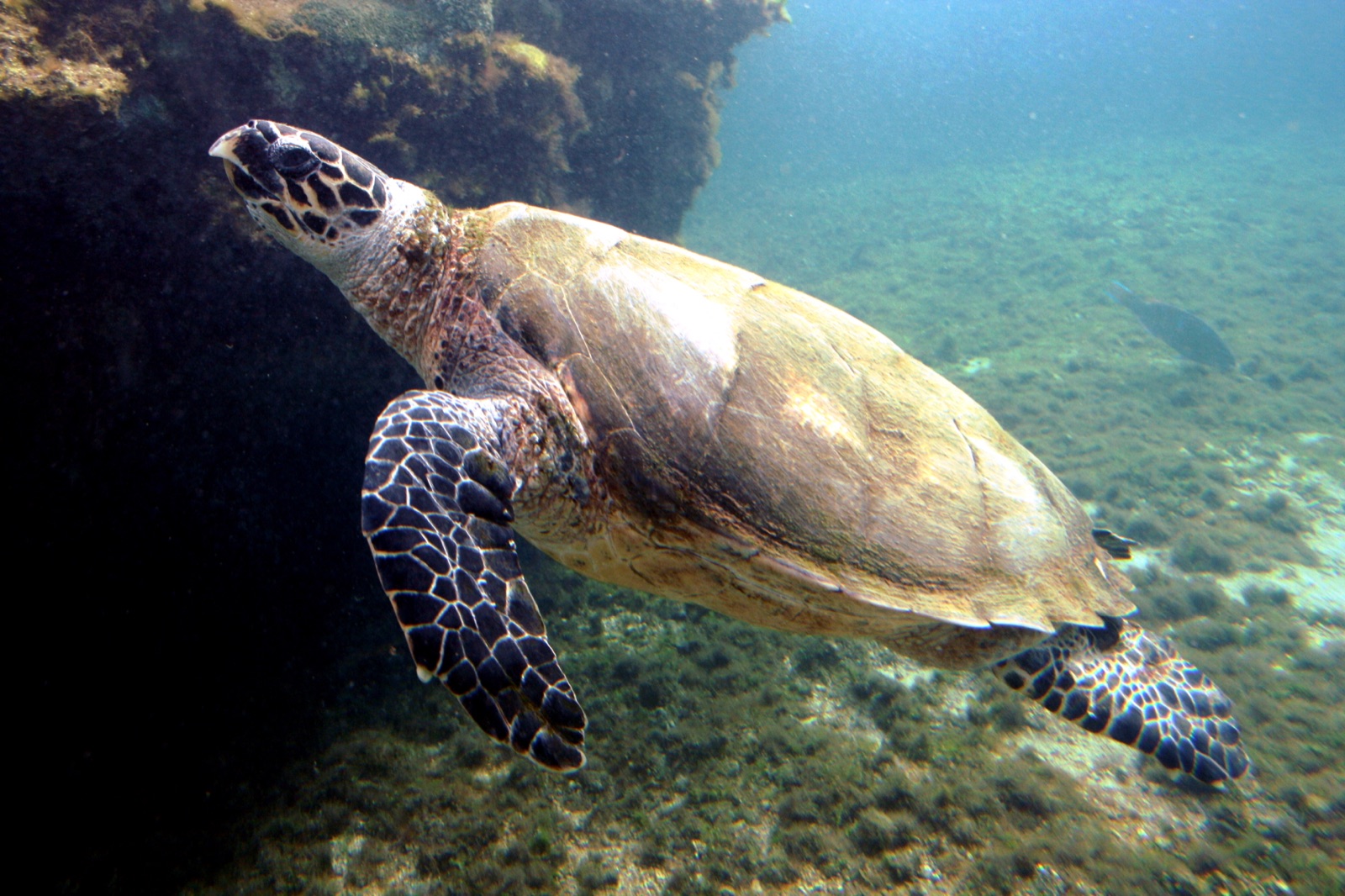
Hawksbill Turtle
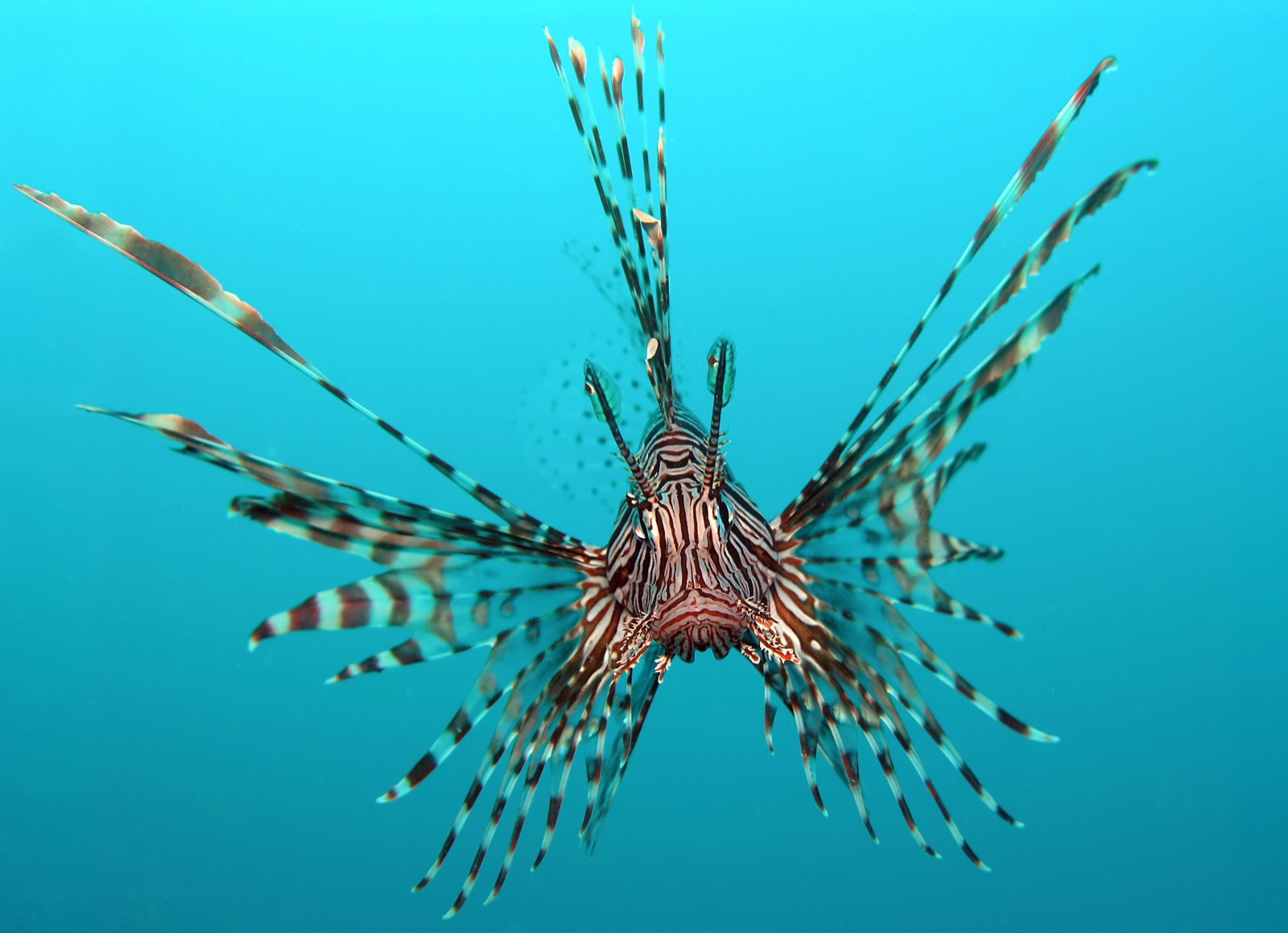
Lionfish
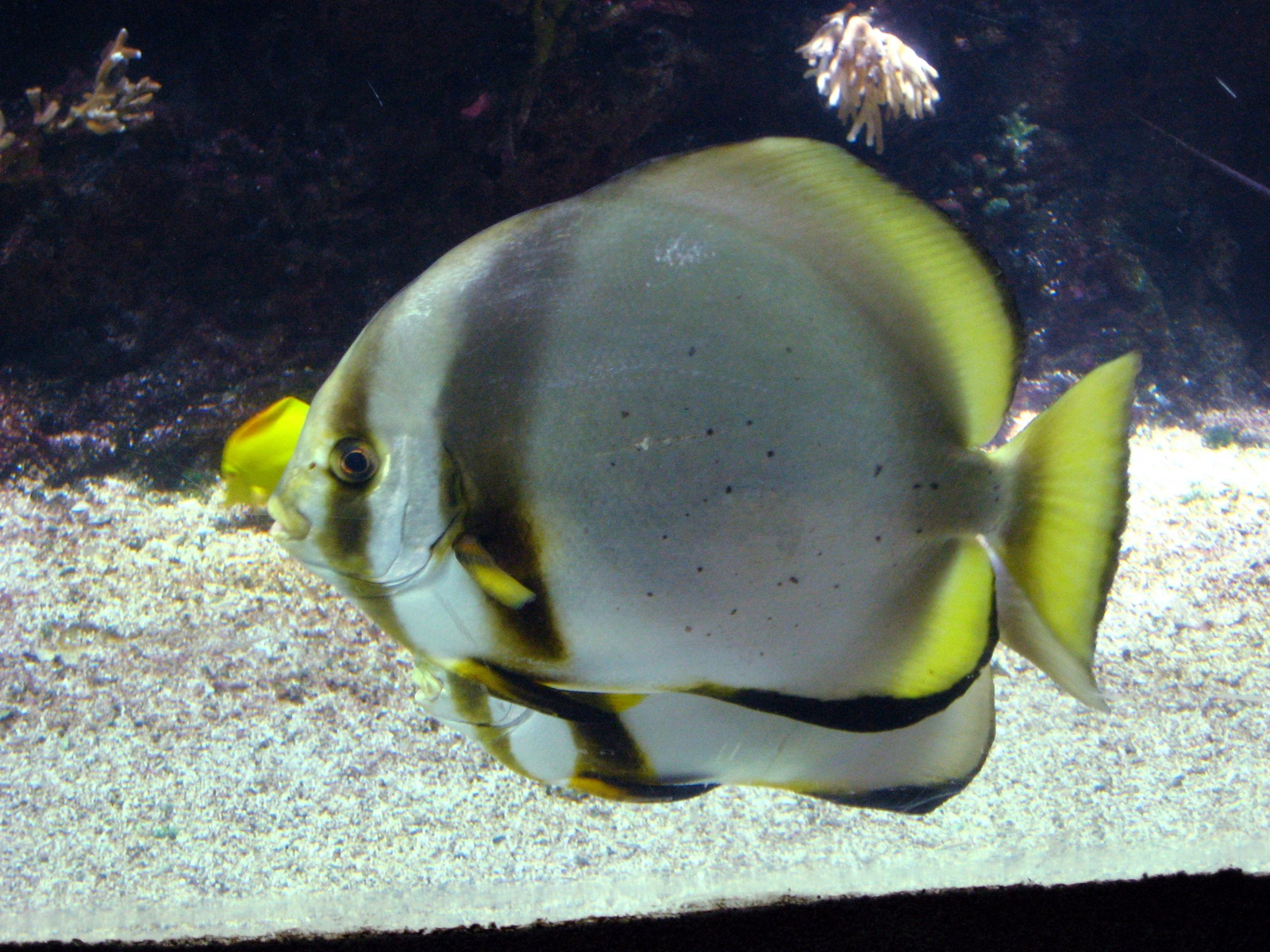
Pinnate Batfish
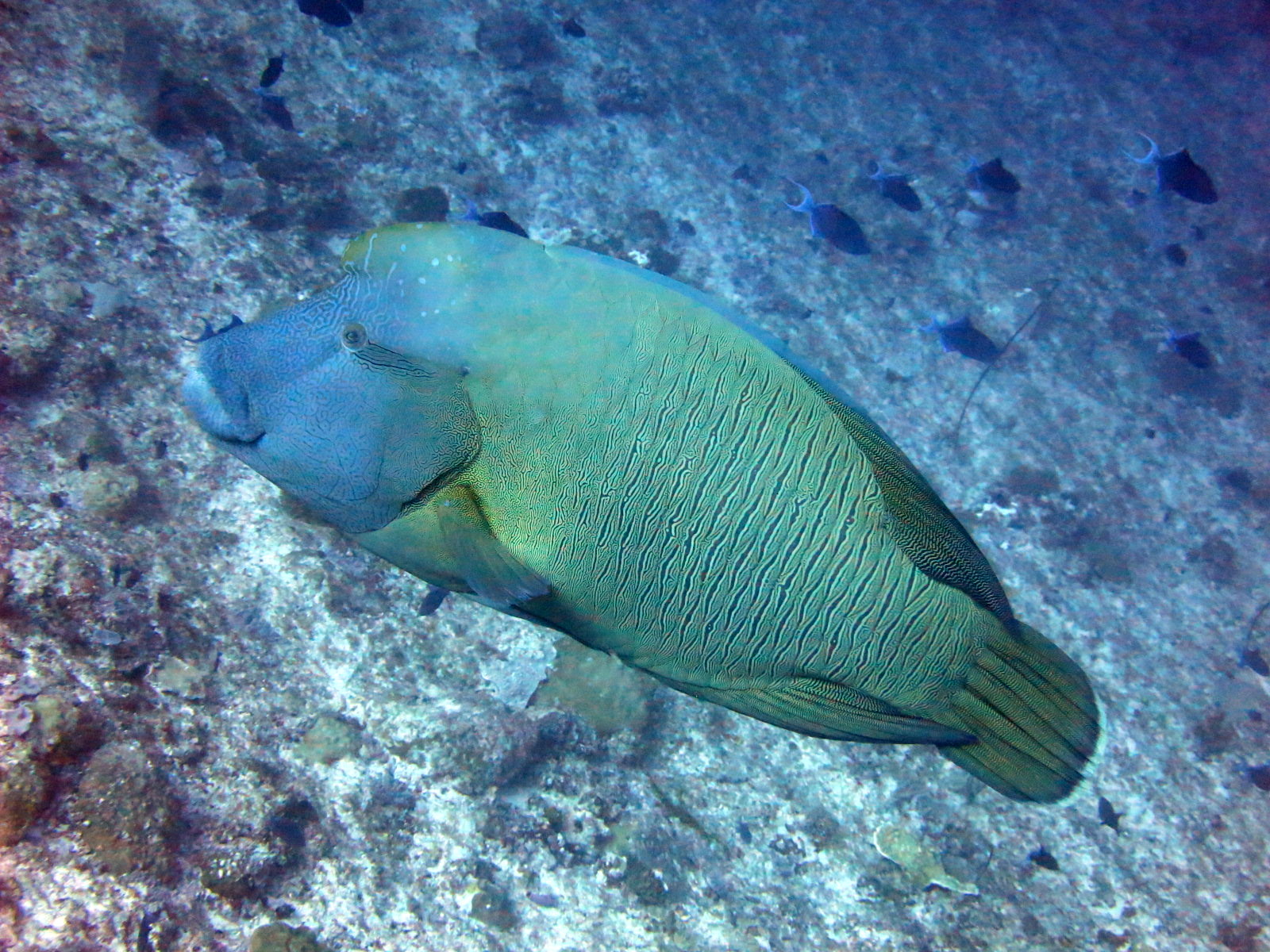
Napoleon (Humphead) Wrasse
"Charted here" species were listed by our editors from the sources on this page. Counts are GBIF occurrence records: observations logged within about 5 km of the charted position since 1990, matched only against the species in our catalogue. They show what has been seen there, not a promise of what you will see.
For photographers
Wide angle: ★★★★★ · Macro: ★★★☆☆ (editors' 1–5 rating of what this site gives each style of shooting)