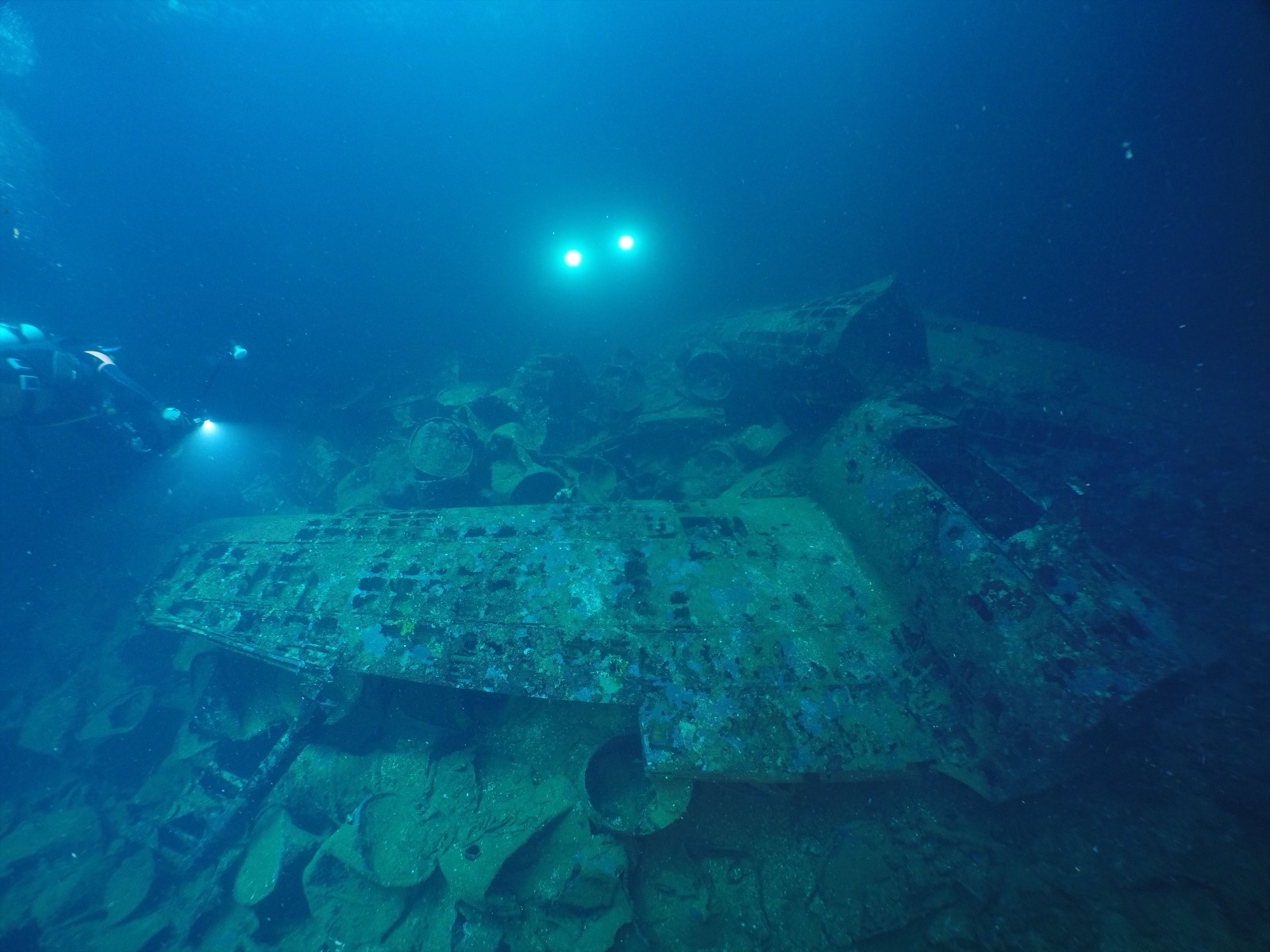
Fujikawa Maru
La profundidad es el rango desde la cima del punto de buceo hasta su máximo habitual; la "certificación recomendada" es el nivel que los operadores suelen pedir según las agencias principales, no una norma legal. Las corrientes y la visibilidad cambian a diario, así que trata todo esto como rangos de planificación.
If a first-time visitor gets one Chuuk wreck, guides usually choose this armed aircraft transport, sunk during Operation Hailstone in February 1944. The Fujikawa Maru sits upright at a depth that lets a single dive take in the coral-swaddled bow gun, masts feathered with soft coral, and holds where disassembled Zero fighter fuselages lie stacked in the gloom. In the engine room, a compressor with two round gauges has been nicknamed for a film robot and photographed thousands of times. Depth, light, and shelter combine so generously that many divers return here for their final dive of the trip as well as their first.
El momento por el que vienes: Zero fighter fuselages in the forward holds; the coral-encrusted six-inch bow gun; engine-room machinery for trained penetration teams.
Topografía: Upright hull on a flat lagoon floor at roughly 34 m
Entrada: Moored inside the lagoon; descend the line to the superstructure and work the deck before dropping into the holds.
Lo que debes saber antes de tirarte al agua
Riesgos: Silt inside the holds lifts with one careless fin stroke; live ordnance remains aboard; penetration beyond the light zone requires wreck training and lights.
Conservación: A protected historic wreck and a place where men died: take nothing, touch nothing, and keep fins clear of the coral growth that now armors the steel.
Nitrox: Vale la pena aquí: los perfiles están en el rango donde el nitrox amplía de forma significativa el tiempo sin parada (con la formación necesaria para usarlo).
A quién encontrarás
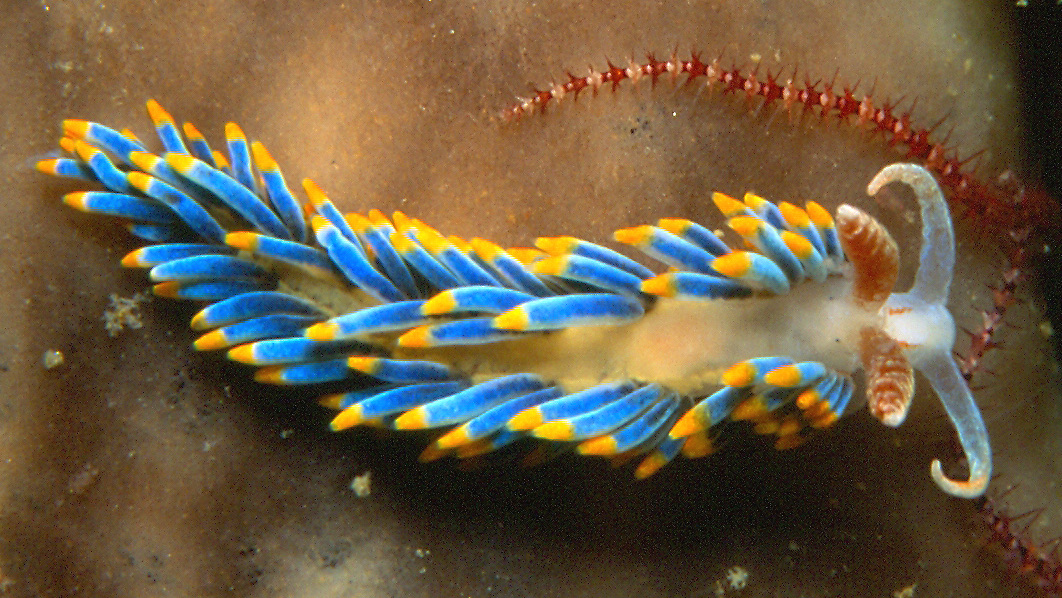
Nudibranchs
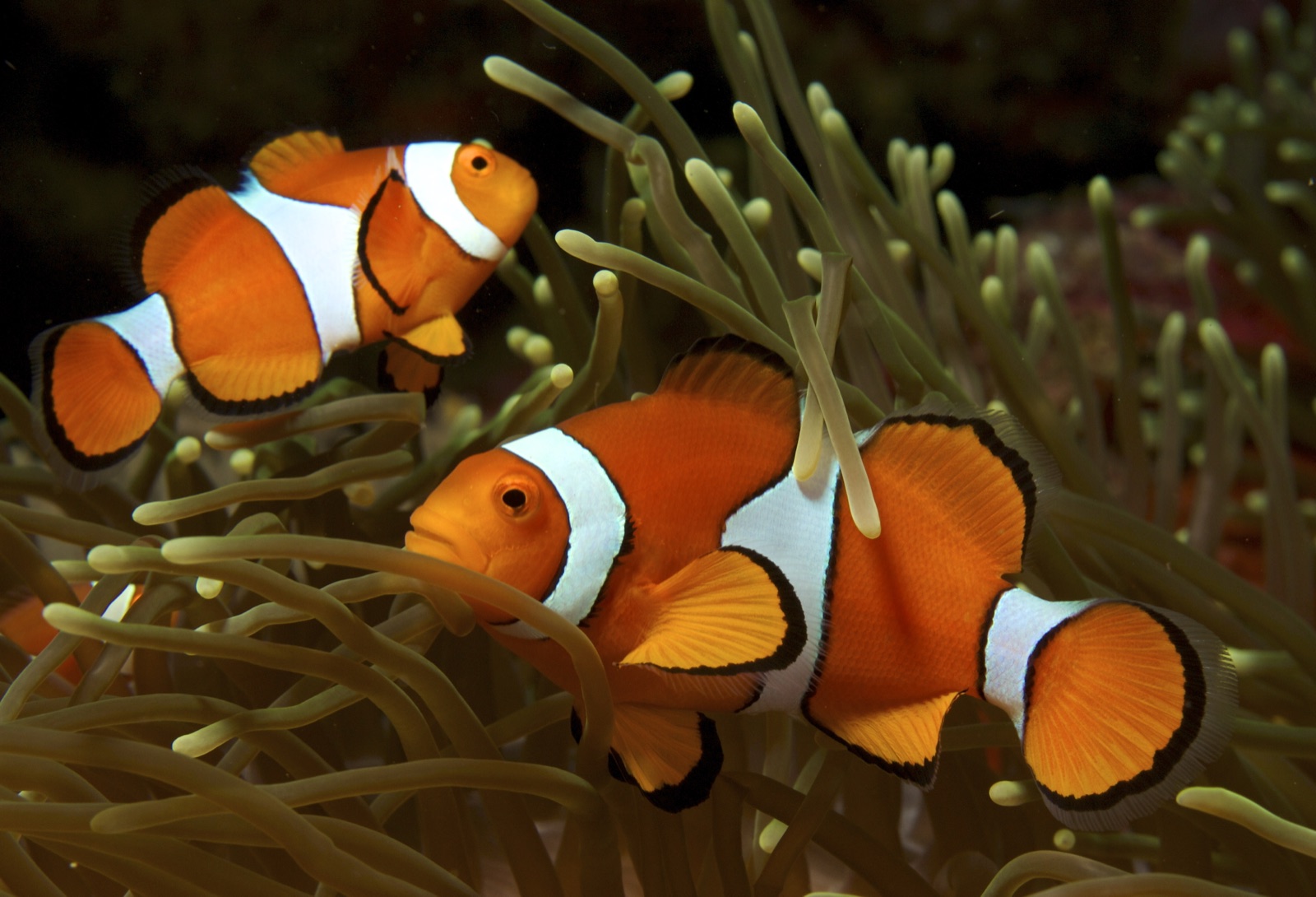
Clownfish & Anemonefish
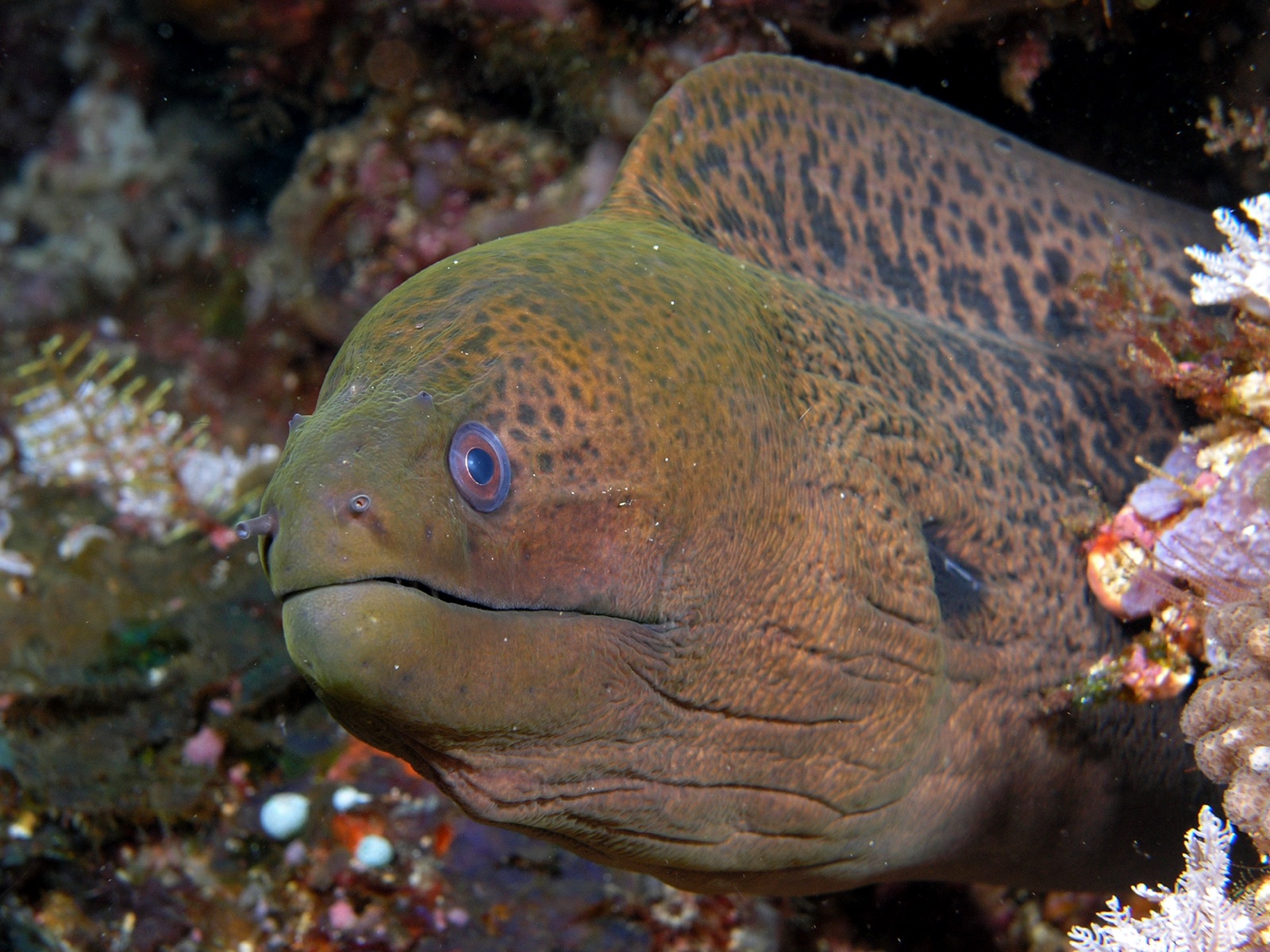
Giant Moray Eel
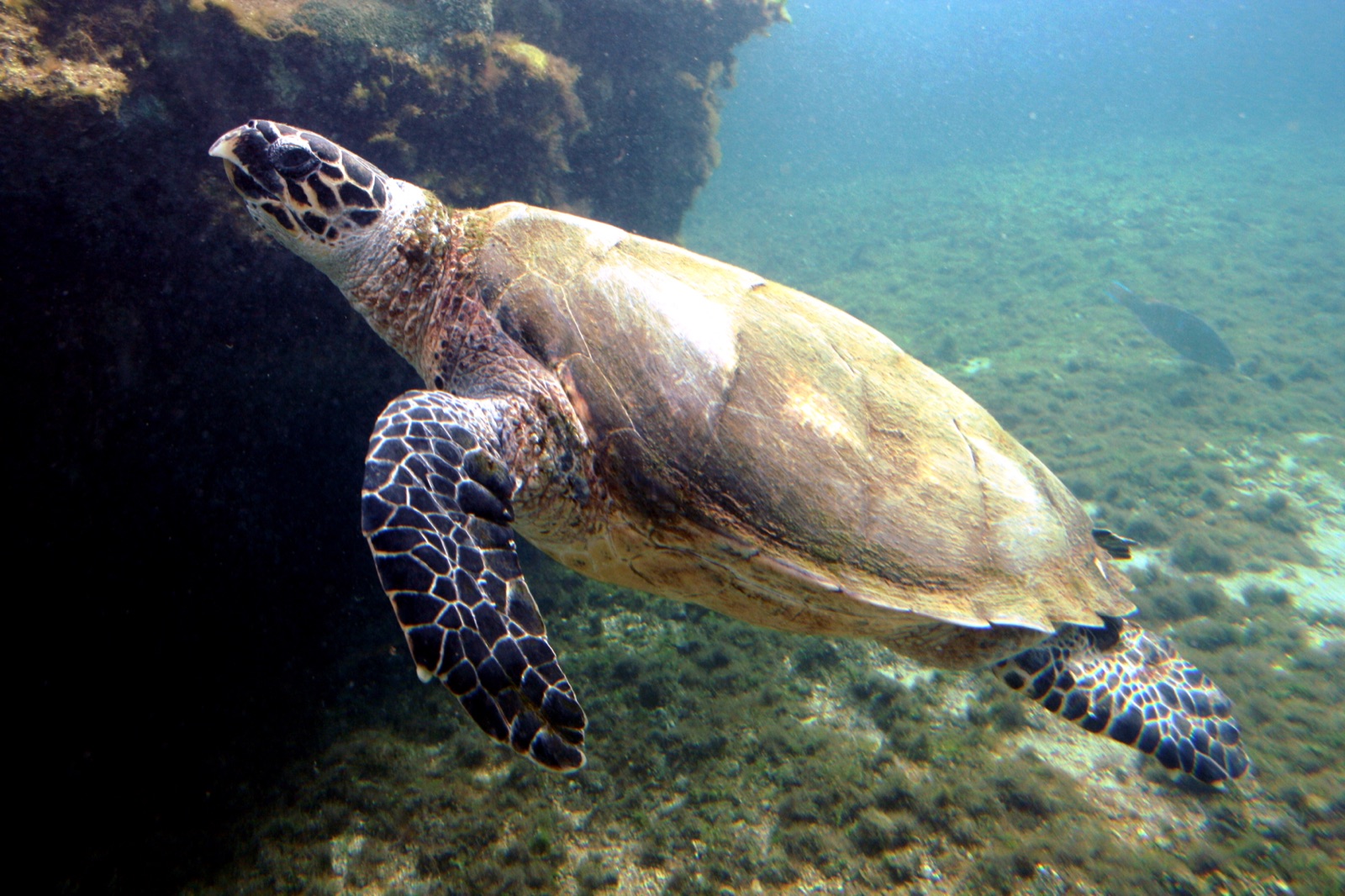
Hawksbill Turtle
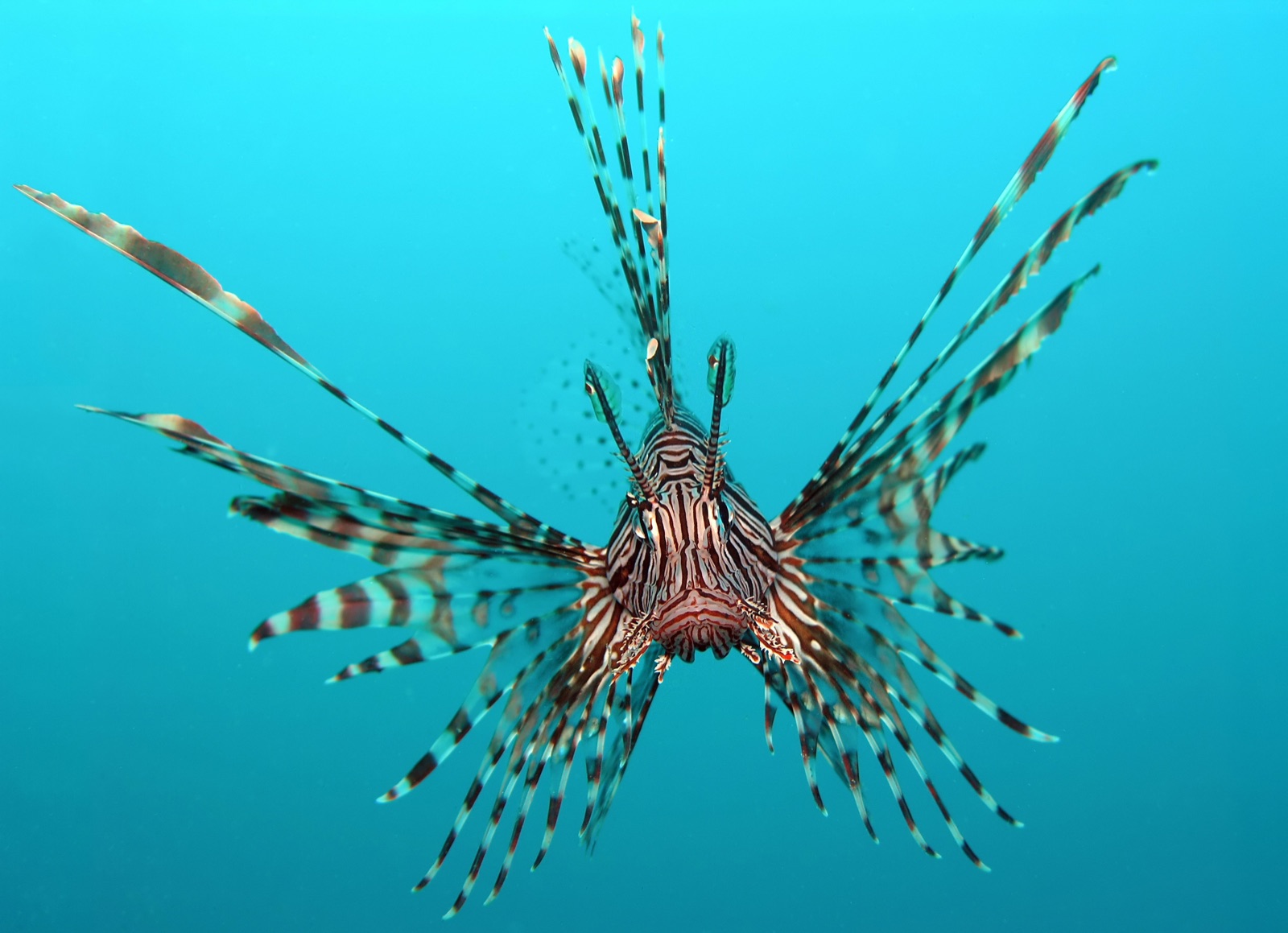
Lionfish
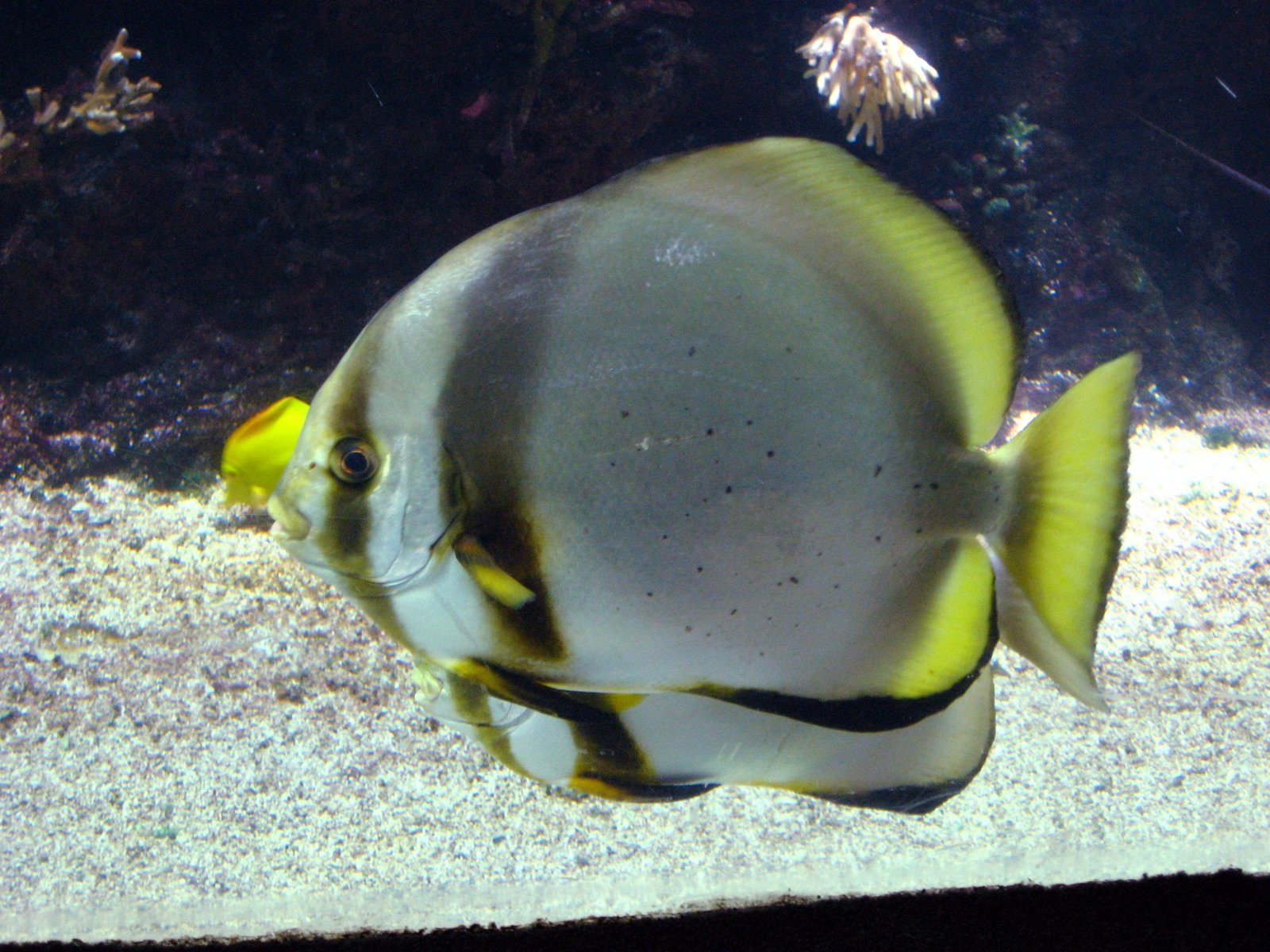
Pinnate Batfish
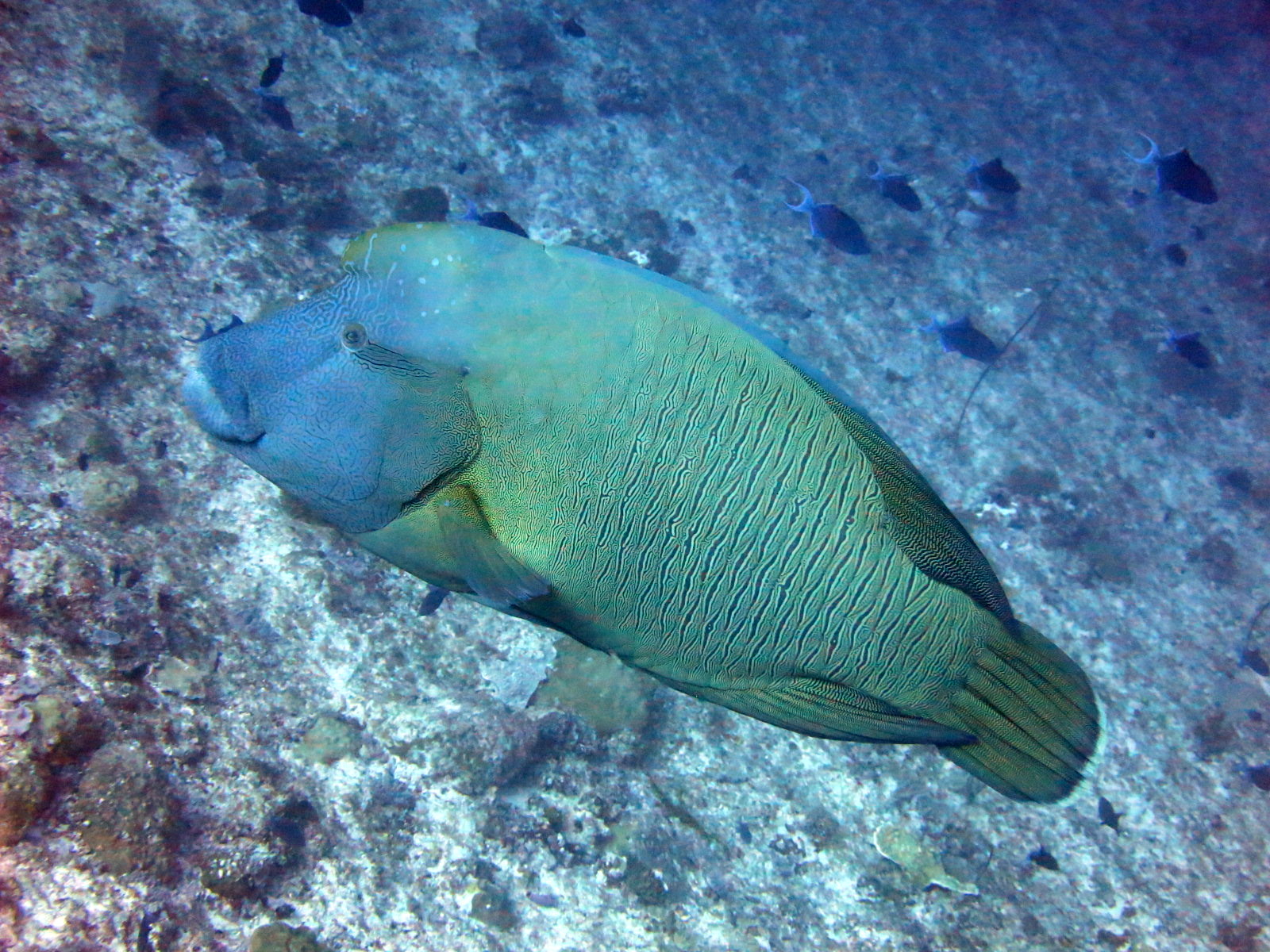
Napoleon (Humphead) Wrasse
Las especies "aquí registradas" fueron añadidas por nuestros editores a partir de las fuentes de esta página. Los recuentos son registros de ocurrencia de GBIF: observaciones anotadas en un radio de unos 5 km de la posición registrada desde 1990, cotejadas únicamente con las especies de nuestro catálogo. Muestran lo que se ha avistado allí, no una garantía de lo que verás.
Para fotógrafos
Gran angular: ★★★★★ · Macro: ★★★☆☆ (valoración de 1 a 5 de los editores sobre lo que ofrece este sitio para cada estilo de fotografía)