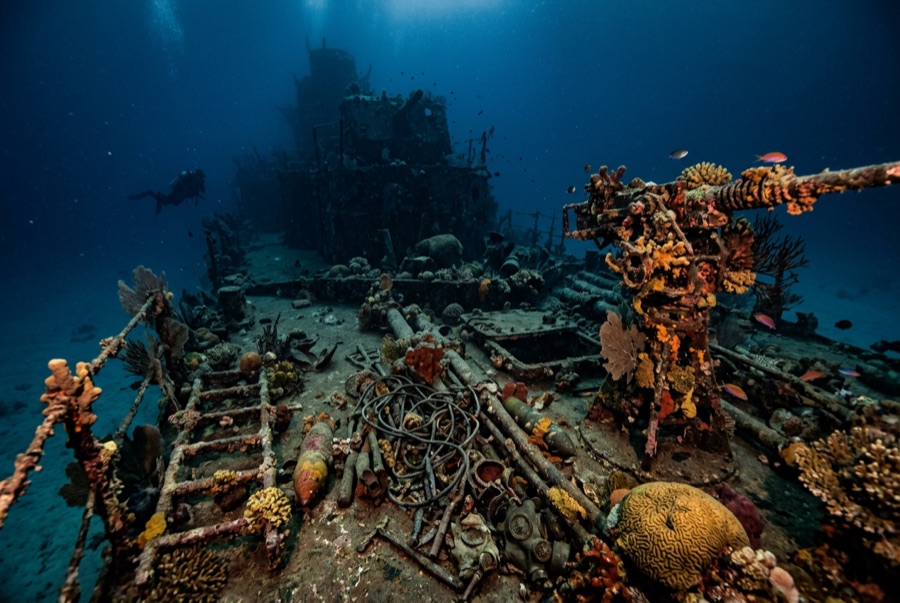
Shinkoku Maru
Die Tiefe gibt den Bereich von der Oberkante des Tauchplatzes bis zur üblichen Maximaltiefe an; „empfohlene Zertifizierung" ist das von Anbietern üblicherweise geforderte Mainstream-Agenturniveau – keine gesetzliche Vorschrift. Strömungen und Sichtweite ändern sich täglich – behandle alle Angaben hier als Planungsbereiche.
A fleet oiler that refueled the Pearl Harbor strike force, the Shinkoku Maru has become the lagoon's flower garden: eighty years of undisturbed growth have wrapped her rails, davits, and telegraphs in soft corals and carpets of anemones that pulse with clownfish. Night dives here are the trip's sensory peak, the whole superstructure feeding under torchlight. Below decks the mood turns solemn: a sick bay with an operating table, tools scattered where medics worked, and spaces that guides treat as a memorial rather than a photo set. The shallow upperworks make her forgiving; the atmosphere makes her unforgettable.
Der Moment, für den du kommst: Anemone and soft-coral cover unmatched in the lagoon; the operating table in the sick bay; bow gun and night dives over feeding coral.
Topografie: Upright hull in roughly 38 m, upperworks rising to about 11 m
Einstieg: Moored dive; the superstructure starts shallow enough that safety stops happen on the wreck itself.
Was du wissen solltest, bevor du ins Wasser gehst
Gefahren: Silt and disorientation below decks; oil residue in tank spaces; keep penetration within training and always with a guide who knows the routes.
Naturschutz: Crew members died aboard and the interior spaces carry that weight. Move slowly, remove nothing, and leave the growth on the rails unbrushed.
Nitrox: Hier lohnt es sich – die Profile liegen in einem Bereich, in dem Nitrox die Nullzeiten spürbar verlängert (mit der entsprechenden Ausbildung).
Wen du triffst
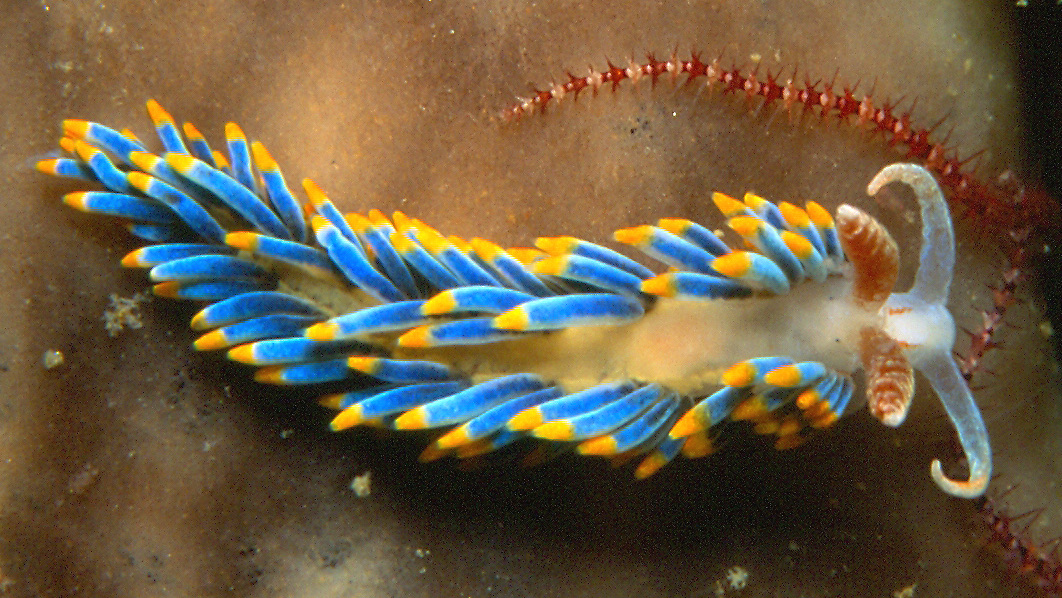
Nudibranchs
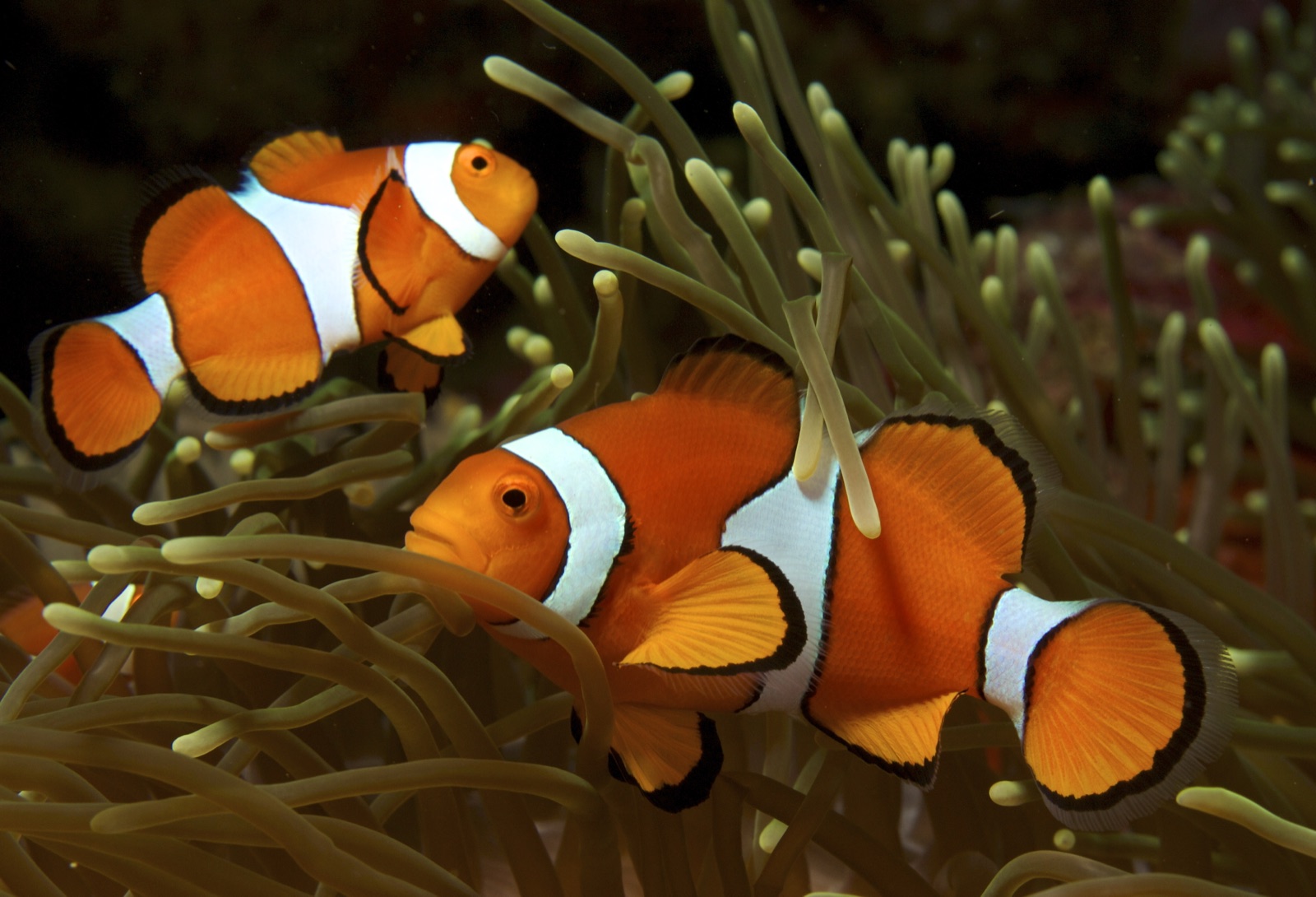
Clownfish & Anemonefish
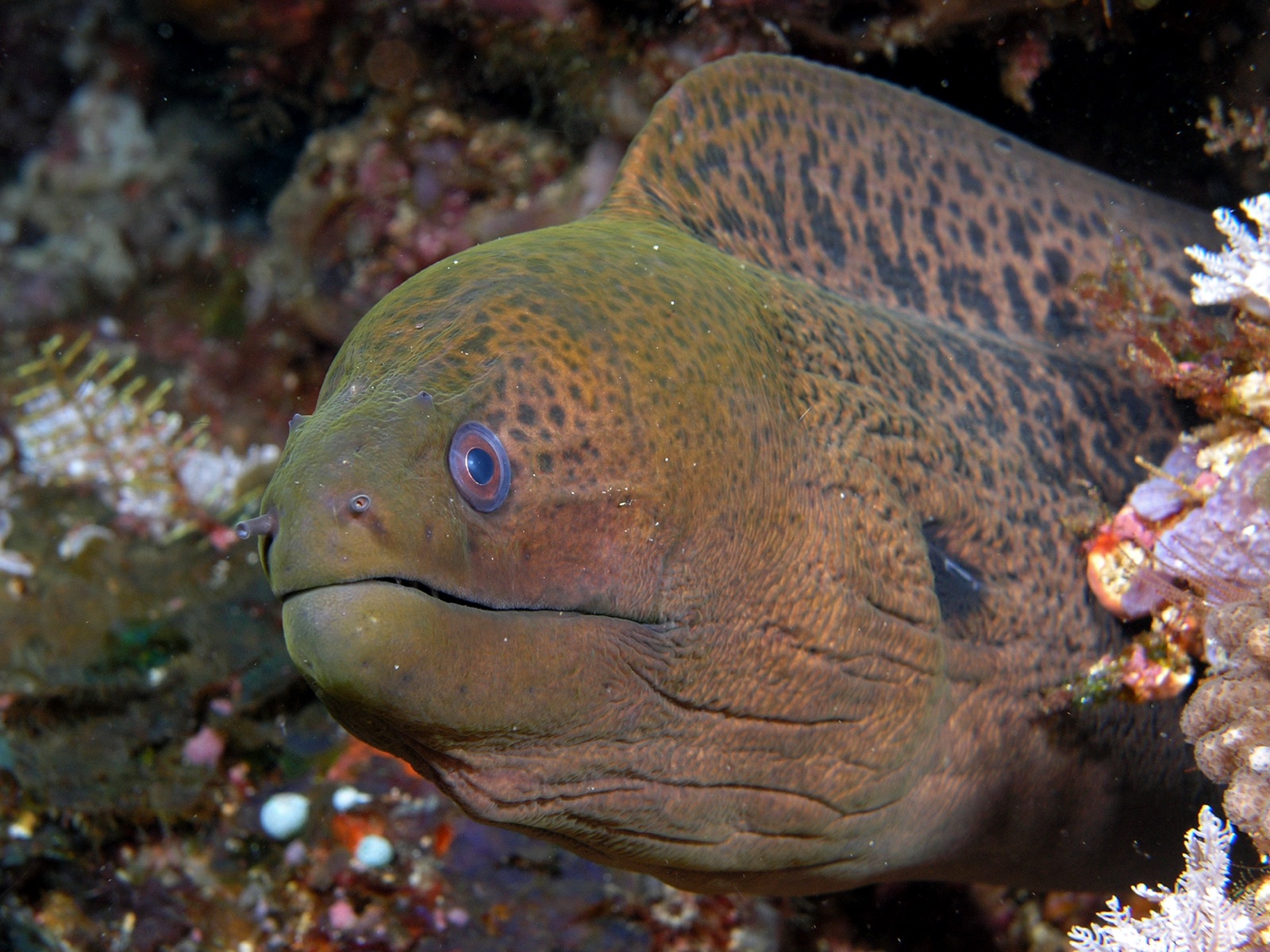
Giant Moray Eel
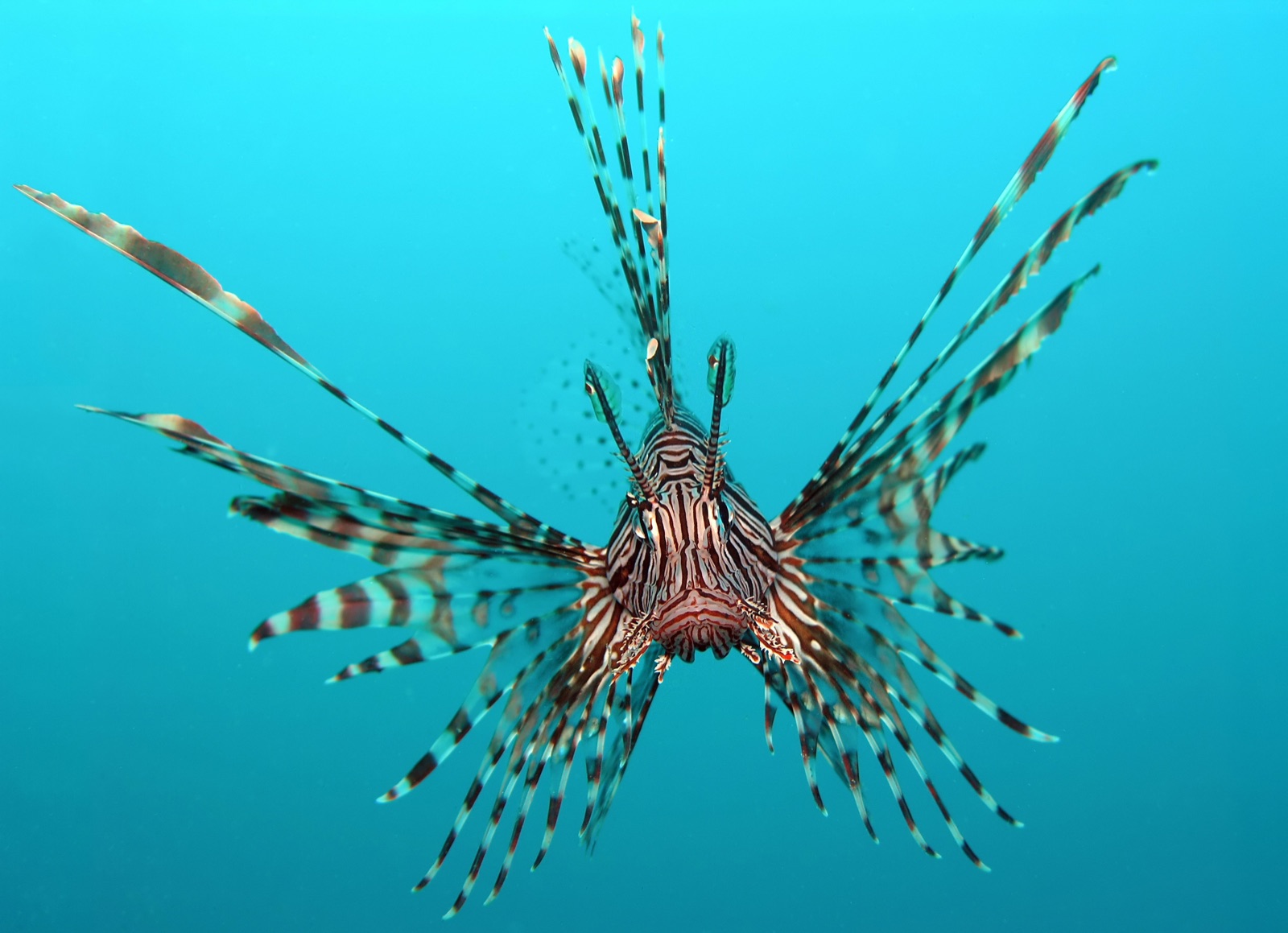
Lionfish
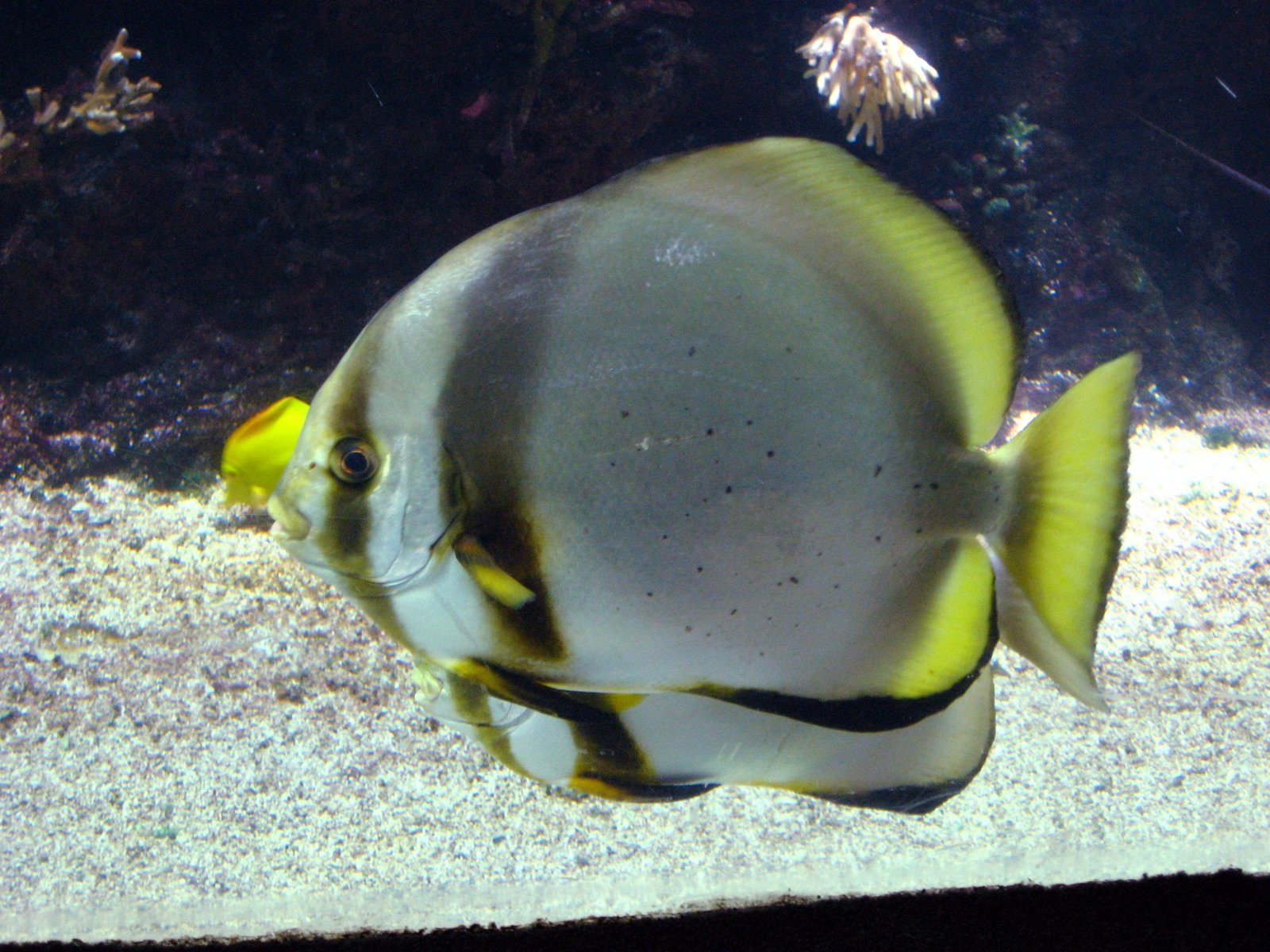
Pinnate Batfish
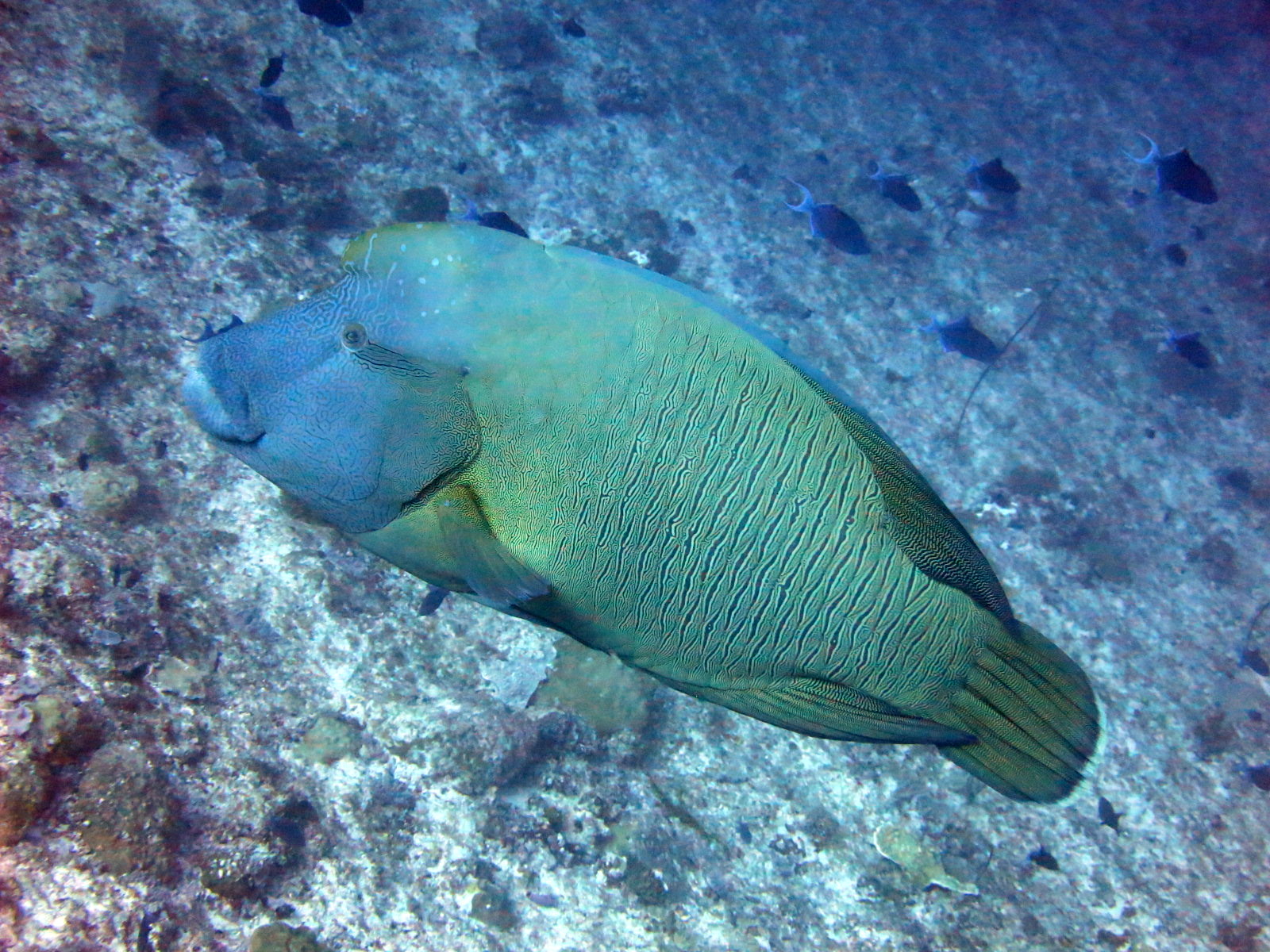
Napoleon (Humphead) Wrasse
„Hier kartiert" – Arten wurden von unseren Redakteuren anhand der Quellen auf dieser Seite erfasst. Die Zahlen sind GBIF-Vorkommensdatensätze: Beobachtungen, die seit 1990 im Umkreis von etwa 5 km um die kartierte Position protokolliert wurden, ausschließlich abgeglichen mit den Arten in unserem Katalog. Sie zeigen, was dort gesichtet wurde – keine Garantie, was du sehen wirst.
Für Fotografen
Weitwinkel: ★★★★★ · Makro: ★★★★☆ (Redaktionelle 1–5-Bewertung, was dieser Platz für jeden Fotografie-Stil bietet)