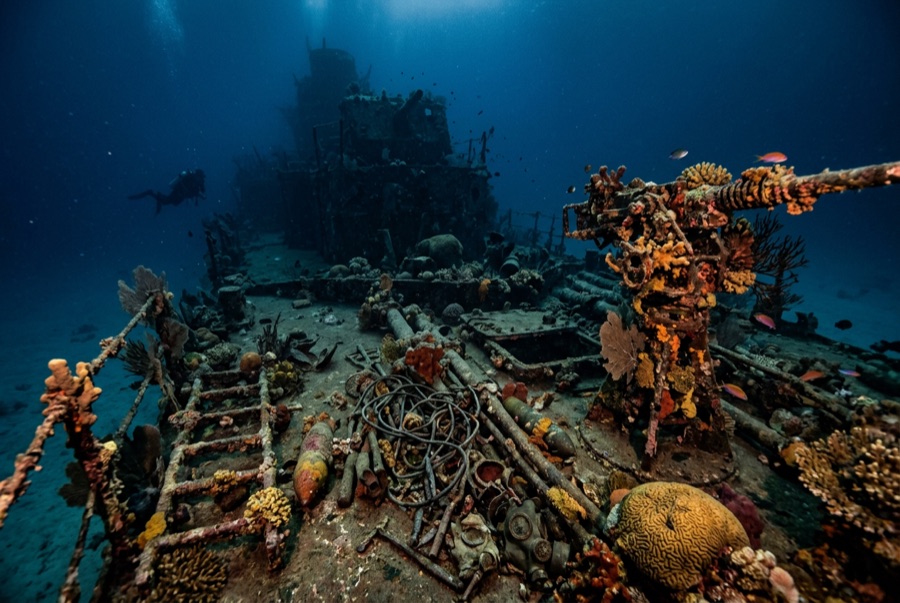
Shinkoku Maru
Depth is the range from the top of the site to its usual maximum; "recommended cert" is the mainstream-agency level operators usually ask for, not a legal rule. Currents and visibility change daily, so treat everything here as planning ranges.
A fleet oiler that refueled the Pearl Harbor strike force, the Shinkoku Maru has become the lagoon's flower garden: eighty years of undisturbed growth have wrapped her rails, davits, and telegraphs in soft corals and carpets of anemones that pulse with clownfish. Night dives here are the trip's sensory peak, the whole superstructure feeding under torchlight. Below decks the mood turns solemn: a sick bay with an operating table, tools scattered where medics worked, and spaces that guides treat as a memorial rather than a photo set. The shallow upperworks make her forgiving; the atmosphere makes her unforgettable.
The moment you come for: Anemone and soft-coral cover unmatched in the lagoon; the operating table in the sick bay; bow gun and night dives over feeding coral.
Topography: Upright hull in roughly 38 m, upperworks rising to about 11 m
Entry: Moored dive; the superstructure starts shallow enough that safety stops happen on the wreck itself.
Know before you splash
Hazards: Silt and disorientation below decks; oil residue in tank spaces; keep penetration within training and always with a guide who knows the routes.
Conservation: Crew members died aboard and the interior spaces carry that weight. Move slowly, remove nothing, and leave the growth on the rails unbrushed.
Nitrox: Worth it here: profiles sit in the range where enriched air meaningfully extends no-stop time (with the training to use it).
Who you'll meet
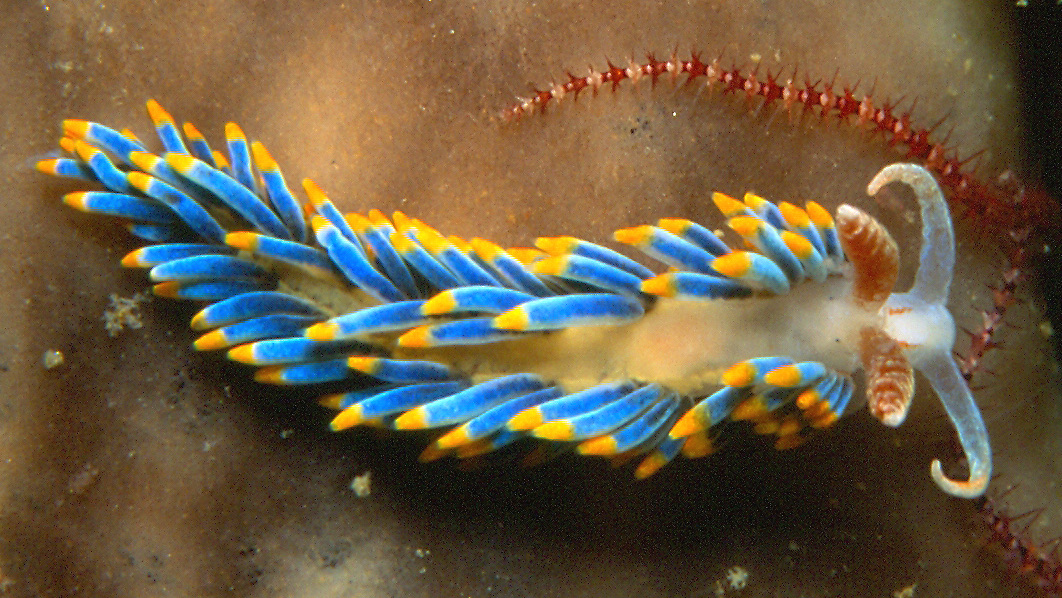
Nudibranchs
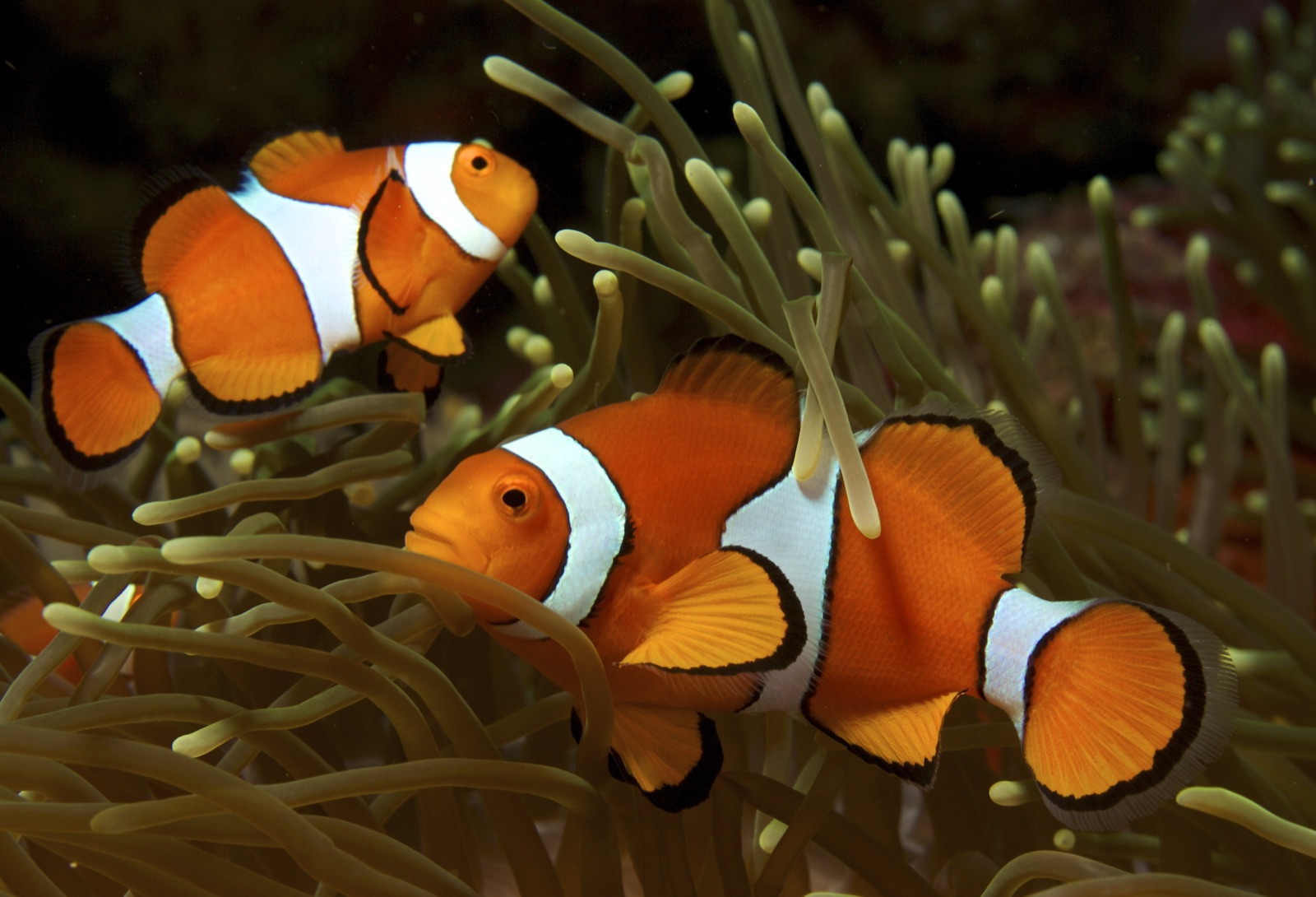
Clownfish & Anemonefish
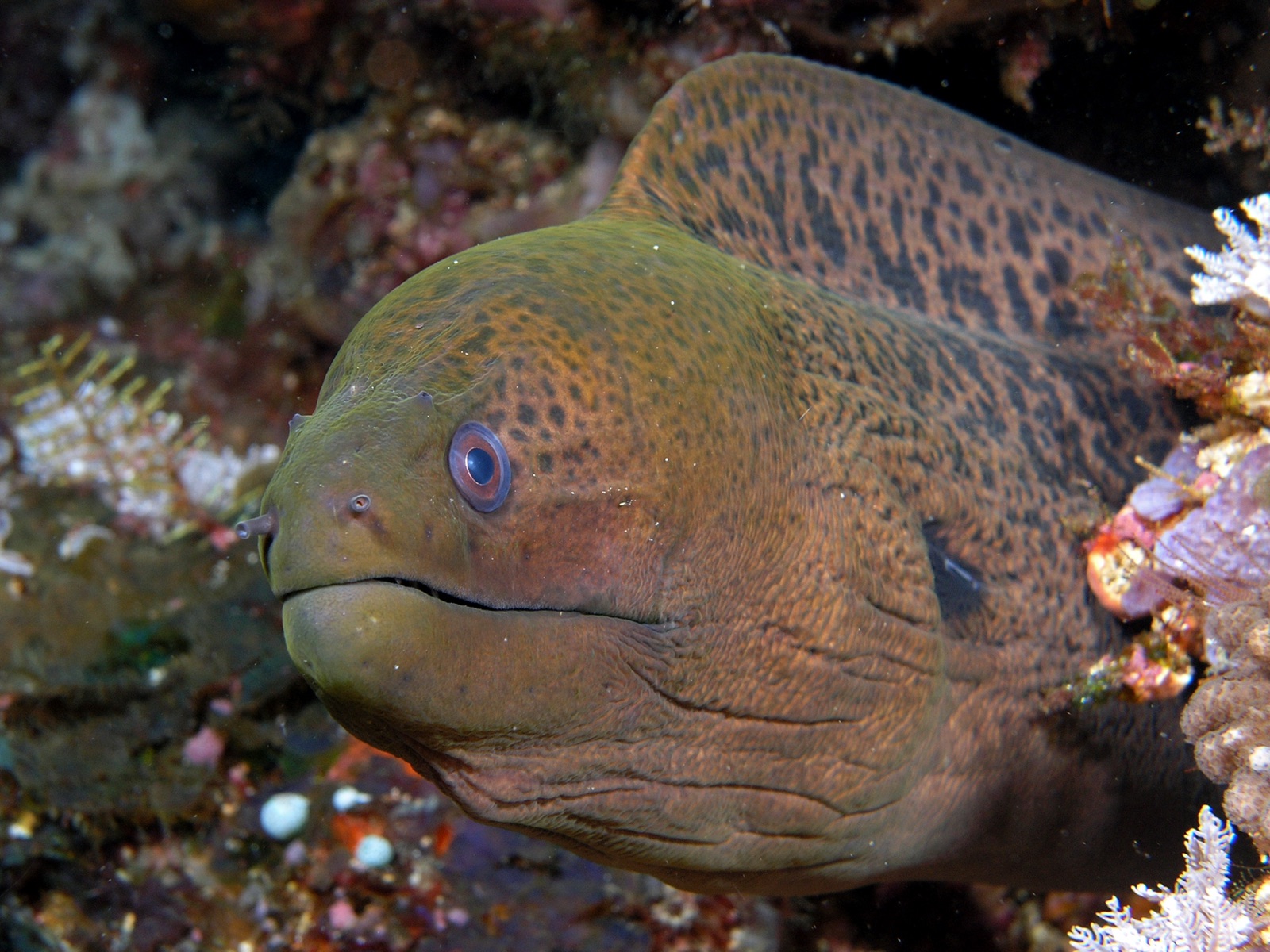
Giant Moray Eel
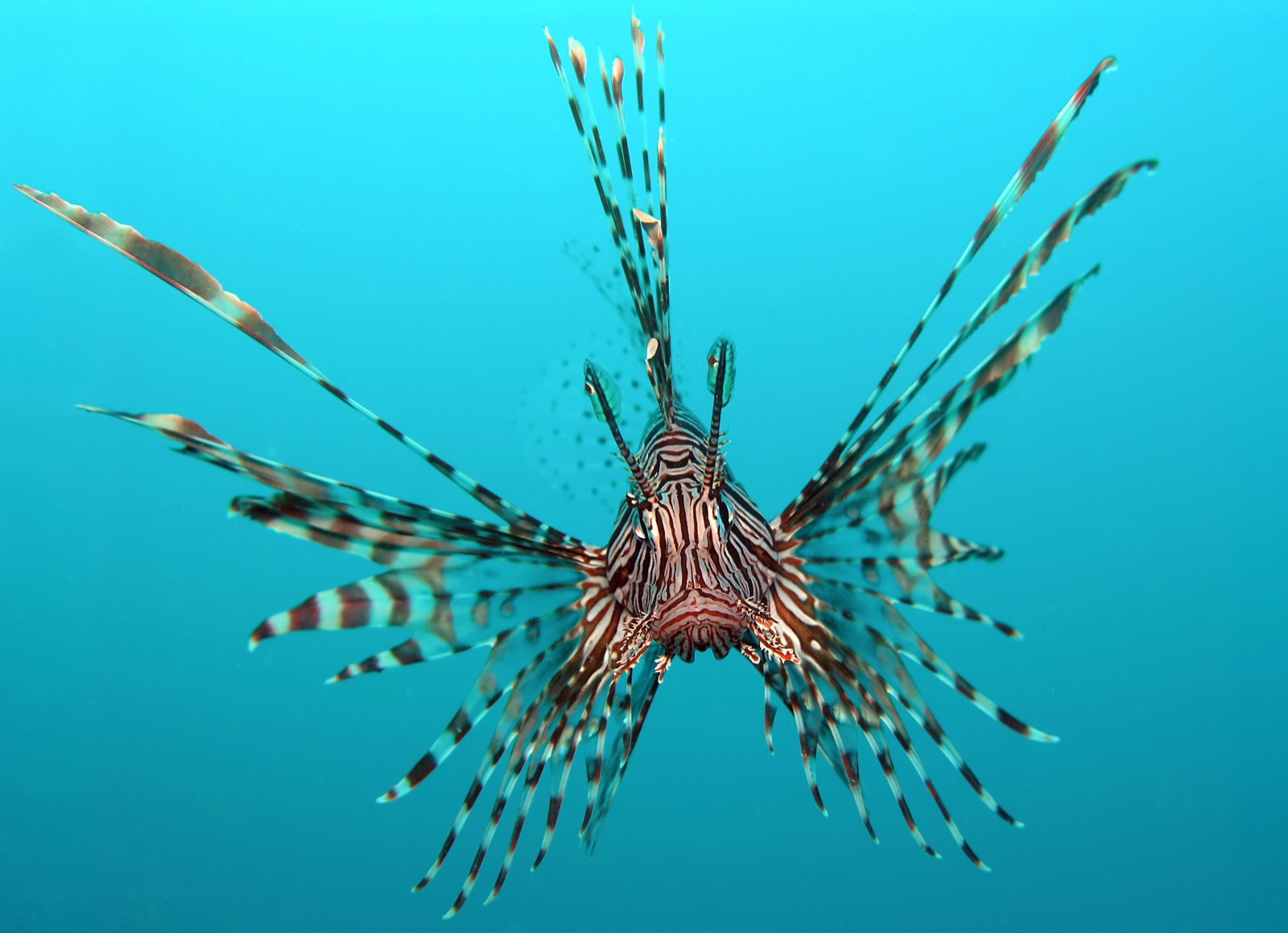
Lionfish
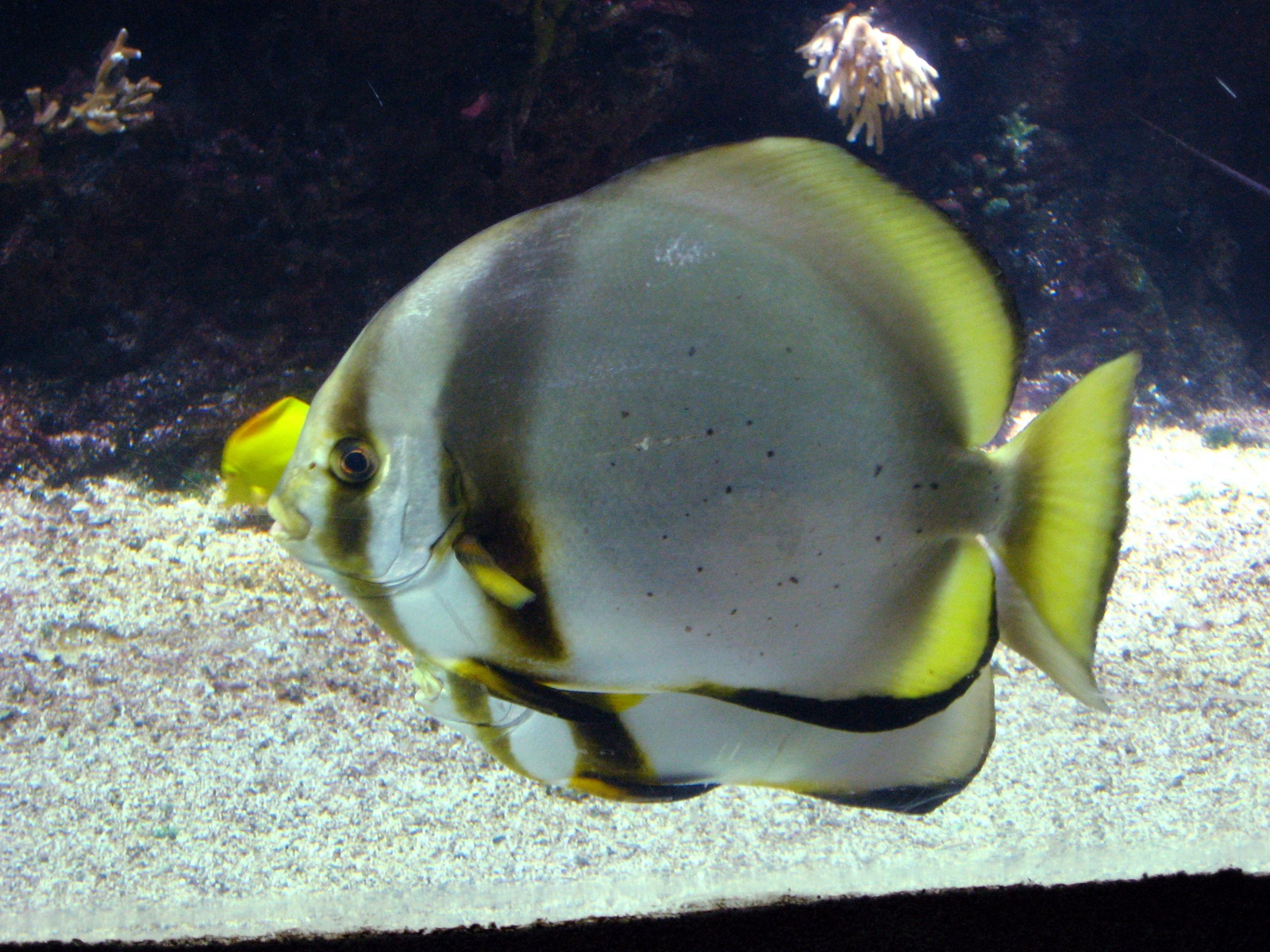
Pinnate Batfish
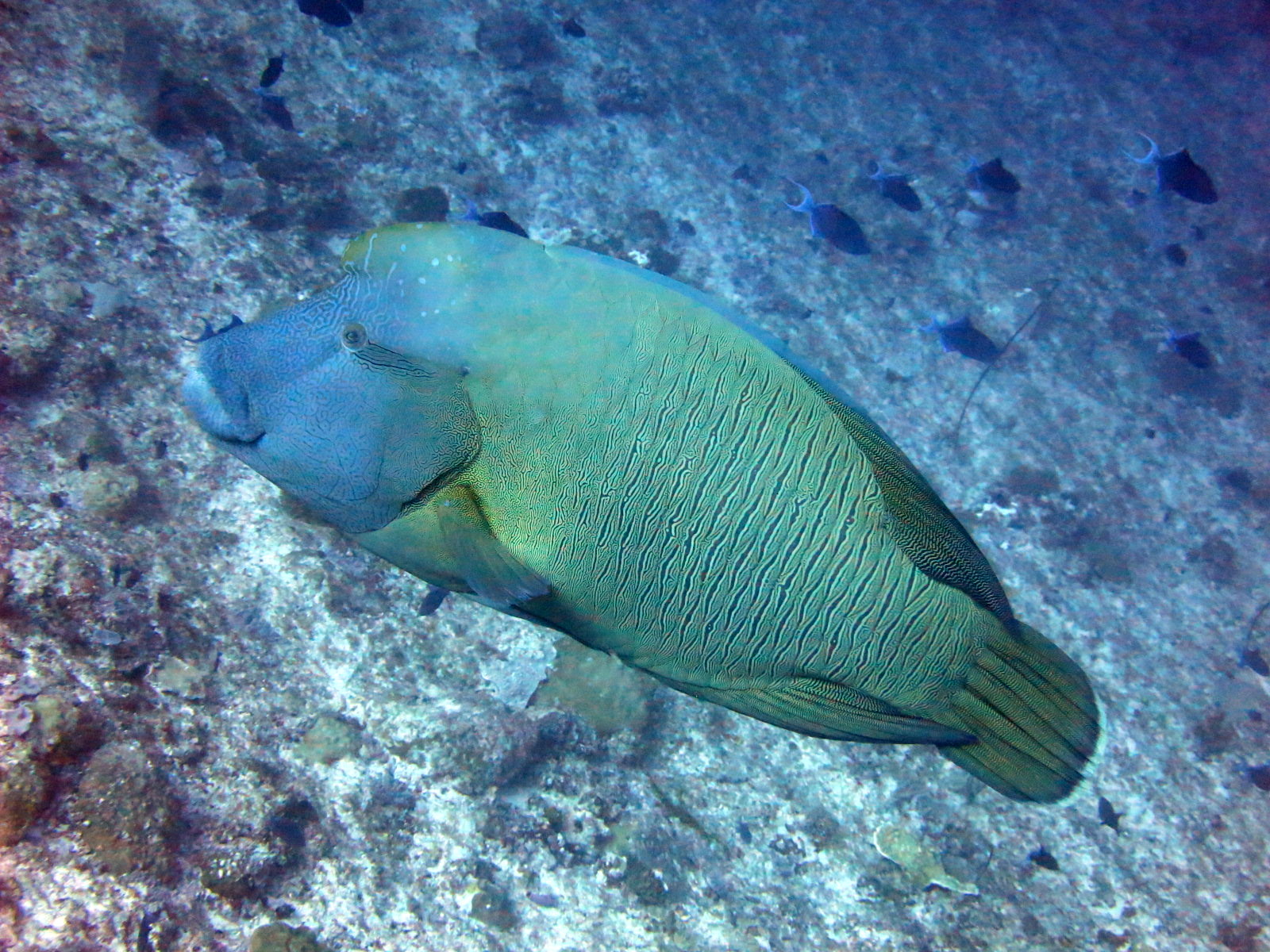
Napoleon (Humphead) Wrasse
"Charted here" species were listed by our editors from the sources on this page. Counts are GBIF occurrence records: observations logged within about 5 km of the charted position since 1990, matched only against the species in our catalogue. They show what has been seen there, not a promise of what you will see.
For photographers
Wide angle: ★★★★★ · Macro: ★★★★☆ (editors' 1–5 rating of what this site gives each style of shooting)