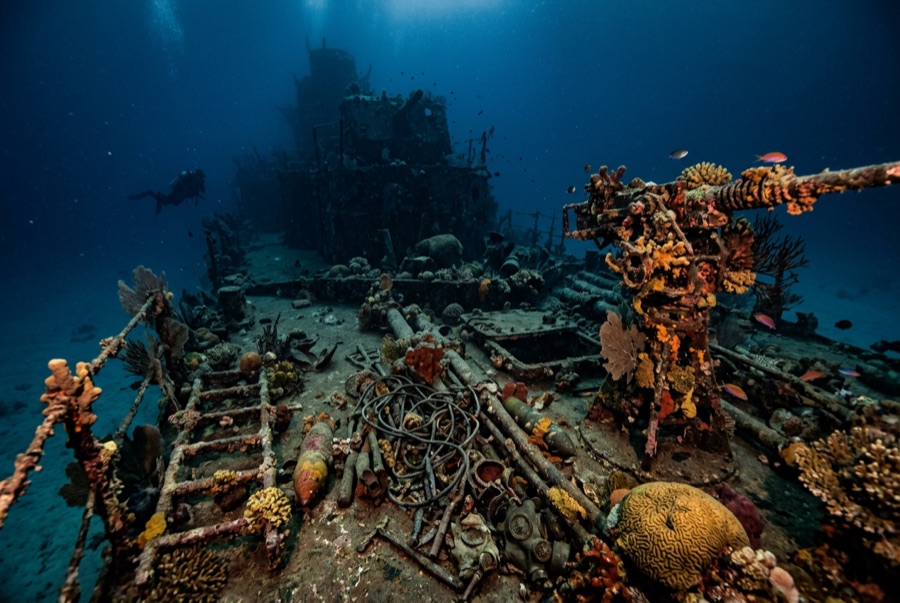
Shinkoku Maru
La profundidad es el rango desde la cima del punto de buceo hasta su máximo habitual; la "certificación recomendada" es el nivel que los operadores suelen pedir según las agencias principales, no una norma legal. Las corrientes y la visibilidad cambian a diario, así que trata todo esto como rangos de planificación.
A fleet oiler that refueled the Pearl Harbor strike force, the Shinkoku Maru has become the lagoon's flower garden: eighty years of undisturbed growth have wrapped her rails, davits, and telegraphs in soft corals and carpets of anemones that pulse with clownfish. Night dives here are the trip's sensory peak, the whole superstructure feeding under torchlight. Below decks the mood turns solemn: a sick bay with an operating table, tools scattered where medics worked, and spaces that guides treat as a memorial rather than a photo set. The shallow upperworks make her forgiving; the atmosphere makes her unforgettable.
El momento por el que vienes: Anemone and soft-coral cover unmatched in the lagoon; the operating table in the sick bay; bow gun and night dives over feeding coral.
Topografía: Upright hull in roughly 38 m, upperworks rising to about 11 m
Entrada: Moored dive; the superstructure starts shallow enough that safety stops happen on the wreck itself.
Lo que debes saber antes de tirarte al agua
Riesgos: Silt and disorientation below decks; oil residue in tank spaces; keep penetration within training and always with a guide who knows the routes.
Conservación: Crew members died aboard and the interior spaces carry that weight. Move slowly, remove nothing, and leave the growth on the rails unbrushed.
Nitrox: Vale la pena aquí: los perfiles están en el rango donde el nitrox amplía de forma significativa el tiempo sin parada (con la formación necesaria para usarlo).
A quién encontrarás
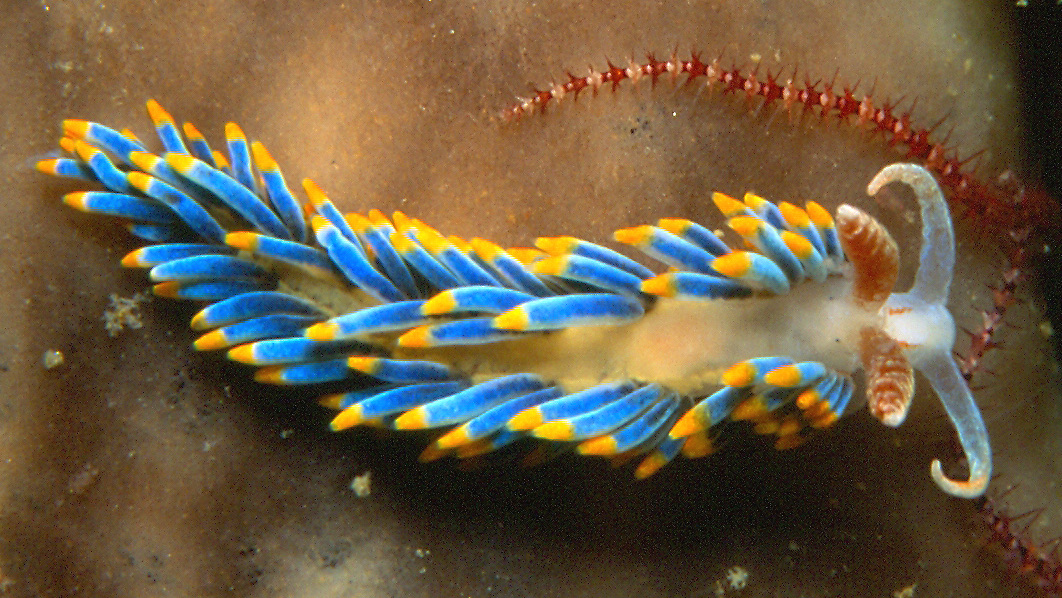
Nudibranchs
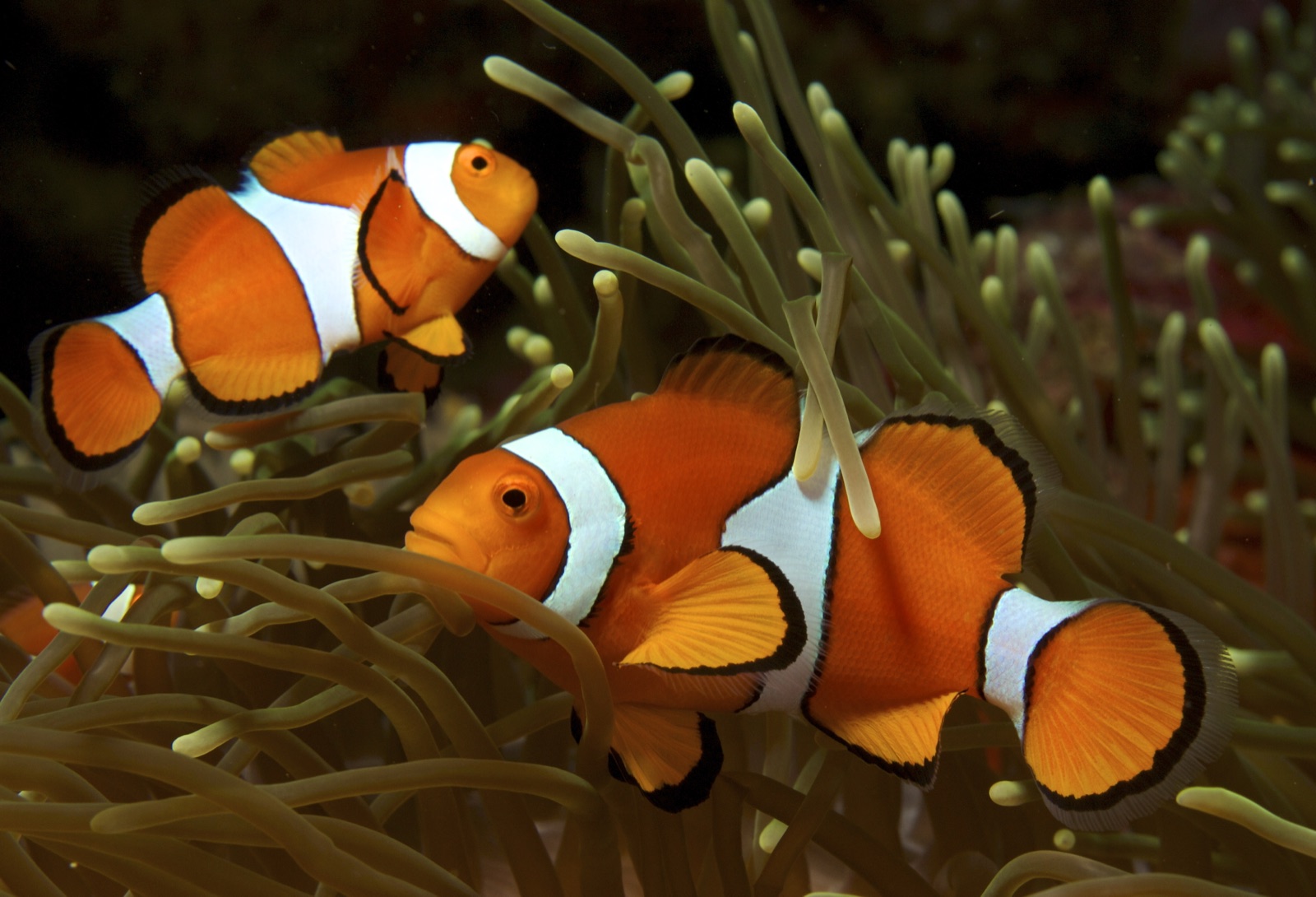
Clownfish & Anemonefish
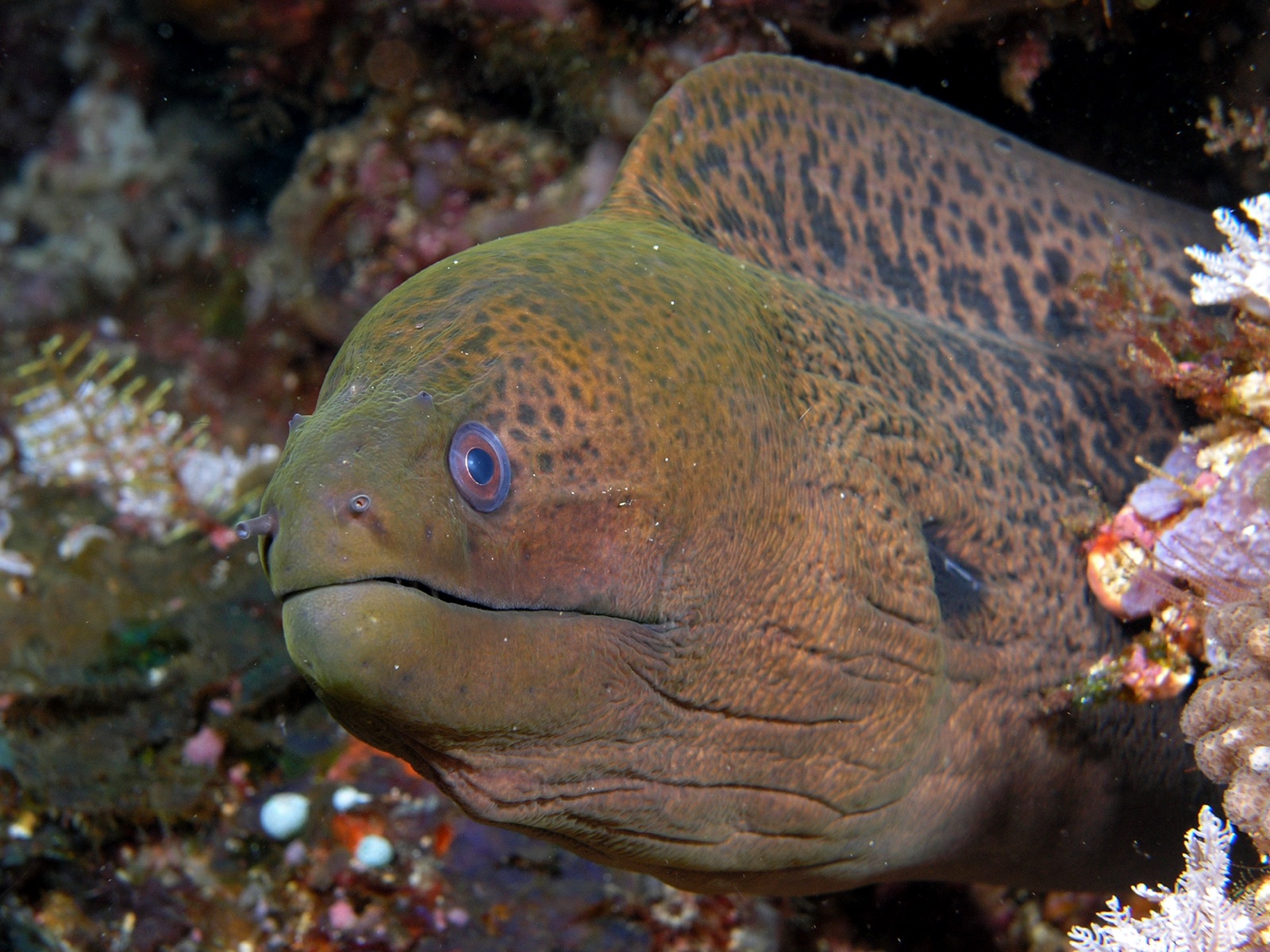
Giant Moray Eel
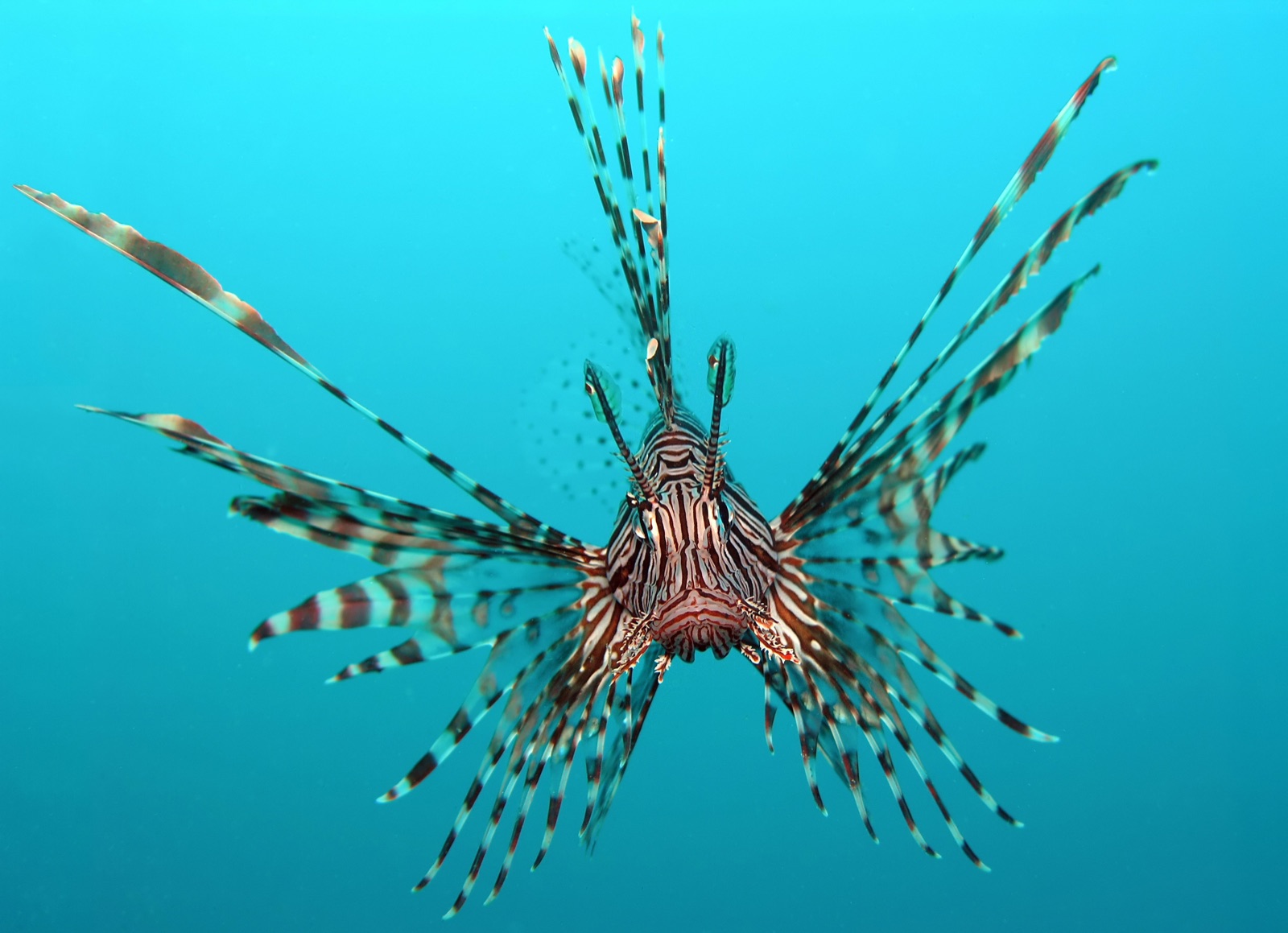
Lionfish
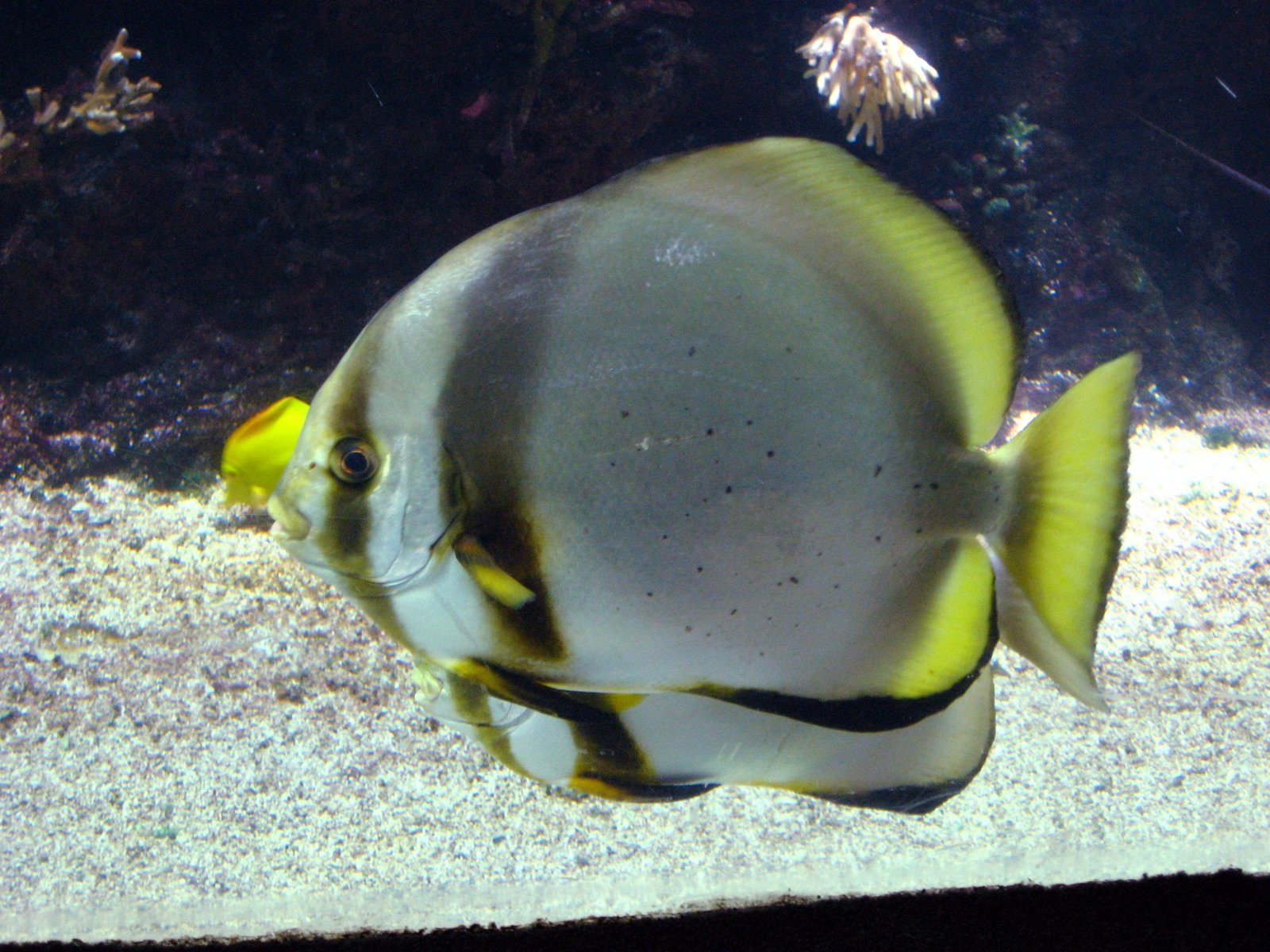
Pinnate Batfish
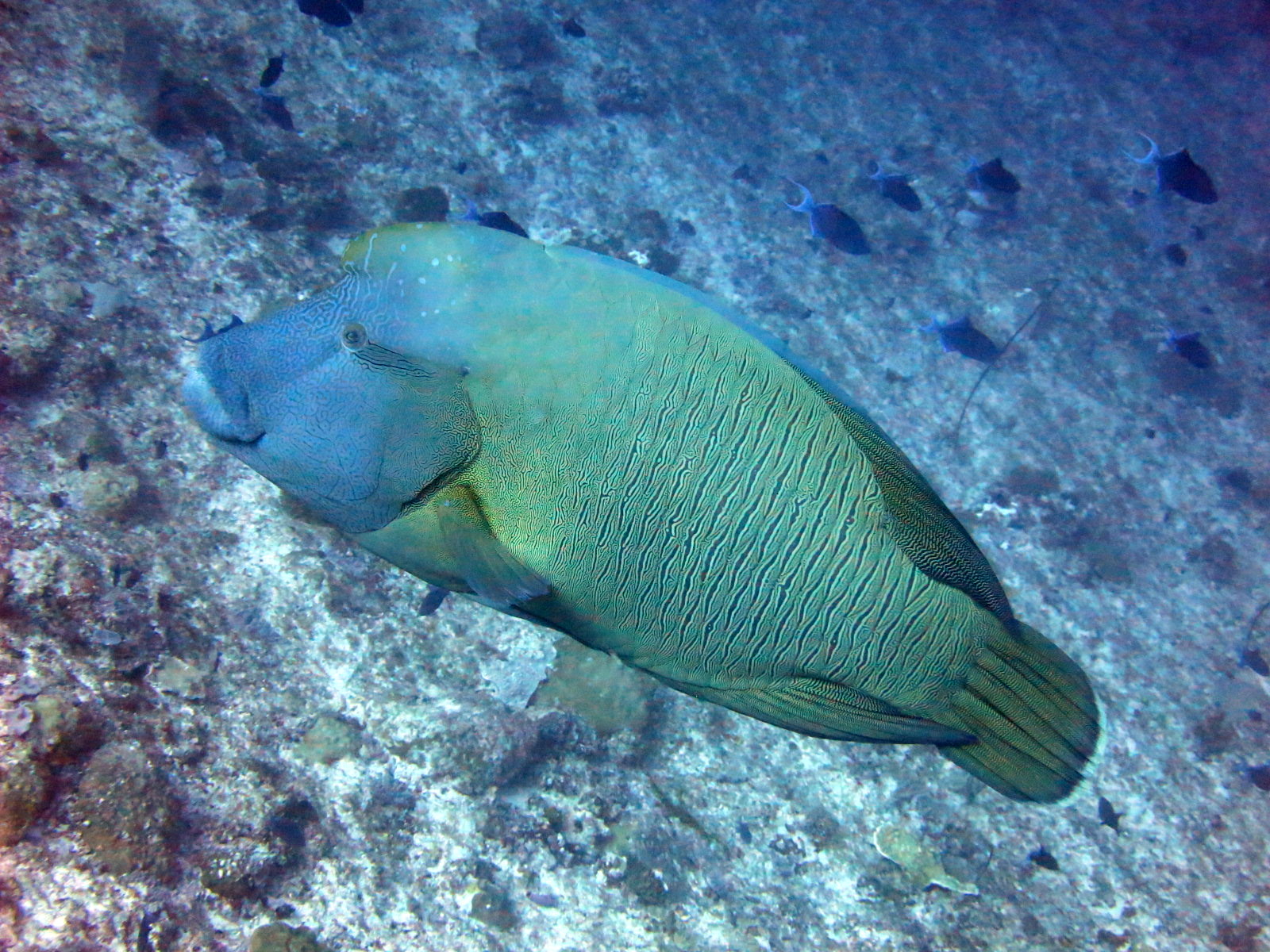
Napoleon (Humphead) Wrasse
Las especies "aquí registradas" fueron añadidas por nuestros editores a partir de las fuentes de esta página. Los recuentos son registros de ocurrencia de GBIF: observaciones anotadas en un radio de unos 5 km de la posición registrada desde 1990, cotejadas únicamente con las especies de nuestro catálogo. Muestran lo que se ha avistado allí, no una garantía de lo que verás.
Para fotógrafos
Gran angular: ★★★★★ · Macro: ★★★★☆ (valoración de 1 a 5 de los editores sobre lo que ofrece este sitio para cada estilo de fotografía)