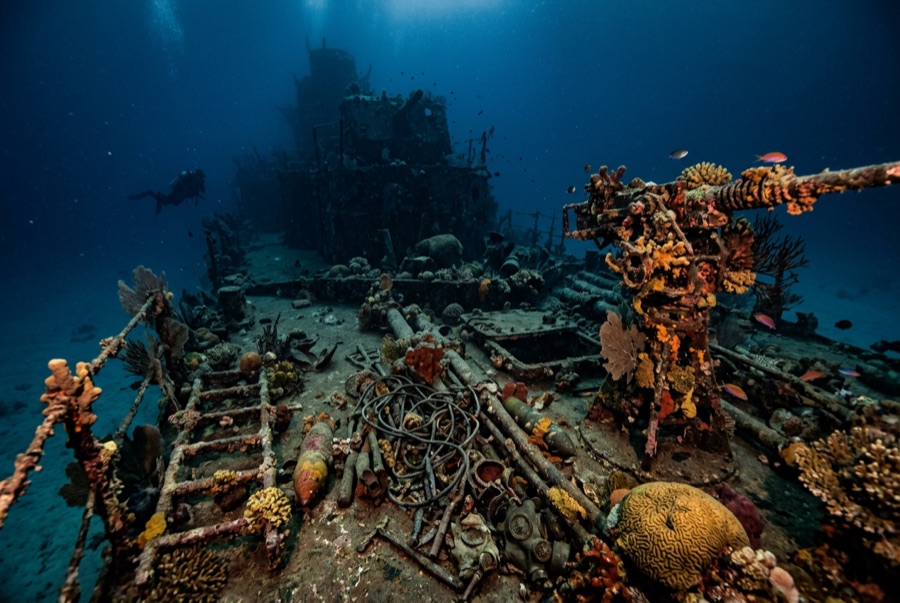
Shinkoku Maru
La profondeur correspond à la plage allant du sommet du site jusqu'à son maximum habituel ; le « niveau recommandé » est le niveau demandé en général par les opérateurs auprès des grandes agences, pas une règle légale. Les courants et la visibilité varient chaque jour, traitez donc tout cela comme des plages indicatives de planification.
A fleet oiler that refueled the Pearl Harbor strike force, the Shinkoku Maru has become the lagoon's flower garden: eighty years of undisturbed growth have wrapped her rails, davits, and telegraphs in soft corals and carpets of anemones that pulse with clownfish. Night dives here are the trip's sensory peak, the whole superstructure feeding under torchlight. Below decks the mood turns solemn: a sick bay with an operating table, tools scattered where medics worked, and spaces that guides treat as a memorial rather than a photo set. The shallow upperworks make her forgiving; the atmosphere makes her unforgettable.
Le moment pour lequel vous venez: Anemone and soft-coral cover unmatched in the lagoon; the operating table in the sick bay; bow gun and night dives over feeding coral.
Topographie: Upright hull in roughly 38 m, upperworks rising to about 11 m
Entrée: Moored dive; the superstructure starts shallow enough that safety stops happen on the wreck itself.
À savoir avant de plonger
Dangers: Silt and disorientation below decks; oil residue in tank spaces; keep penetration within training and always with a guide who knows the routes.
Conservation: Crew members died aboard and the interior spaces carry that weight. Move slowly, remove nothing, and leave the growth on the rails unbrushed.
Nitrox: Pertinent ici : les profils se situent dans la plage où le nitrox prolonge significativement le temps sans palier (avec la formation pour l'utiliser).
Qui vous croiserez
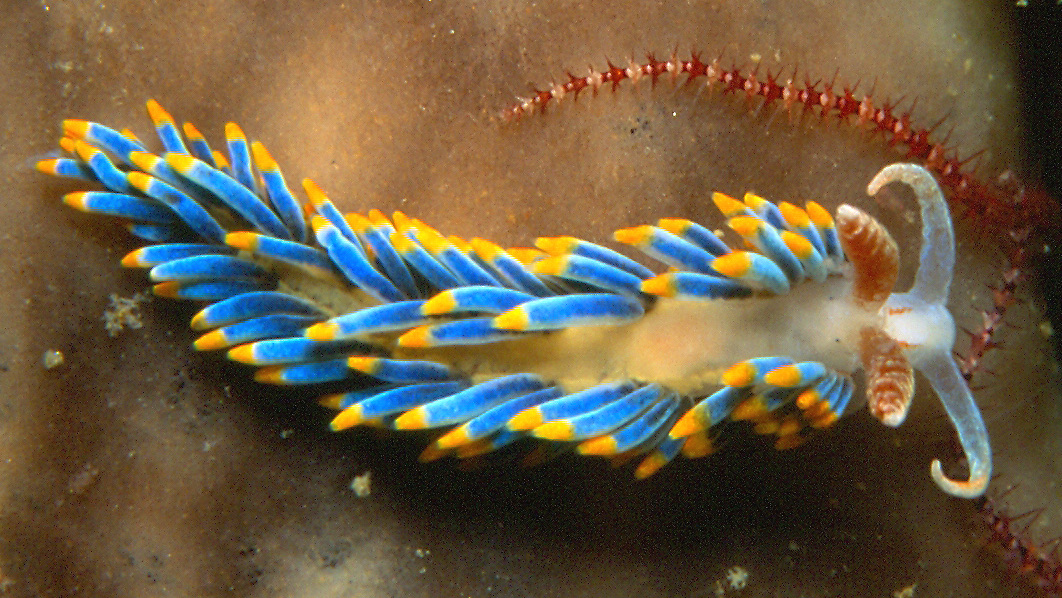
Nudibranchs
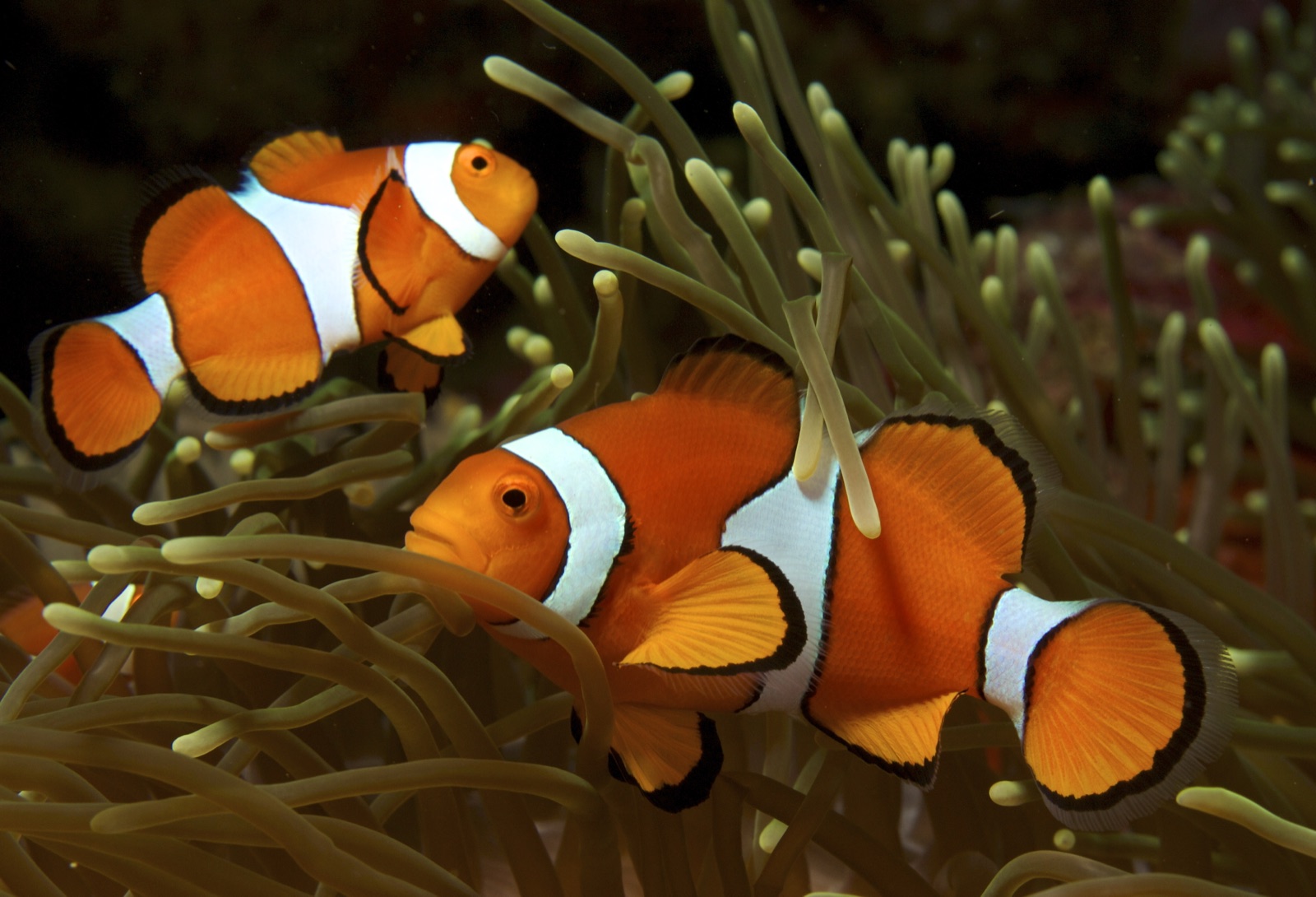
Clownfish & Anemonefish
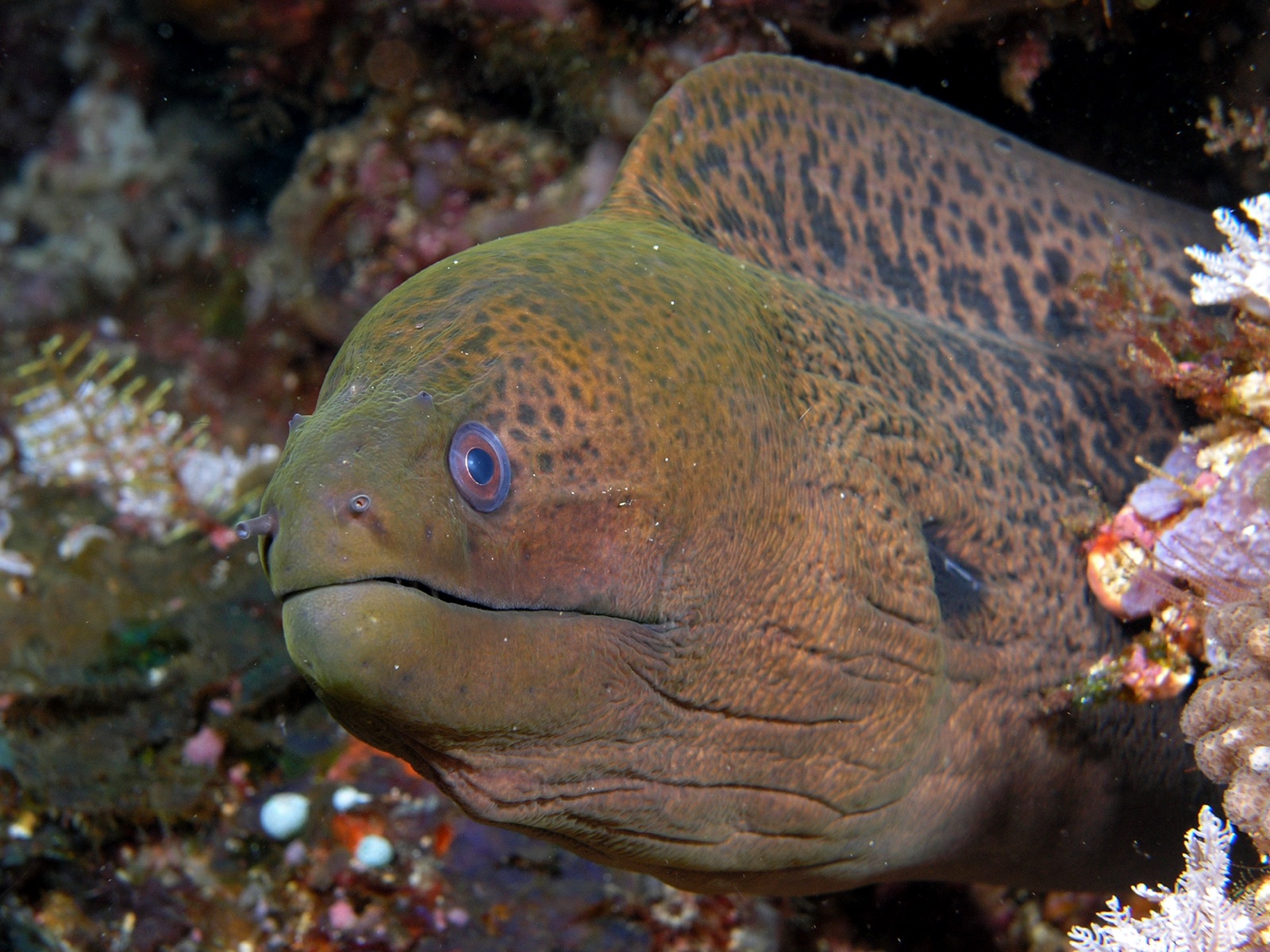
Giant Moray Eel
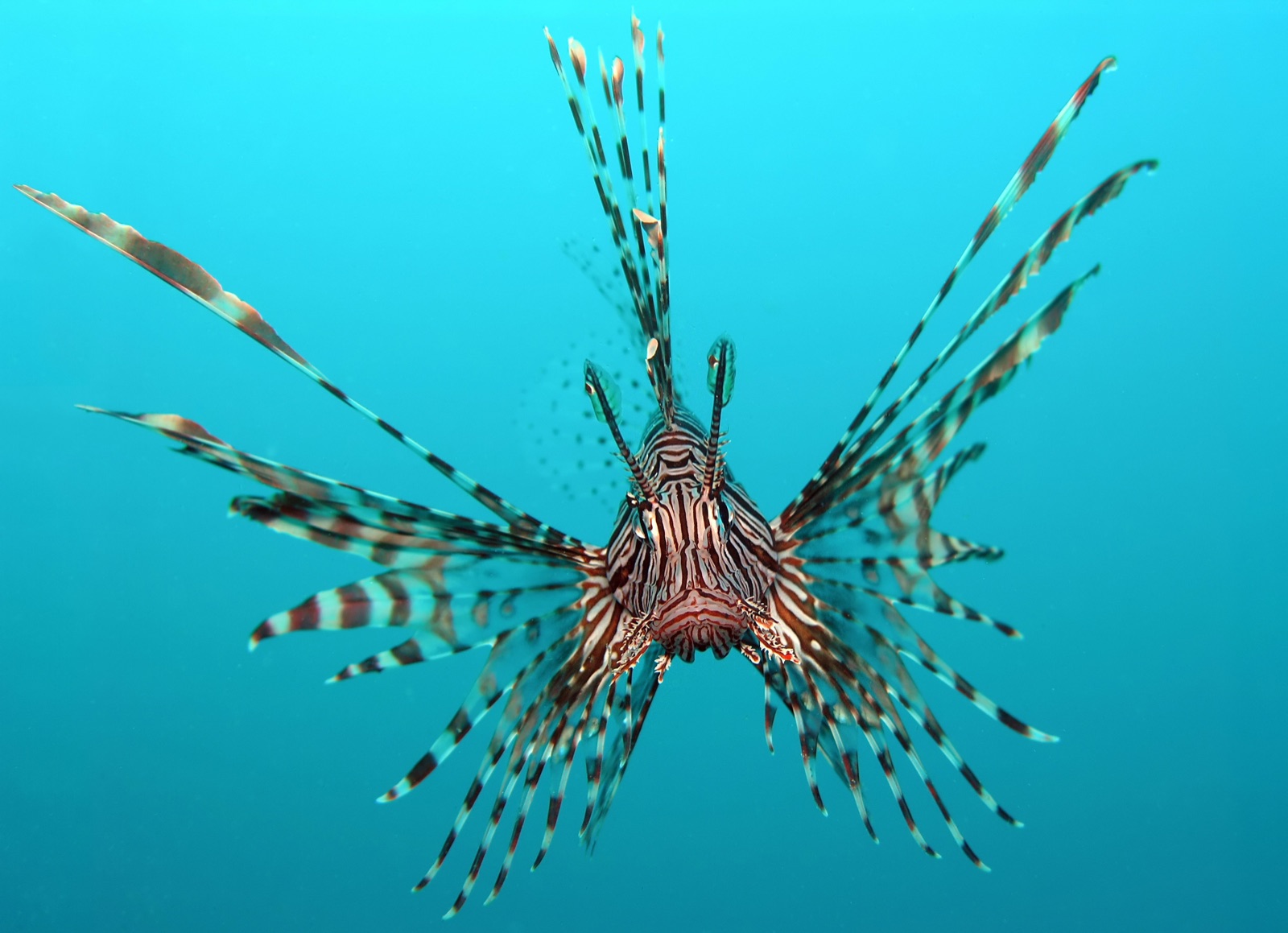
Lionfish
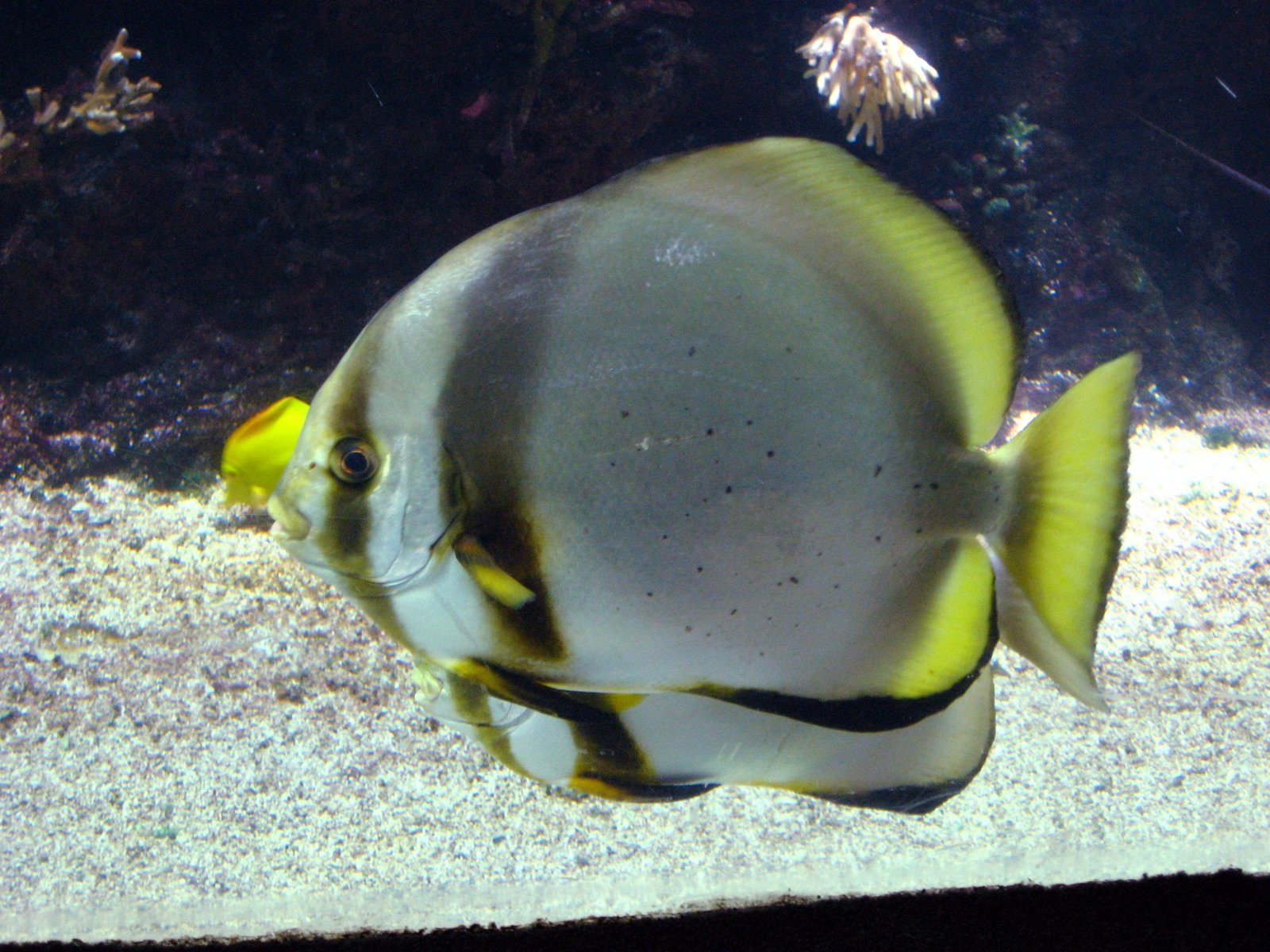
Pinnate Batfish
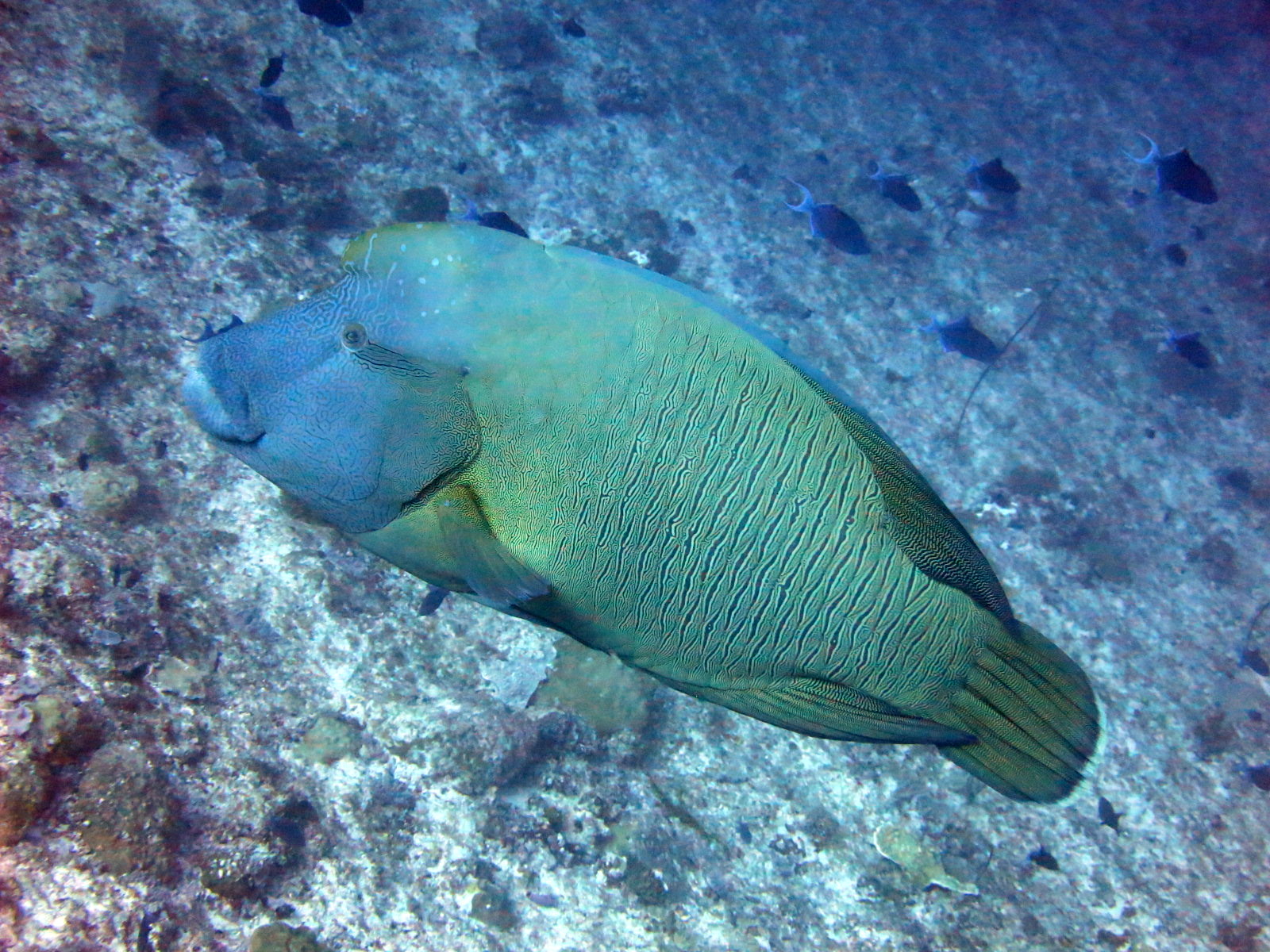
Napoleon (Humphead) Wrasse
Les espèces « cartographiées ici » ont été répertoriées par nos éditeurs à partir des sources indiquées sur cette page. Les comptages correspondent aux occurrences GBIF : observations enregistrées dans un rayon d'environ 5 km autour de la position cartographiée depuis 1990, comparées uniquement aux espèces de notre catalogue. Ils indiquent ce qui a été observé à cet endroit, sans garantir ce que vous y verrez.
Pour les photographes
Grand angle: ★★★★★ · Macro: ★★★★☆ (note 1–5 des éditeurs sur ce que ce site offre à chaque style de prise de vue)