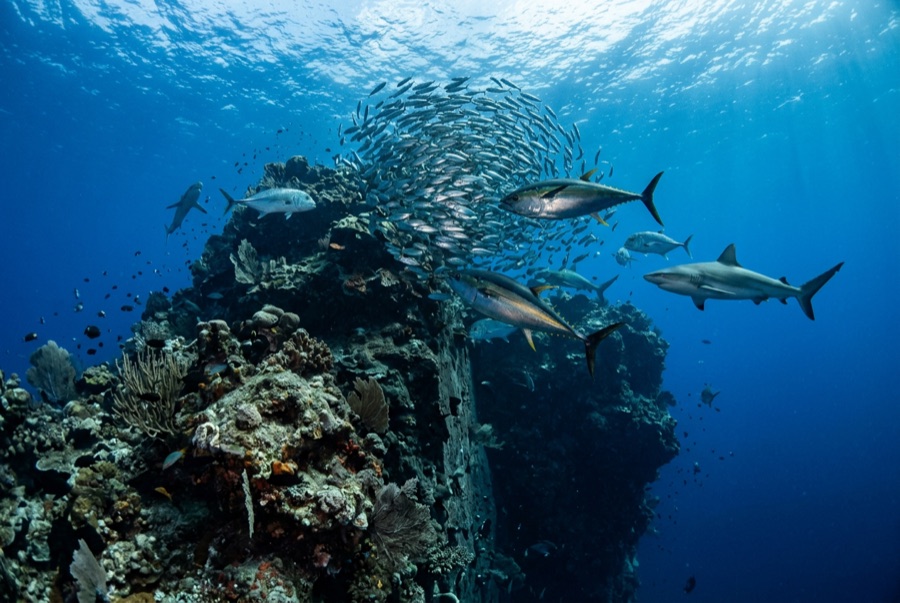
Bajo Alcyone
La profondeur correspond à la plage allant du sommet du site jusqu'à son maximum habituel ; le « niveau recommandé » est le niveau demandé en général par les opérateurs auprès des grandes agences, pas une règle légale. Les courants et la visibilité varient chaque jour, traitez donc tout cela comme des plages indicatives de planification.
Located in the late 1980s by Jacques Cousteau's team and named for their turbosail ship Alcyone, then made famous by decades of shark research, Bajo Alcyone is the purest expression of what Cocos does. The seamount's summit levels off around 27 m; divers pull themselves down the mooring line through the blue, wedge in among barnacle-crusted rocks, and wait. Barberfish rise to meet incoming scalloped hammerheads, and on the good days the school builds overhead until it dims the surface light. Marbled rays sail past like flying carpets, whitetips thread the rocks, and the drifting deco stop in open water regularly produces silkies and, in season, a whale shark.
Le moment pour lequel vous venez: The archetypal hammerhead cleaning station, marbled rays, blue-water safety stops with silkies
Topographie: Flattened volcanic summit at 25-30 m dropping into deep water
Courant: Descend the line, get behind rock, stay low; the current is what delivers the sharks.
À savoir avant de plonger
Dangers: Depth plus current plus blue-water ascent - a dive to plan conservatively, 36 hours from help.
Conservation: Cocos Island National Park; no gloves on the reef, no contact, ranger-monitored moorings.
Nitrox: Pertinent ici : les profils se situent dans la plage où le nitrox prolonge significativement le temps sans palier (avec la formation pour l'utiliser).
Qui vous croiserez
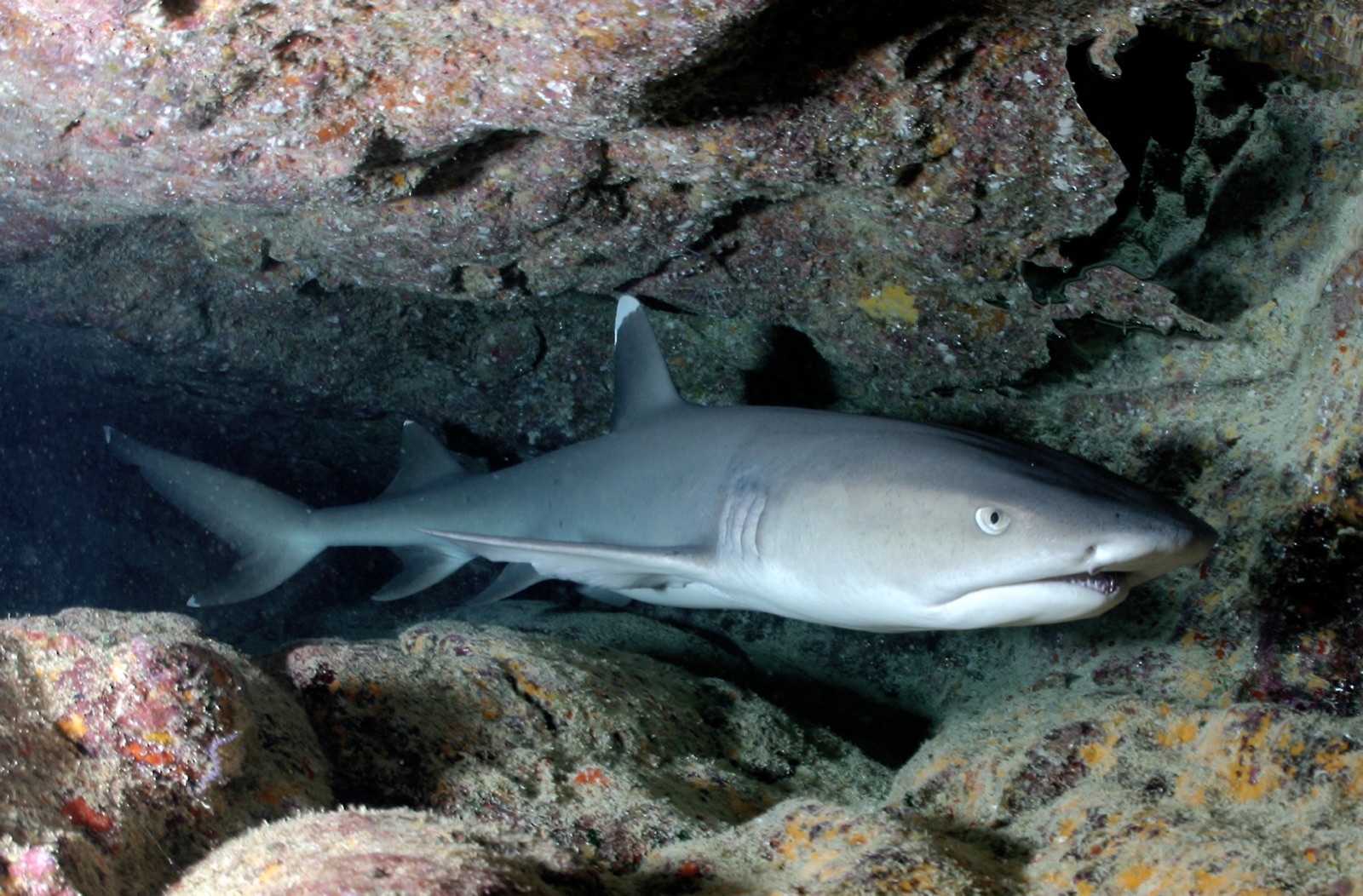
Whitetip Reef Shark
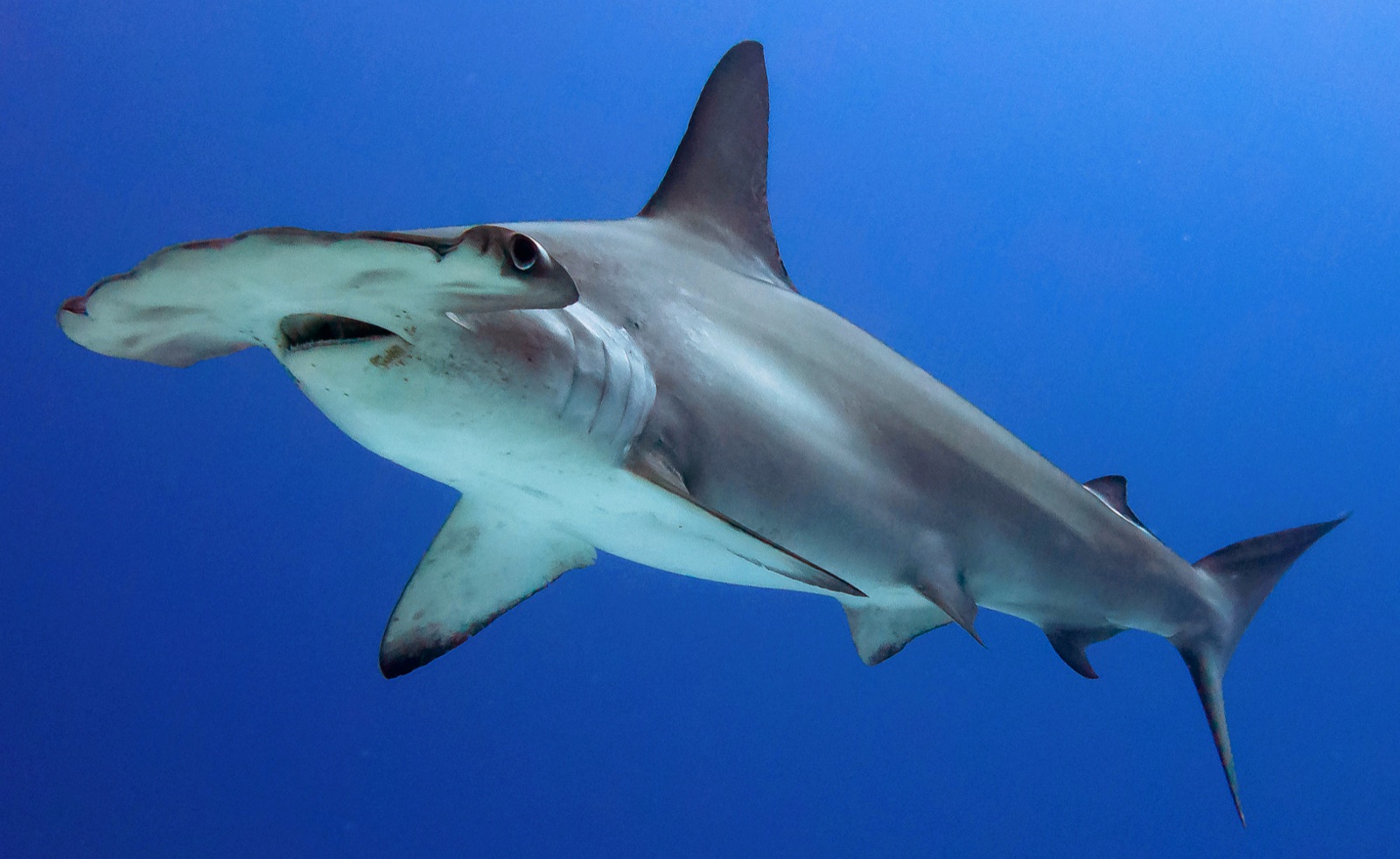
Scalloped Hammerhead
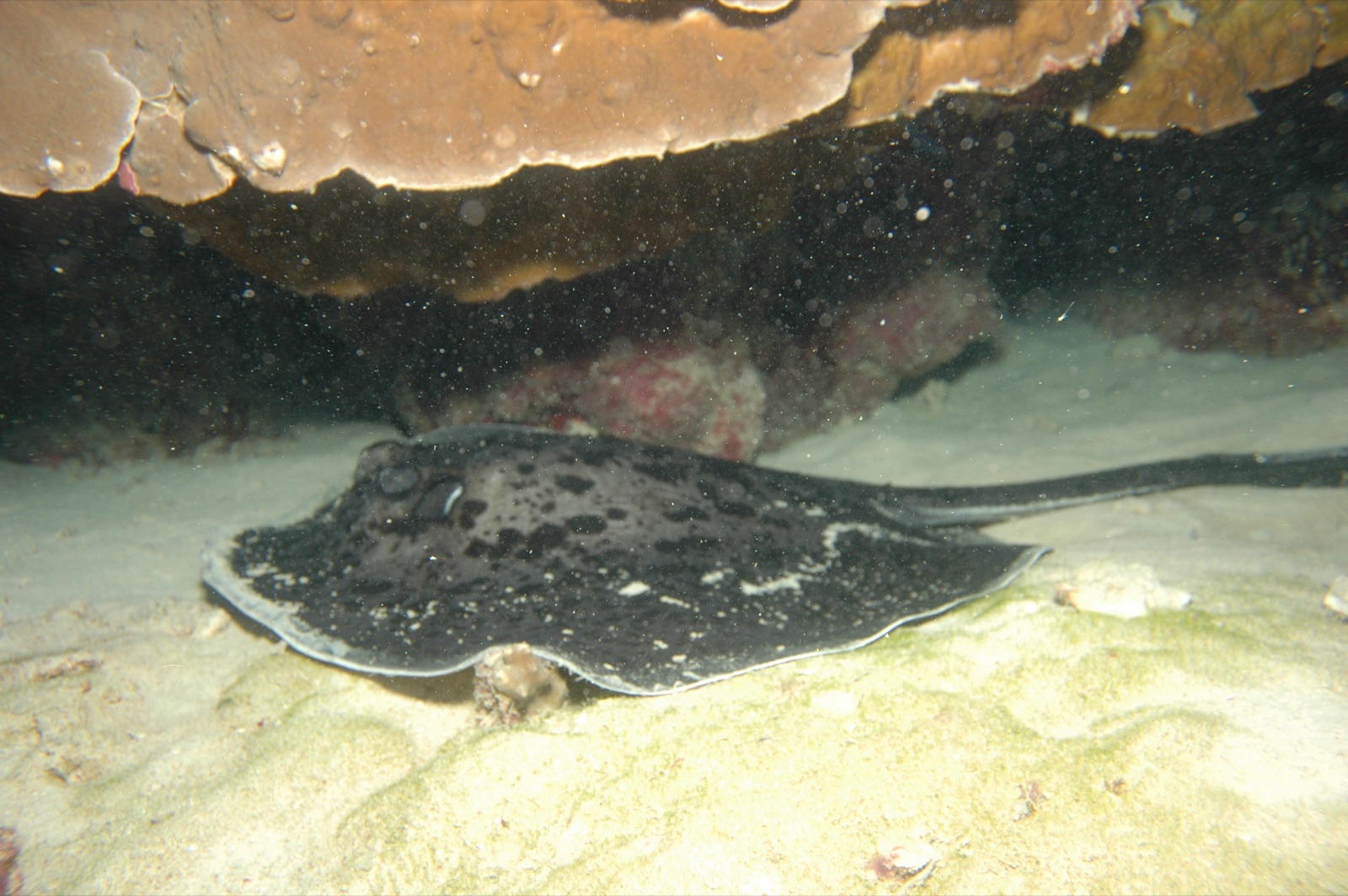
Marbled Ray
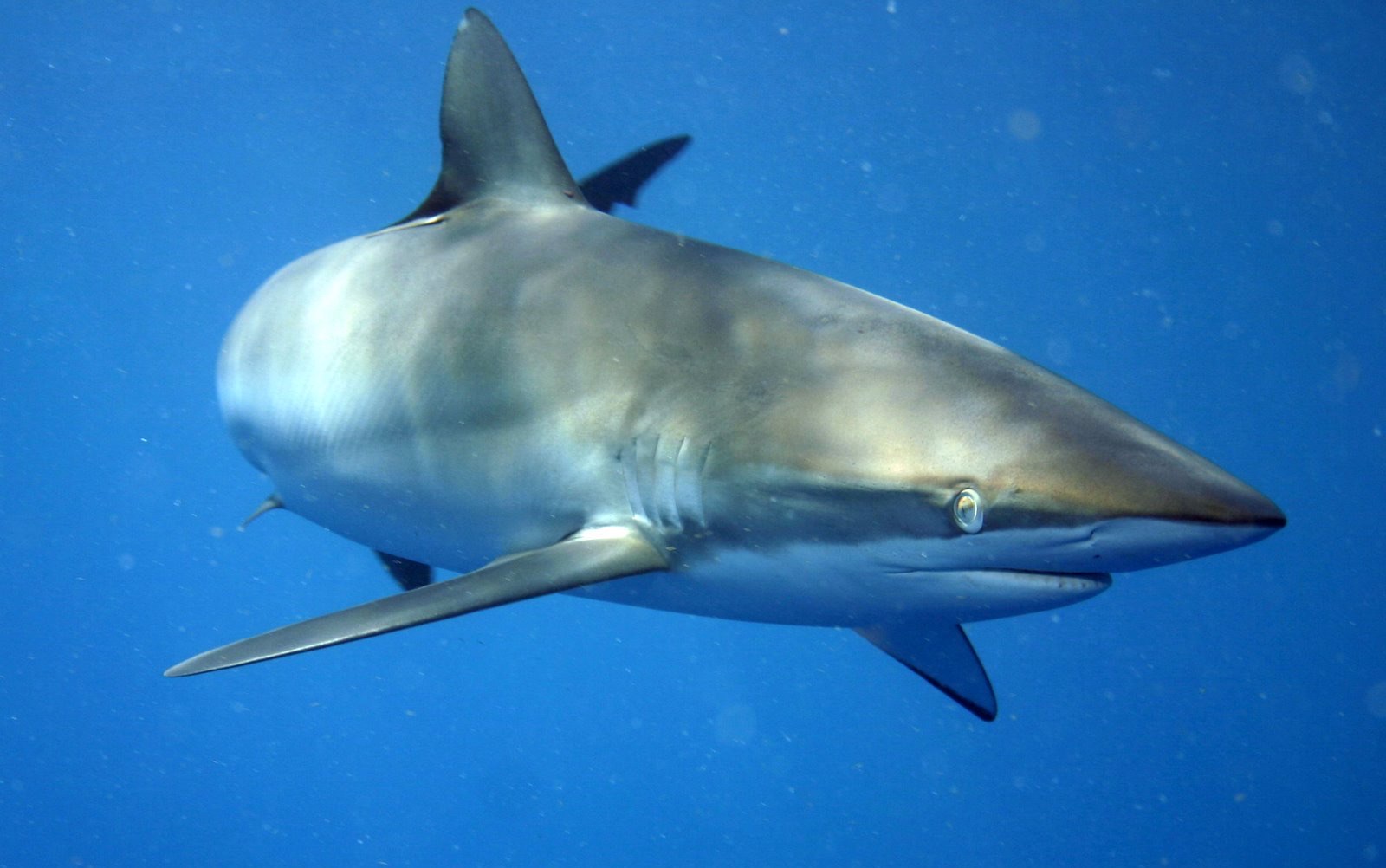
Silky Shark
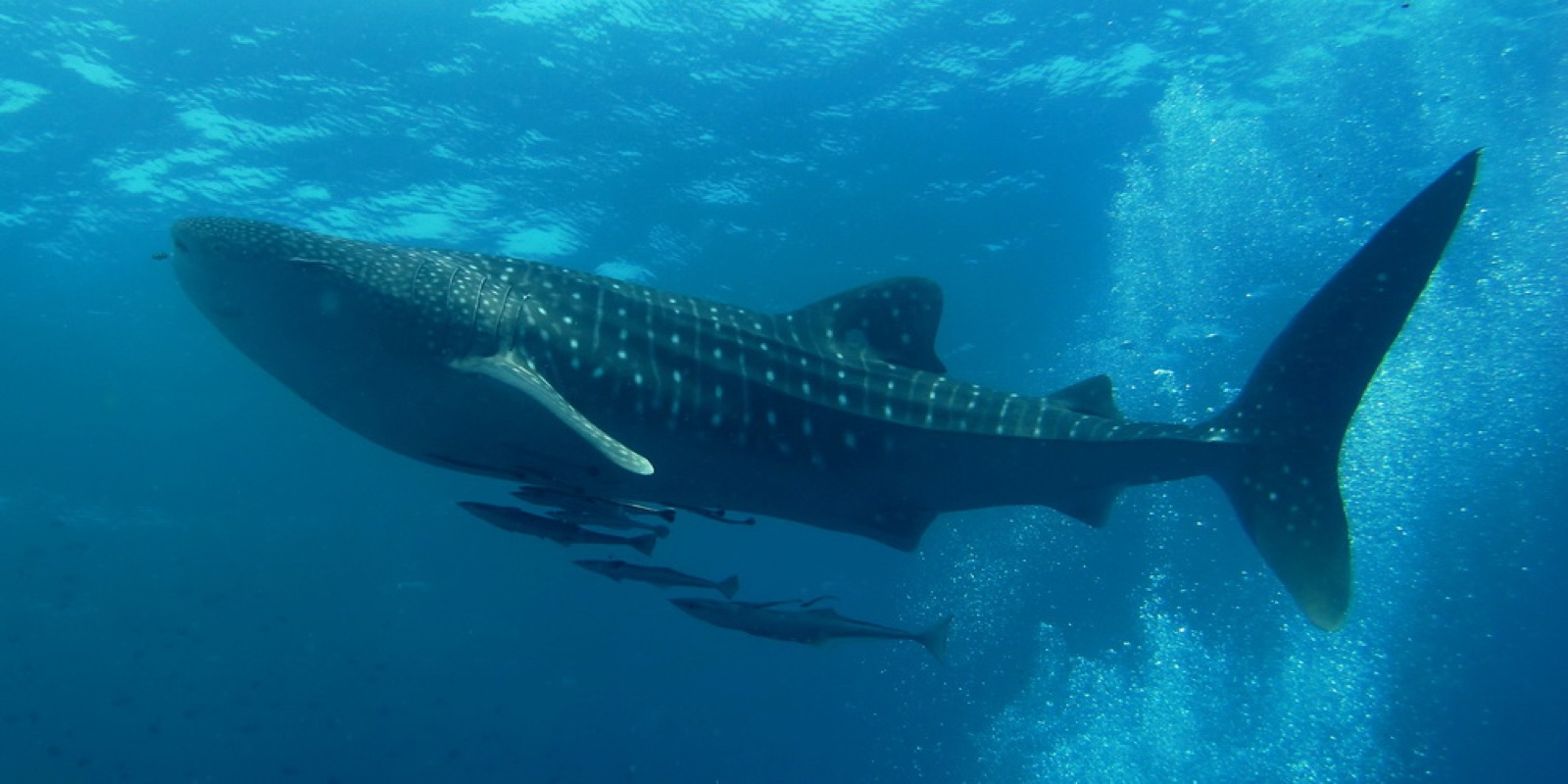
Whale Shark
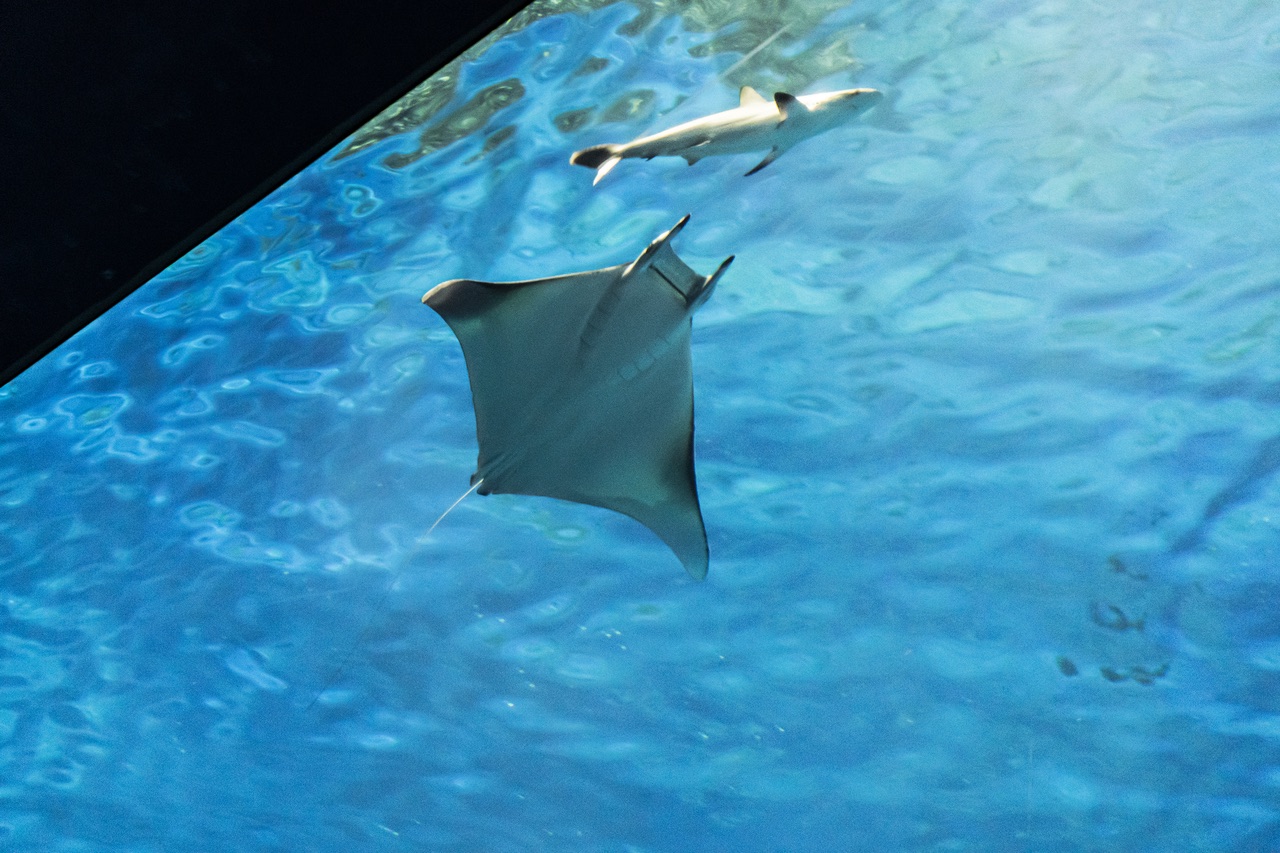
Mobula (Devil) Ray
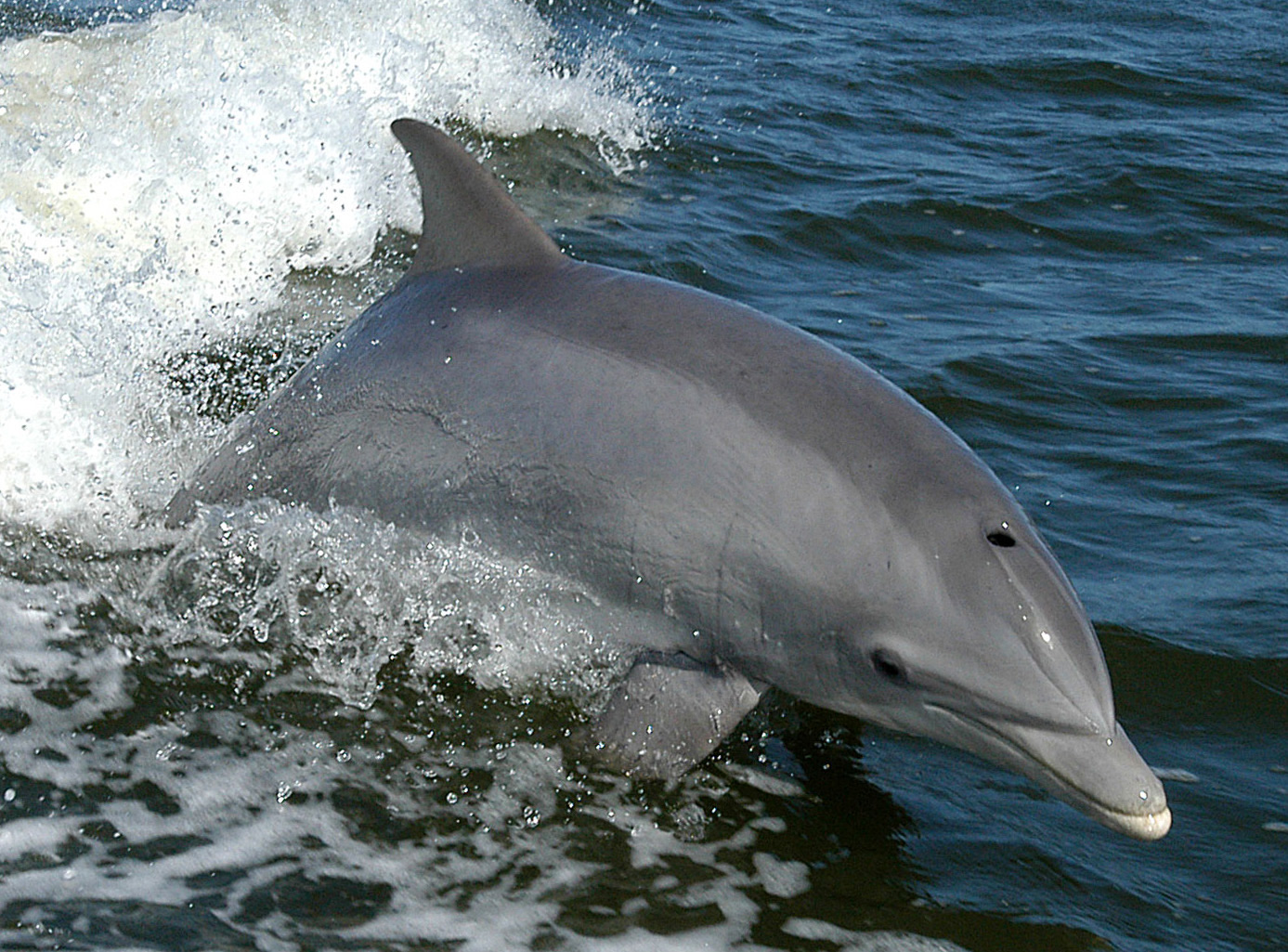
Bottlenose Dolphin
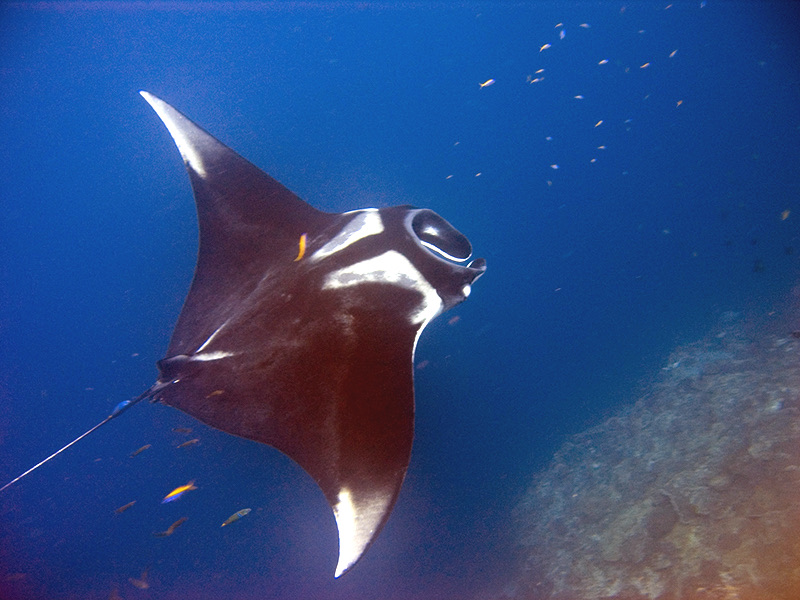
Oceanic Manta Ray
Également observé à proximité
Les espèces « cartographiées ici » ont été répertoriées par nos éditeurs à partir des sources indiquées sur cette page. Les comptages correspondent aux occurrences GBIF : observations enregistrées dans un rayon d'environ 5 km autour de la position cartographiée depuis 1990, comparées uniquement aux espèces de notre catalogue. Ils indiquent ce qui a été observé à cet endroit, sans garantir ce que vous y verrez.
Pour les photographes
Grand angle: ★★★★★ · Macro: ★☆☆☆☆ (note 1–5 des éditeurs sur ce que ce site offre à chaque style de prise de vue)