Catalina Islands
Kedalaman adalah rentang dari bagian teratas lokasi hingga maksimum biasanya; "sertifikasi yang disarankan" adalah level agen arus utama yang biasanya diminta operator, bukan aturan hukum. Arus dan visibilitas berubah setiap hari, jadi anggap semua ini sebagai rentang perencanaan.
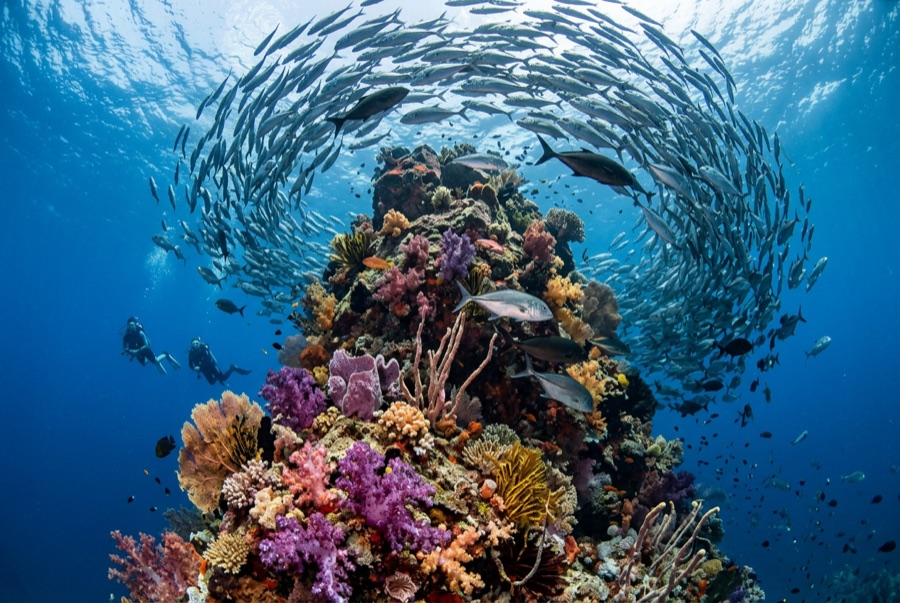
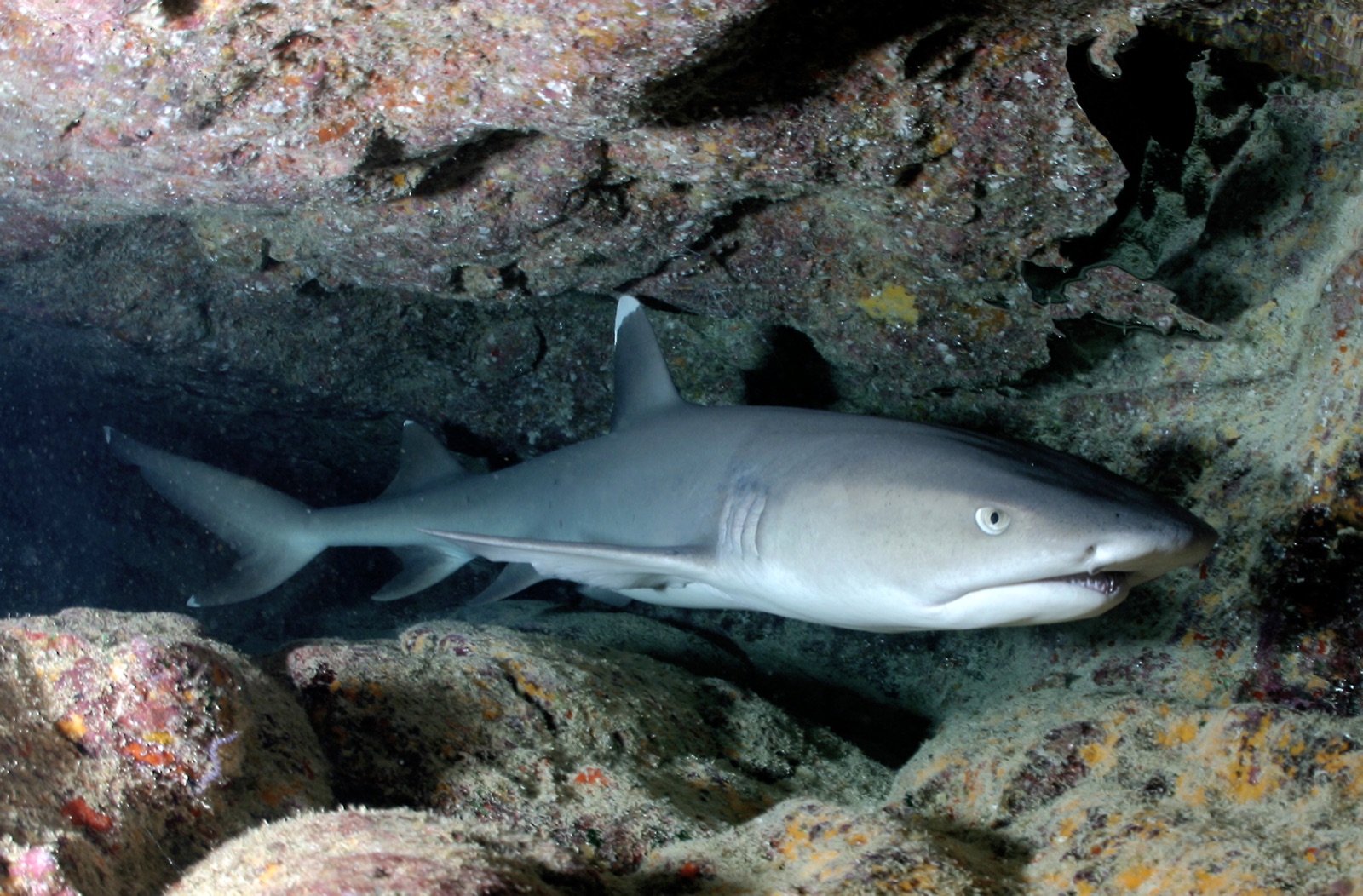
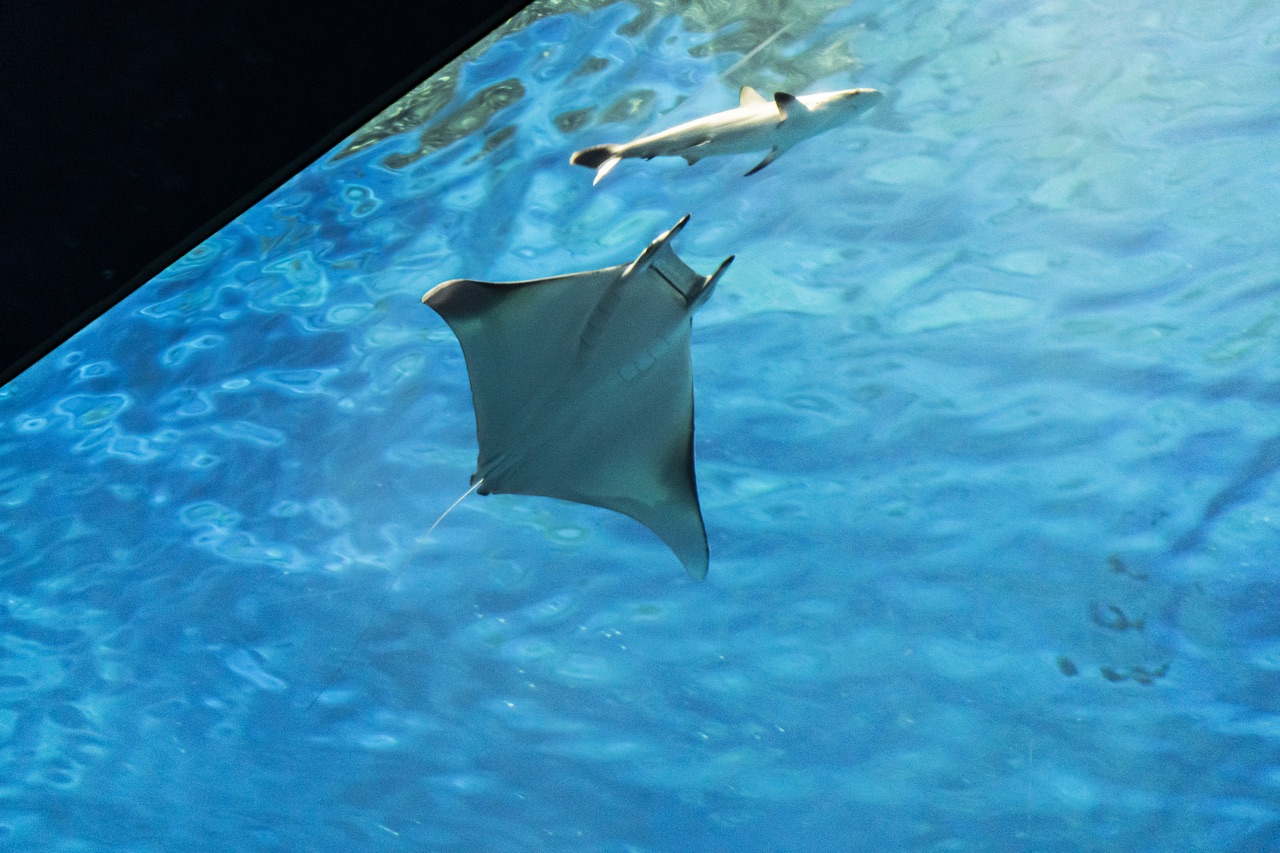
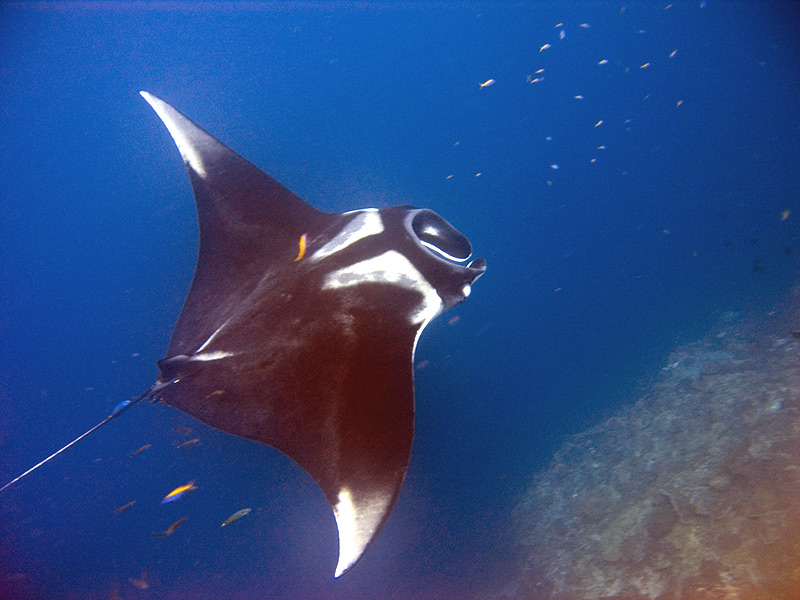
The Catalinas are a scatter of bare volcanic rocks a short run from the Flamingo and Tamarindo beaches, and they run on rays. Cool upwelled water from roughly November through May brings the headliners: giant Pacific mantas that wheel over the cleaning rocks, wingtips brushing the thermocline, along with mobulas in strings and spotted eagle rays in squadrons that can pass twenty strong. Whitetips nap under every ledge, octopus and morays fill the cracks, and the green, plankton-thick water that limits the view is precisely what sets the table. When a manta emerges from that murk, close and sudden, the site's reputation explains itself.
Momen yang Anda nantikan: Giant mantas in the cool months, eagle ray squadrons, easy logistics from Guanacaste's beach towns
Topografi: Volcanic rock stacks, arches, and rubble slopes
Arus: Papagayo-season flow feeds the site; drift-style dives around the rocks are standard.
Ketahui sebelum kamu nyebur
Bahaya: Surge around the stacks, seasonal wind chop, plankton-limited visibility.
Konservasi: Give mantas the right of way and never chase - encounters here depend on the animals choosing to stay.
Siapa yang akan kamu temui
Whitetip Reef Shark
Mobula (Devil) Ray
Oceanic Manta Ray
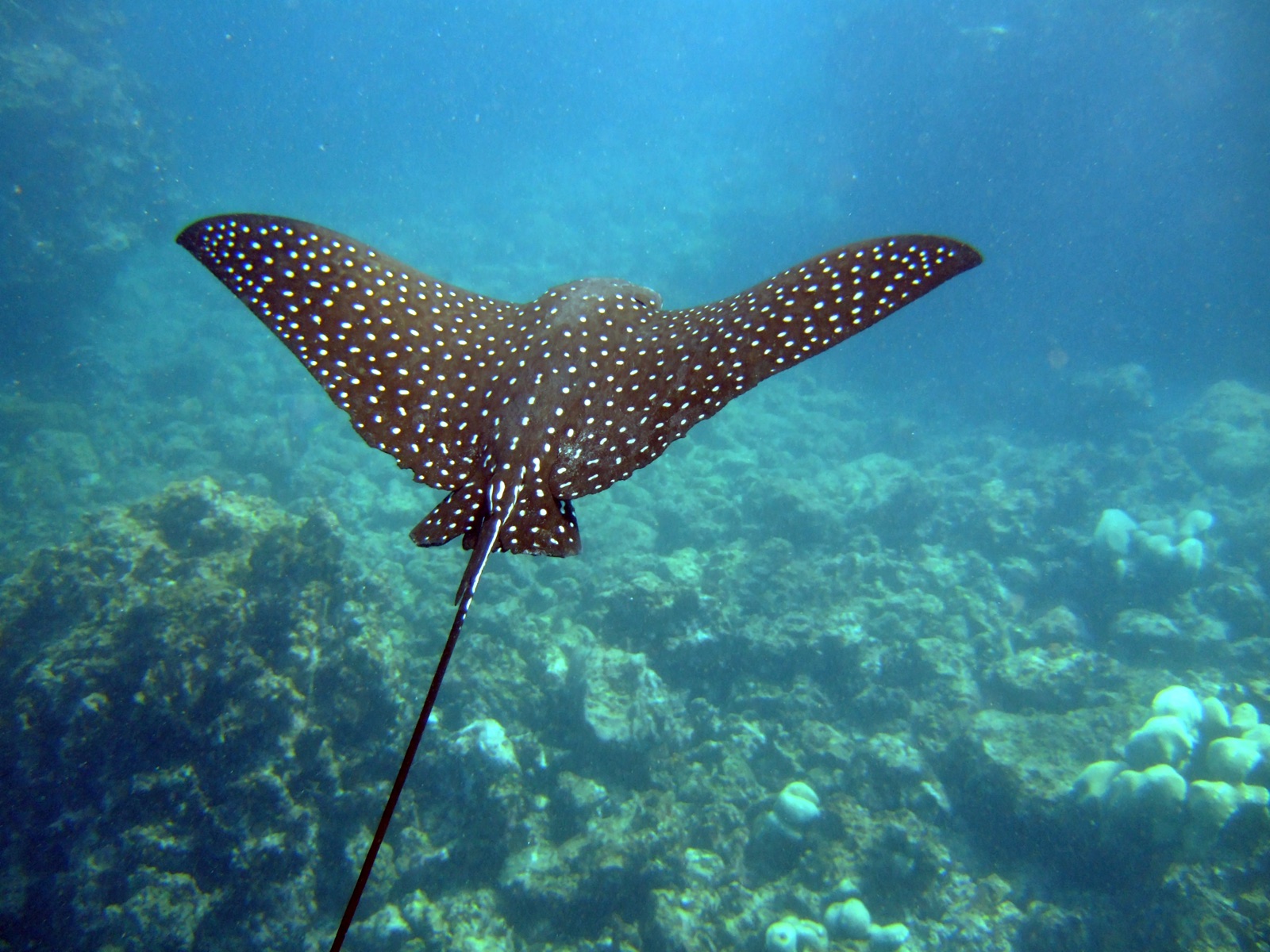
Spotted Eagle Ray
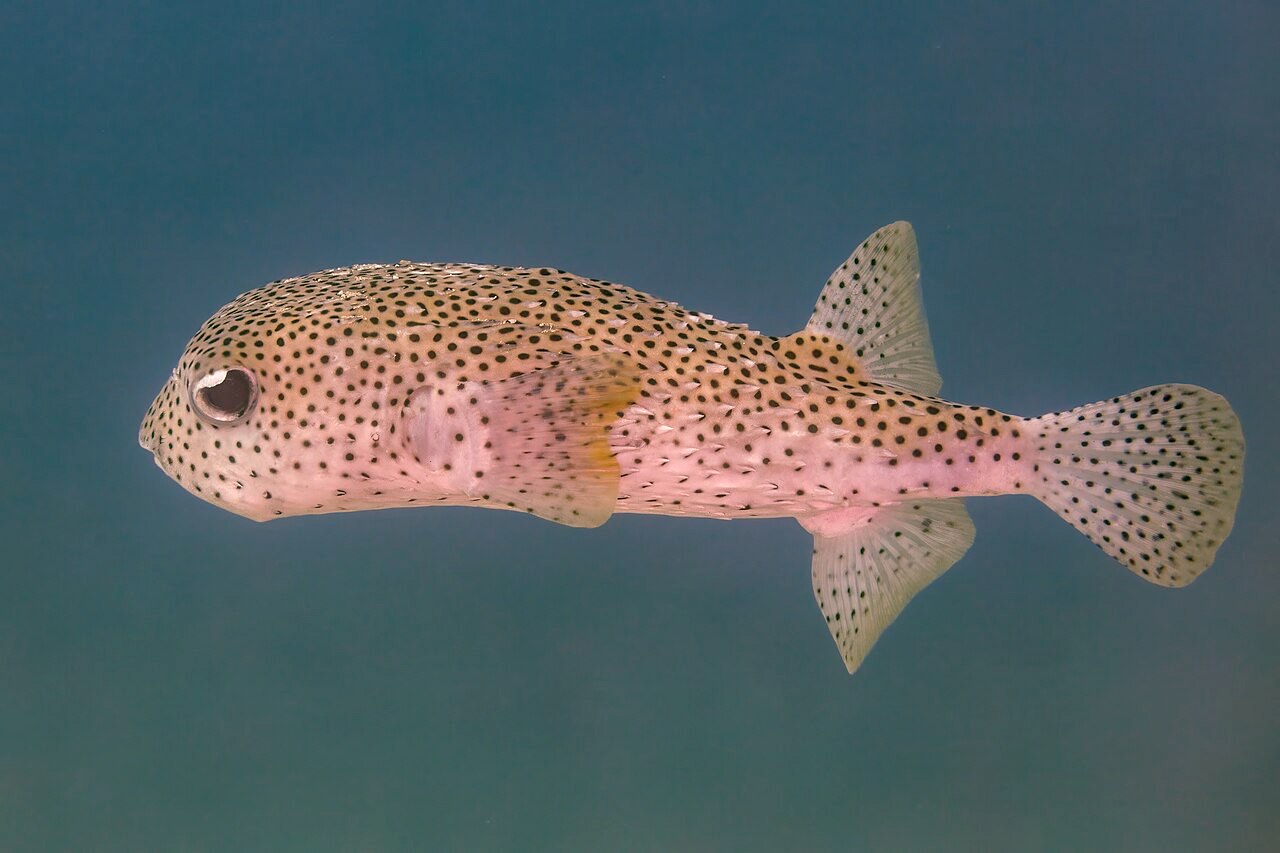
Porcupinefish
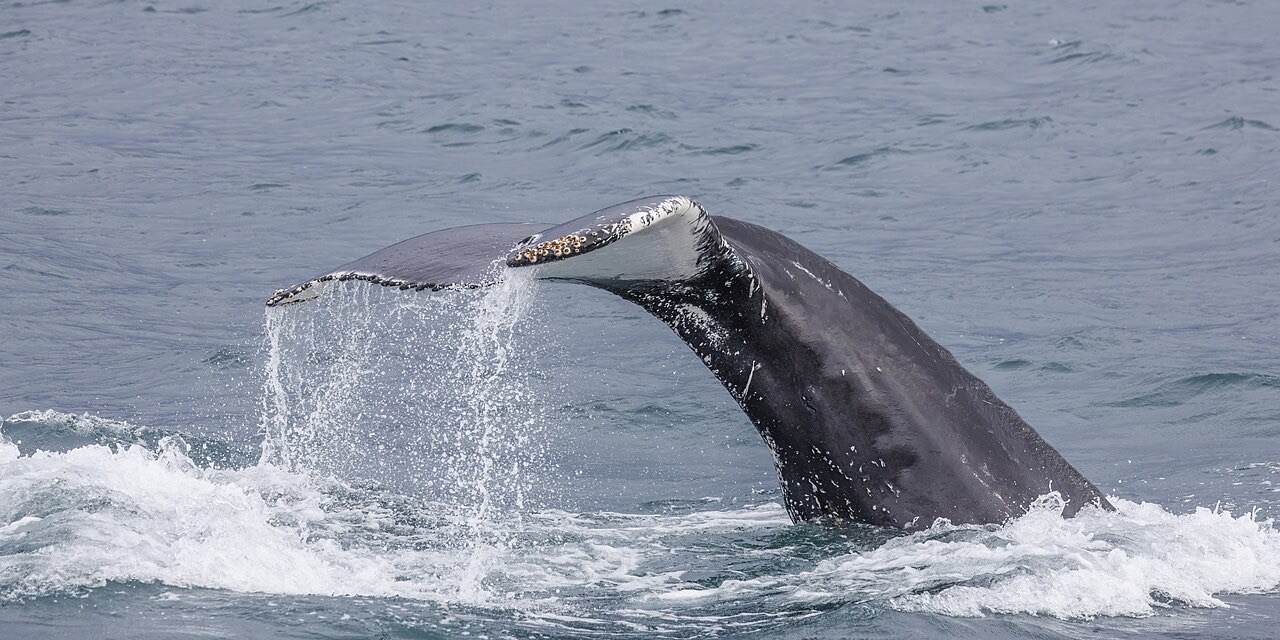
Humpback Whale
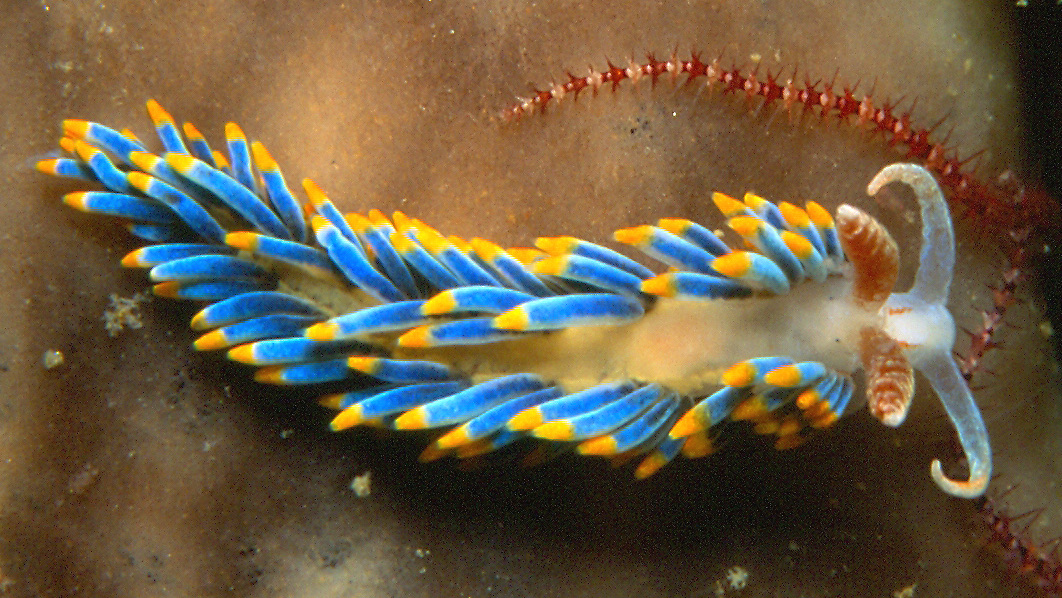
Nudibranchs
Spesies yang "Terpetakan di sini" dicantumkan oleh editor kami dari sumber-sumber di halaman ini. Jumlahnya merupakan catatan kemunculan GBIF: observasi yang dicatat dalam radius sekitar 5 km dari posisi yang terpetakan sejak 1990, dicocokkan hanya dengan spesies dalam katalog kami. Data ini menunjukkan apa yang pernah terlihat di sana, bukan jaminan apa yang akan Anda temukan.
Untuk fotografer
Wide angle: ★★★★☆ · Makro: ★★☆☆☆ (penilaian 1–5 dari editor tentang apa yang ditawarkan lokasi ini untuk setiap gaya pemotretan)