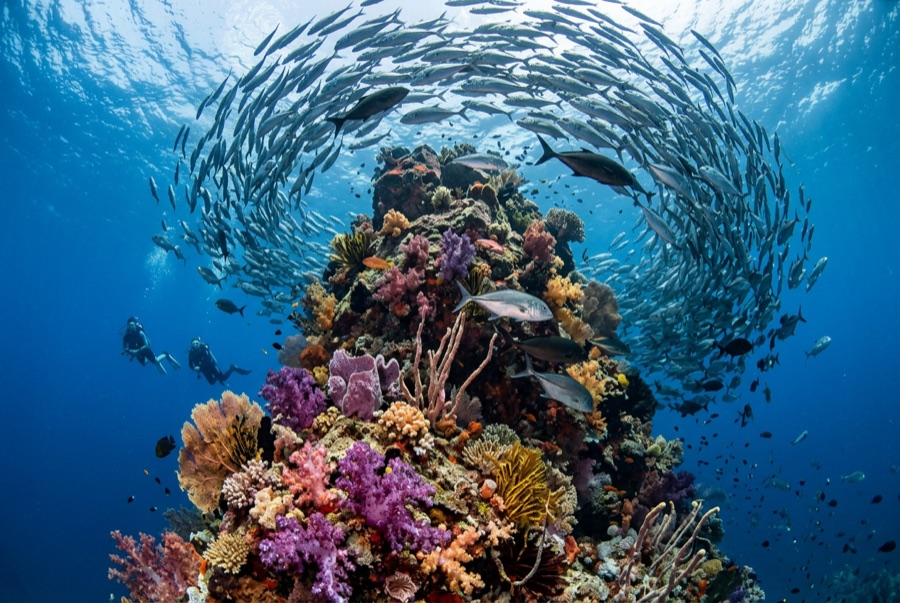
Catalina Islands
Die Tiefe gibt den Bereich von der Oberkante des Tauchplatzes bis zur üblichen Maximaltiefe an; „empfohlene Zertifizierung" ist das von Anbietern üblicherweise geforderte Mainstream-Agenturniveau – keine gesetzliche Vorschrift. Strömungen und Sichtweite ändern sich täglich – behandle alle Angaben hier als Planungsbereiche.
The Catalinas are a scatter of bare volcanic rocks a short run from the Flamingo and Tamarindo beaches, and they run on rays. Cool upwelled water from roughly November through May brings the headliners: giant Pacific mantas that wheel over the cleaning rocks, wingtips brushing the thermocline, along with mobulas in strings and spotted eagle rays in squadrons that can pass twenty strong. Whitetips nap under every ledge, octopus and morays fill the cracks, and the green, plankton-thick water that limits the view is precisely what sets the table. When a manta emerges from that murk, close and sudden, the site's reputation explains itself.
Der Moment, für den du kommst: Giant mantas in the cool months, eagle ray squadrons, easy logistics from Guanacaste's beach towns
Topografie: Volcanic rock stacks, arches, and rubble slopes
Strömung: Papagayo-season flow feeds the site; drift-style dives around the rocks are standard.
Was du wissen solltest, bevor du ins Wasser gehst
Gefahren: Surge around the stacks, seasonal wind chop, plankton-limited visibility.
Naturschutz: Give mantas the right of way and never chase - encounters here depend on the animals choosing to stay.
Wen du triffst
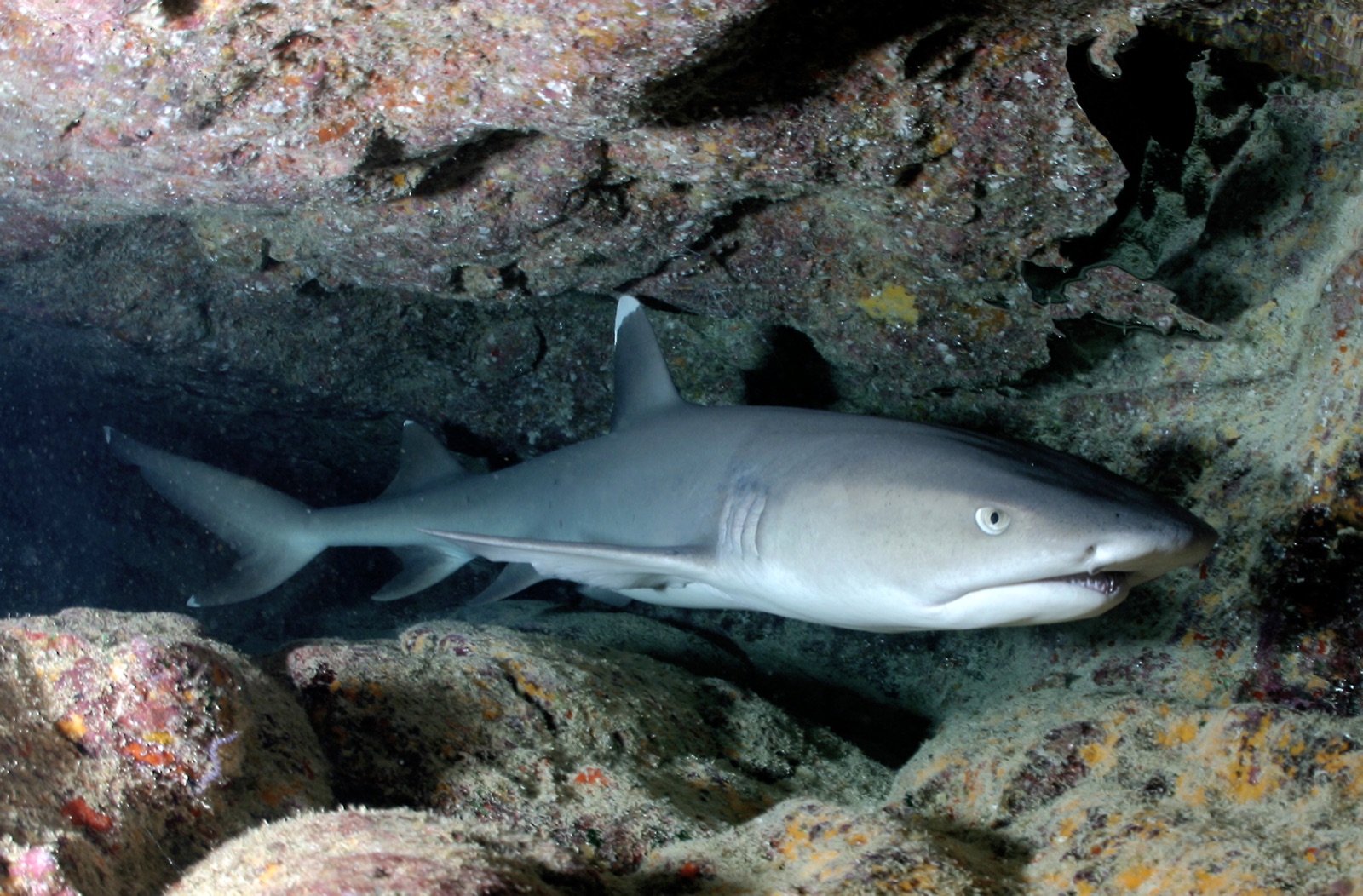
Whitetip Reef Shark
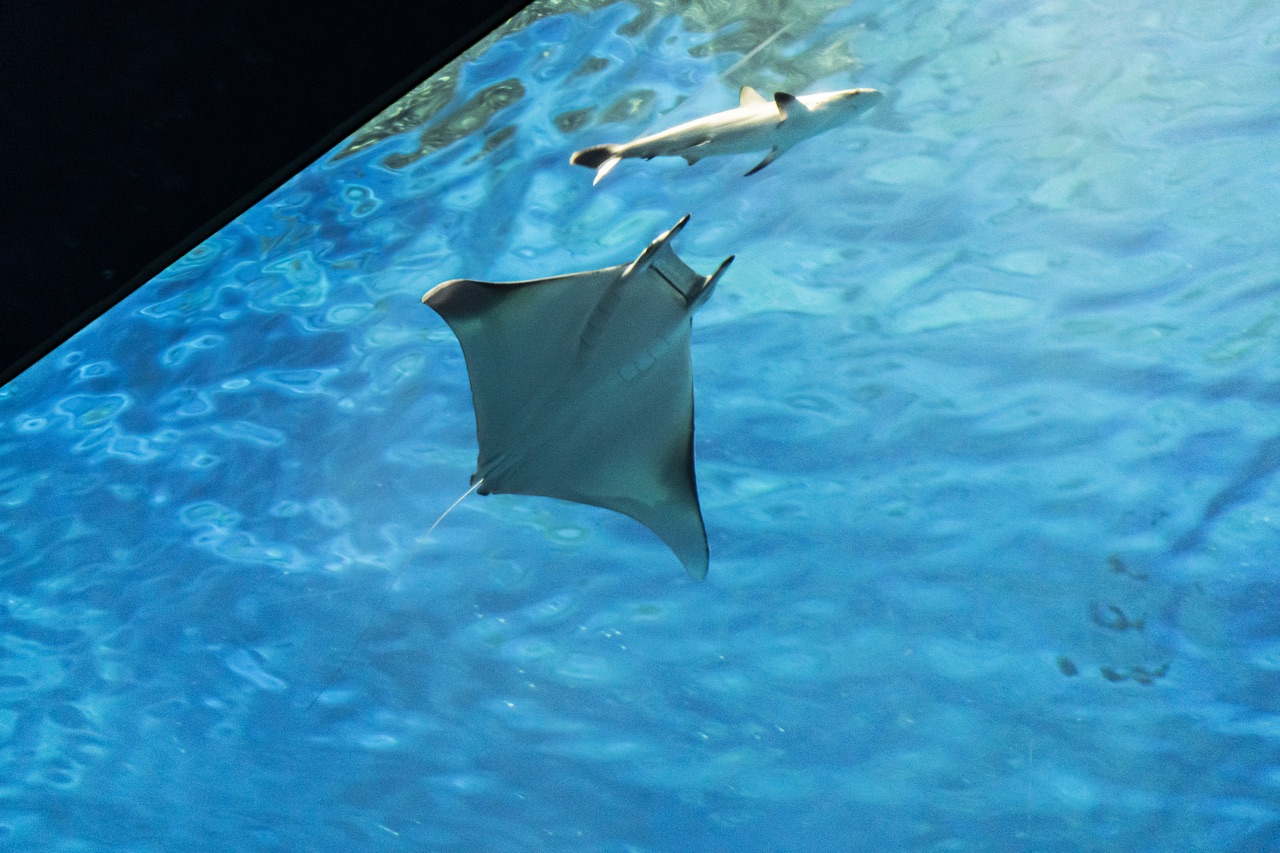
Mobula (Devil) Ray
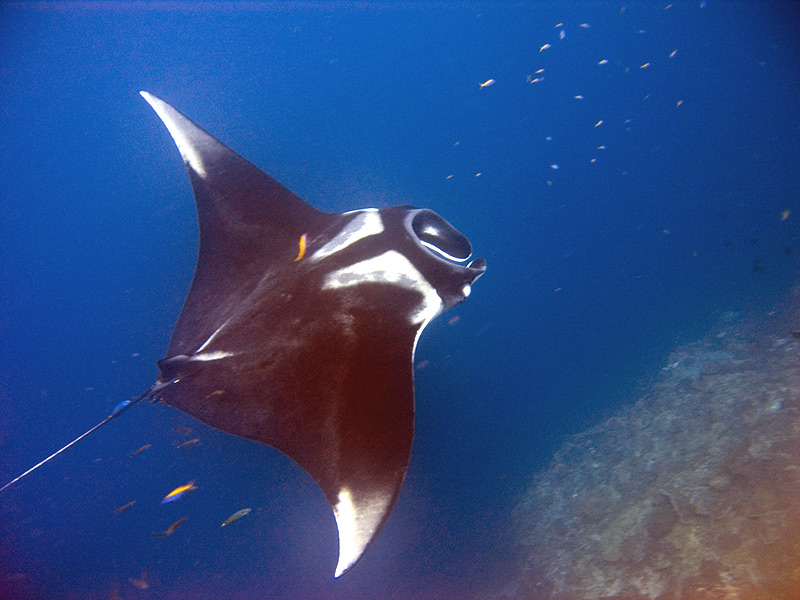
Oceanic Manta Ray
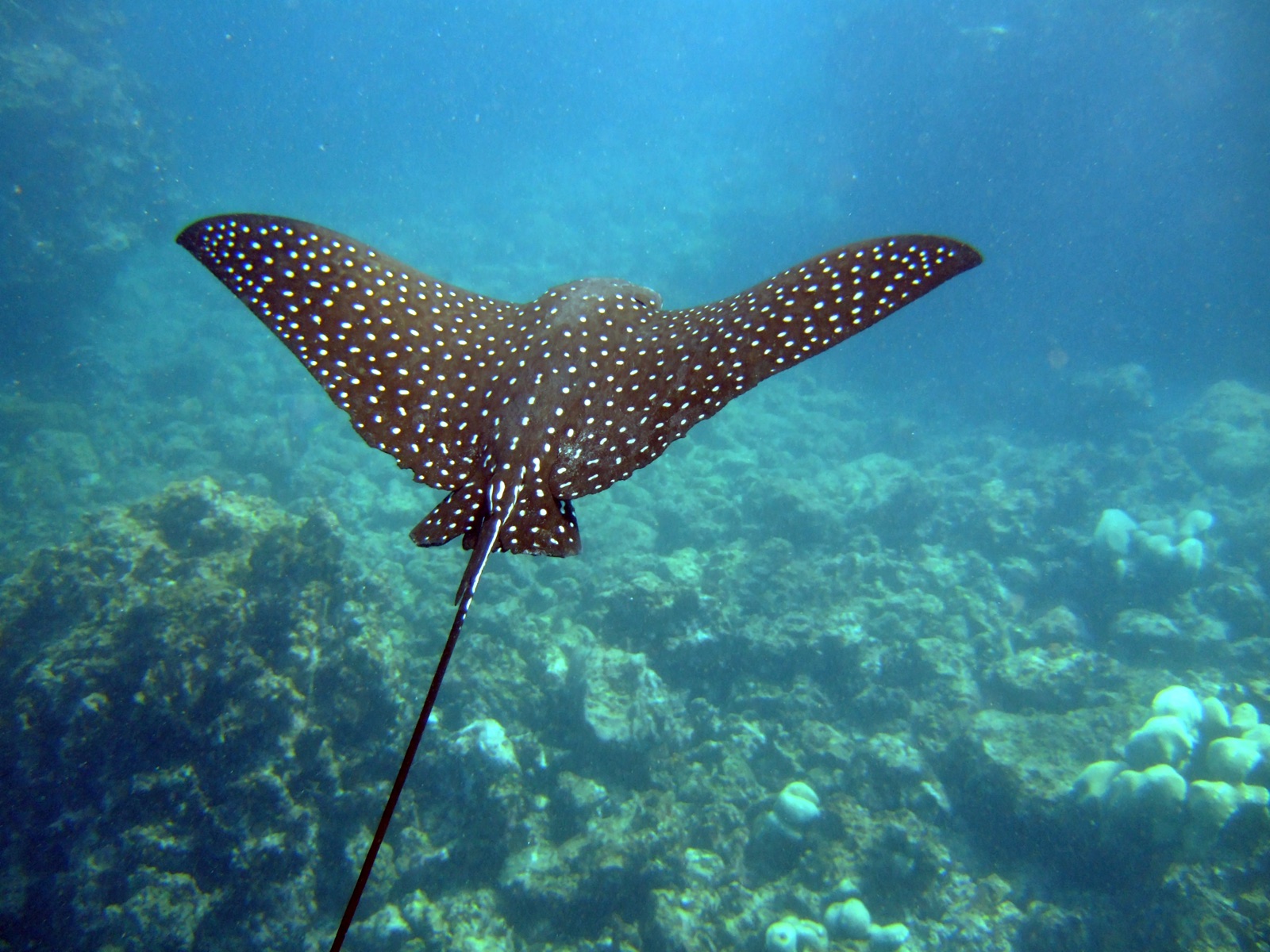
Spotted Eagle Ray
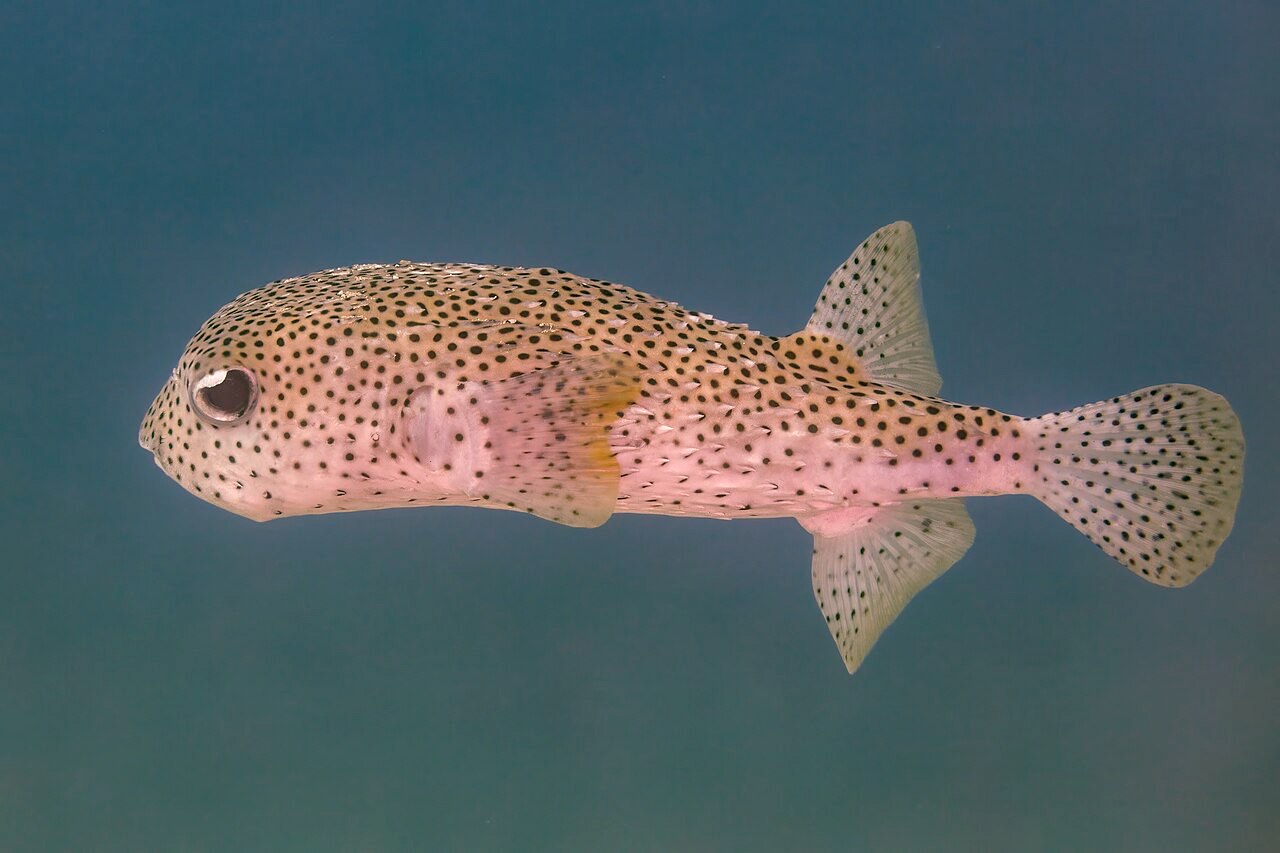
Porcupinefish
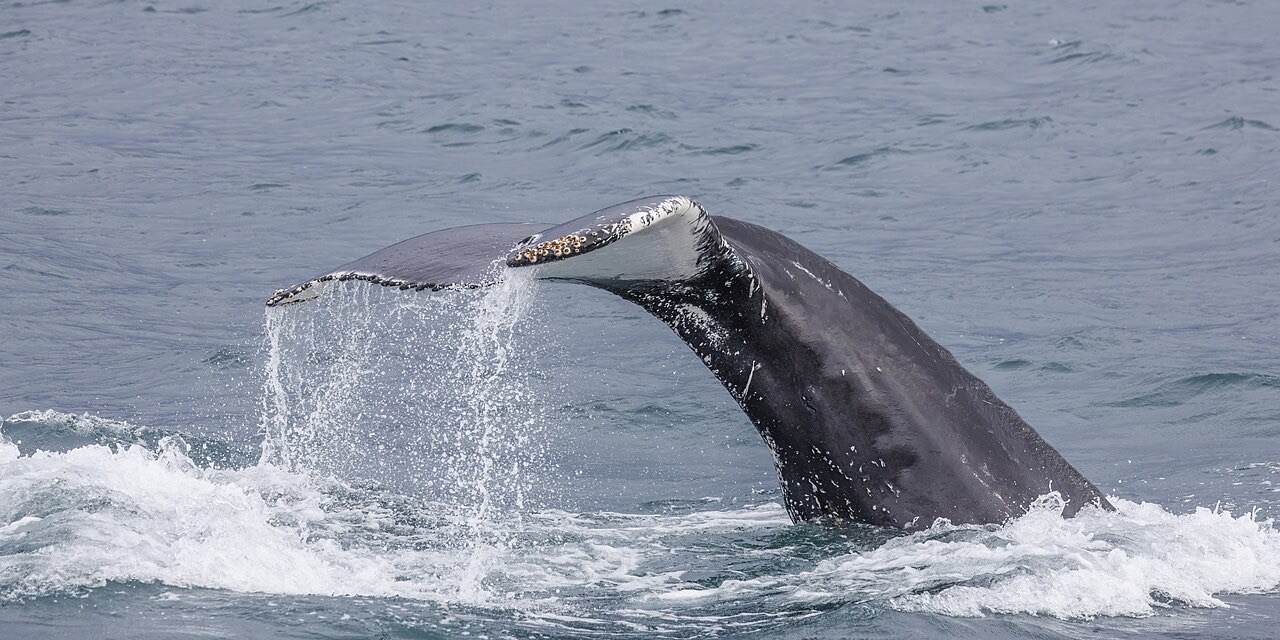
Humpback Whale
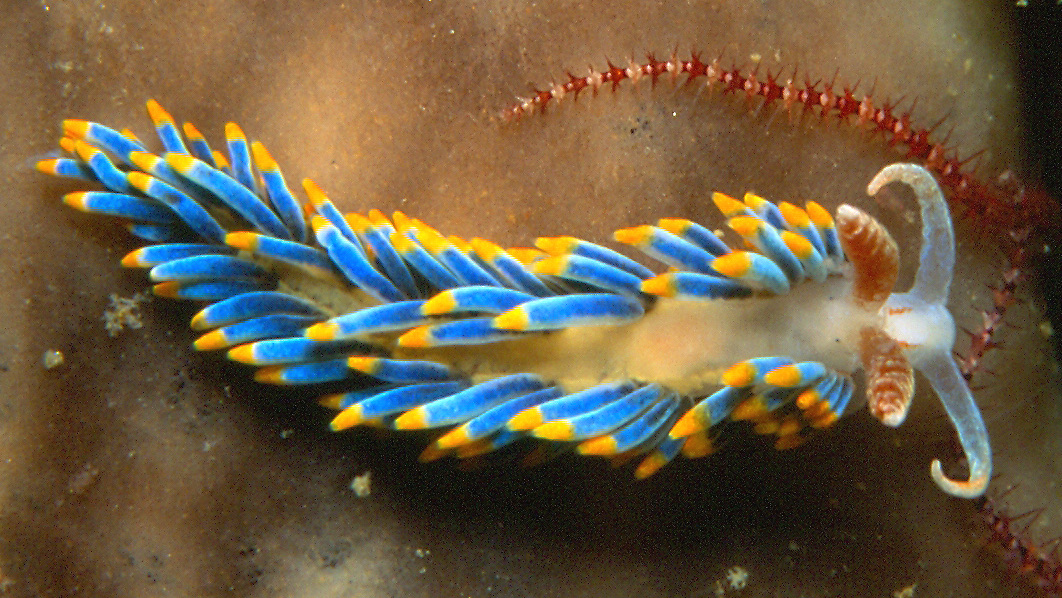
Nudibranchs
„Hier kartiert" – Arten wurden von unseren Redakteuren anhand der Quellen auf dieser Seite erfasst. Die Zahlen sind GBIF-Vorkommensdatensätze: Beobachtungen, die seit 1990 im Umkreis von etwa 5 km um die kartierte Position protokolliert wurden, ausschließlich abgeglichen mit den Arten in unserem Katalog. Sie zeigen, was dort gesichtet wurde – keine Garantie, was du sehen wirst.
Für Fotografen
Weitwinkel: ★★★★☆ · Makro: ★★☆☆☆ (Redaktionelle 1–5-Bewertung, was dieser Platz für jeden Fotografie-Stil bietet)