Stingray City
Depth is the range from the top of the site to its usual maximum; "recommended cert" is the mainstream-agency level operators usually ask for, not a legal rule. Currents and visibility change daily, so treat everything here as planning ranges.
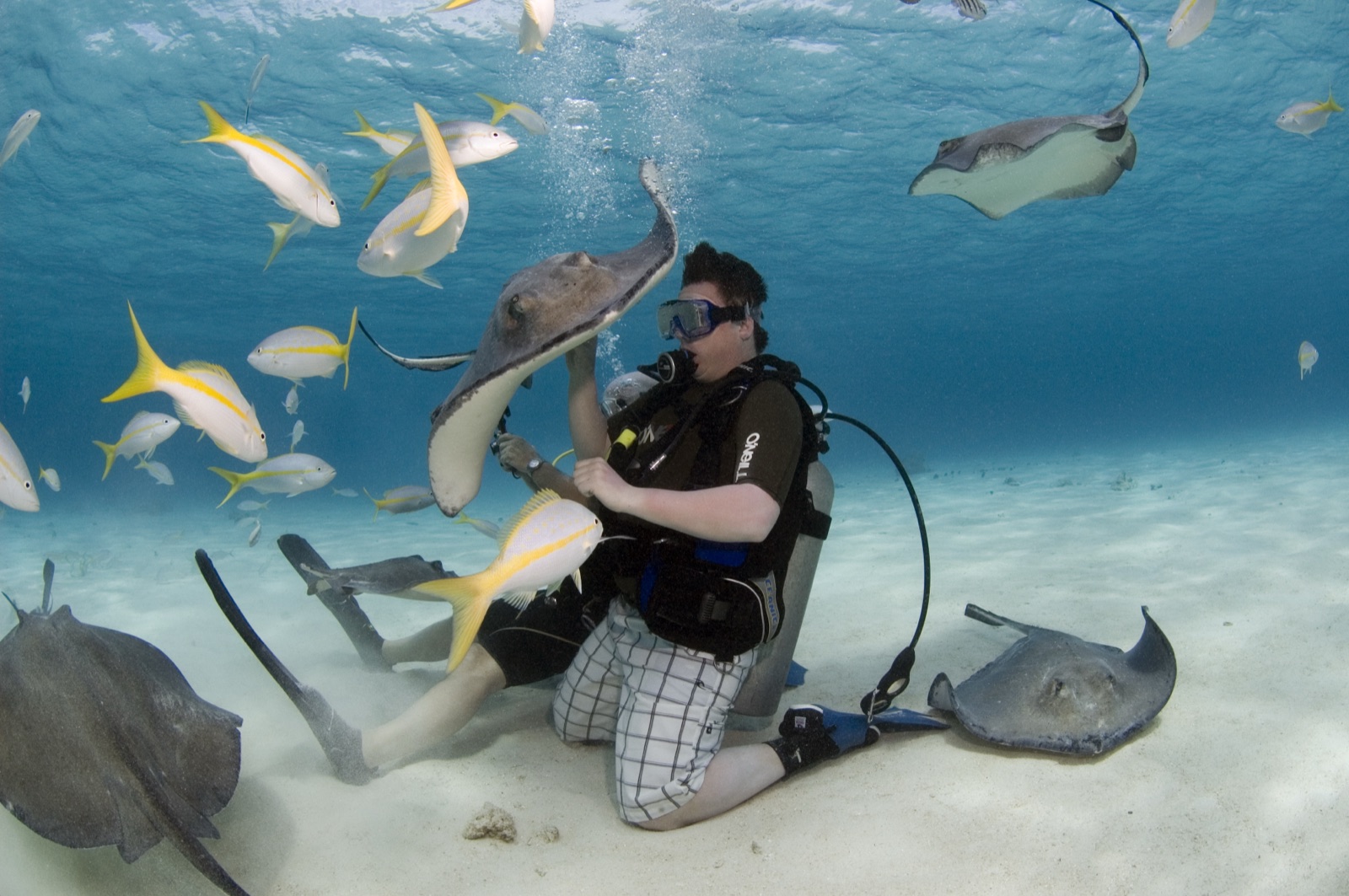
Stingray City is diving's most famous shallow dive, and its origin is charmingly mundane: fishermen cleaning their catch inside the reef taught generations of southern stingrays that boat engines mean dinner. On the sand today, rays the size of coffee tables plane in from every direction, brushing over shoulders and vacuuming squid from guides' fists with a felt-like thump. Cameras fog, masks flood with laughter. It is thoroughly managed and unashamedly staged (licensed boats, briefed handling rules), and still, the first velvet wingbeat across your arm is a genuine wild-animal moment.
The moment you come for: Dozens of tame southern stingrays at arm's length, four-meter depth with all-day bottom time, unmatched animal-encounter photography.
Topography: A clean sand flat in 3–4 m near the channel through North Sound's fringing reef.
Current: Sheltered lagoon water; wind chop more than current.
Entry: Short run across North Sound; kneel or settle on the sand inside the reef line.
Know before you splash
Hazards: Shuffle your feet and keep fingers flat when guides offer squid: rays find hands by suction and can rasp skin. Heavy boat traffic overhead.
Permits & rules: Visits run through licensed operators inside the interaction zone.
Conservation: Feeding is regulated by the Department of Environment within a designated Wildlife Interaction Zone; only licensed operators may provision, and lifting rays from the water is prohibited.
Who you'll meet
Southern Stingray
Lionfish
Great Barracuda
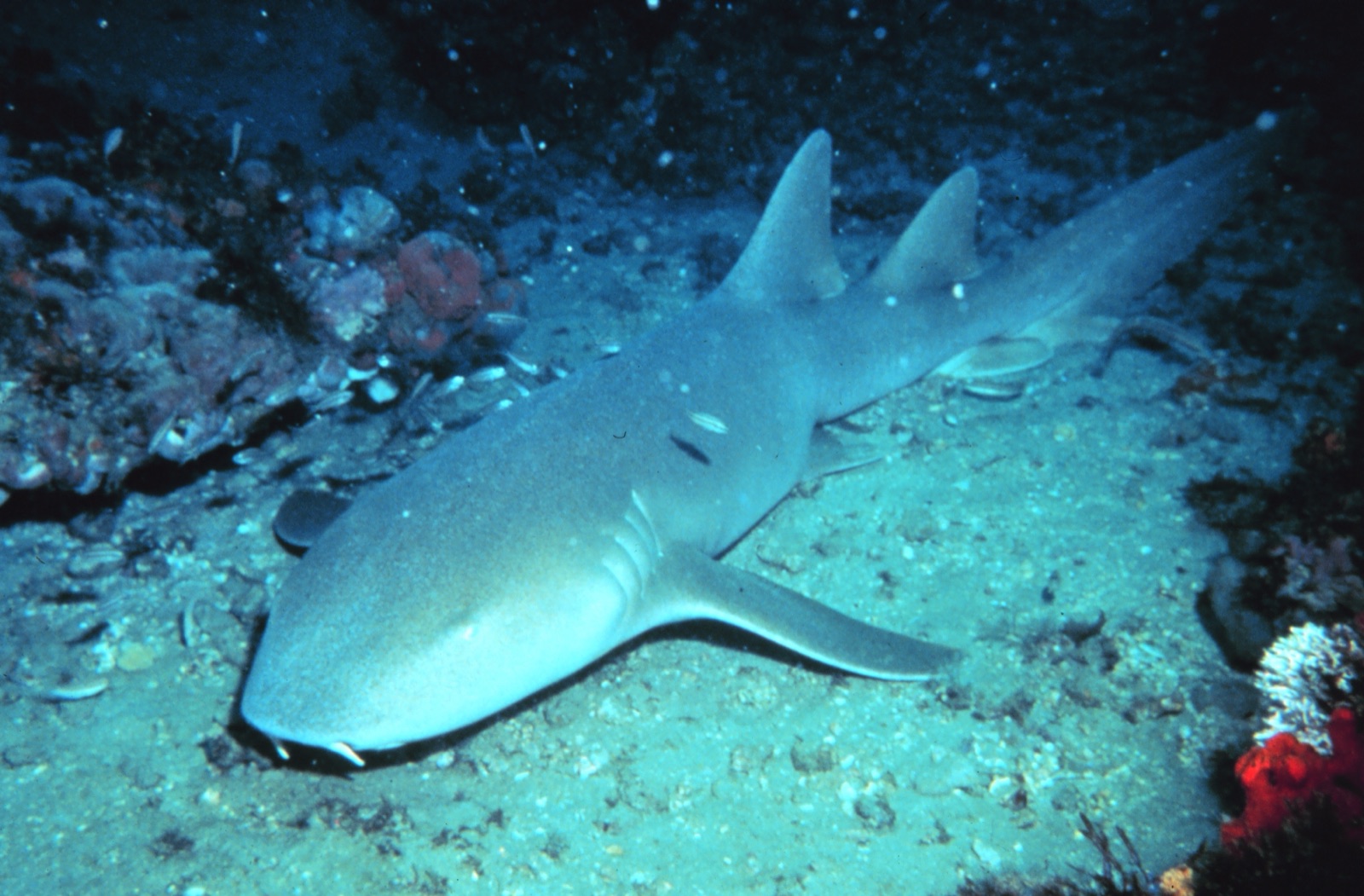
Nurse Shark
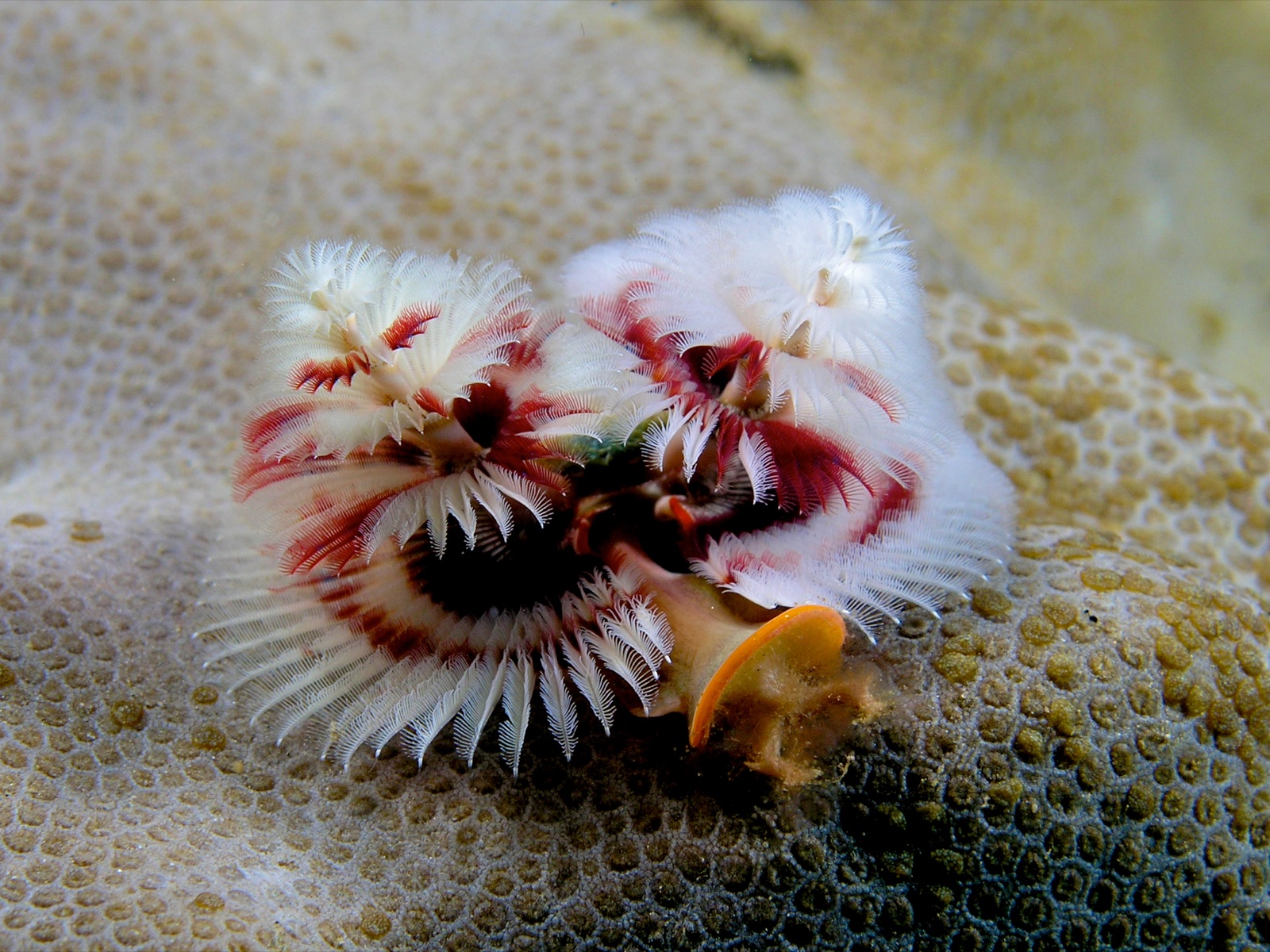
Christmas Tree Worm
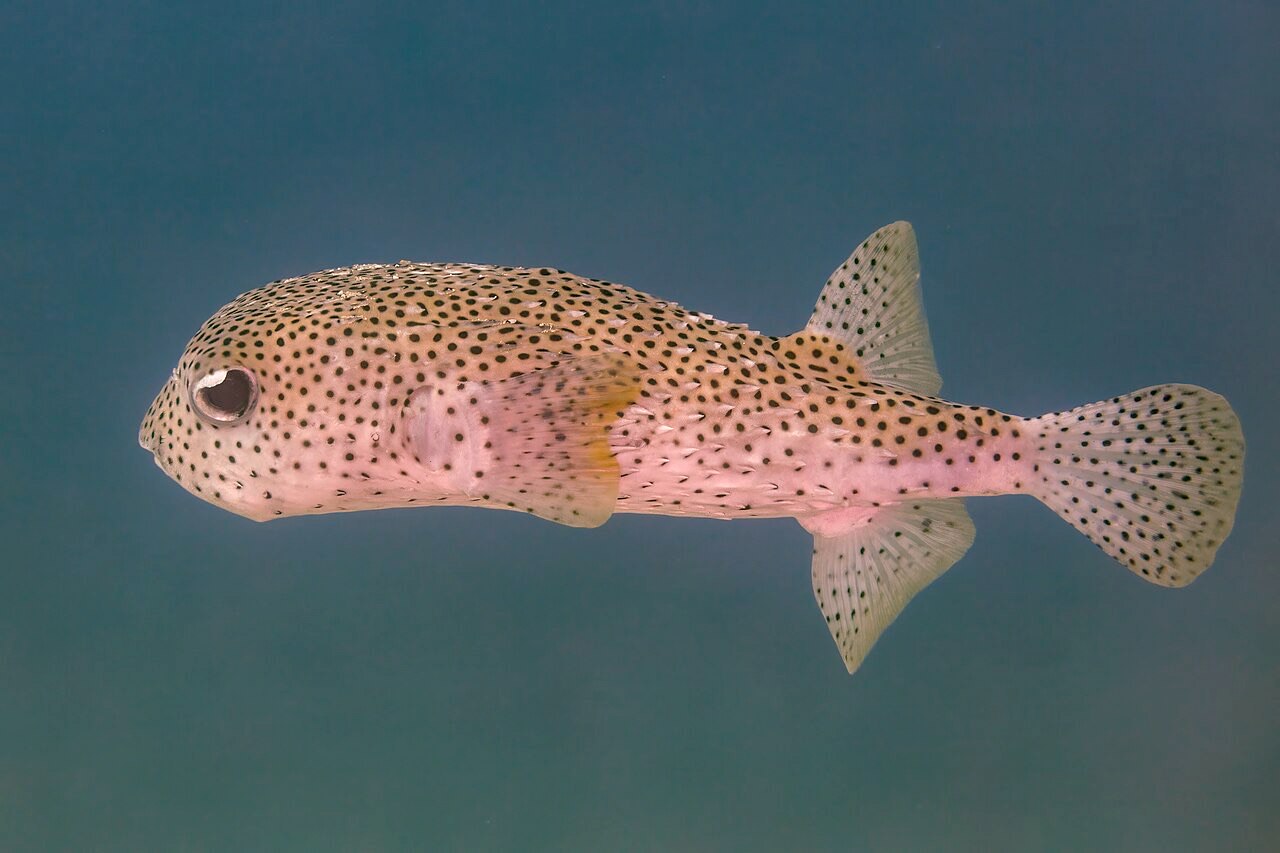
Porcupinefish
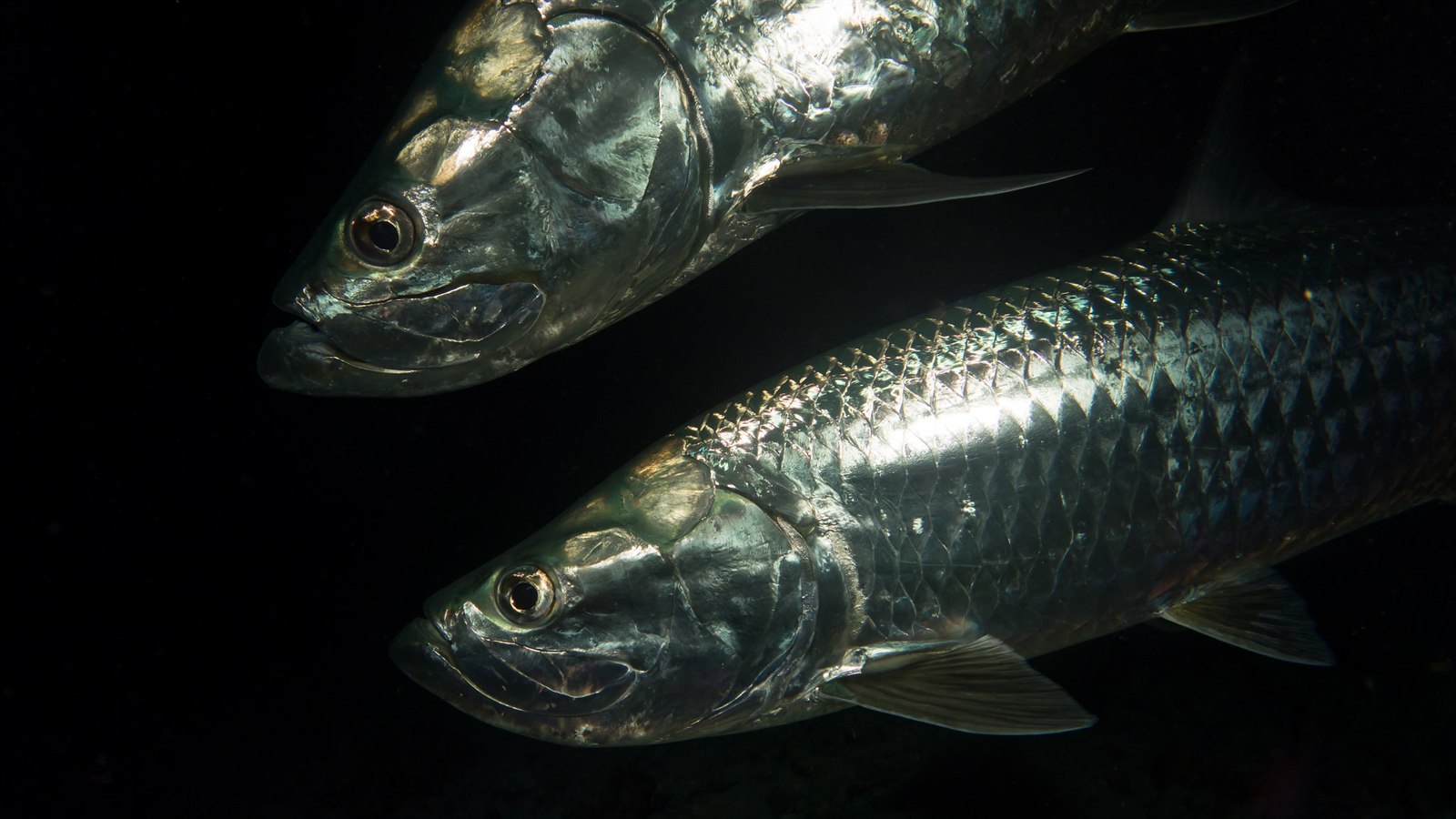
Atlantic Tarpon
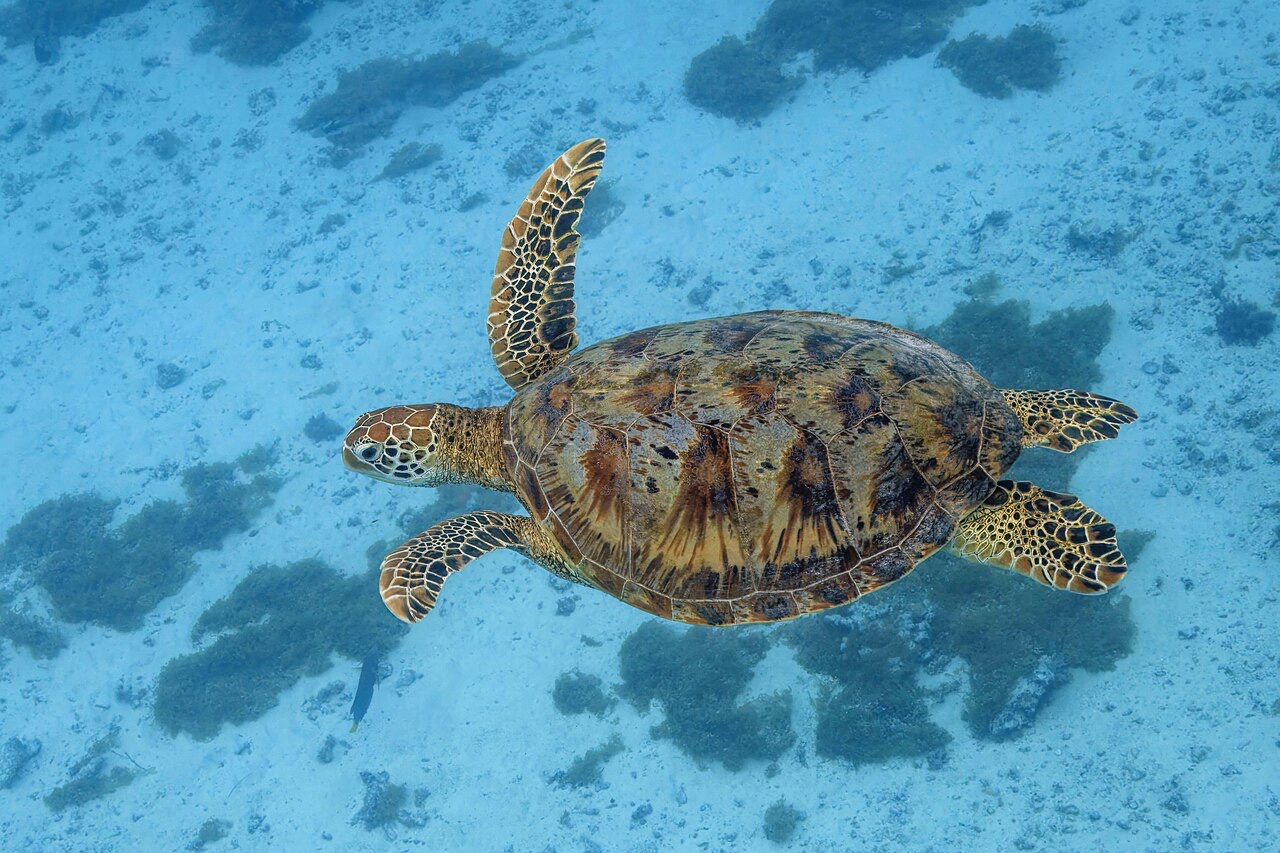
Green Sea Turtle
Also recorded nearby
"Charted here" species were listed by our editors from the sources on this page. Counts are GBIF occurrence records: observations logged within about 5 km of the charted position since 1990, matched only against the species in our catalogue. They show what has been seen there, not a promise of what you will see.
For photographers
Wide angle: ★★★★★ · Macro: ★☆☆☆☆ (editors' 1–5 rating of what this site gives each style of shooting)