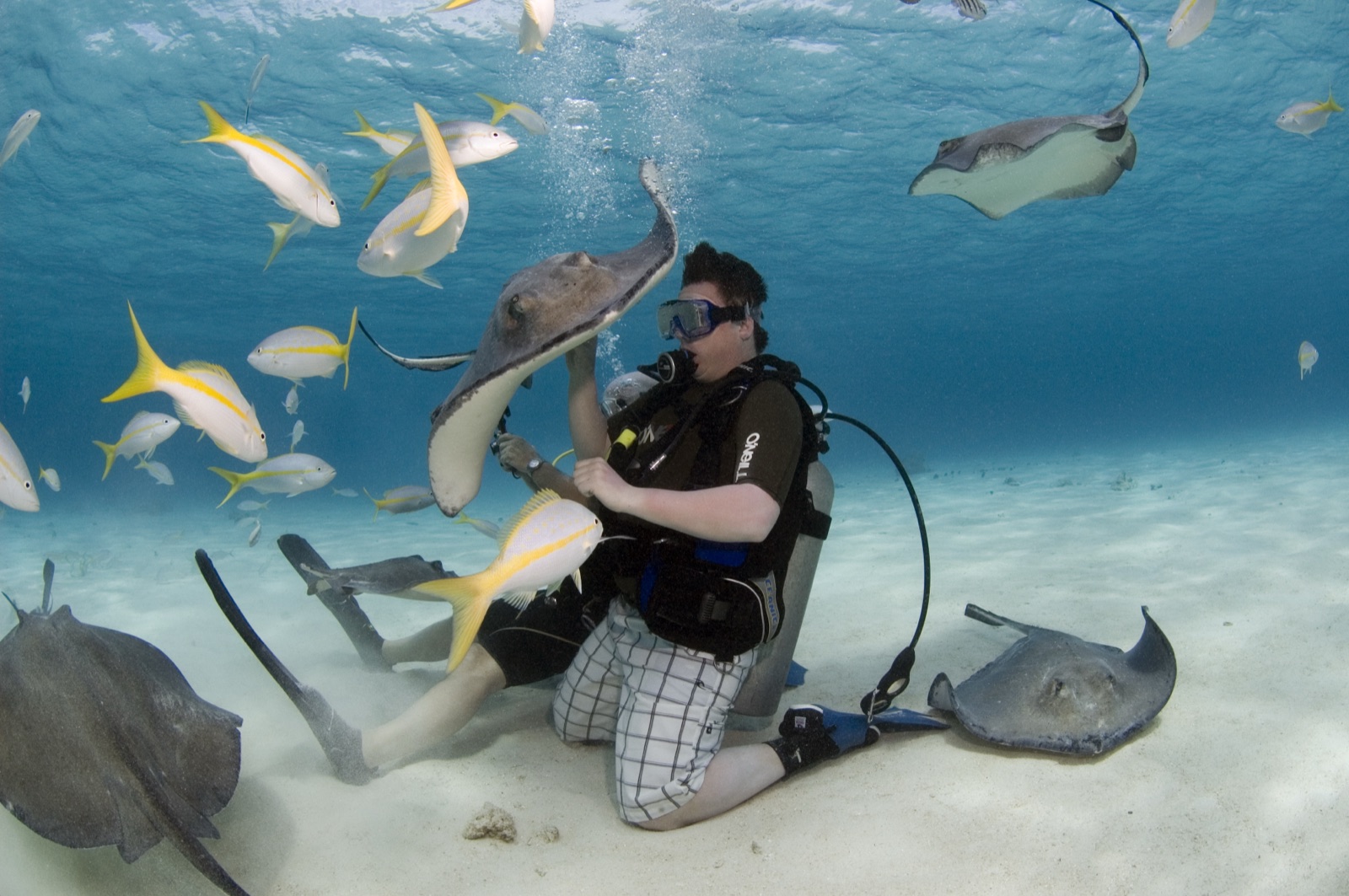
Stingray City
La profondeur correspond à la plage allant du sommet du site jusqu'à son maximum habituel ; le « niveau recommandé » est le niveau demandé en général par les opérateurs auprès des grandes agences, pas une règle légale. Les courants et la visibilité varient chaque jour, traitez donc tout cela comme des plages indicatives de planification.
Stingray City is diving's most famous shallow dive, and its origin is charmingly mundane: fishermen cleaning their catch inside the reef taught generations of southern stingrays that boat engines mean dinner. On the sand today, rays the size of coffee tables plane in from every direction, brushing over shoulders and vacuuming squid from guides' fists with a felt-like thump. Cameras fog, masks flood with laughter. It is thoroughly managed and unashamedly staged (licensed boats, briefed handling rules), and still, the first velvet wingbeat across your arm is a genuine wild-animal moment.
Le moment pour lequel vous venez: Dozens of tame southern stingrays at arm's length, four-meter depth with all-day bottom time, unmatched animal-encounter photography.
Topographie: A clean sand flat in 3–4 m near the channel through North Sound's fringing reef.
Courant: Sheltered lagoon water; wind chop more than current.
Entrée: Short run across North Sound; kneel or settle on the sand inside the reef line.
À savoir avant de plonger
Dangers: Shuffle your feet and keep fingers flat when guides offer squid: rays find hands by suction and can rasp skin. Heavy boat traffic overhead.
Permis & règlements: Visits run through licensed operators inside the interaction zone.
Conservation: Feeding is regulated by the Department of Environment within a designated Wildlife Interaction Zone; only licensed operators may provision, and lifting rays from the water is prohibited.
Qui vous croiserez
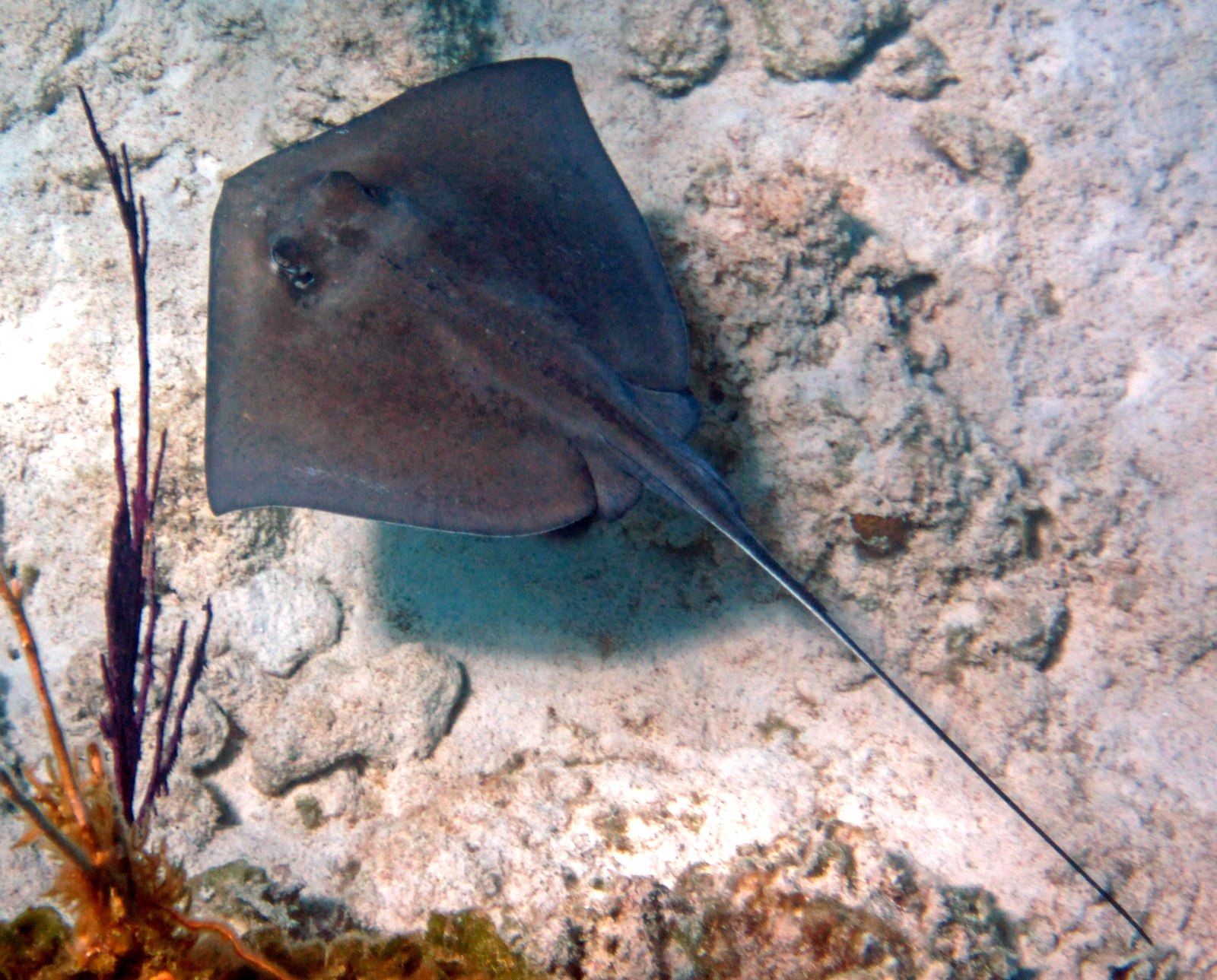
Southern Stingray
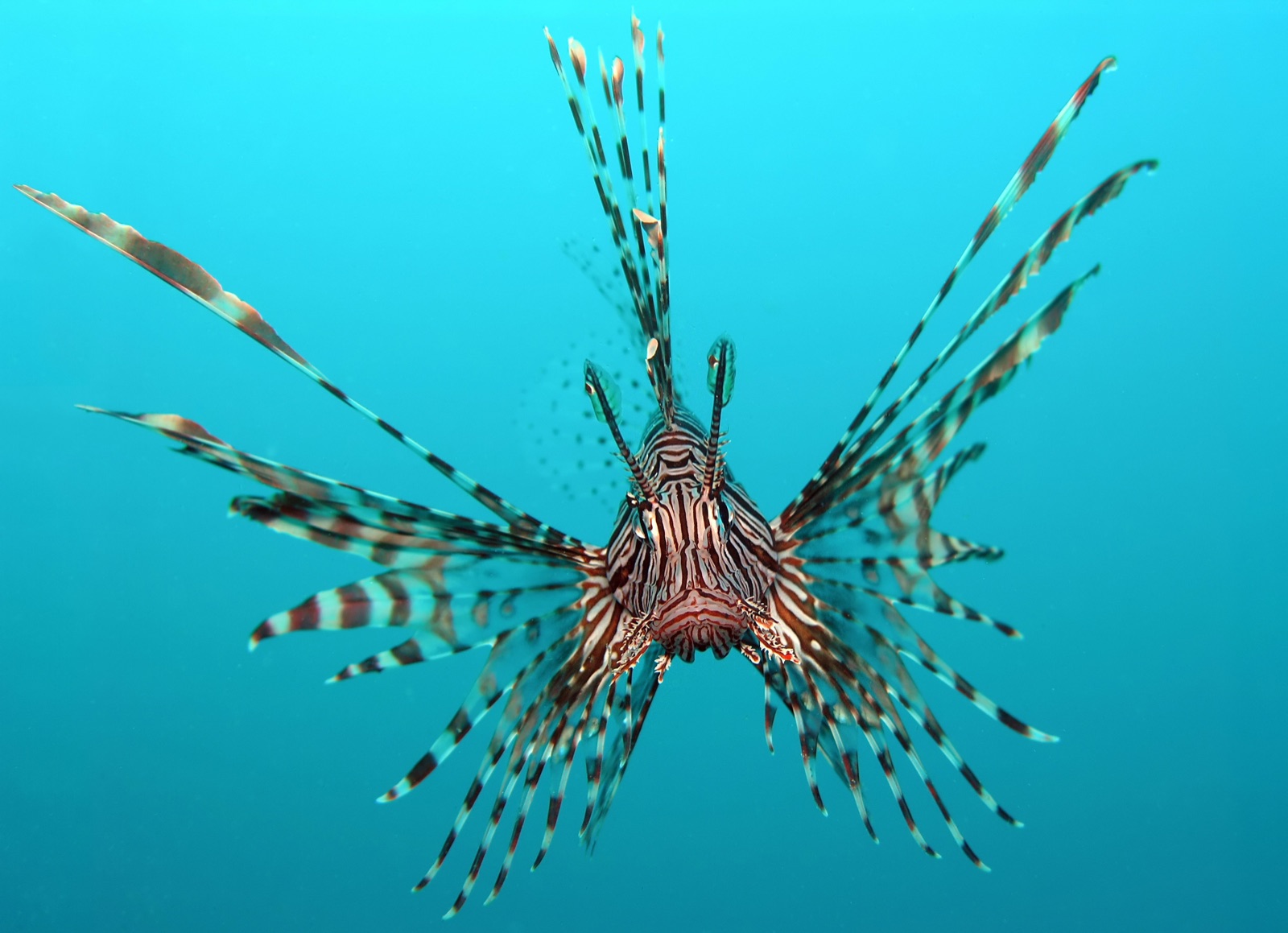
Lionfish
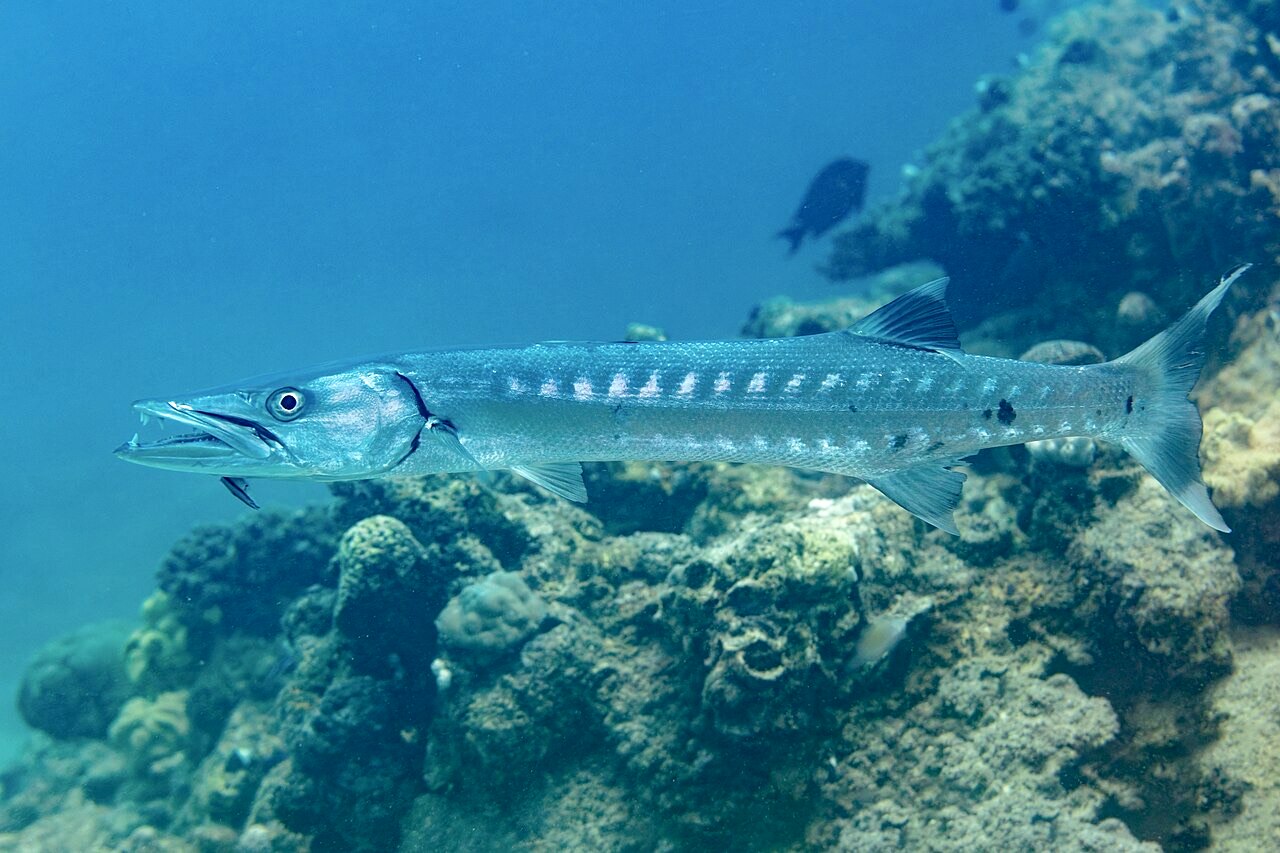
Great Barracuda
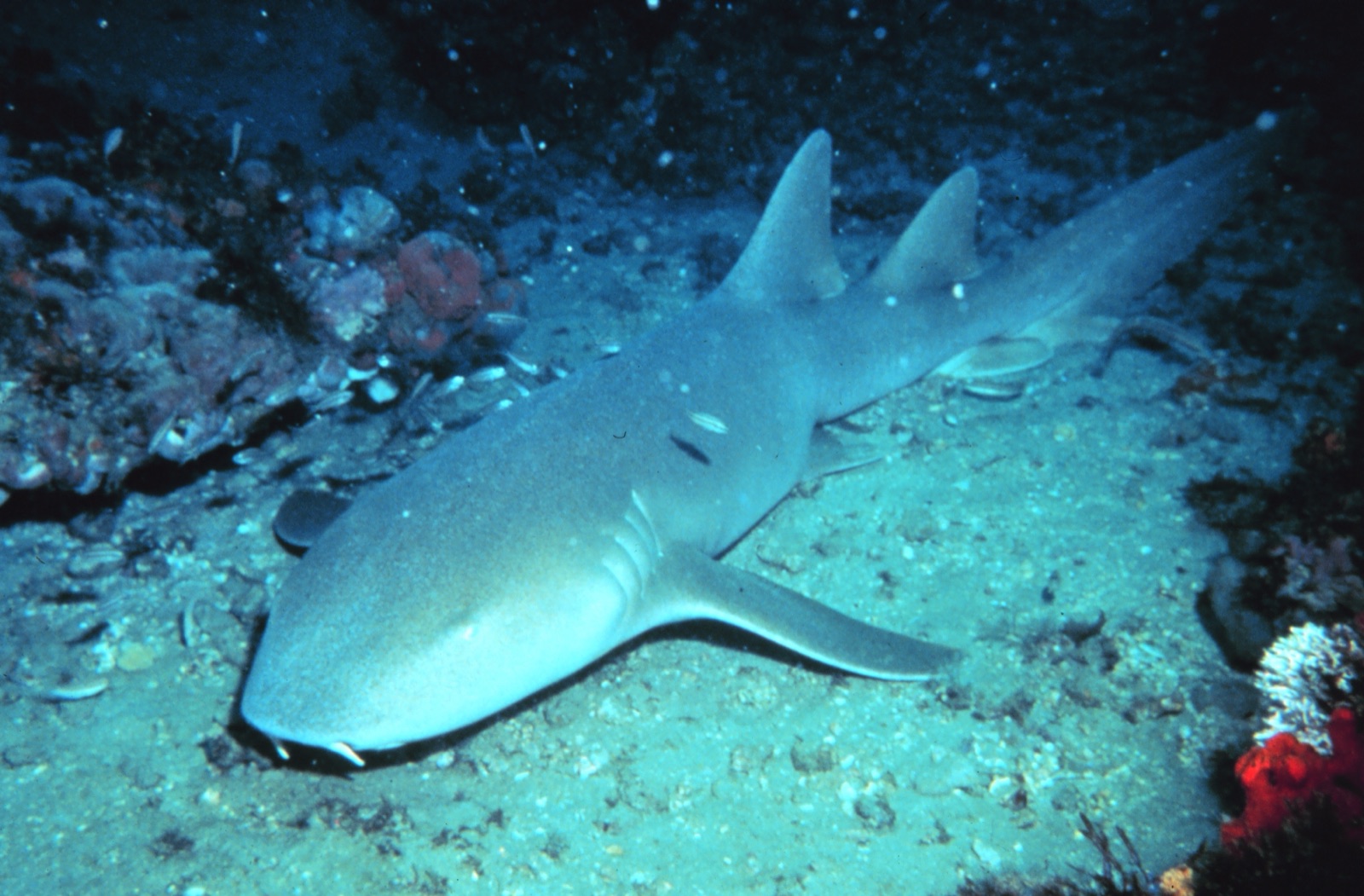
Nurse Shark
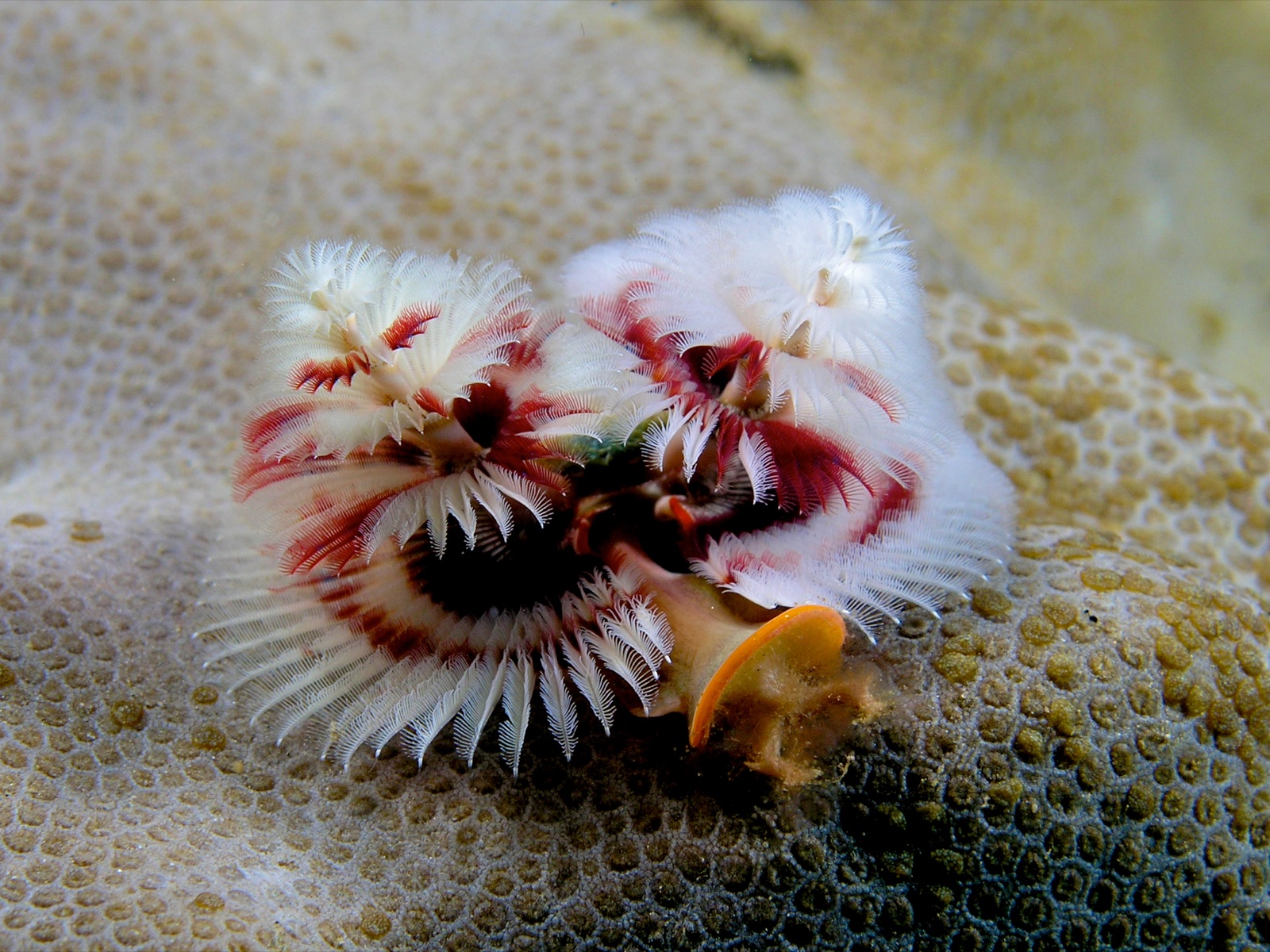
Christmas Tree Worm
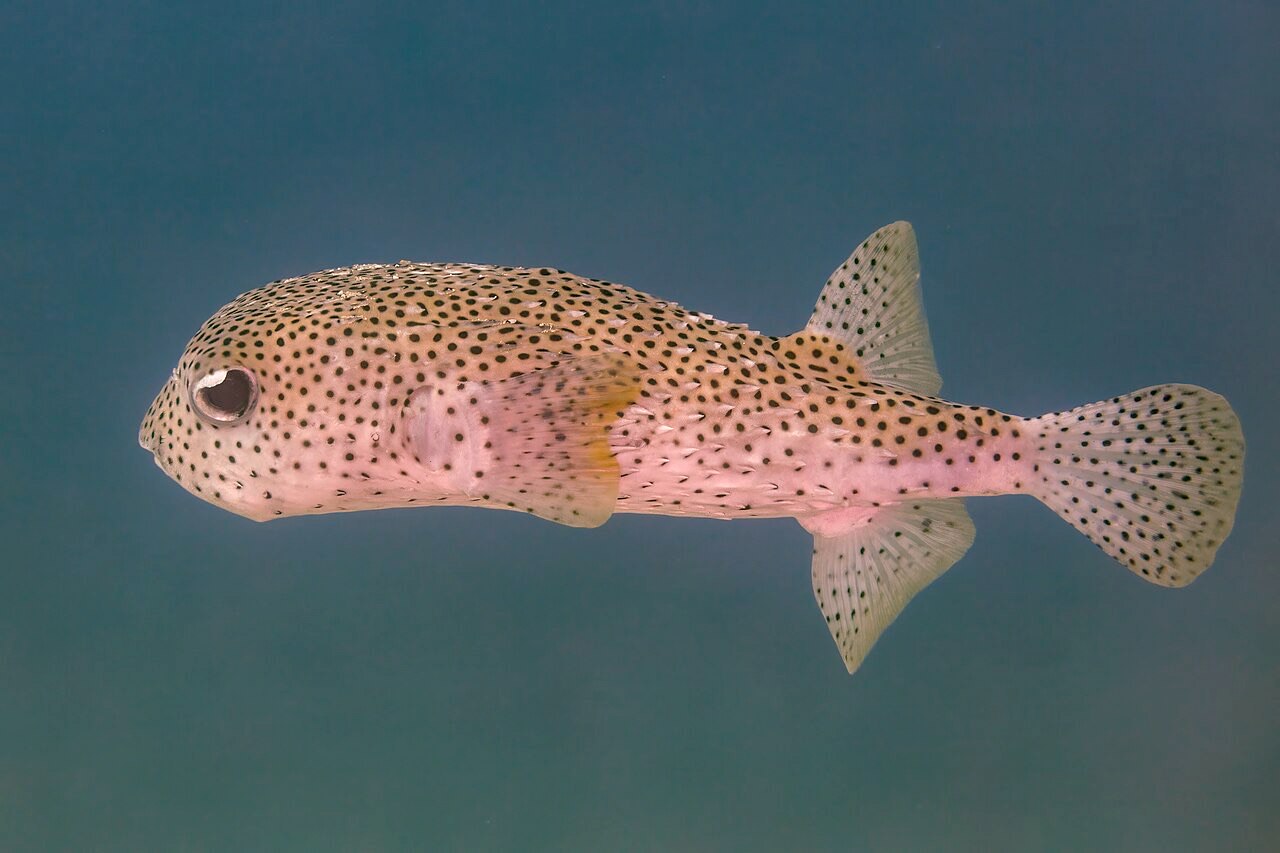
Porcupinefish
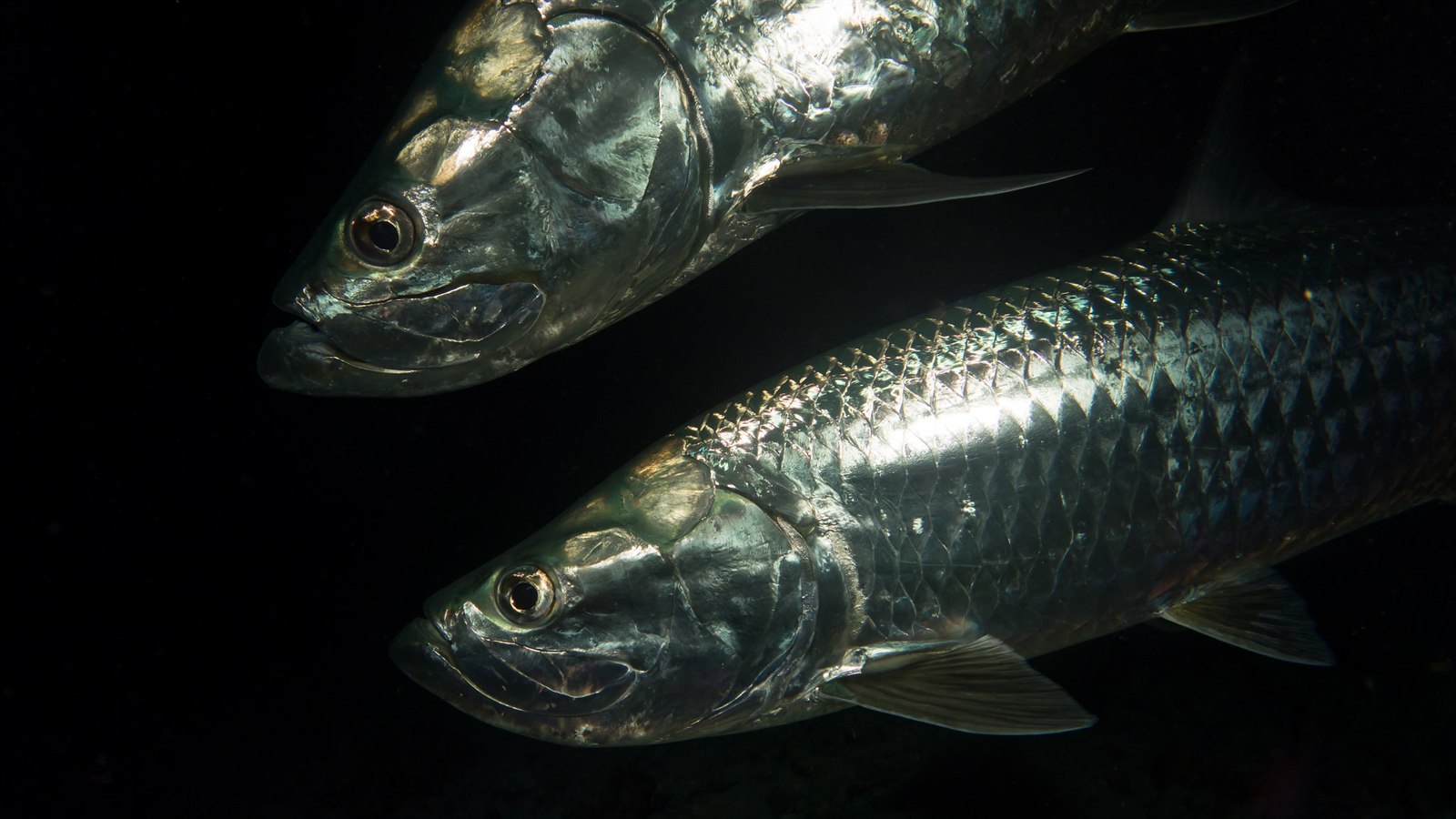
Atlantic Tarpon
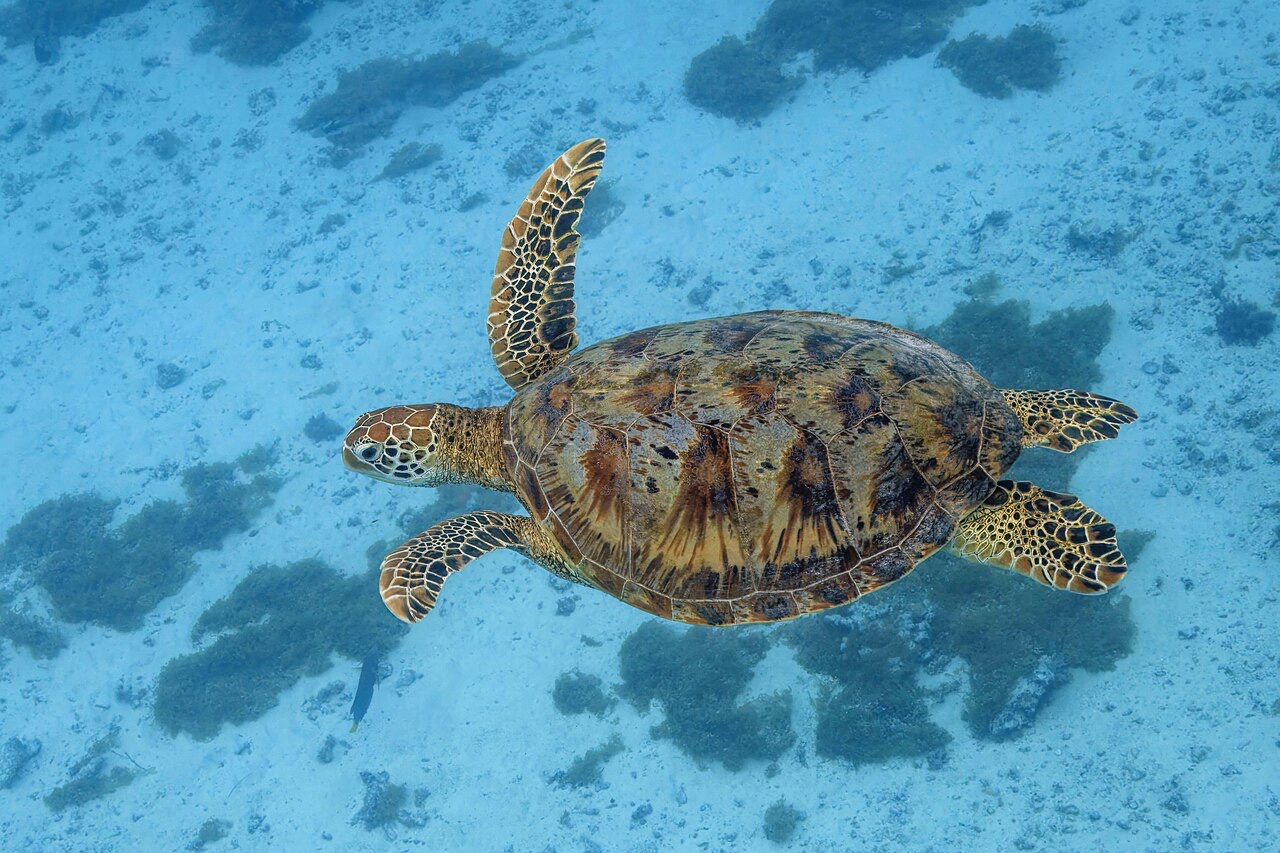
Green Sea Turtle
Également observé à proximité
Les espèces « cartographiées ici » ont été répertoriées par nos éditeurs à partir des sources indiquées sur cette page. Les comptages correspondent aux occurrences GBIF : observations enregistrées dans un rayon d'environ 5 km autour de la position cartographiée depuis 1990, comparées uniquement aux espèces de notre catalogue. Ils indiquent ce qui a été observé à cet endroit, sans garantir ce que vous y verrez.
Pour les photographes
Grand angle: ★★★★★ · Macro: ★☆☆☆☆ (note 1–5 des éditeurs sur ce que ce site offre à chaque style de prise de vue)