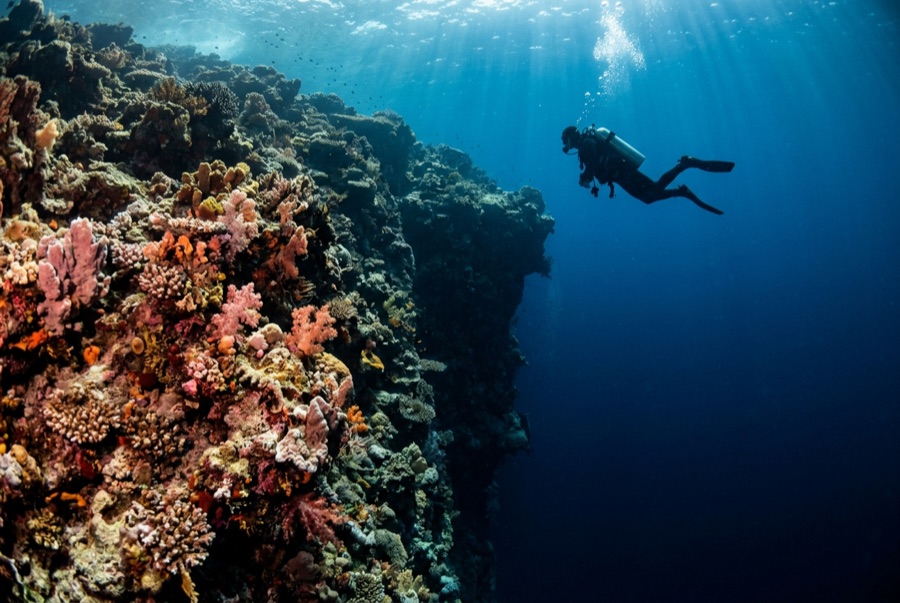
Black Coral I & II
La profundidad es el rango desde la cima del punto de buceo hasta su máximo habitual; la "certificación recomendada" es el nivel que los operadores suelen pedir según las agencias principales, no una norma legal. Las corrientes y la visibilidad cambian a diario, así que trata todo esto como rangos de planificación.
The two Black Coral moorings bracket a stretch of outer wall where the park's namesake colonies still grow in thickets: bushy, iridescent, and increasingly rare elsewhere in the Caribbean after centuries of jewelry harvesting. Between the black coral fans the wall runs the full Jardines repertoire: tarpon stacked in the ledge shade like chrome beams, reef sharks tracking the group from the blue, hawksbills working the sponges. The deeper ledges reward a careful eye for big groupers backed into ambush spots. It is the archipelago's best pure wall diving, dived unhurried from the skiffs.
El momento por el que vienes: Living black-coral thickets, tarpon under the ledges, sharks shadowing the wall.
Topografía: The outer reef's edge, stepping over ledges and buttresses hung with black coral colonies.
Corriente: Along-wall set on some tides.
Entrada: Paired moorings along the outer drop; dived as two variations on one wall.
Lo que debes saber antes de tirarte al agua
Riesgos: Depth along the ledge line; standard shark protocol applies.
Permisos y normas: Access only through the park's licensed operation.
Conservación: Black coral is protected and slow-growing; buoyancy errors here damage exactly what the site is named for.
Nitrox: Vale la pena aquí: los perfiles están en el rango donde el nitrox amplía de forma significativa el tiempo sin parada (con la formación necesaria para usarlo).
A quién encontrarás
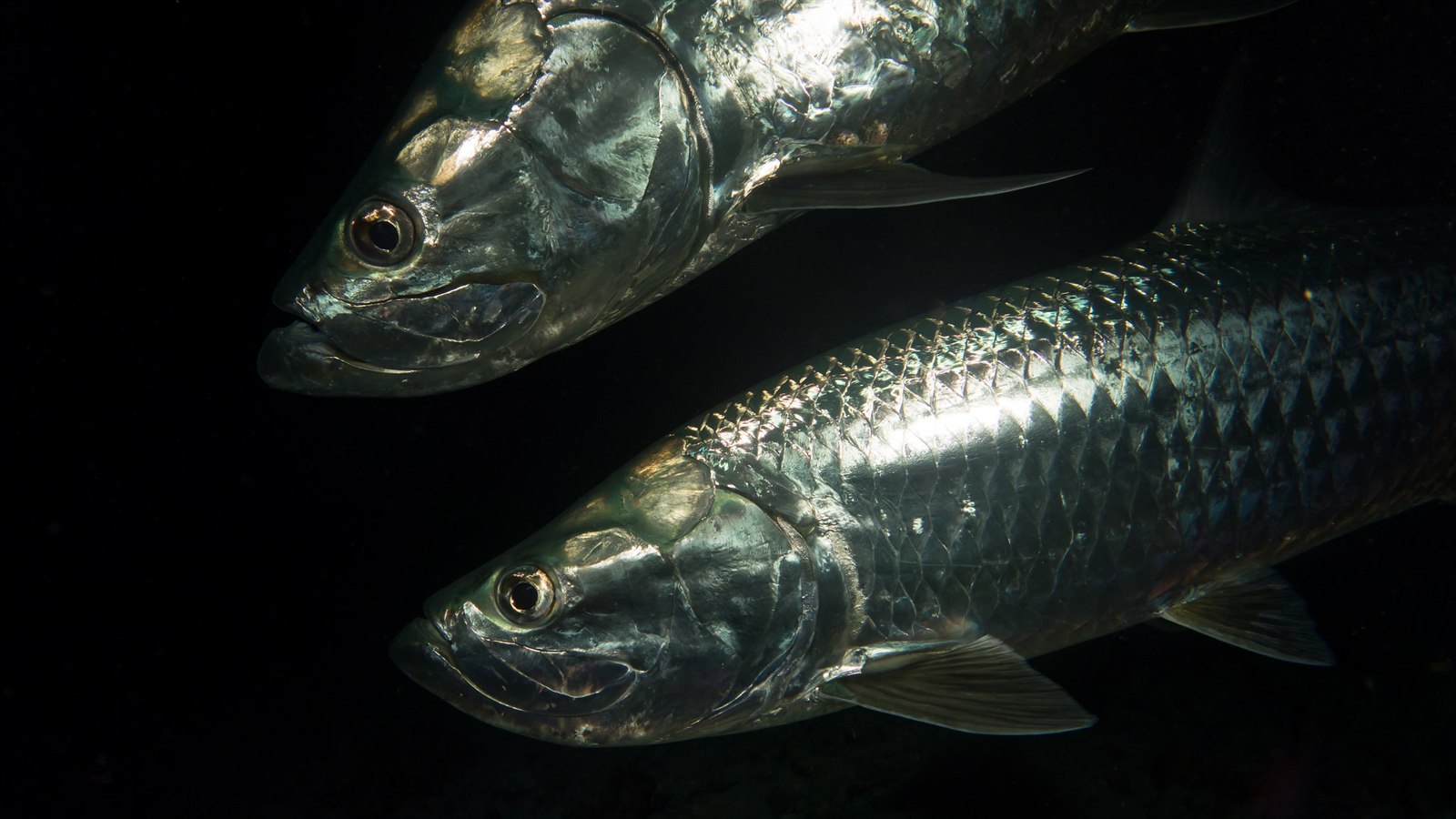
Atlantic Tarpon
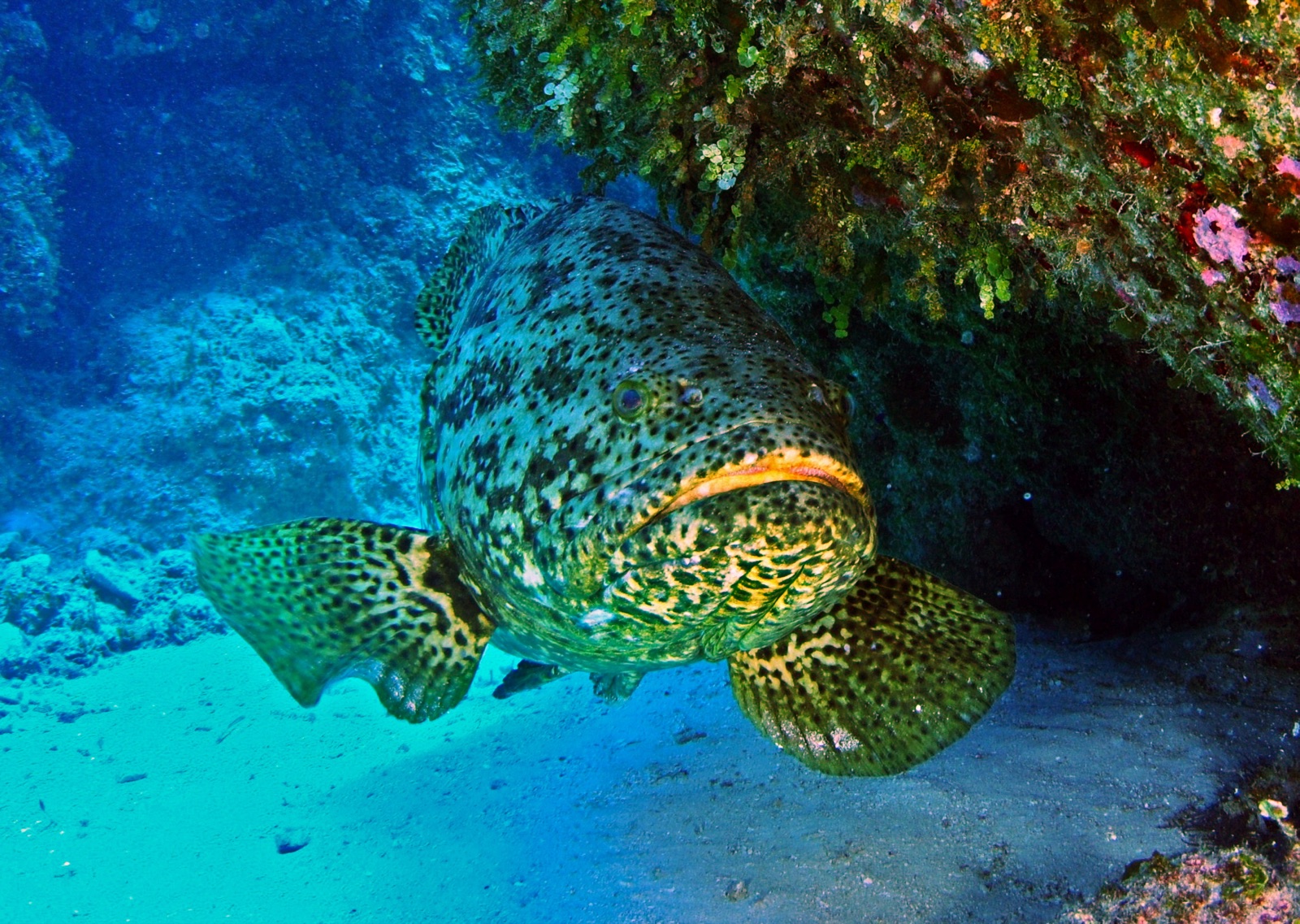
Atlantic Goliath Grouper
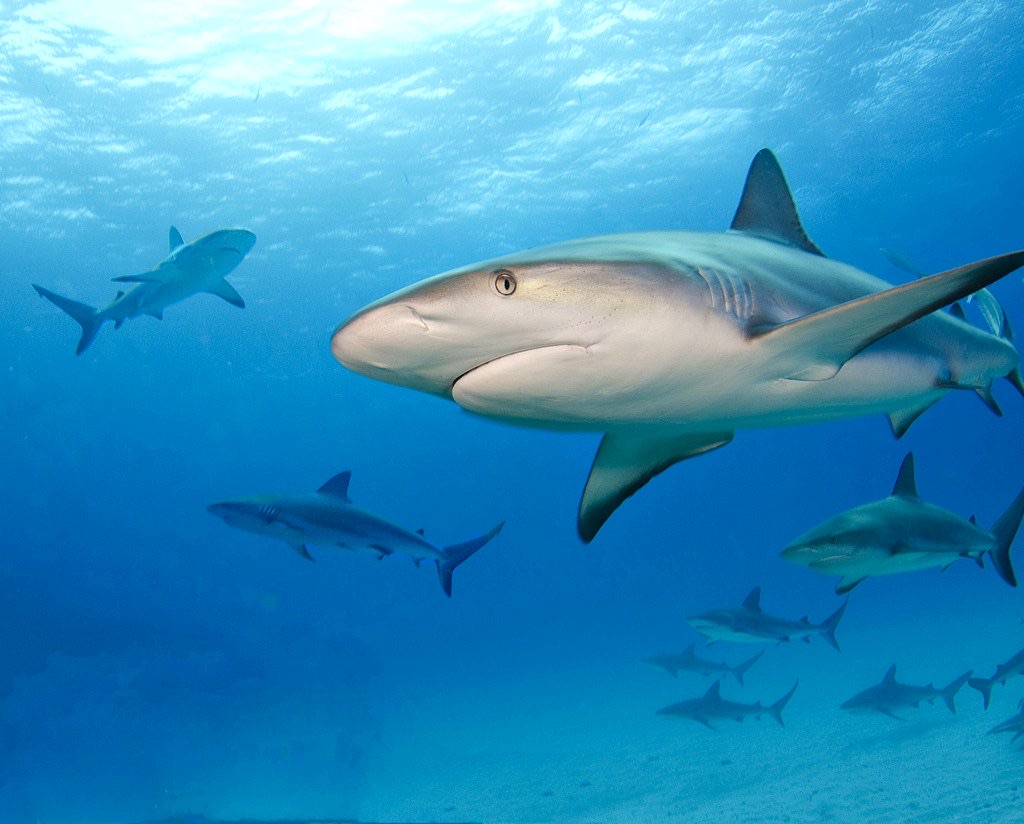
Caribbean Reef Shark
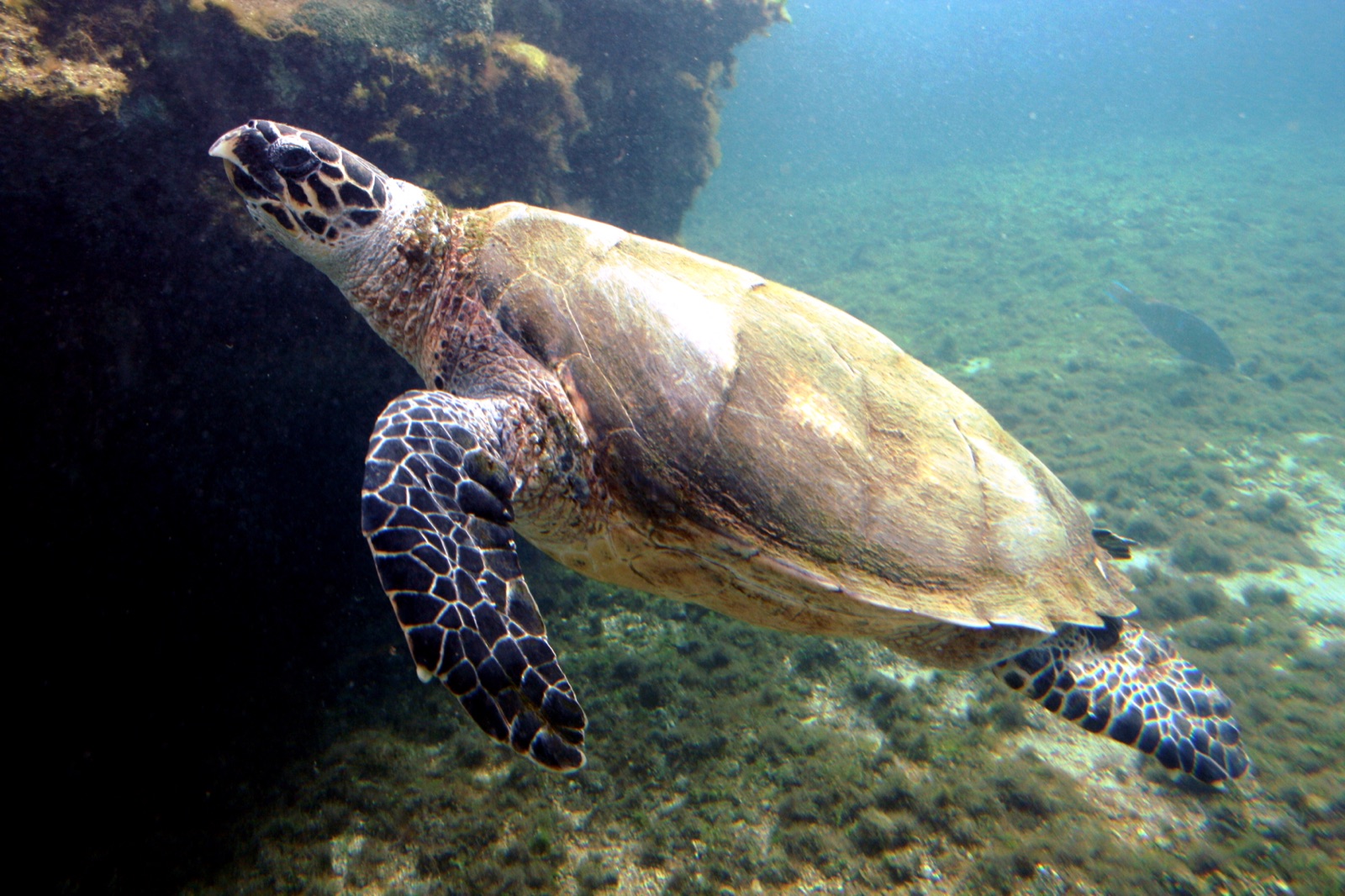
Hawksbill Turtle
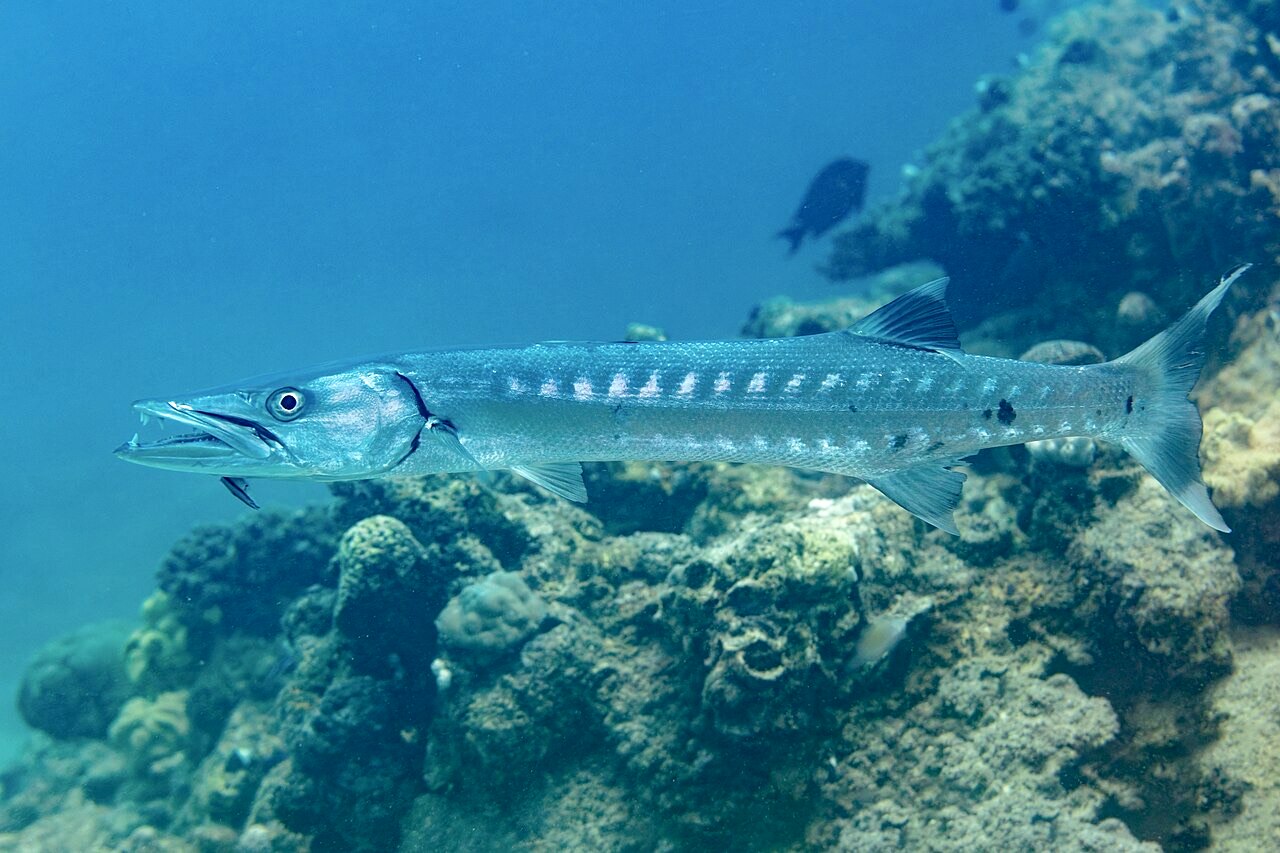
Great Barracuda
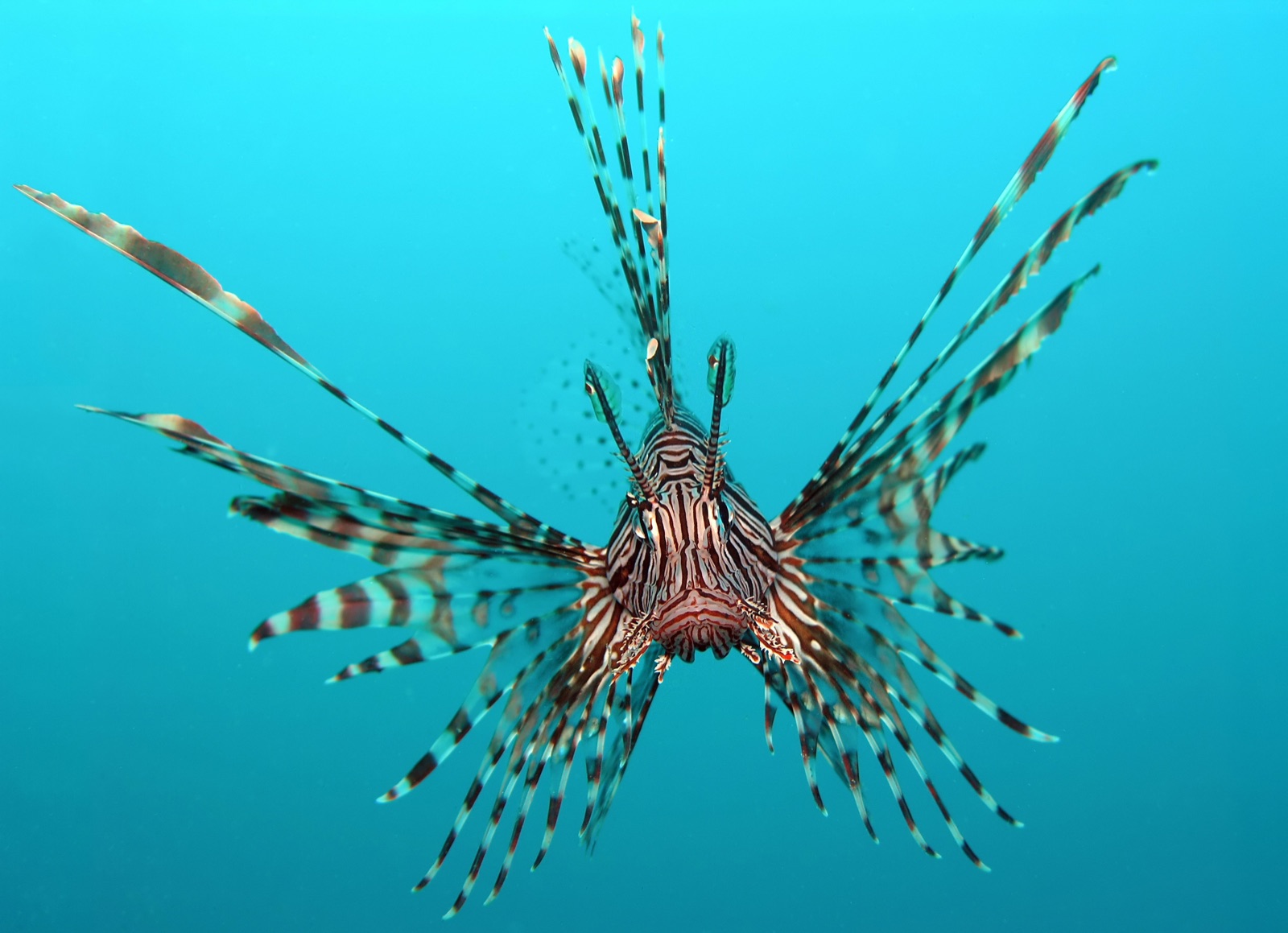
Lionfish
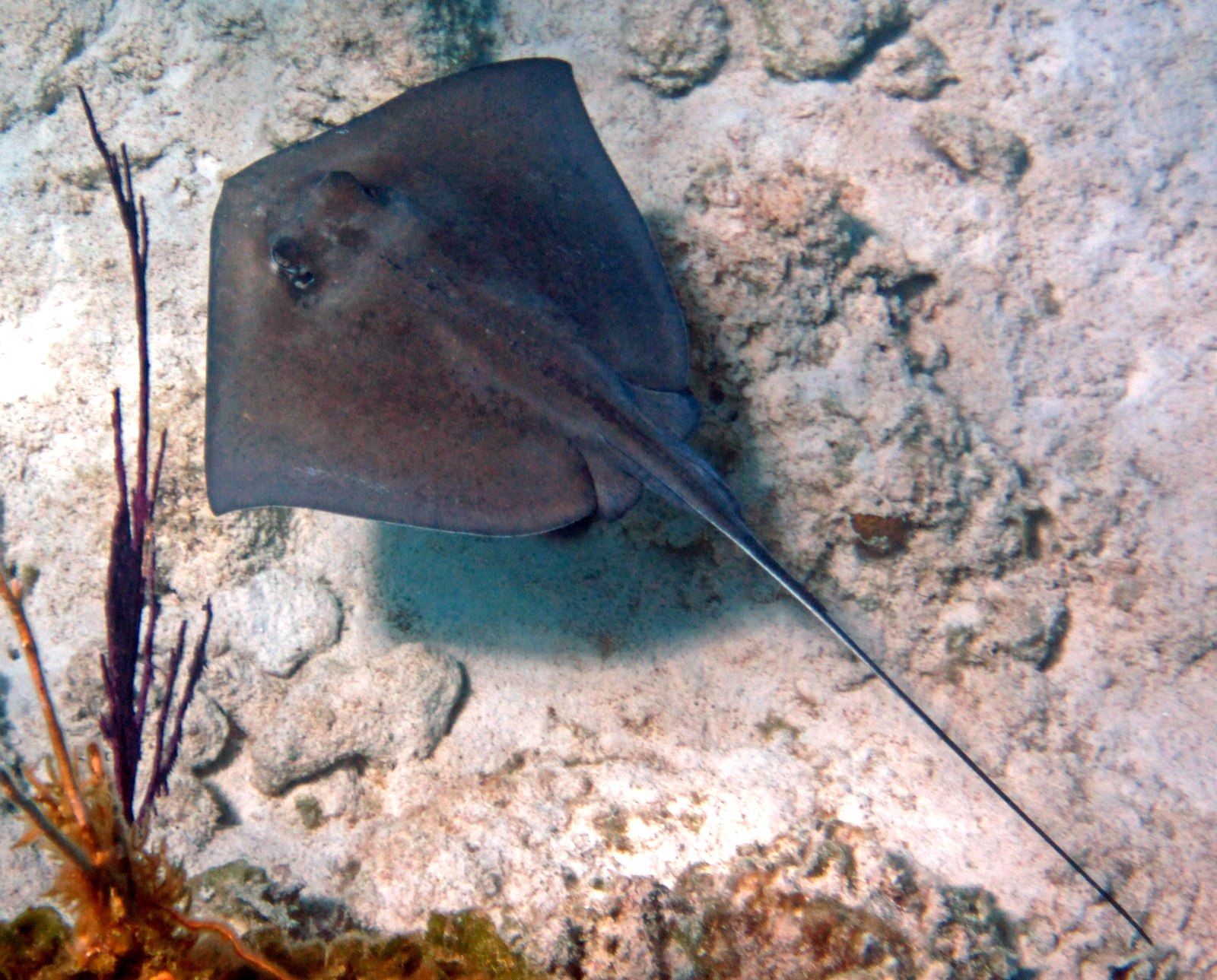
Southern Stingray
Las especies "aquí registradas" fueron añadidas por nuestros editores a partir de las fuentes de esta página. Los recuentos son registros de ocurrencia de GBIF: observaciones anotadas en un radio de unos 5 km de la posición registrada desde 1990, cotejadas únicamente con las especies de nuestro catálogo. Muestran lo que se ha avistado allí, no una garantía de lo que verás.
Para fotógrafos
Gran angular: ★★★★☆ · Macro: ★★☆☆☆ (valoración de 1 a 5 de los editores sobre lo que ofrece este sitio para cada estilo de fotografía)