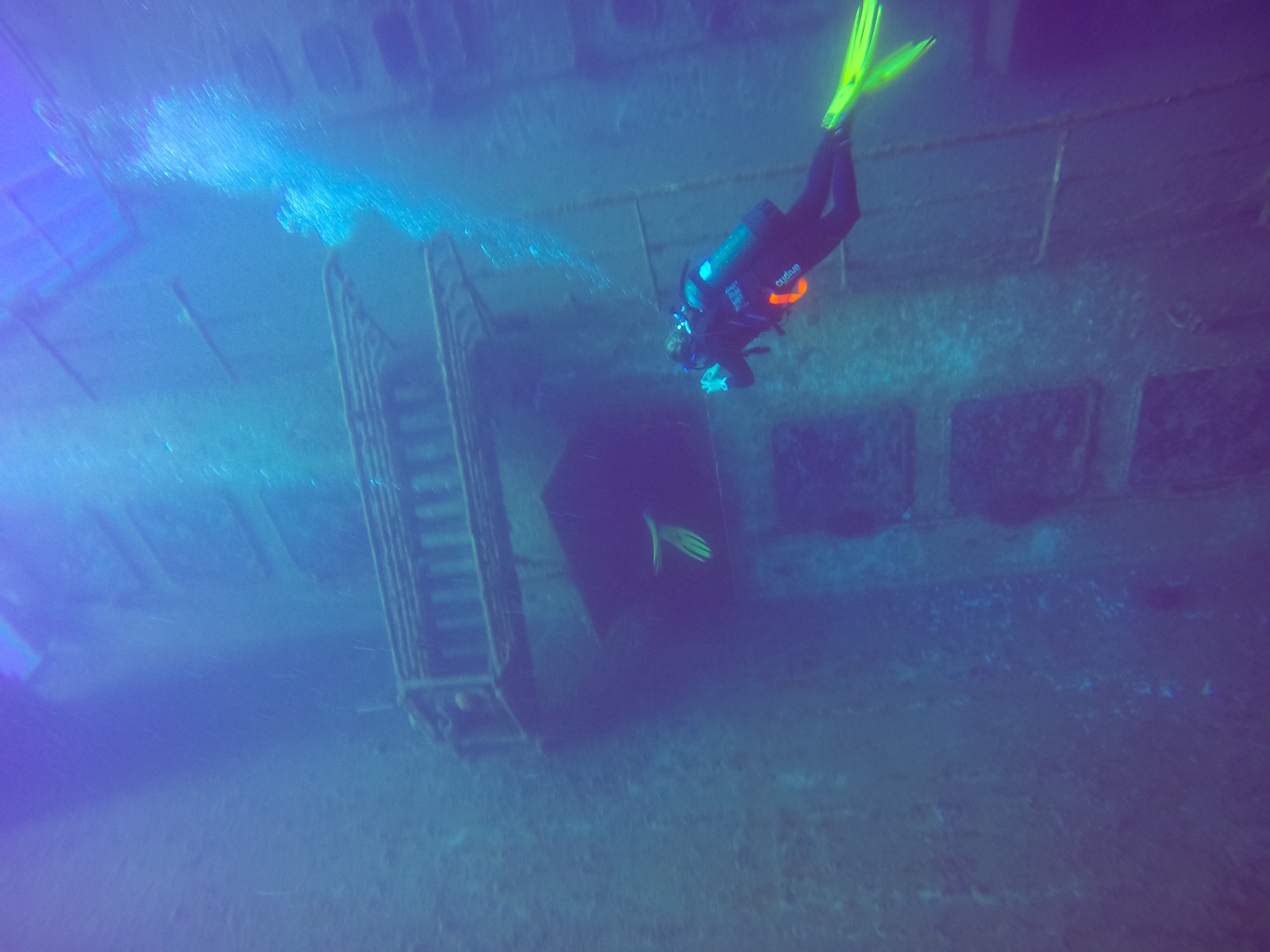
MS Zenobia
Depth is the range from the top of the site to its usual maximum; "recommended cert" is the mainstream-agency level operators usually ask for, not a legal rule. Currents and visibility change daily, so treat everything here as planning ranges.
The Zenobia sank in June 1980 on her maiden voyage, listing fatally after ballast-system failures and going down outside Larnaca with more than a hundred articulated trucks chained to her decks (and, mercifully, no one aboard). She has since become the Mediterranean's benchmark wreck. First dives trace the vast starboard hull and railings from 16 m; later ones drop along the accommodation block, peer into the cafeteria, and follow the truck cargo hanging in slow-motion avalanche. Full penetration of the vehicle decks and engine room is committed technical diving in silt and suspended cargo. Groupers, barracuda and now lionfish work the hull. A week is barely enough.
The moment you come for: One of the world's great wrecks: trucks on their chains, cavernous car decks, endless route options
Topography: A 172 m RO-RO ferry on her port side on flat sand, starboard hull at 16–18 m, seabed at about 42–43 m
Entry: Ten minutes by boat from Larnaca's marina to permanent mooring lines; multiple boats rotate over the wreck daily in season.
Know before you splash
Hazards: Scale and overhead: the interior has claimed experienced divers, and depth accumulates fast on the lower routes. Stay on planned lines and outside the hull without wreck training.
Conservation: The wreck is Larnaca's economic reef: established mooring lines protect it, and nothing is removed.
Nitrox: Worth it here: profiles sit in the range where enriched air meaningfully extends no-stop time (with the training to use it).
Who you'll meet
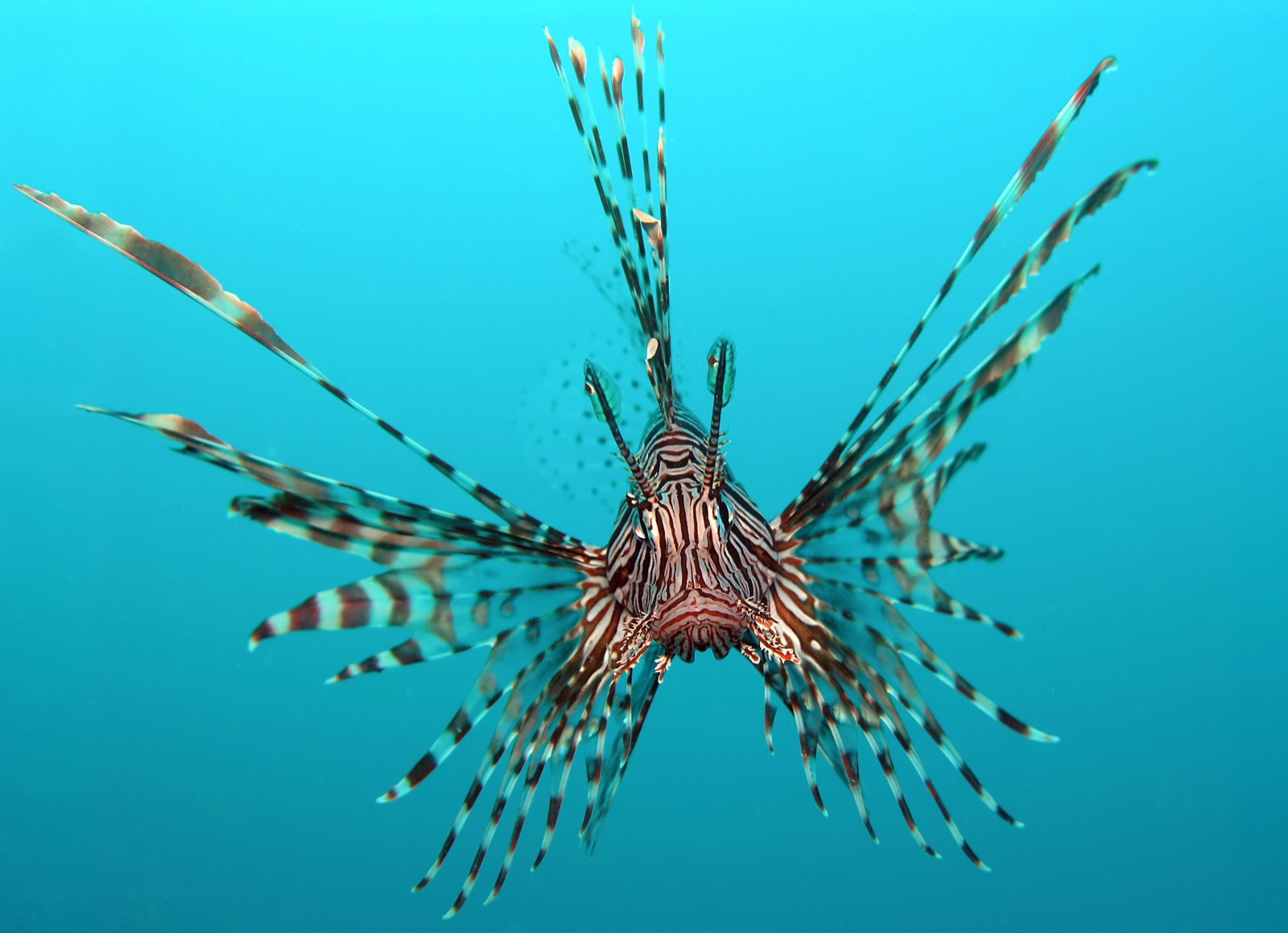
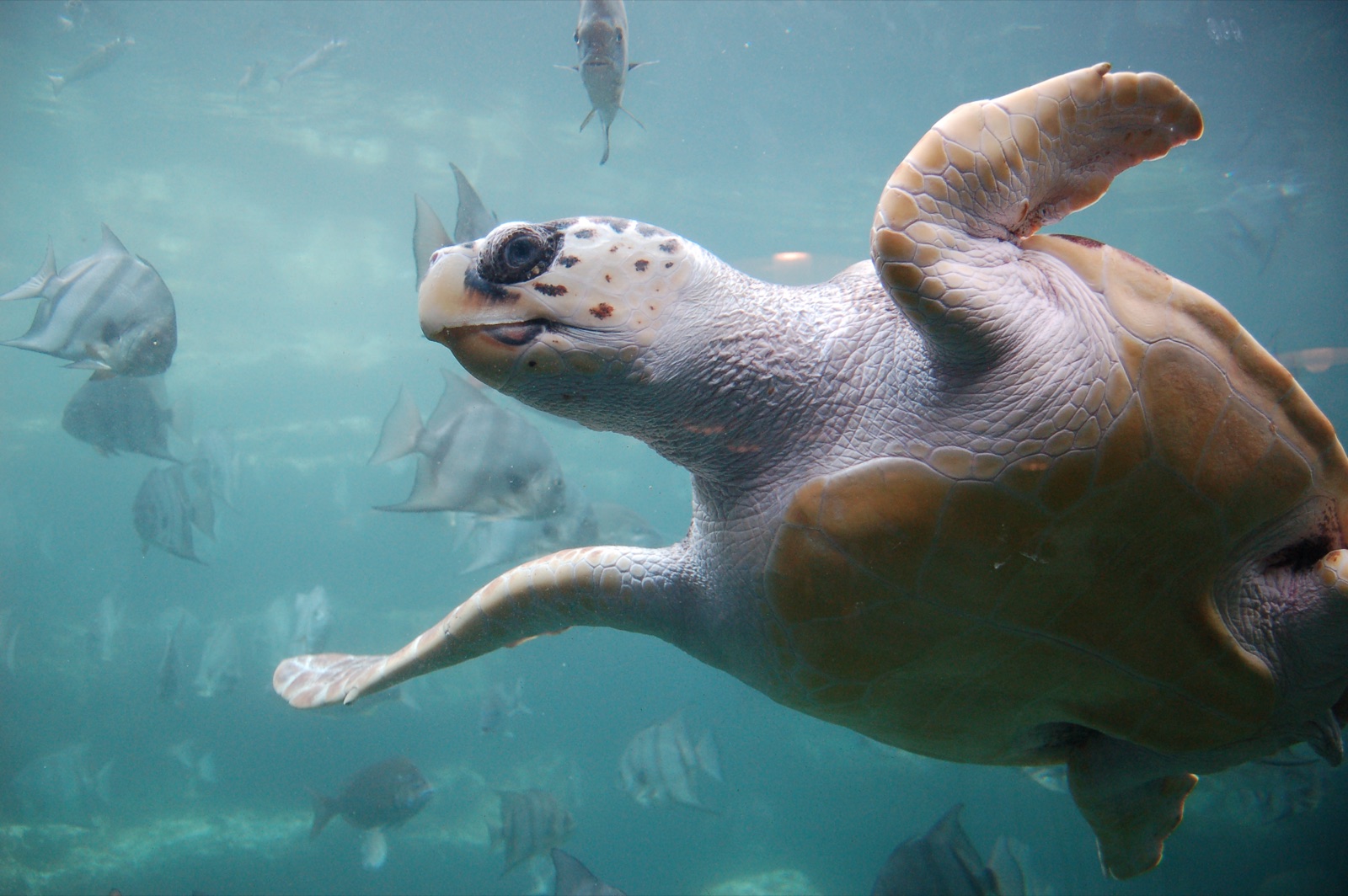
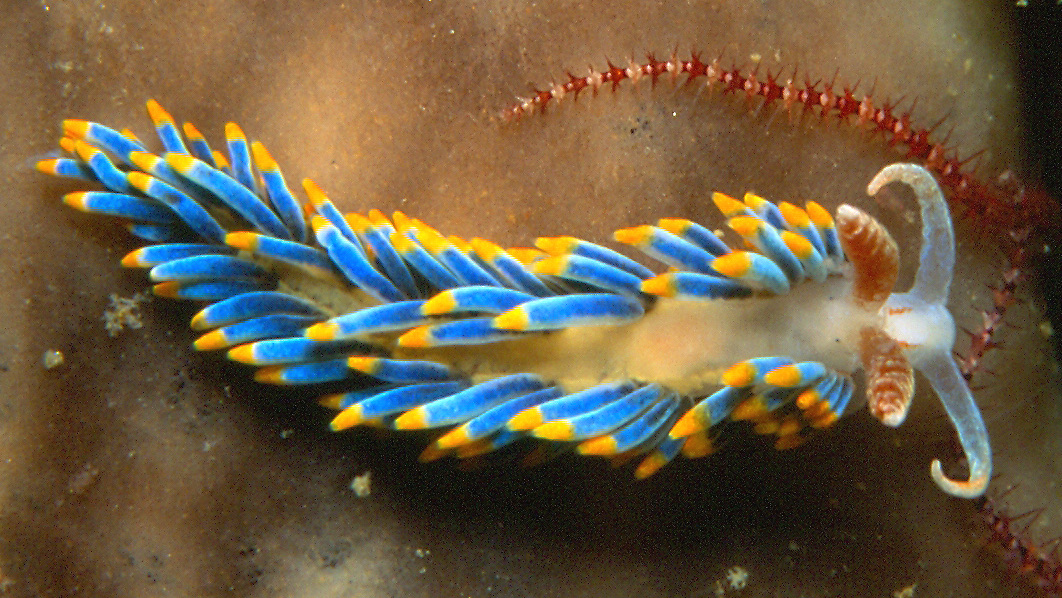
"Charted here" species were listed by our editors from the sources on this page. Counts are GBIF occurrence records: observations logged within about 5 km of the charted position since 1990, matched only against the species in our catalogue. They show what has been seen there, not a promise of what you will see.
For photographers
Wide angle: ★★★★★ · Macro: ★★☆☆☆ (editors' 1–5 rating of what this site gives each style of shooting)