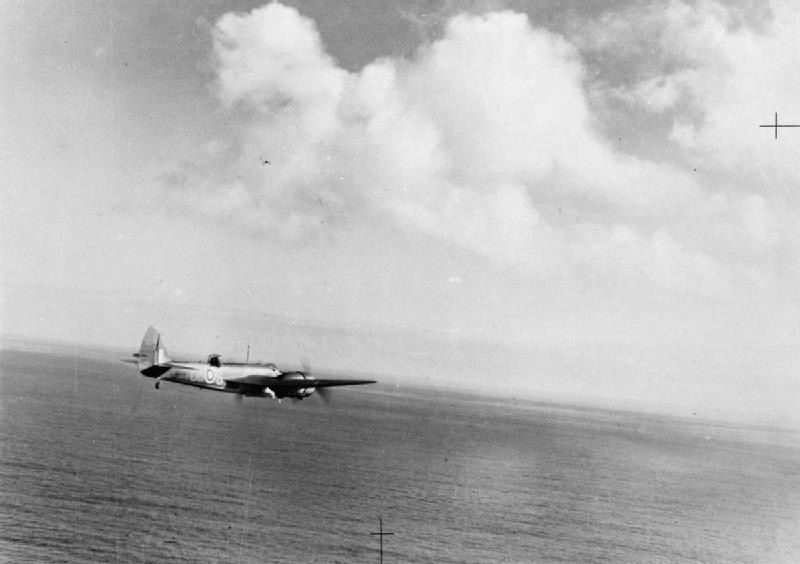
Bristol Blenheim Bomber
Depth is the range from the top of the site to its usual maximum; "recommended cert" is the mainstream-agency level operators usually ask for, not a legal rule. Currents and visibility change daily, so treat everything here as planning ranges.
In December 1941 a Bristol Blenheim of the RAF's Malta-based strike force, damaged during an attack on Axis shipping, was ditched into the sea off Malta's southeast corner; accounts record the crew getting out before she went down. Eighty years later the aircraft rests level on pale sand at 42 m, engines and wing structure remarkably coherent, propeller hubs and cockpit frame recognizable, the rear fuselage folded where the sea took it. Aircraft wrecks are rare, intact ones rarer, and the short no-stop window at this depth gives the dive the concentrated quality of a museum visit timed by a stopwatch.
The moment you come for: An identifiable WWII bomber, engines and wings in place, a focused deep dive
Topography: A WWII twin-engine bomber on flat sand at about 42 m
Entry: Boat dive off Malta's southeast coast near Xrobb l-Ghagin; a fixed line descent onto the aircraft, with limited bottom time at 42 m.
Know before you splash
Hazards: Depth is the dive: short bottom times, mandatory discipline on gas and ascent, and no shelter from current if it runs.
Conservation: Wartime aircraft are historic remains protected under Maltese heritage rules; nothing is touched or lifted.
Nitrox: Worth it here: profiles sit in the range where enriched air meaningfully extends no-stop time (with the training to use it).
Who you'll meet
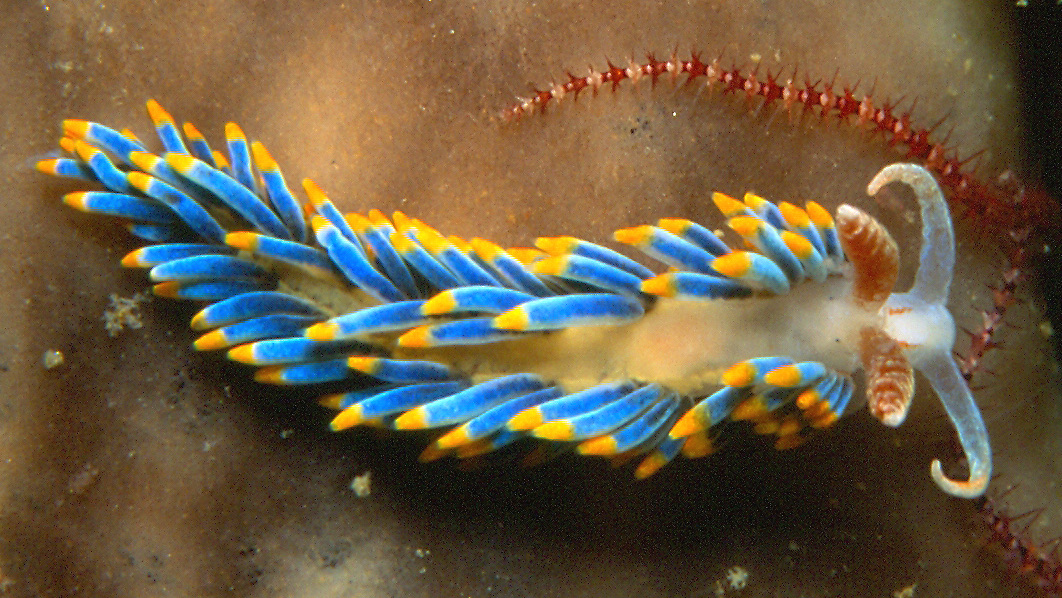
"Charted here" species were listed by our editors from the sources on this page. Counts are GBIF occurrence records: observations logged within about 5 km of the charted position since 1990, matched only against the species in our catalogue. They show what has been seen there, not a promise of what you will see.
For photographers
Wide angle: ★★★★☆ · Macro: ★☆☆☆☆ (editors' 1–5 rating of what this site gives each style of shooting)