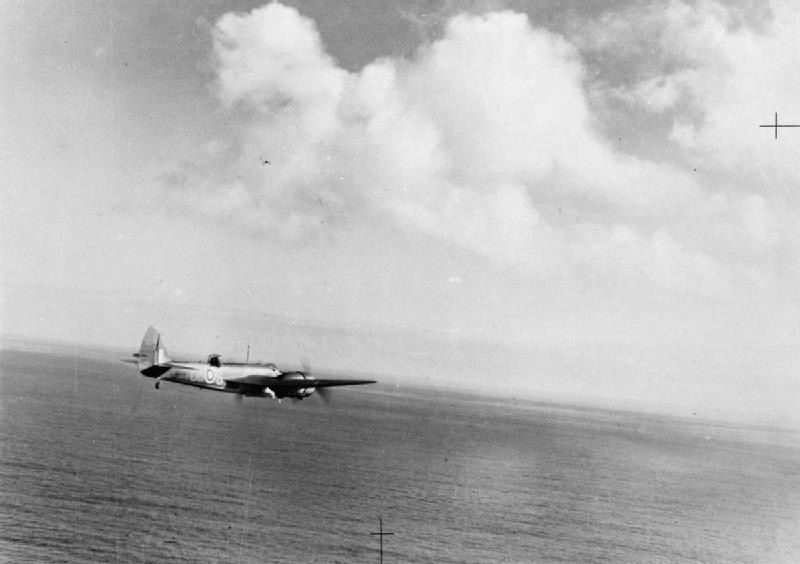
Bristol Blenheim Bomber
La profundidad es el rango desde la cima del punto de buceo hasta su máximo habitual; la "certificación recomendada" es el nivel que los operadores suelen pedir según las agencias principales, no una norma legal. Las corrientes y la visibilidad cambian a diario, así que trata todo esto como rangos de planificación.
In December 1941 a Bristol Blenheim of the RAF's Malta-based strike force, damaged during an attack on Axis shipping, was ditched into the sea off Malta's southeast corner; accounts record the crew getting out before she went down. Eighty years later the aircraft rests level on pale sand at 42 m, engines and wing structure remarkably coherent, propeller hubs and cockpit frame recognizable, the rear fuselage folded where the sea took it. Aircraft wrecks are rare, intact ones rarer, and the short no-stop window at this depth gives the dive the concentrated quality of a museum visit timed by a stopwatch.
El momento por el que vienes: An identifiable WWII bomber, engines and wings in place, a focused deep dive
Topografía: A WWII twin-engine bomber on flat sand at about 42 m
Entrada: Boat dive off Malta's southeast coast near Xrobb l-Ghagin; a fixed line descent onto the aircraft, with limited bottom time at 42 m.
Lo que debes saber antes de tirarte al agua
Riesgos: Depth is the dive: short bottom times, mandatory discipline on gas and ascent, and no shelter from current if it runs.
Conservación: Wartime aircraft are historic remains protected under Maltese heritage rules; nothing is touched or lifted.
Nitrox: Vale la pena aquí: los perfiles están en el rango donde el nitrox amplía de forma significativa el tiempo sin parada (con la formación necesaria para usarlo).
A quién encontrarás

Las especies "aquí registradas" fueron añadidas por nuestros editores a partir de las fuentes de esta página. Los recuentos son registros de ocurrencia de GBIF: observaciones anotadas en un radio de unos 5 km de la posición registrada desde 1990, cotejadas únicamente con las especies de nuestro catálogo. Muestran lo que se ha avistado allí, no una garantía de lo que verás.
Para fotógrafos
Gran angular: ★★★★☆ · Macro: ★☆☆☆☆ (valoración de 1 a 5 de los editores sobre lo que ofrece este sitio para cada estilo de fotografía)