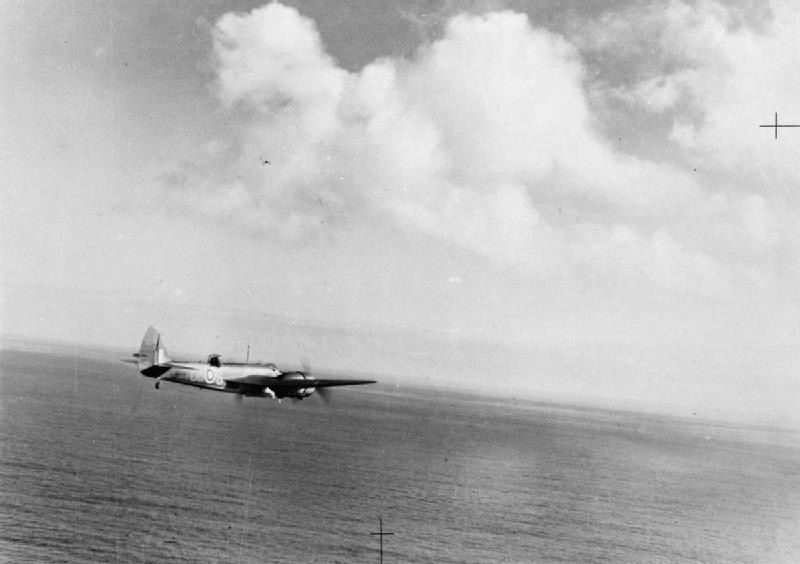
Bristol Blenheim Bomber
La profondeur correspond à la plage allant du sommet du site jusqu'à son maximum habituel ; le « niveau recommandé » est le niveau demandé en général par les opérateurs auprès des grandes agences, pas une règle légale. Les courants et la visibilité varient chaque jour, traitez donc tout cela comme des plages indicatives de planification.
In December 1941 a Bristol Blenheim of the RAF's Malta-based strike force, damaged during an attack on Axis shipping, was ditched into the sea off Malta's southeast corner; accounts record the crew getting out before she went down. Eighty years later the aircraft rests level on pale sand at 42 m, engines and wing structure remarkably coherent, propeller hubs and cockpit frame recognizable, the rear fuselage folded where the sea took it. Aircraft wrecks are rare, intact ones rarer, and the short no-stop window at this depth gives the dive the concentrated quality of a museum visit timed by a stopwatch.
Le moment pour lequel vous venez: An identifiable WWII bomber, engines and wings in place, a focused deep dive
Topographie: A WWII twin-engine bomber on flat sand at about 42 m
Entrée: Boat dive off Malta's southeast coast near Xrobb l-Ghagin; a fixed line descent onto the aircraft, with limited bottom time at 42 m.
À savoir avant de plonger
Dangers: Depth is the dive: short bottom times, mandatory discipline on gas and ascent, and no shelter from current if it runs.
Conservation: Wartime aircraft are historic remains protected under Maltese heritage rules; nothing is touched or lifted.
Nitrox: Pertinent ici : les profils se situent dans la plage où le nitrox prolonge significativement le temps sans palier (avec la formation pour l'utiliser).
Qui vous croiserez
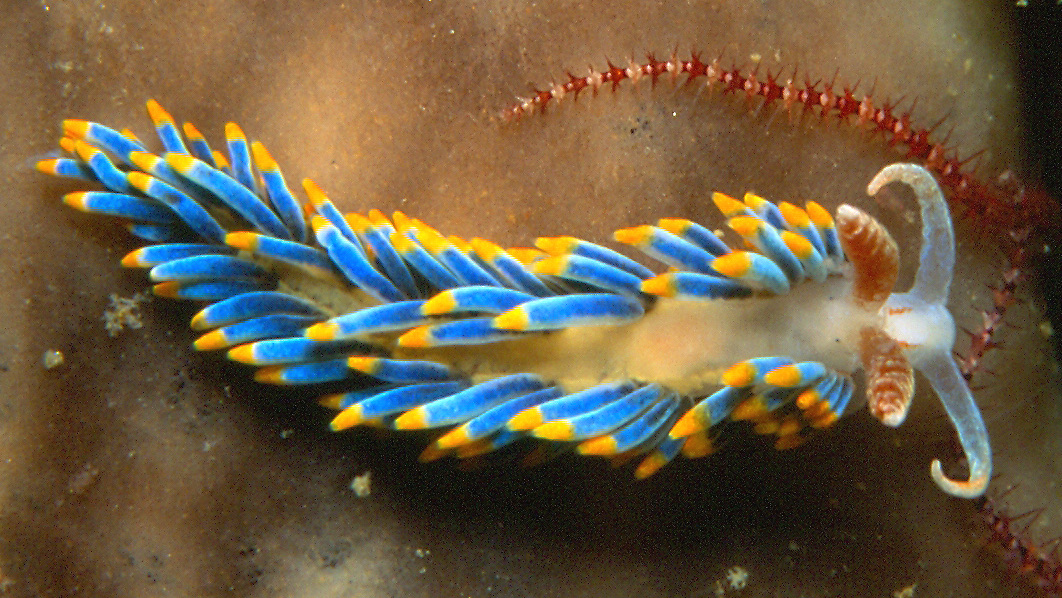
Les espèces « cartographiées ici » ont été répertoriées par nos éditeurs à partir des sources indiquées sur cette page. Les comptages correspondent aux occurrences GBIF : observations enregistrées dans un rayon d'environ 5 km autour de la position cartographiée depuis 1990, comparées uniquement aux espèces de notre catalogue. Ils indiquent ce qui a été observé à cet endroit, sans garantir ce que vous y verrez.
Pour les photographes
Grand angle: ★★★★☆ · Macro: ★☆☆☆☆ (note 1–5 des éditeurs sur ce que ce site offre à chaque style de prise de vue)