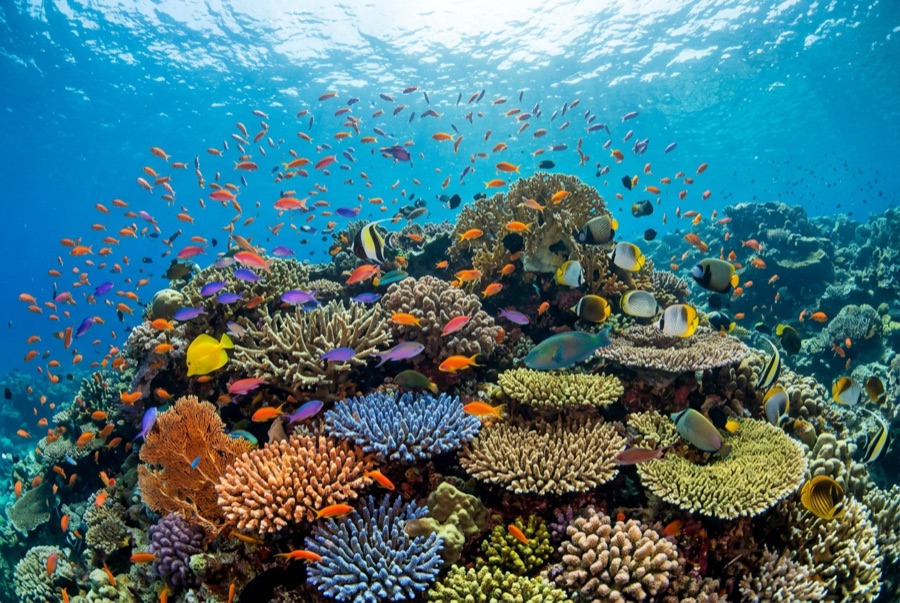
Sataya Reef
La profundidad es el rango desde la cima del punto de buceo hasta su máximo habitual; la "certificación recomendada" es el nivel que los operadores suelen pedir según las agencias principales, no una norma legal. Las corrientes y la visibilidad cambian a diario, así que trata todo esto como rangos de planificación.
Sataya draws a great arc across the far-south sea, and inside that arc one of the Red Sea's largest spinner dolphin aggregations comes to rest - often dozens of animals, sometimes far more, circling the lagoon in slow shifts through the morning. Most encounters happen on snorkel under warden oversight, with entry rules, time windows, and distance codes that have tightened as the site's fame grew; the pod's rest matters more than anyone's photograph. Divers get the outer reef: unhurried slopes of healthy coral where turtles and eagle rays commute and the dolphins occasionally pass below like a change in the weather. The remoteness is real - hours from anywhere - and shapes the experience into a full expedition day.
El momento por el que vienes: Large resting spinner pods in the lagoon; warden-managed encounters; quiet outer-reef slopes.
Topografía: A kilometers-long crescent enclosing a vast sandy lagoon, with coral slopes on the seaward faces
Entrada: A long crescent reef at the southern edge of the Fury Shoals system, reached from Hamata; snorkel encounters happen in the lagoon, dives on the outer slopes.
Lo que debes saber antes de tirarte al agua
Riesgos: Long boat runs and sun exposure; surface congestion during snorkel sessions.
Permisos y normas: Managed encounters with fees and visitor rules, arranged through Hamata-area operators.
Conservación: Follow the wardens' timing and distance rules without argument - the aggregation persists only if its rest does.
A quién encontrarás
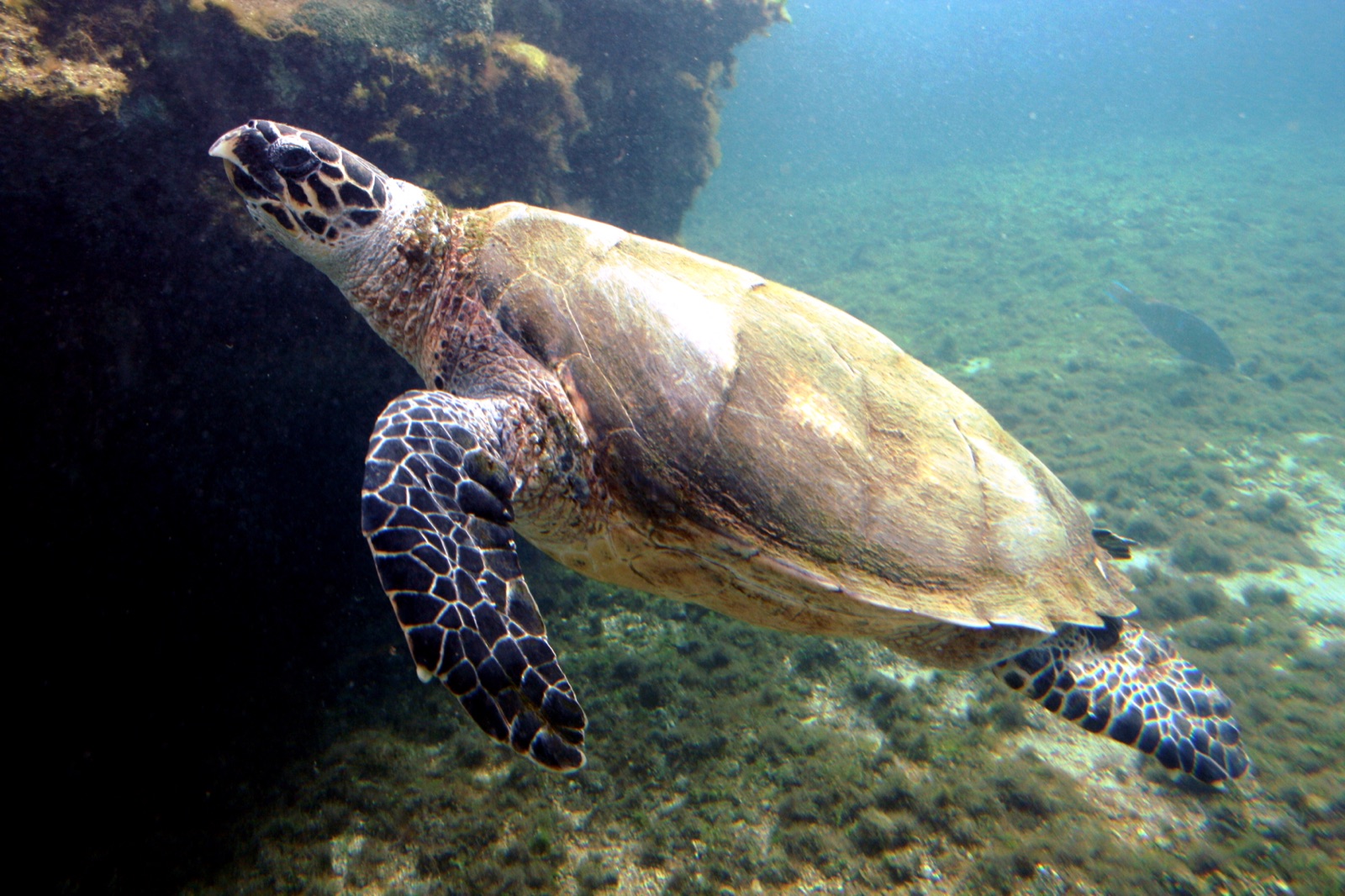
Hawksbill Turtle
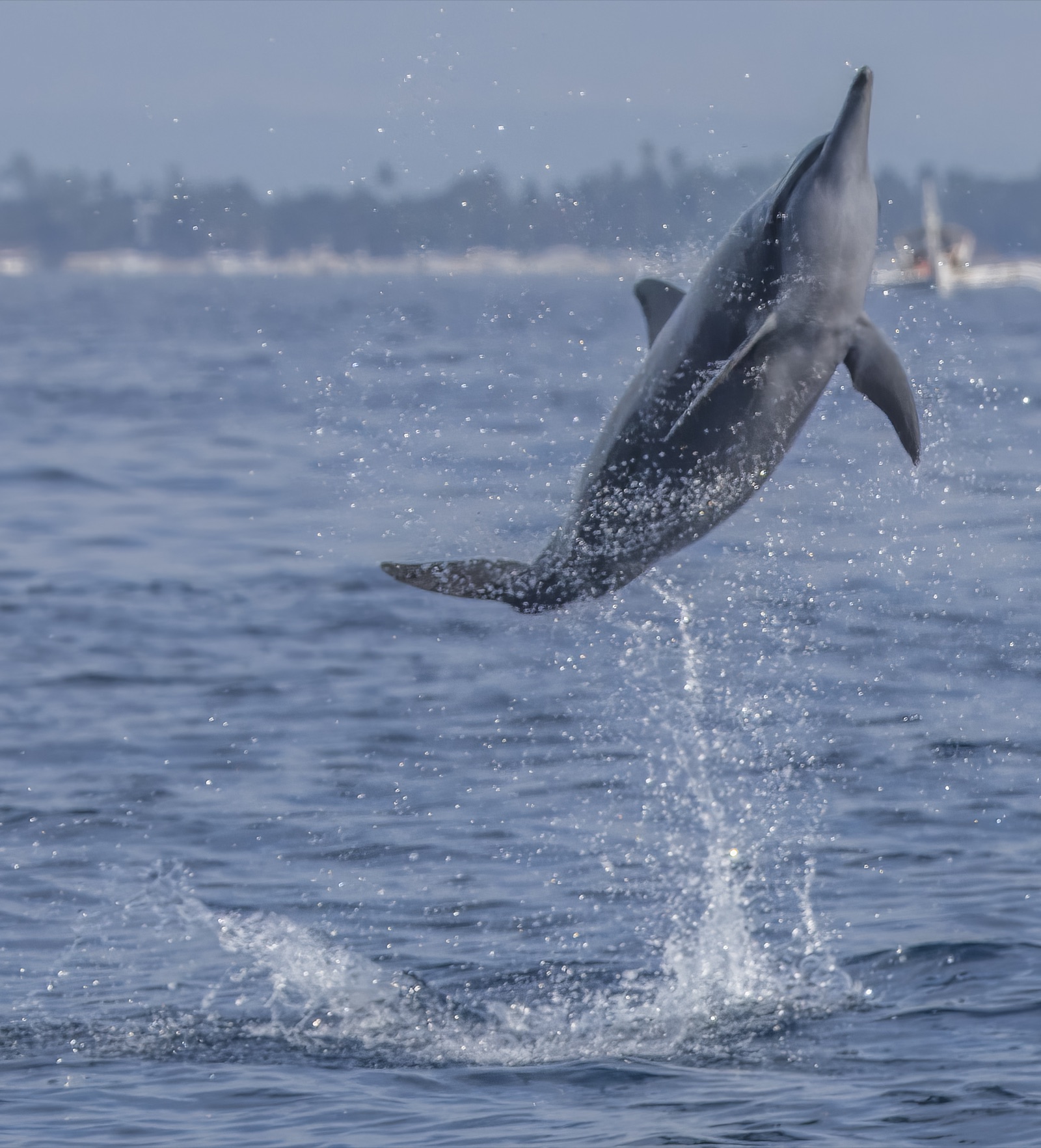
Spinner Dolphin
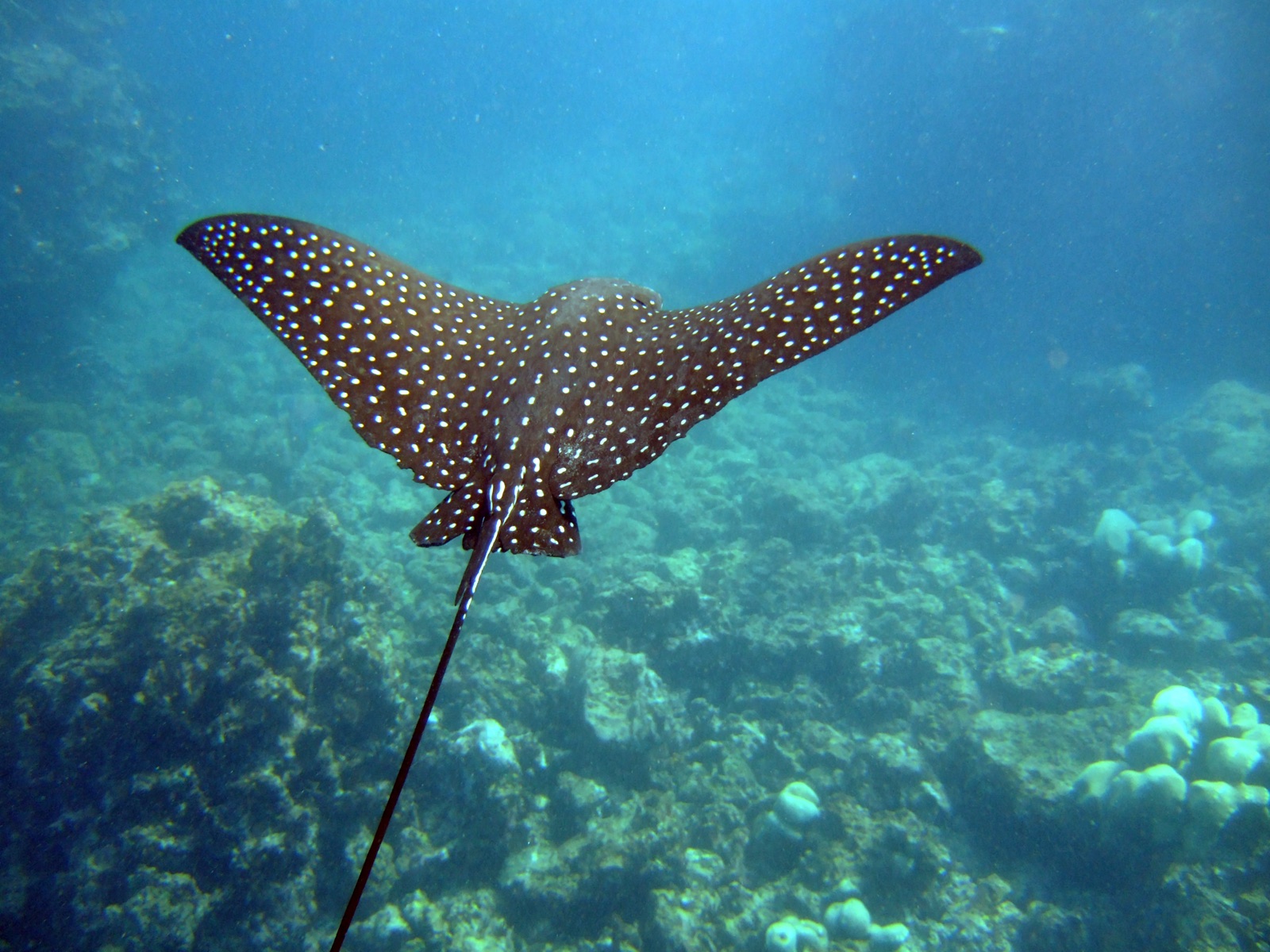
Spotted Eagle Ray
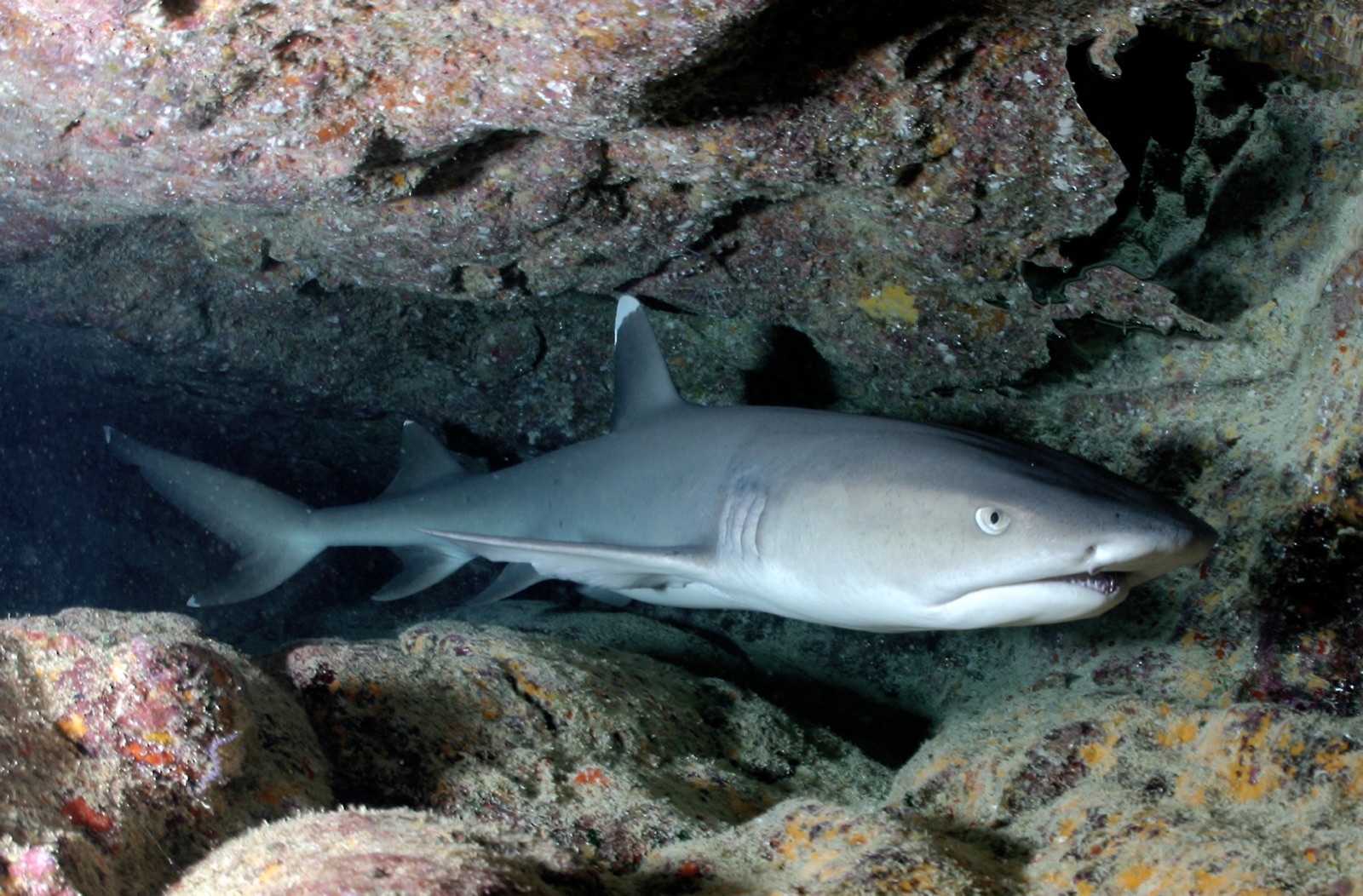
Whitetip Reef Shark
Las especies "aquí registradas" fueron añadidas por nuestros editores a partir de las fuentes de esta página. Los recuentos son registros de ocurrencia de GBIF: observaciones anotadas en un radio de unos 5 km de la posición registrada desde 1990, cotejadas únicamente con las especies de nuestro catálogo. Muestran lo que se ha avistado allí, no una garantía de lo que verás.
Para fotógrafos
Gran angular: ★★★★☆ · Macro: ★☆☆☆☆ (valoración de 1 a 5 de los editores sobre lo que ofrece este sitio para cada estilo de fotografía)