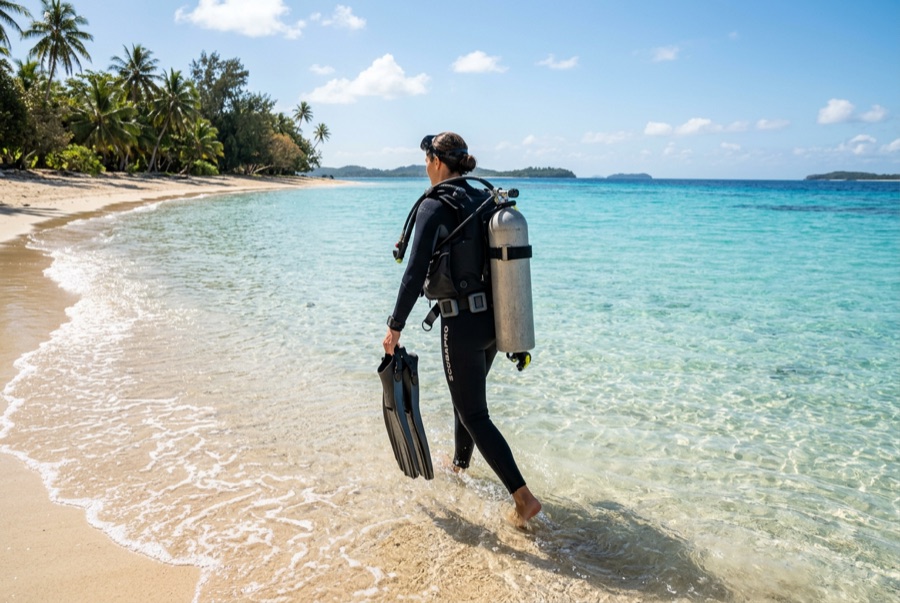
Sakatia Turtle Grounds
Die Tiefe gibt den Bereich von der Oberkante des Tauchplatzes bis zur üblichen Maximaltiefe an; „empfohlene Zertifizierung" ist das von Anbietern üblicherweise geforderte Mainstream-Agenturniveau – keine gesetzliche Vorschrift. Strömungen und Sichtweite ändern sich täglich – behandle alle Angaben hier als Planungsbereiche.
Off Sakatia's shore, a seagrass meadow supports one of the western Indian Ocean's easiest big-turtle encounters. Green turtles, including seriously large adults, graze the grass in a few meters of water, so habituated to respectful snorkelers that they carry on cropping while you hang above, listening to the rasp of beak on blade. Hawksbills patrol the patch reefs at the meadow's edge, batfish and juvenile reef fish shelter in the shallows, and the whole thing works from a beach entry. Guides enforce the obvious rules: no touching, no riding, no blocking a turtle's path to the surface.
Der Moment, für den du kommst: Large grazing green turtles at snorkel depth, meters from shore
Topografie: Seagrass meadow over sand off Nosy Sakatia, fringed by patch coral
Strömung: Shallow seagrass flat in Sakatia's lee; tide sets the working depth more than current does.
Was du wissen solltest, bevor du ins Wasser gehst
Gefahren: Sunburn and boat traffic in the channel; watch the tide over the shallowest grass.
Naturschutz: Seagrass is the turtles' pantry: stand nowhere, fin gently, and keep the meadow intact.
Wen du triffst
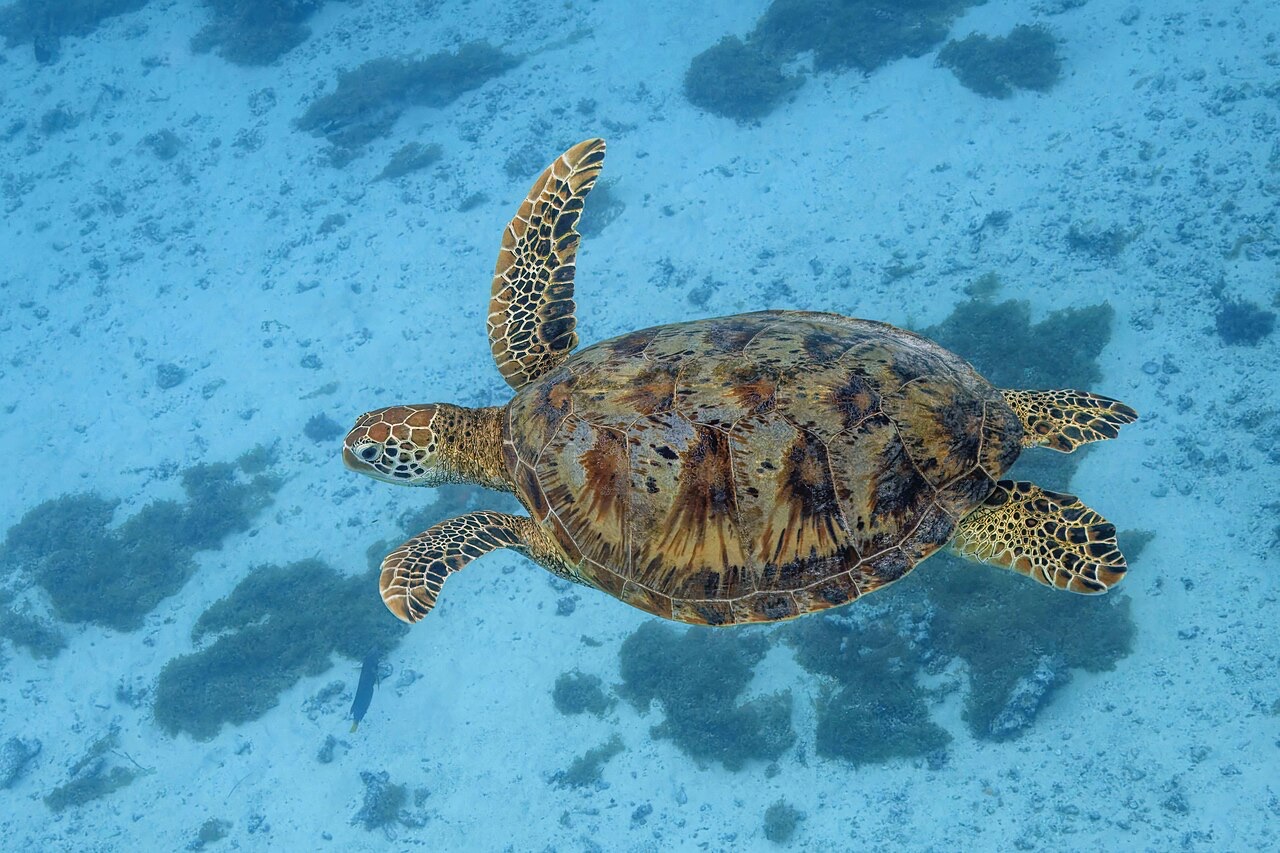
Green Sea Turtle
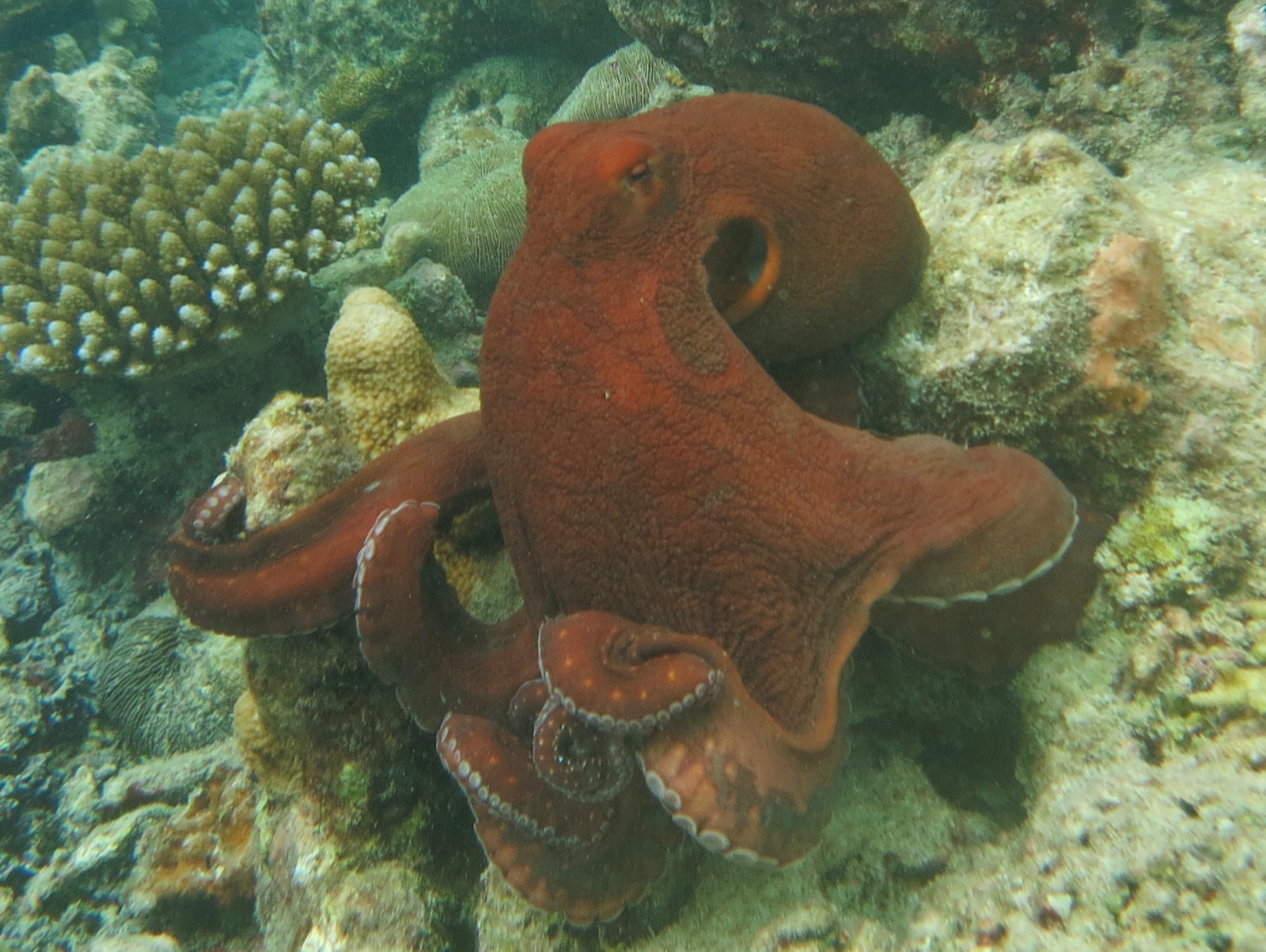
Common Reef (Day) Octopus
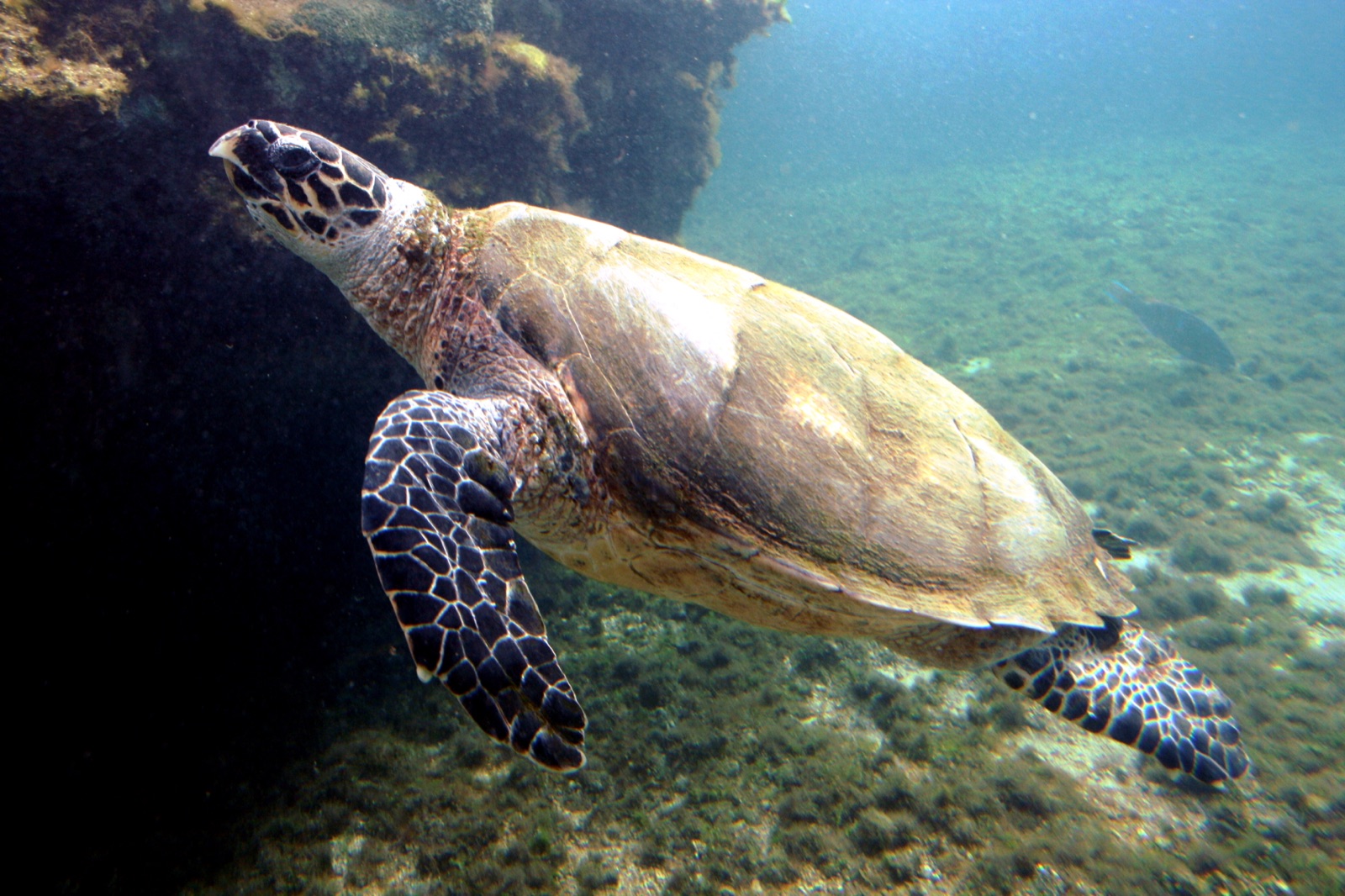
Hawksbill Turtle
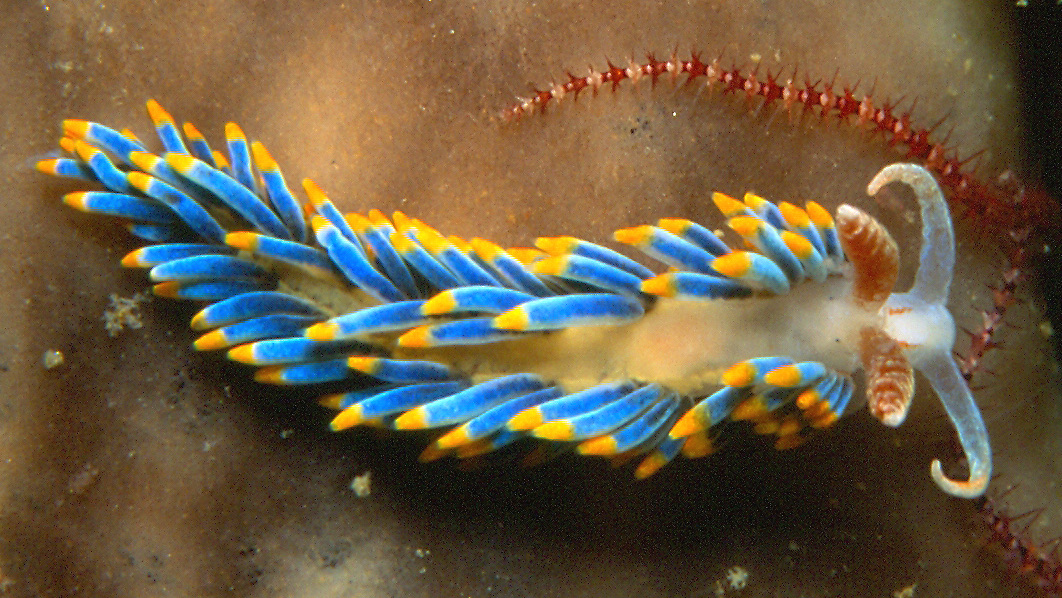
Nudibranchs
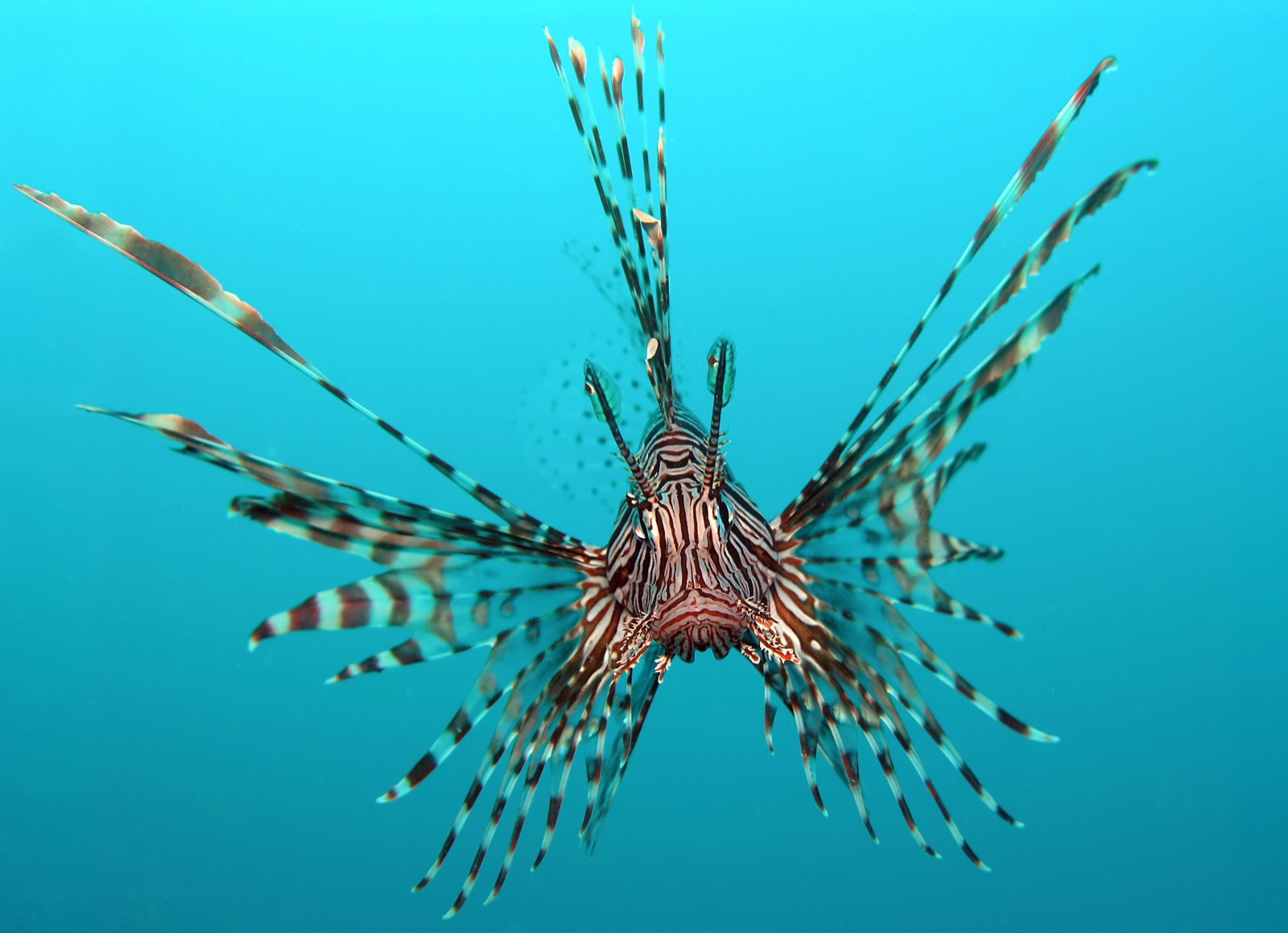
Lionfish
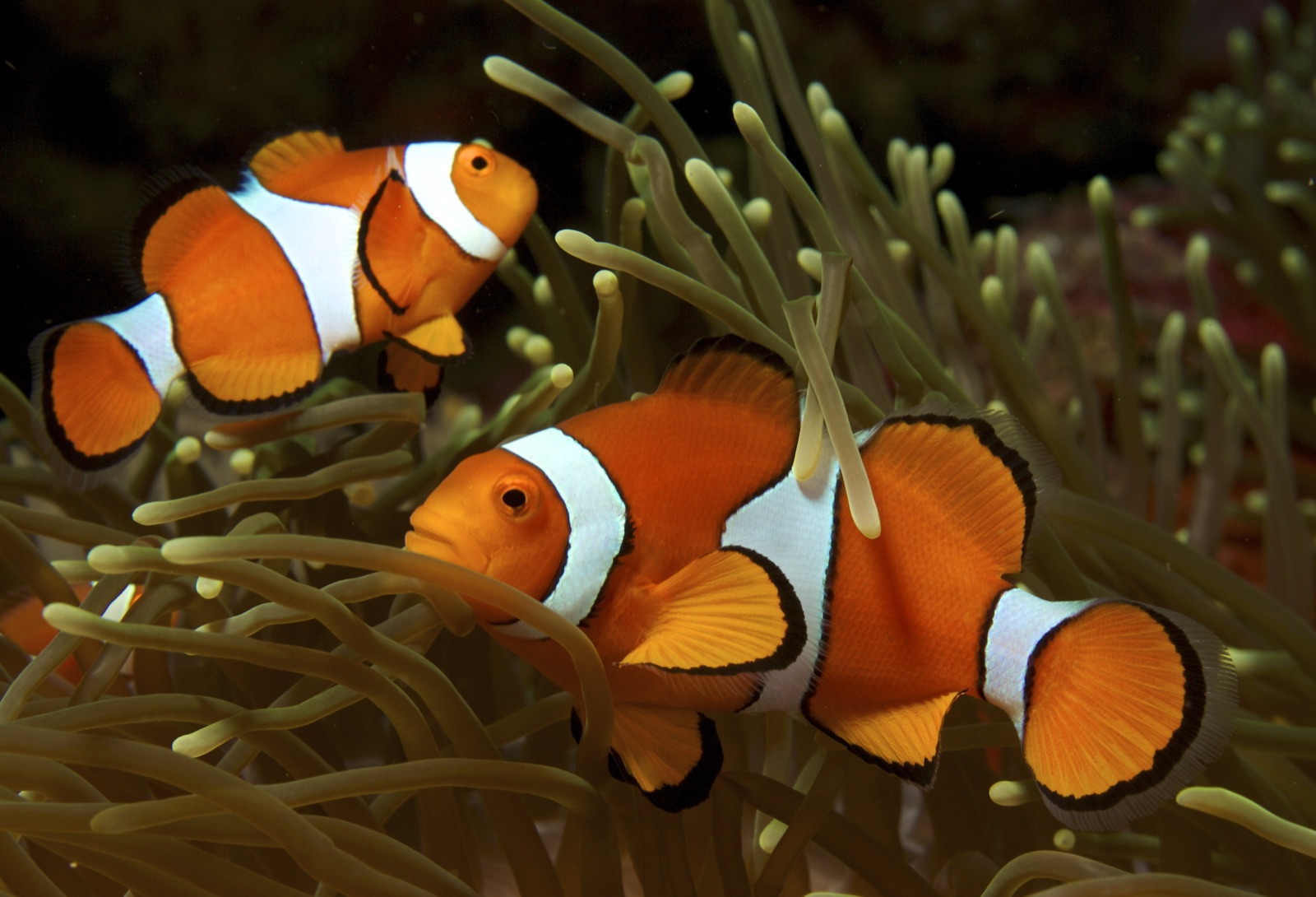
Clownfish & Anemonefish
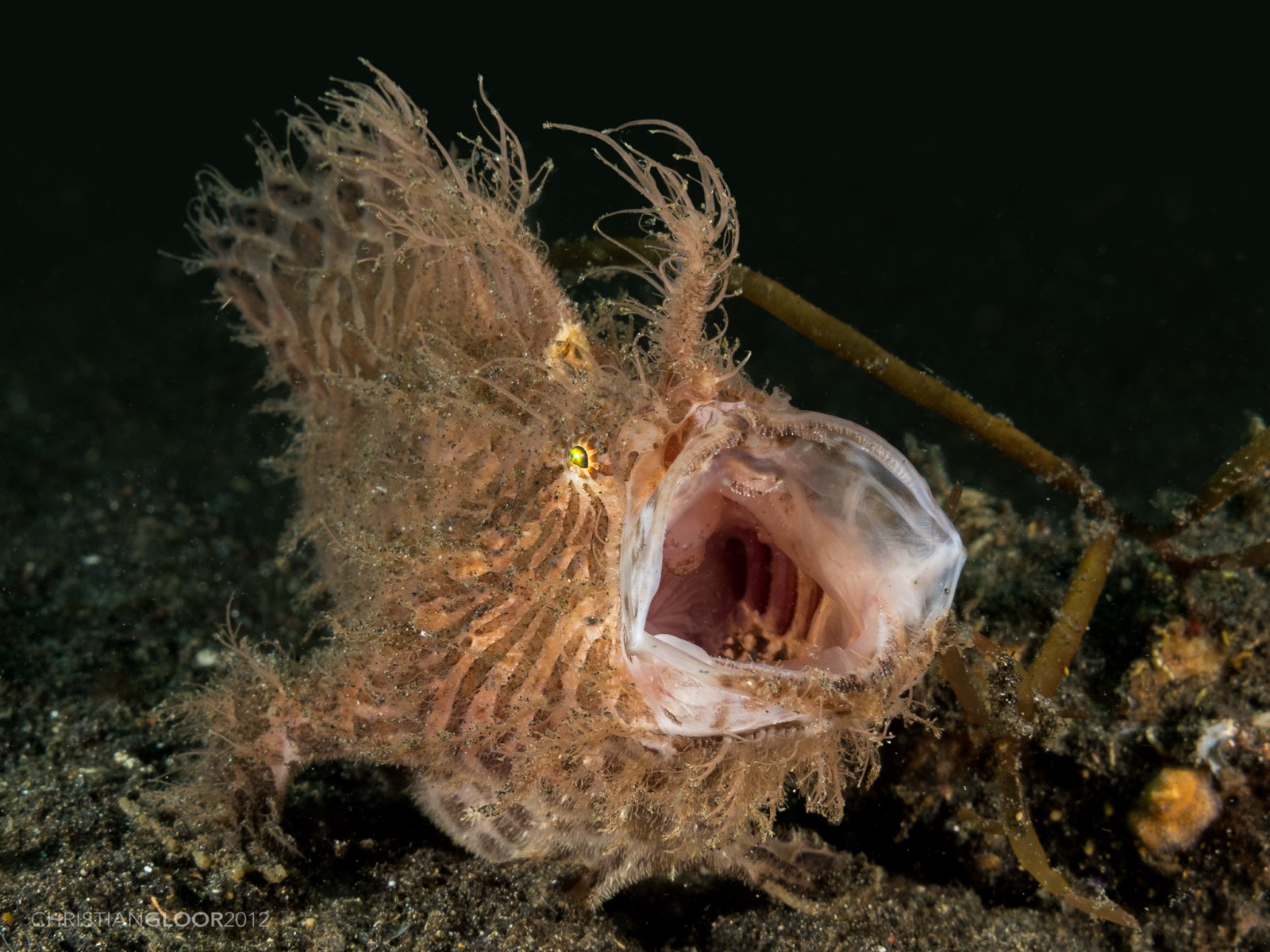
Frogfish
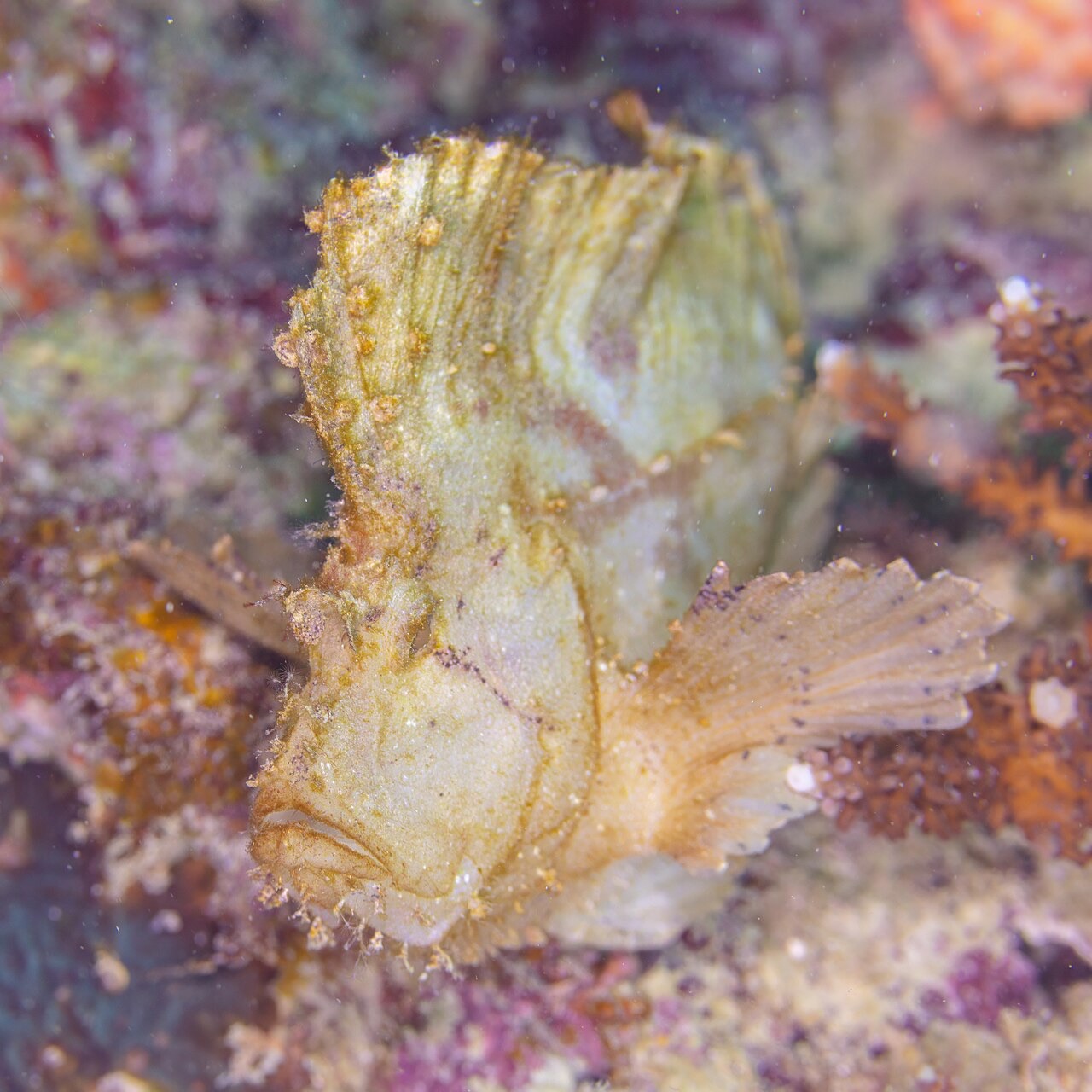
Leaf Scorpionfish
Auch in der Nähe nachgewiesen
„Hier kartiert" – Arten wurden von unseren Redakteuren anhand der Quellen auf dieser Seite erfasst. Die Zahlen sind GBIF-Vorkommensdatensätze: Beobachtungen, die seit 1990 im Umkreis von etwa 5 km um die kartierte Position protokolliert wurden, ausschließlich abgeglichen mit den Arten in unserem Katalog. Sie zeigen, was dort gesichtet wurde – keine Garantie, was du sehen wirst.
Für Fotografen
Weitwinkel: ★★★★☆ · Makro: ★★☆☆☆ (Redaktionelle 1–5-Bewertung, was dieser Platz für jeden Fotografie-Stil bietet)