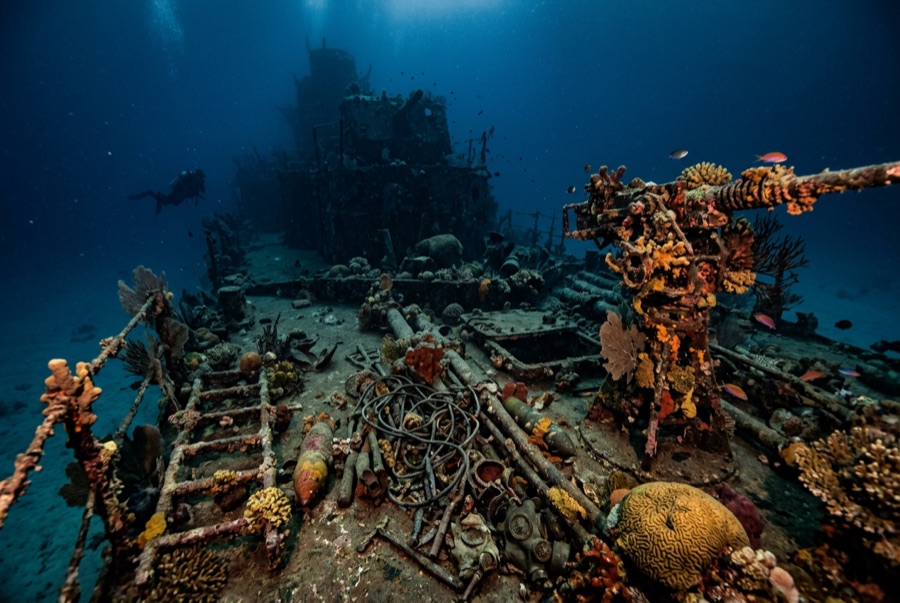
Iro Maru
La profondeur correspond à la plage allant du sommet du site jusqu'à son maximum habituel ; le « niveau recommandé » est le niveau demandé en général par les opérateurs auprès des grandes agences, pas une règle légale. Les courants et la visibilité varient chaque jour, traitez donc tout cela comme des plages indicatives de planification.
The Iro was a Japanese navy fleet oiler, torpedoed by an American submarine on the run in to Palau and then finished at anchor when carrier aircraft swept the lagoon at the end of March 1944. She sits upright, enormous and dignified, her bow gun still trained at nothing, kingposts rising toward the light and furred in black coral and soft corals. Most tours circle the deck at 22–28 m (winches, fuel piping, and the huge gun platforms), while the engine spaces reward properly trained penetration teams. Lagoon visibility is moderate, which if anything improves the atmosphere.
Le moment pour lequel vous venez: The coral-clad bow gun; kingposts silhouetted overhead; big morays and batfish patrolling the superstructure.
Topographie: Upright hull on a silty lagoon floor at roughly 36–40 m
Entrée: Moored dive in sheltered lagoon water near Koror; descend the line to the kingposts.
À savoir avant de plonger
Dangers: Depth and lagoon silt; residual oil and munitions in closed spaces; penetration only with wreck training and lights.
Conservation: A protected historic wreck of a violent chapter: artifact removal is illegal, and the site deserves quiet respect.
Nitrox: Pertinent ici : les profils se situent dans la plage où le nitrox prolonge significativement le temps sans palier (avec la formation pour l'utiliser).
Qui vous croiserez
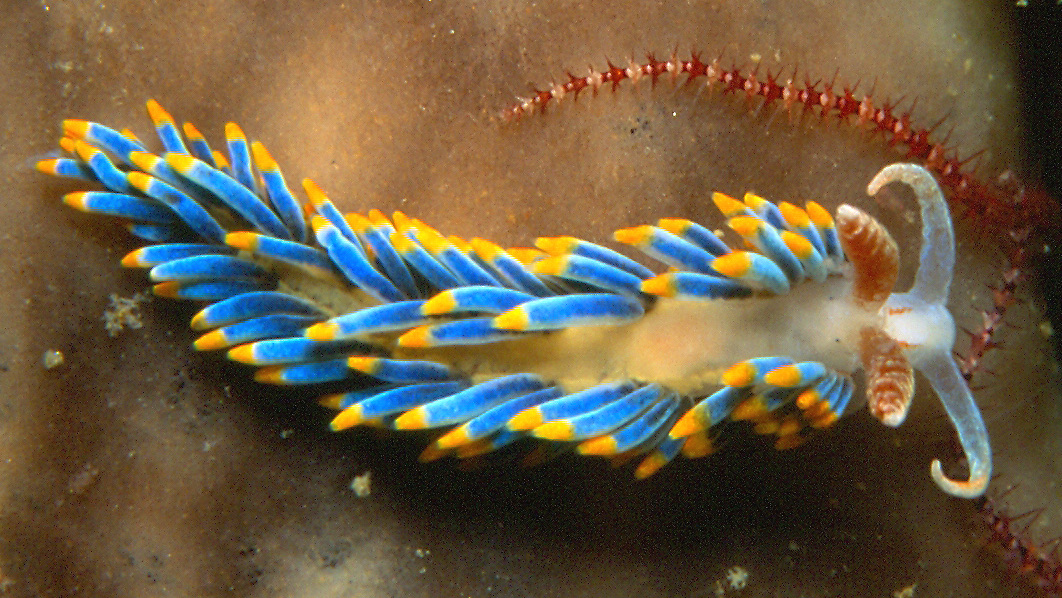
Nudibranchs
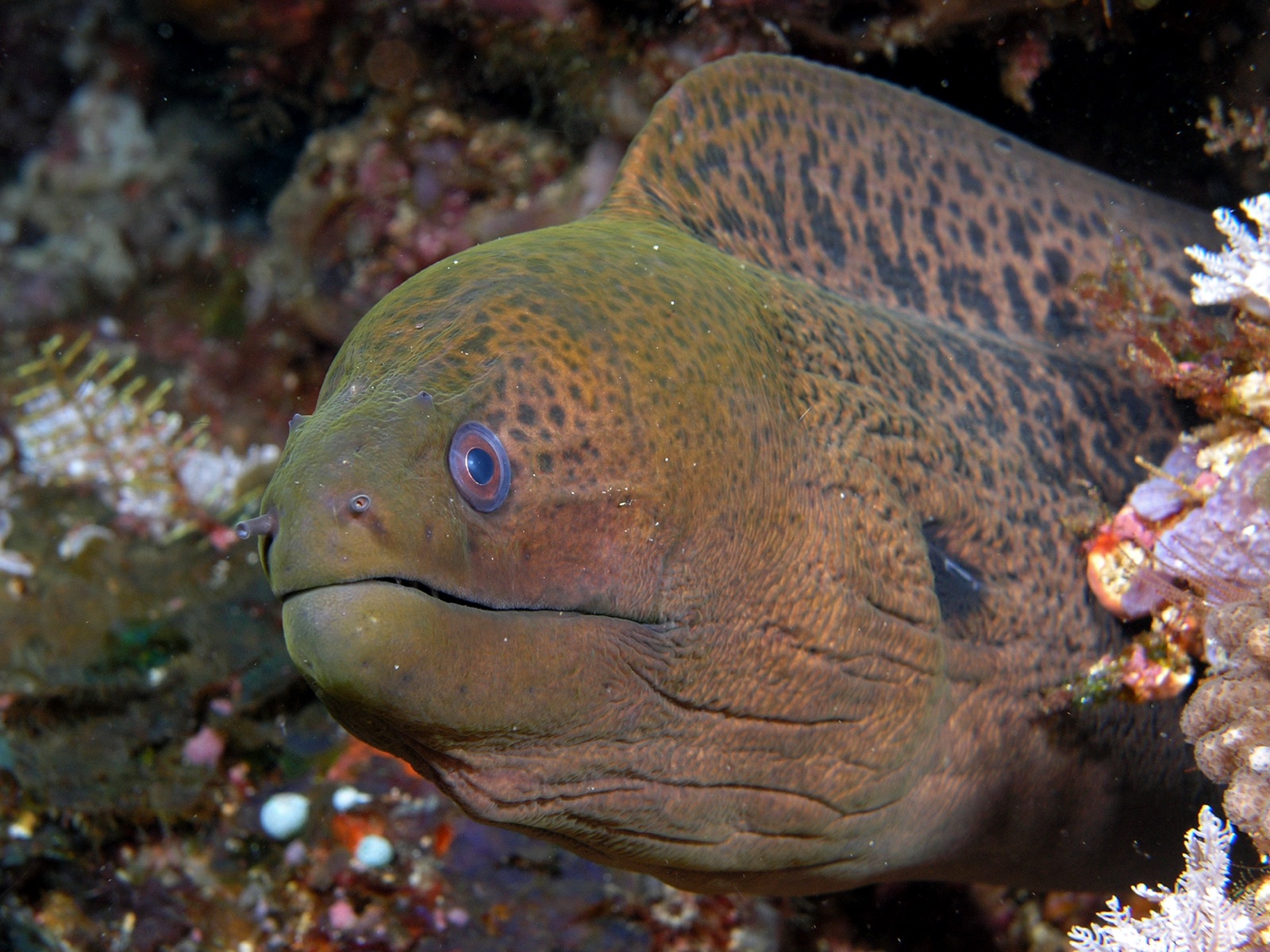
Giant Moray Eel
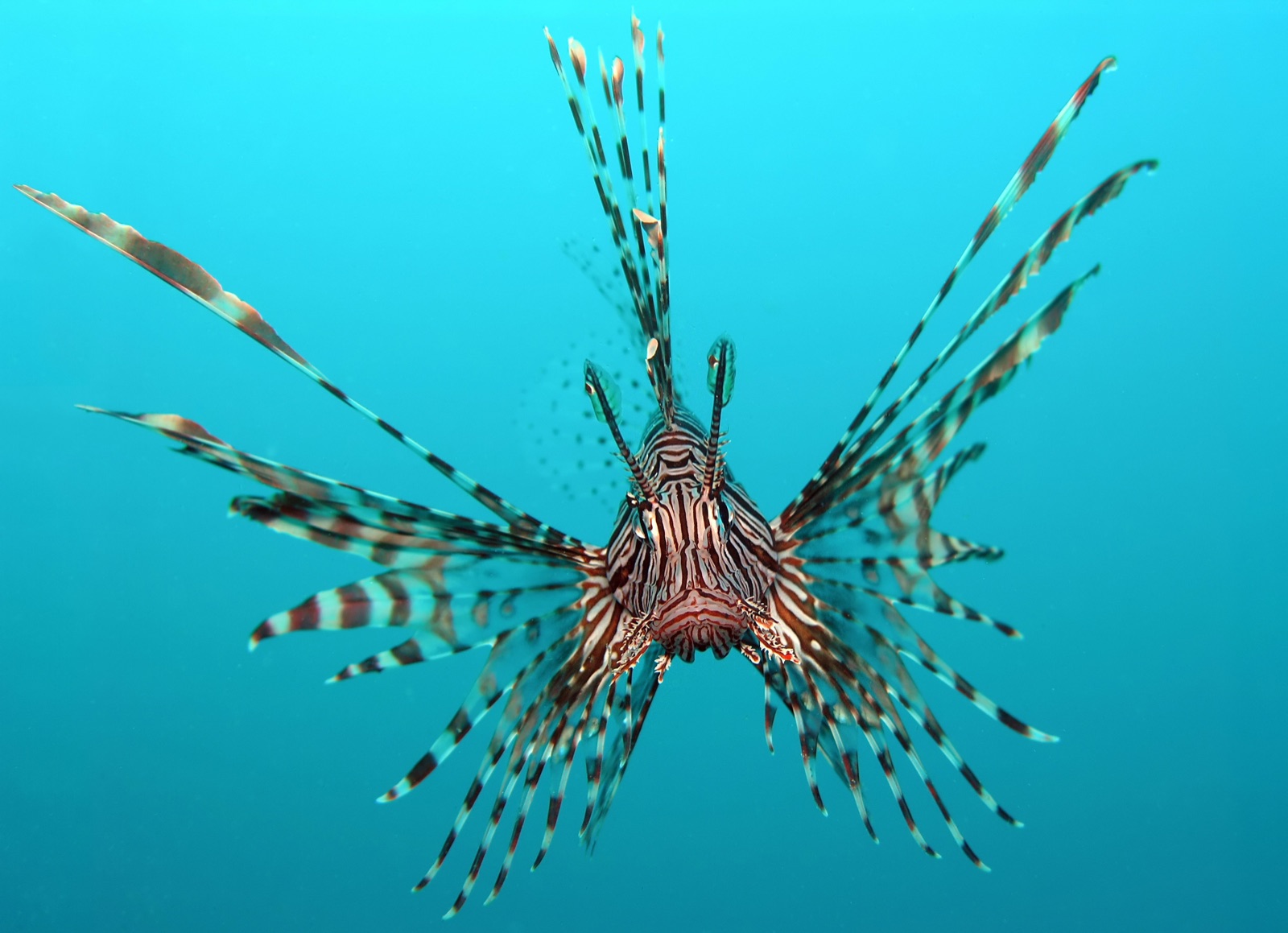
Lionfish
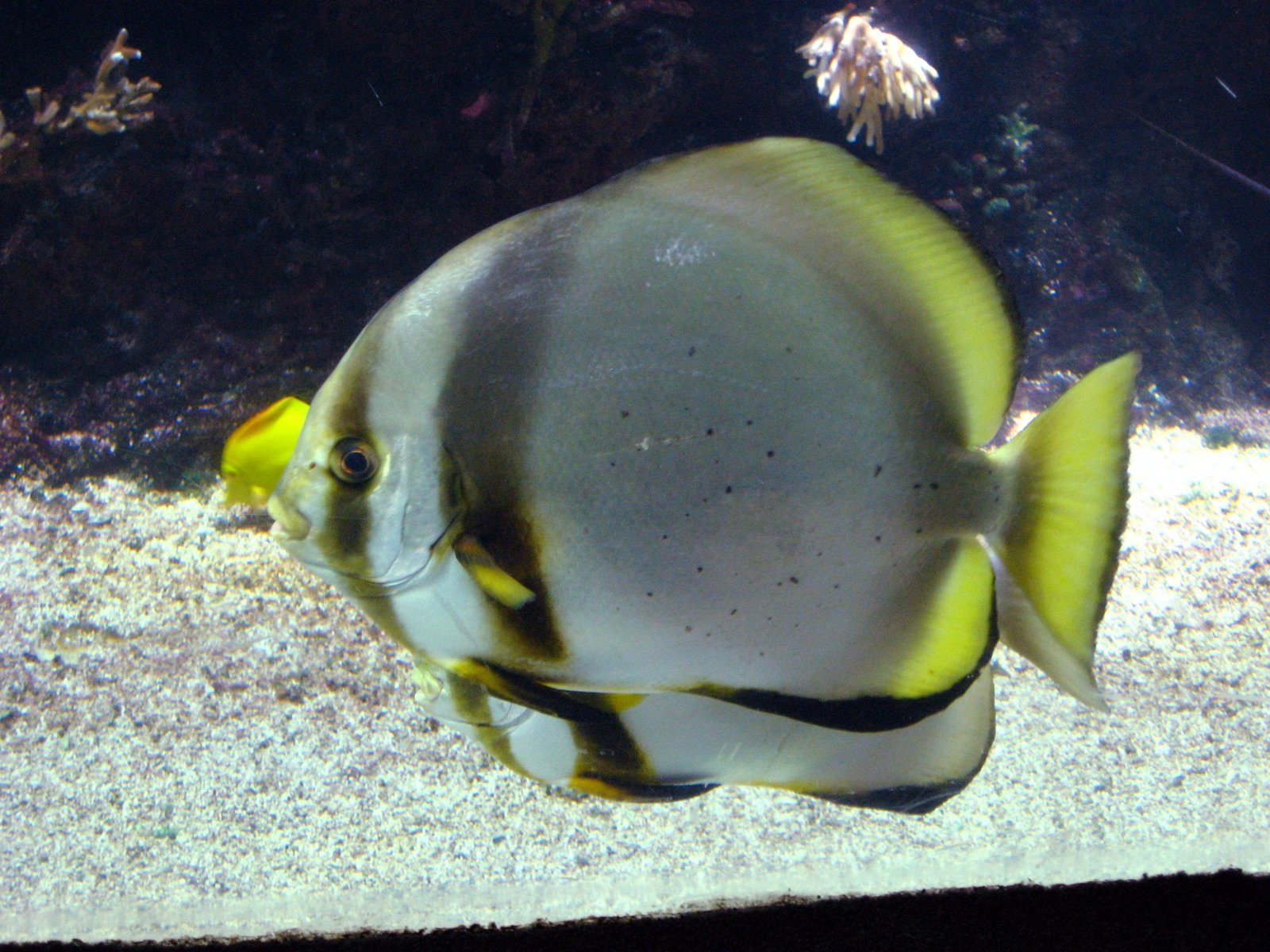
Pinnate Batfish
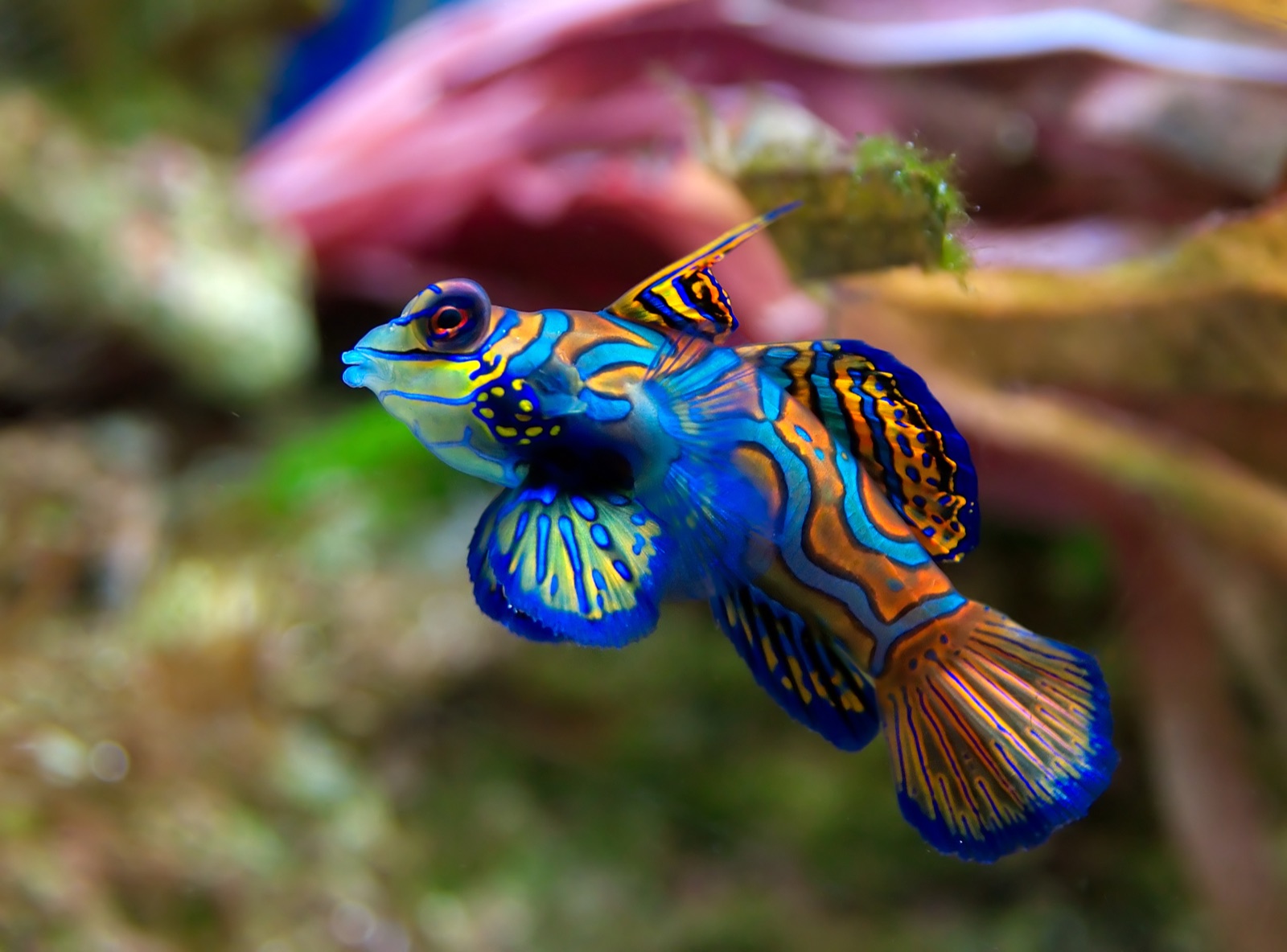
Mandarinfish
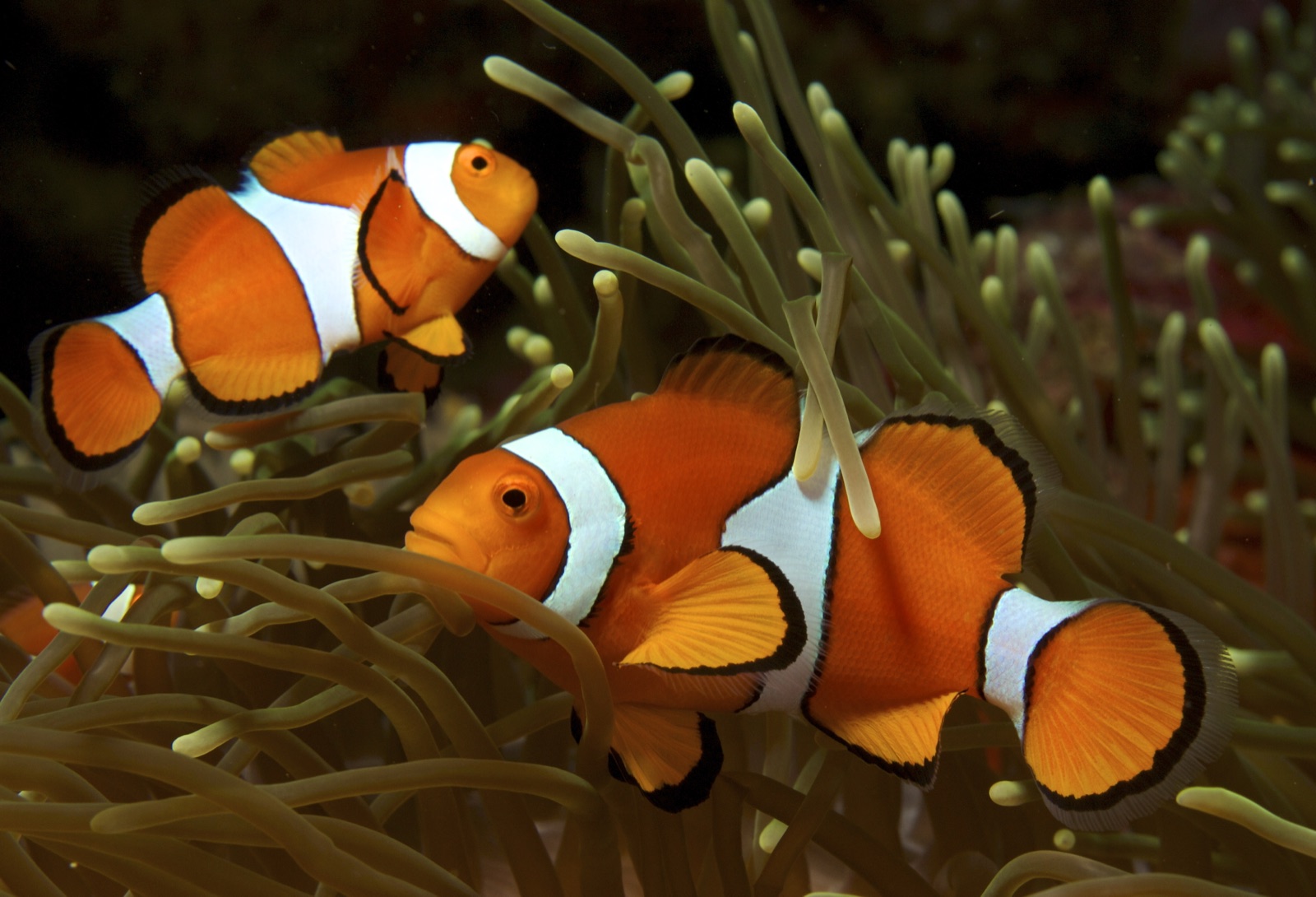
Clownfish & Anemonefish
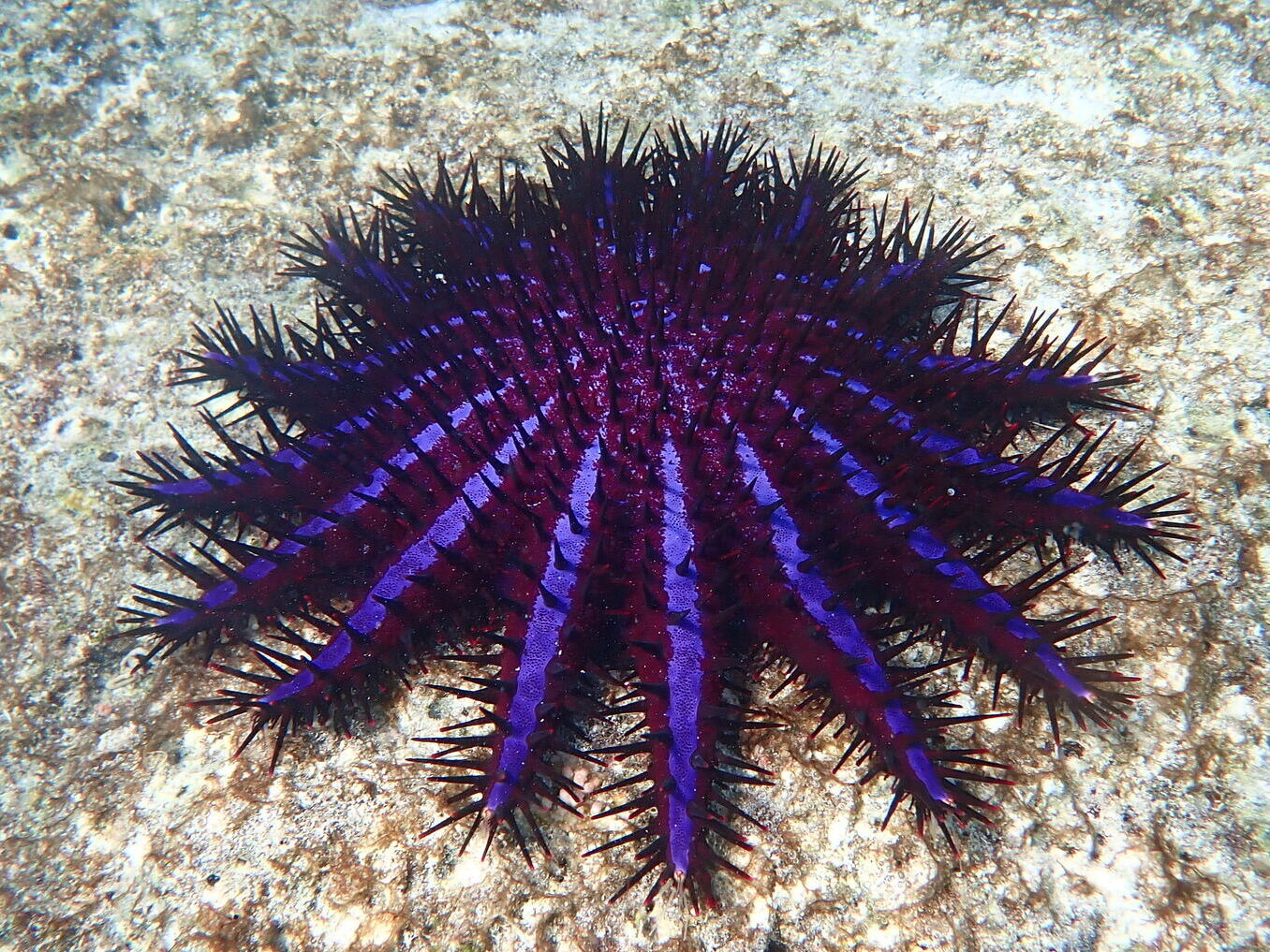
Crown-of-Thorns Starfish
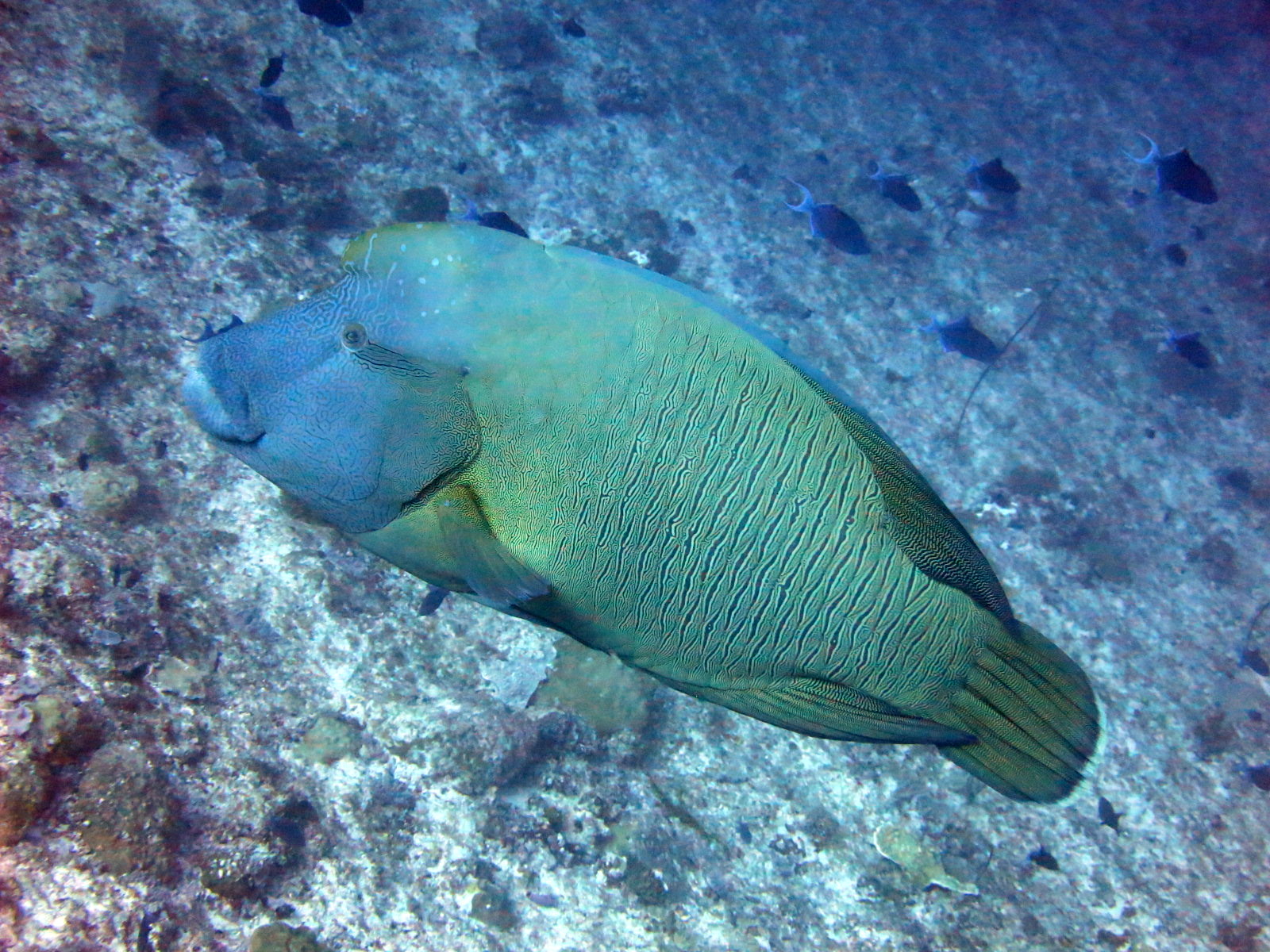
Napoleon (Humphead) Wrasse
Également observé à proximité
Les espèces « cartographiées ici » ont été répertoriées par nos éditeurs à partir des sources indiquées sur cette page. Les comptages correspondent aux occurrences GBIF : observations enregistrées dans un rayon d'environ 5 km autour de la position cartographiée depuis 1990, comparées uniquement aux espèces de notre catalogue. Ils indiquent ce qui a été observé à cet endroit, sans garantir ce que vous y verrez.
Pour les photographes
Grand angle: ★★★★☆ · Macro: ★★★☆☆ (note 1–5 des éditeurs sur ce que ce site offre à chaque style de prise de vue)