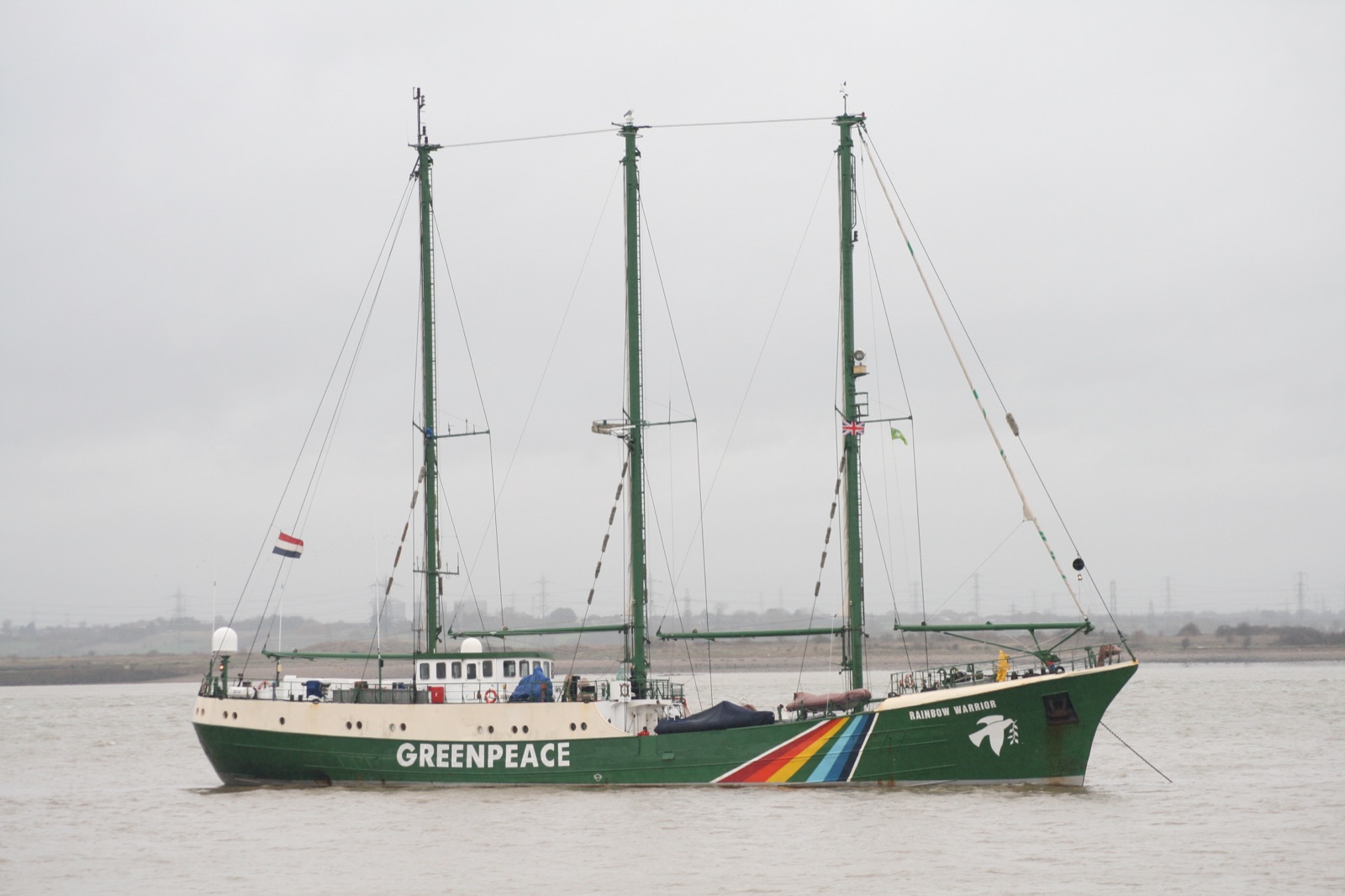
Rainbow Warrior
La profondeur correspond à la plage allant du sommet du site jusqu'à son maximum habituel ; le « niveau recommandé » est le niveau demandé en général par les opérateurs auprès des grandes agences, pas une règle légale. Les courants et la visibilité varient chaque jour, traitez donc tout cela comme des plages indicatives de planification.
The Rainbow Warrior was bombed by French intelligence agents in Auckland Harbour on 10 July 1985, killing photographer Fernando Pereira as Greenpeace prepared to protest nuclear testing at Moruroa. Two years later the ship was scuttled off Matauri Bay as a living memorial, watched over by a monument on the headland above. The sea has kept its side of the bargain: the hull is sleeved in jewel anemones in pinks and violets, schools of golden snapper and demoiselles drift through the masts' absence, and morays occupy the seams. It is dived as a reef, a piece of history, and a memorial to a man and a cause, in that unhurried Northland green-blue light.
Le moment pour lequel vous venez: Jewel-anemone-covered hull, a pivotal moment of protest history, memorial headland above the bay
Topographie: Sand at about 28 m with the 40 m former Greenpeace flagship sitting upright
Courant: Usually gentle; visibility swings with recent weather more than current.
Entrée: The wreck lies off Matauri Bay in the Cavalli Islands, north of the Poor Knights; Northland operators run it as a dedicated trip or a pairing with the reserve.
À savoir avant de plonger
Dangers: Depth for newer divers and aging structure; penetration is for the trained and is often unnecessary anyway.
Conservation: A memorial site: dive with respect, take nothing, and leave the structure untouched.
Nitrox: Pertinent ici : les profils se situent dans la plage où le nitrox prolonge significativement le temps sans palier (avec la formation pour l'utiliser).
Qui vous croiserez
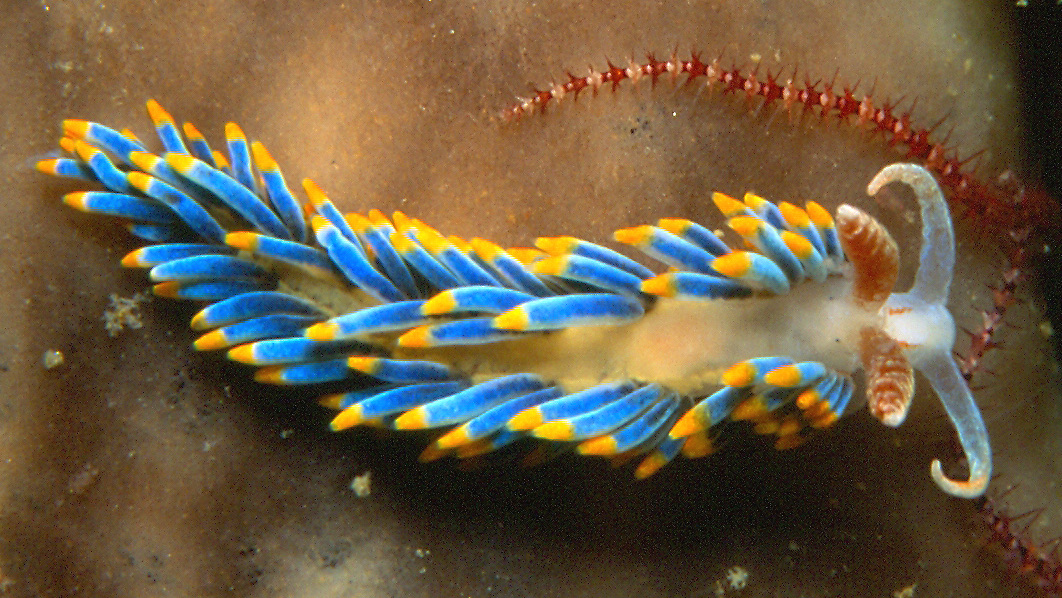
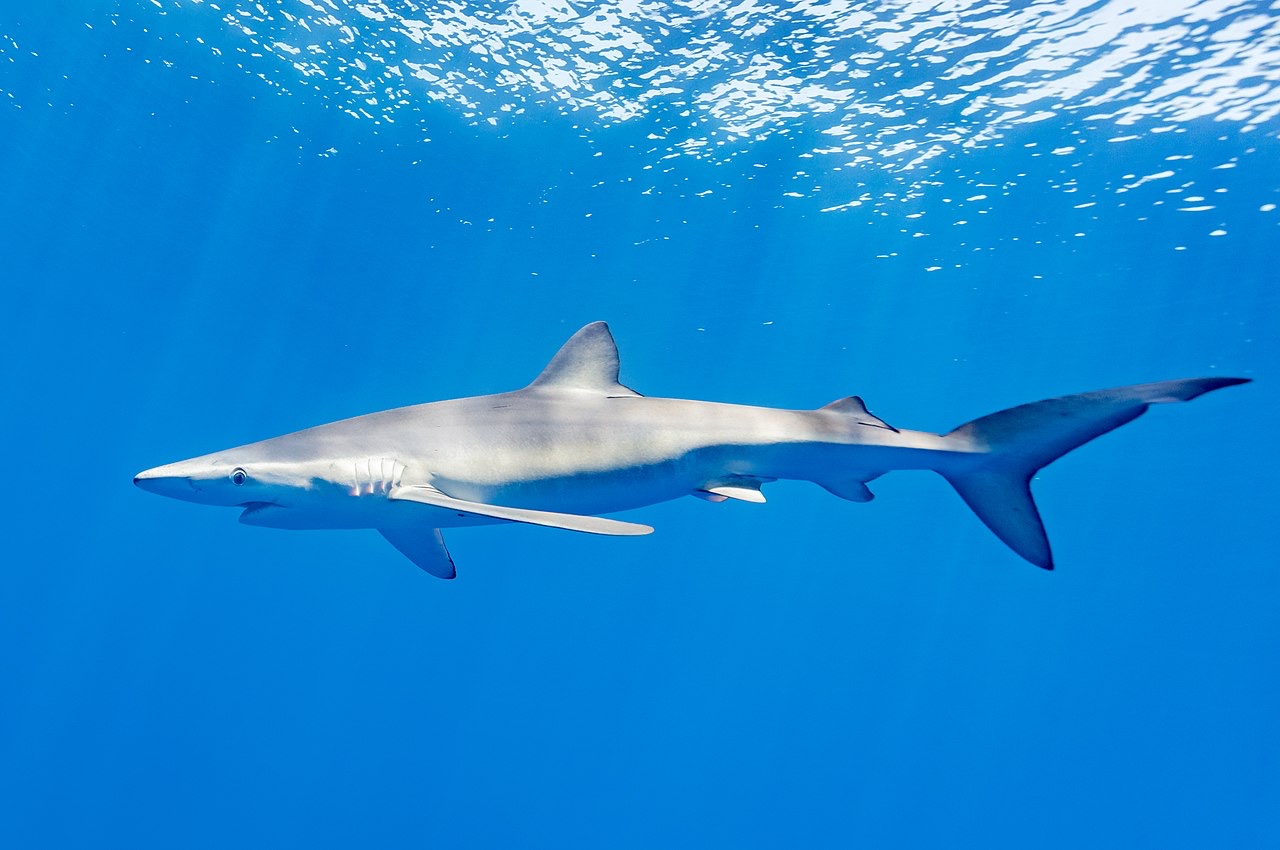
Les espèces « cartographiées ici » ont été répertoriées par nos éditeurs à partir des sources indiquées sur cette page. Les comptages correspondent aux occurrences GBIF : observations enregistrées dans un rayon d'environ 5 km autour de la position cartographiée depuis 1990, comparées uniquement aux espèces de notre catalogue. Ils indiquent ce qui a été observé à cet endroit, sans garantir ce que vous y verrez.
Pour les photographes
Grand angle: ★★★★★ · Macro: ★★★★☆ (note 1–5 des éditeurs sur ce que ce site offre à chaque style de prise de vue)