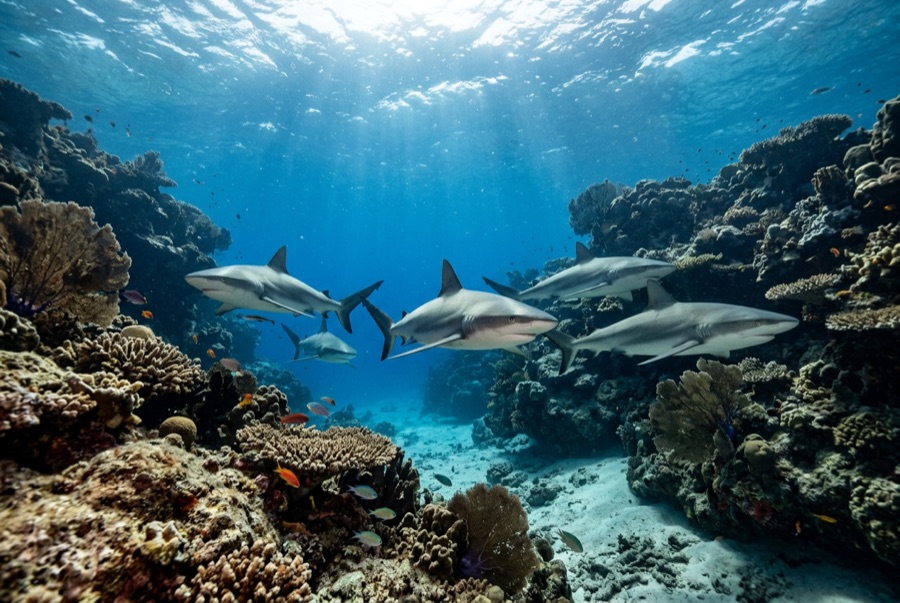
Avatoru Pass
La profondeur correspond à la plage allant du sommet du site jusqu'à son maximum habituel ; le « niveau recommandé » est le niveau demandé en général par les opérateurs auprès des grandes agences, pas une règle légale. Les courants et la visibilité varient chaque jour, traitez donc tout cela comme des plages indicatives de planification.
Avatoru is Rangiroa's second gate and its specialist attraction is a shark most divers meet nowhere else in numbers: the silvertip, thick-bodied and white-edged, patrolling the ocean corners of the pass with proprietary confidence. The dive runs like Tiputa's (drop outside, ride the incoming flow), but the terrain funnels differently, with terraces where whitetips rest and mid-water lanes where the silvertips make their close, assured passes. Manta rays transit the pass in some seasons, and the lagoon fan finishes the drift over bright sand. Boats often alternate the two passes across a day, and divers quickly develop loyalties.
Le moment pour lequel vous venez: Close silvertip shark passes; a fast, clean drift; alternation with Tiputa for a two-pass day.
Topographie: Reef channel with coral terraces and a small motu splitting the lagoon-side outflow
Courant: Slightly gentler than Tiputa on many tides, but still a genuine pass current.
Entrée: Dived on the incoming tide like its neighbor; entries on the ocean side with a drift through or along the pass edges.
À savoir avant de plonger
Dangers: Strong tidal current; surface chop where wind opposes tide; stay with the group for the lagoon pickup.
Conservation: Silvertips are confident by nature: hold your line calmly and let the guide manage close approaches; feeding is prohibited.
Nitrox: Pertinent ici : les profils se situent dans la plage où le nitrox prolonge significativement le temps sans palier (avec la formation pour l'utiliser).
Qui vous croiserez
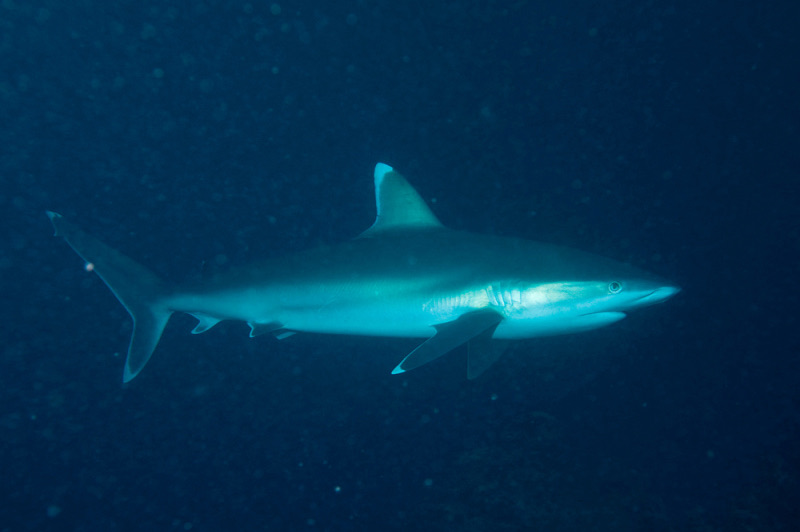
Silvertip Shark
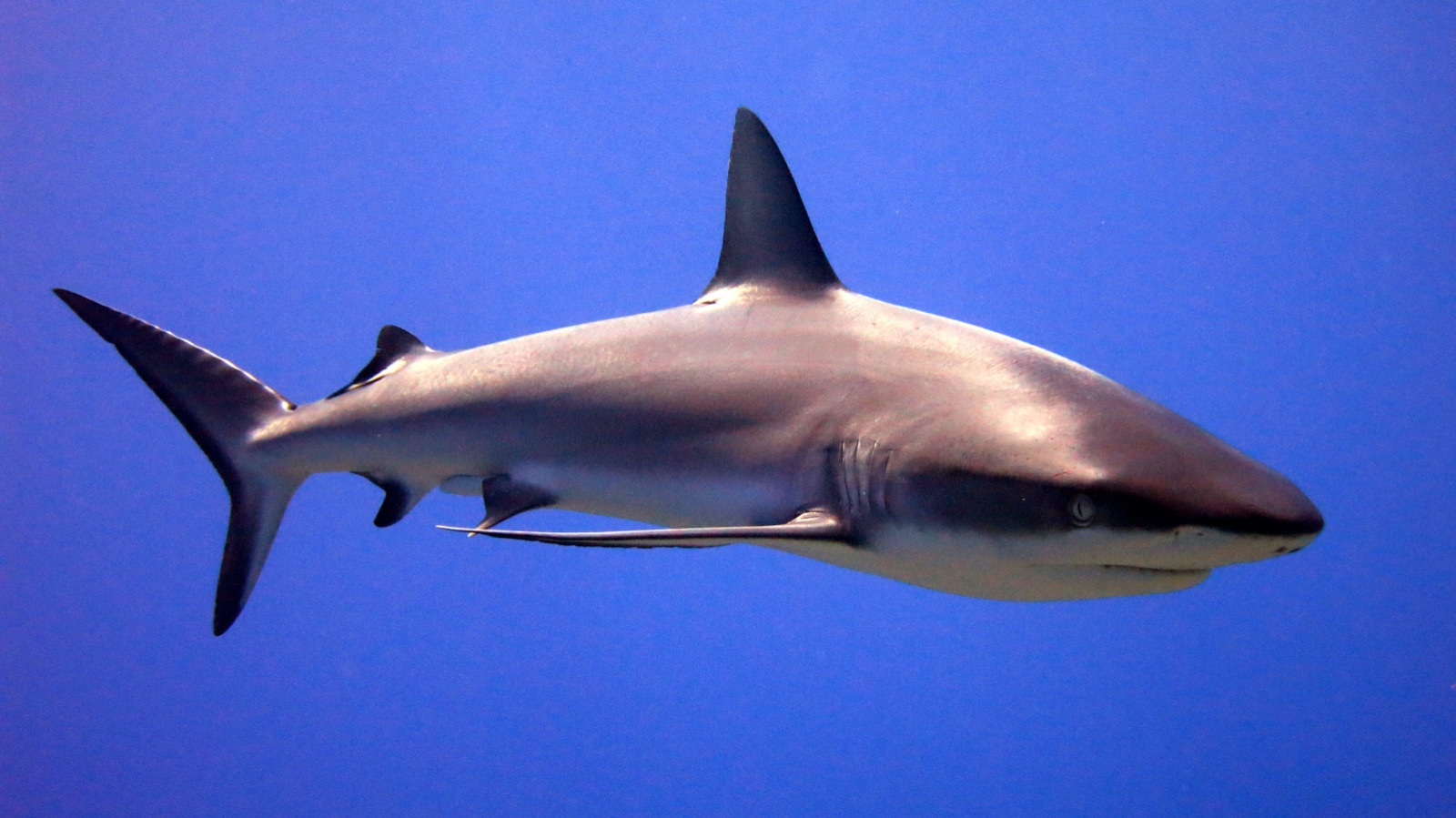
Grey Reef Shark
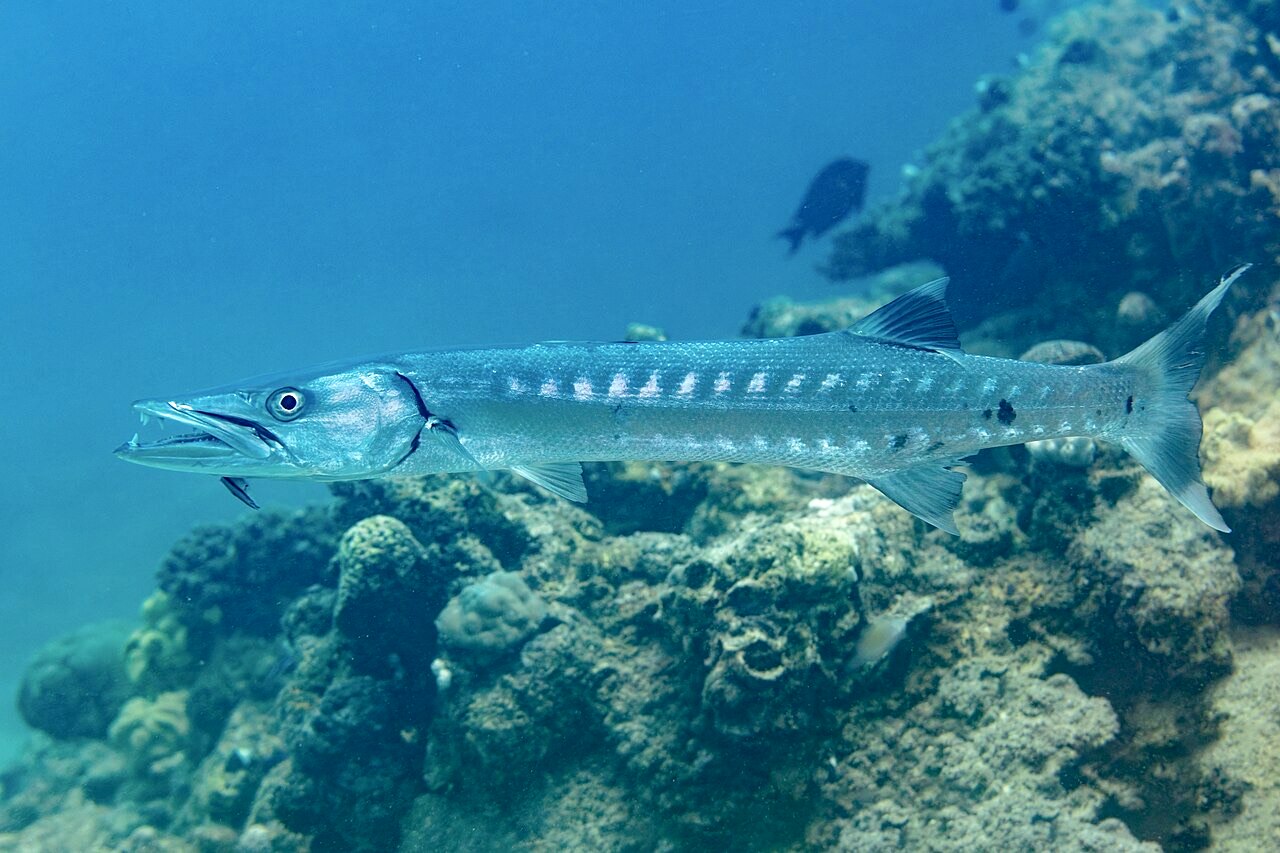
Great Barracuda
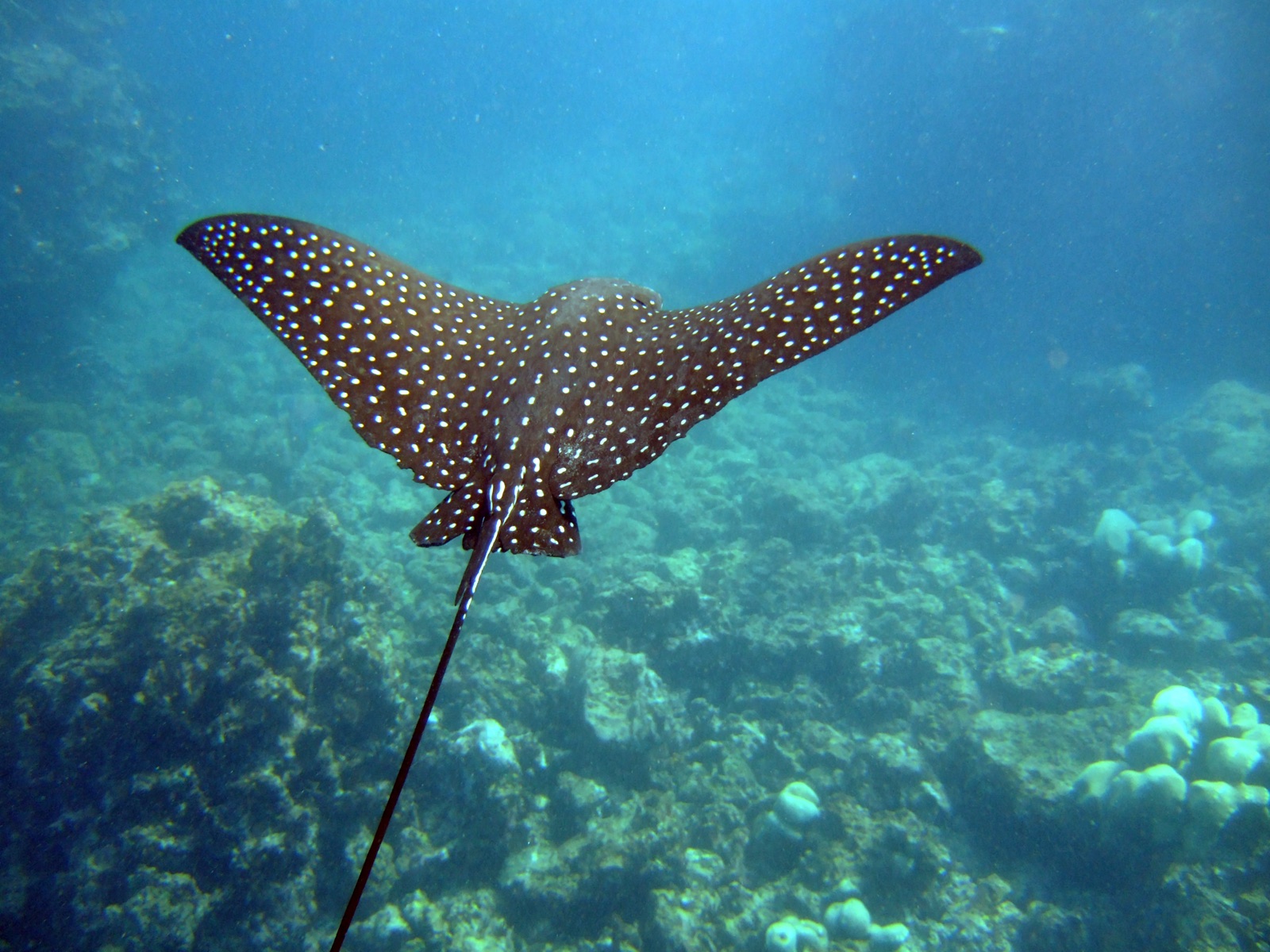
Spotted Eagle Ray
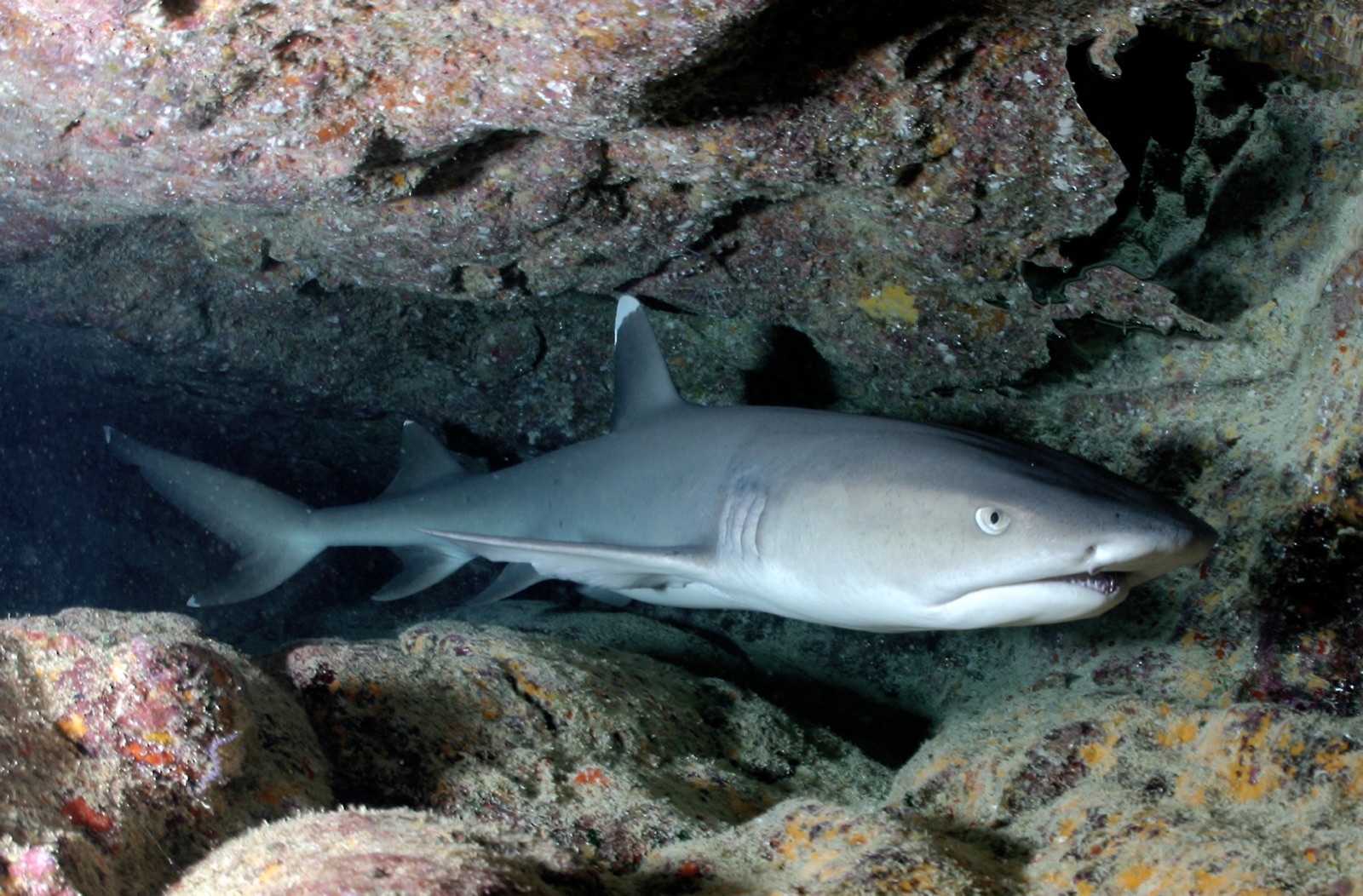
Whitetip Reef Shark
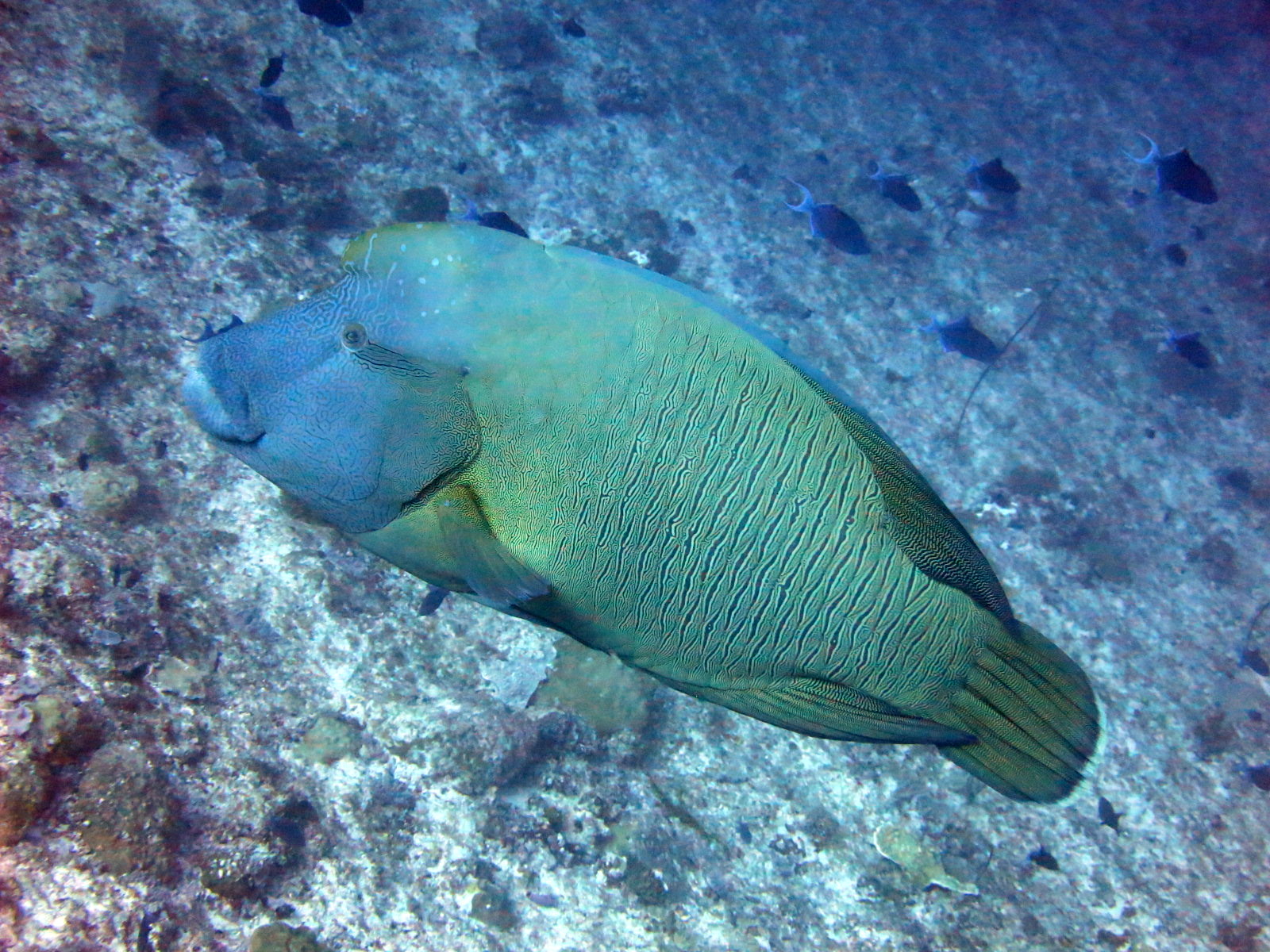
Napoleon (Humphead) Wrasse
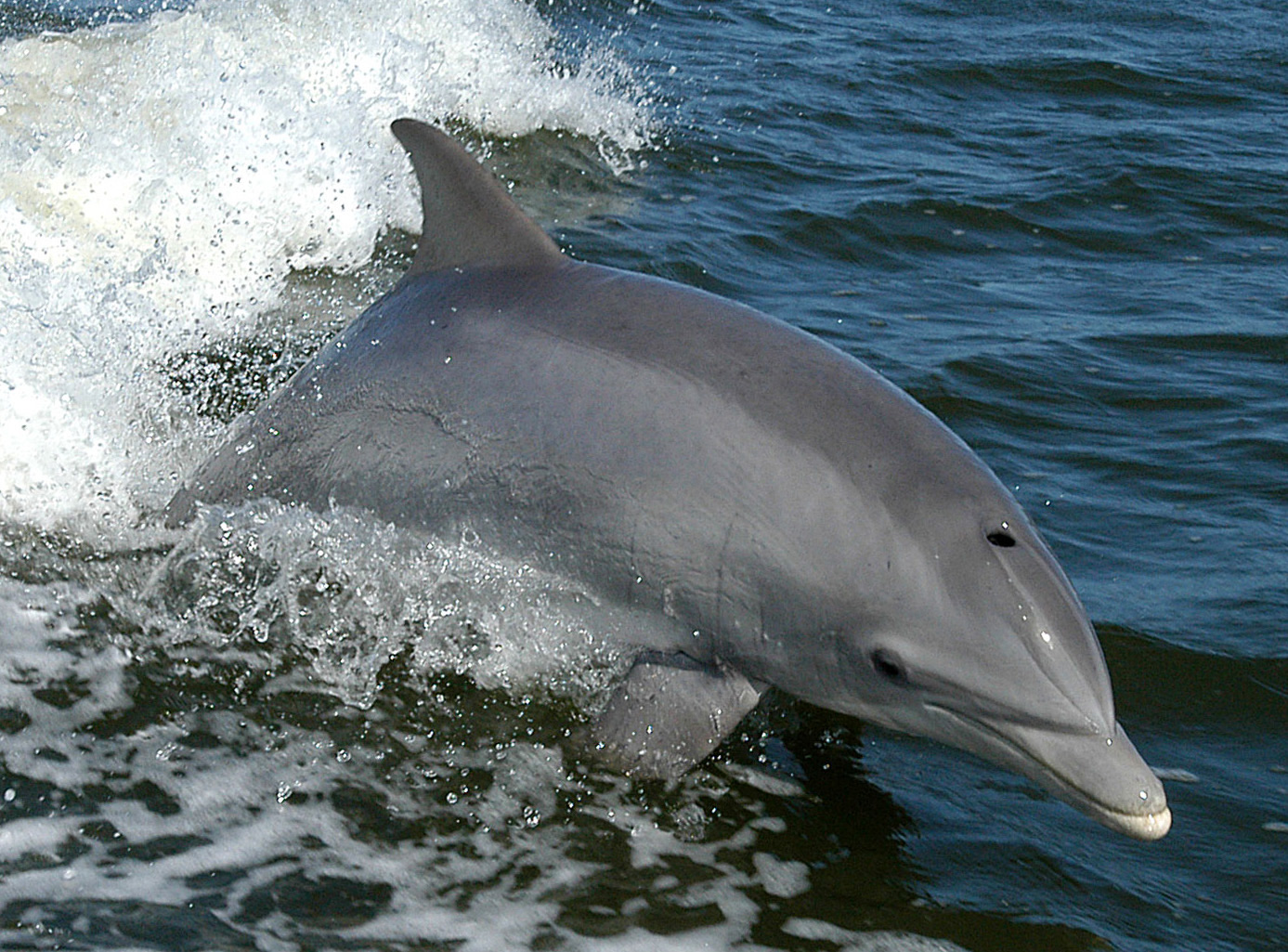
Bottlenose Dolphin
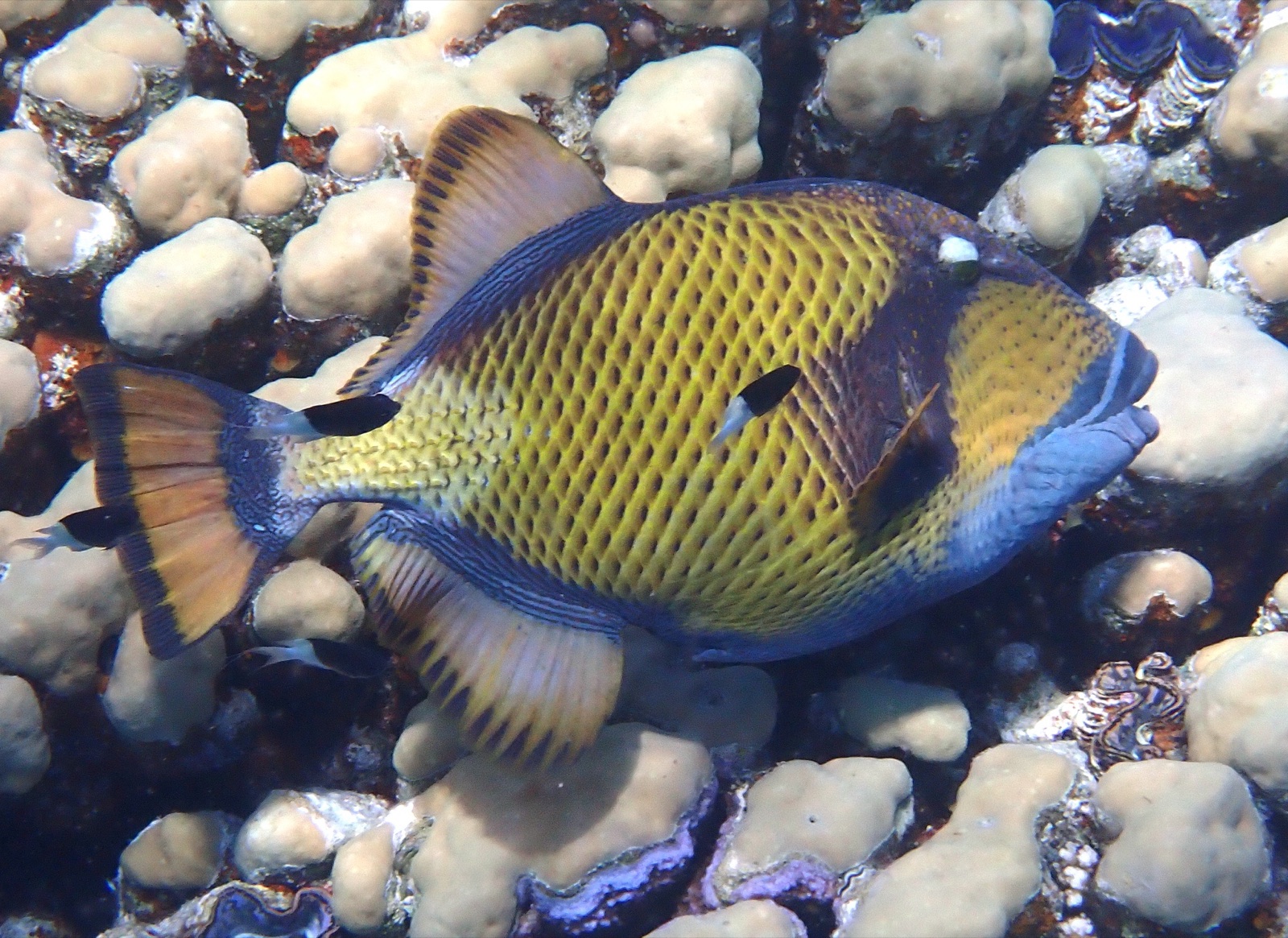
Titan Triggerfish
Également observé à proximité
Les espèces « cartographiées ici » ont été répertoriées par nos éditeurs à partir des sources indiquées sur cette page. Les comptages correspondent aux occurrences GBIF : observations enregistrées dans un rayon d'environ 5 km autour de la position cartographiée depuis 1990, comparées uniquement aux espèces de notre catalogue. Ils indiquent ce qui a été observé à cet endroit, sans garantir ce que vous y verrez.
Pour les photographes
Grand angle: ★★★★★ · Macro: ★☆☆☆☆ (note 1–5 des éditeurs sur ce que ce site offre à chaque style de prise de vue)