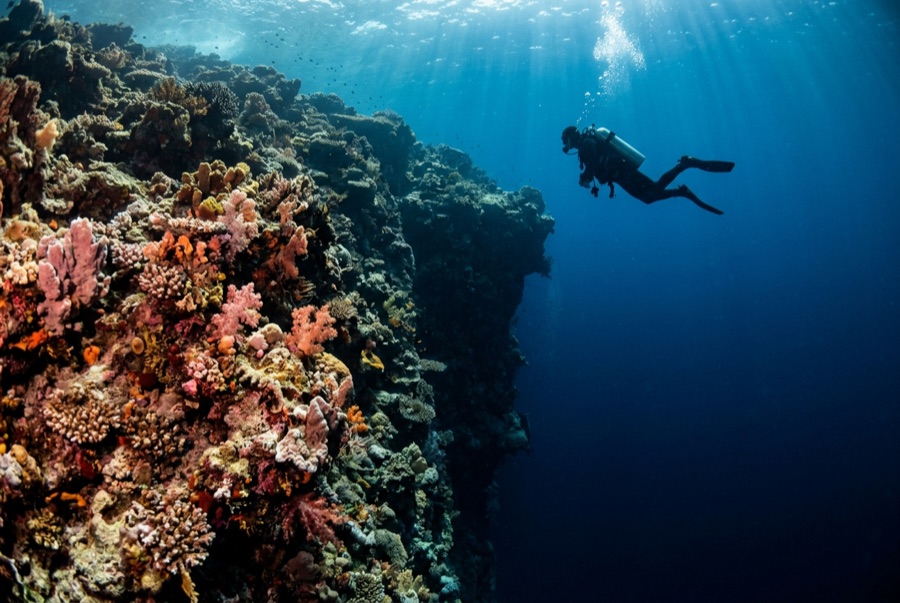
Great White Wall
A profundidade é o intervalo entre o topo do local e o seu máximo habitual; "certificação recomendada" é o nível das agências convencionais que os operadores normalmente exigem, não uma regra legal. As correntes e a visibilidade mudam diariamente, por isso trata tudo isto como intervalos de planeamento.
On the right tide, this wall does something no aquarium can fake: thousands of soft-coral colonies inflate at once and an entire vertical reef turns the color of fresh snow. Divers drop through a tunnel in the reef crest, emerge onto the face, and descend alongside a slope of white that keeps going well past sensible depth. The temptation to follow it is the site's real test. Anthias and fusiliers work the edge of the current while the corals feed. When the tide is wrong the wall looks gray and deflated, which is why guides refuse to dive it on a schedule rather than a tide table.
O momento pelo qual você vem: The white soft-coral face at full feed; the tunnel entry; blue-water depth vanishing below the wall.
Topografia: Sheer wall in the Somosomo Strait, its face carpeted in pale Dendronephthya soft coral
Corrente: Needs running water for the corals to open, but too much makes the wall unworkable; operators pick the window.
Entrada: Timed to the tide; the classic route enters through a tunnel in the reef that exits partway down the wall.
Sabe antes de entrar na água
Perigos: Depth creep along a featureless white slope; current changes mid-dive; the tunnel demands basic overhead composure.
Conservação: Soft corals shred under a single misplaced fin: trim flat, stay off the face, and leave the wall as inflated as you found it.
Nitrox: Vale a pena aqui: os perfis situam-se na gama em que o nitrox prolonga significativamente o tempo sem paragem de descompressão (com a formação para o usar).
Quem vai encontrar
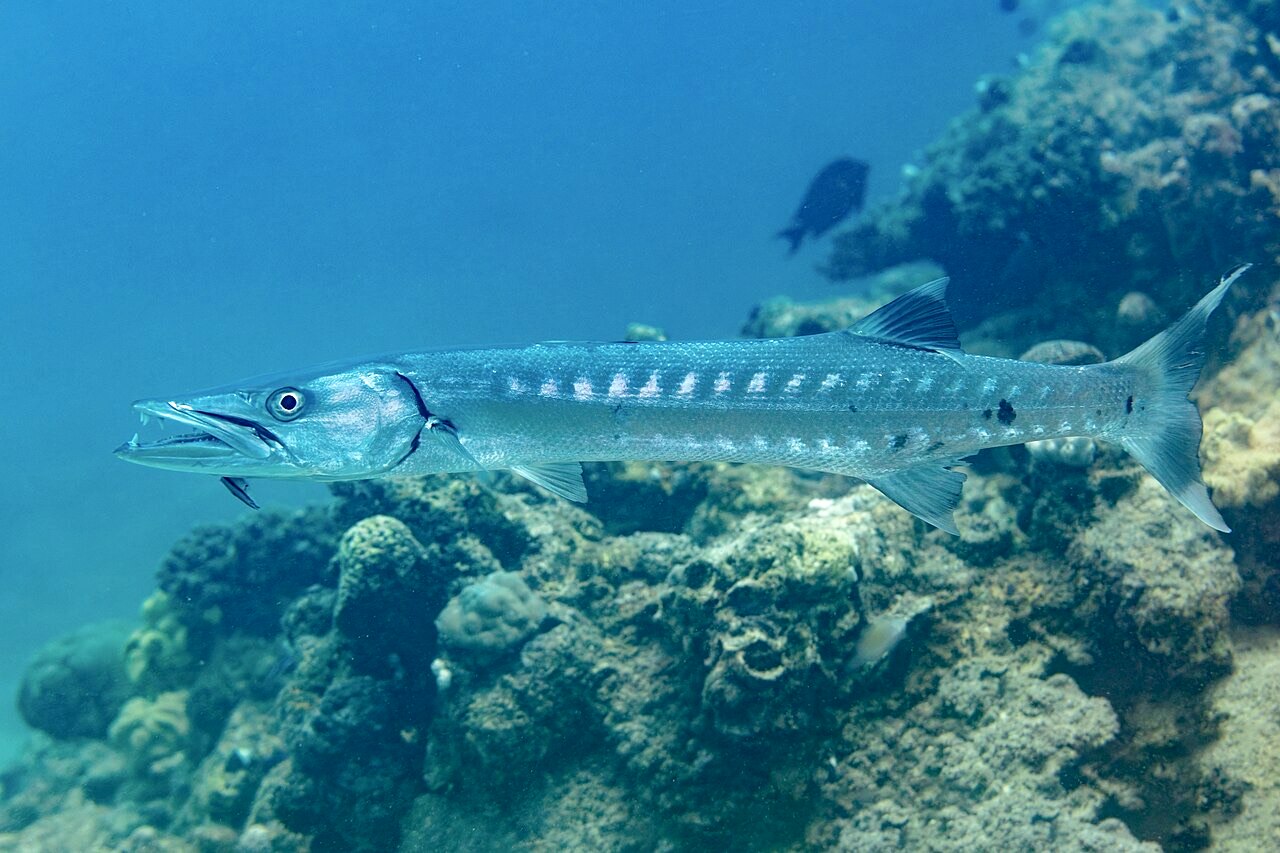
Great Barracuda
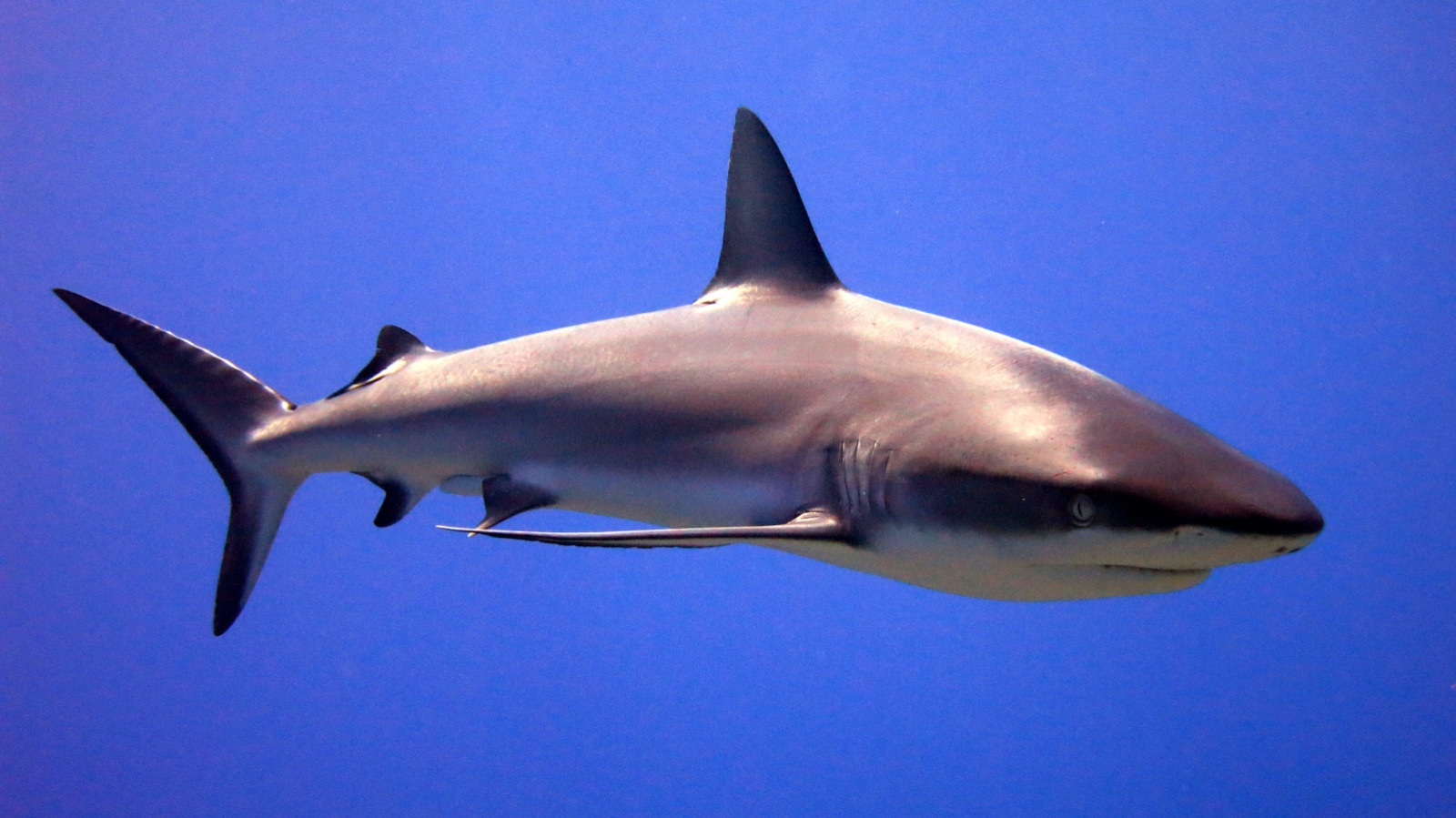
Grey Reef Shark
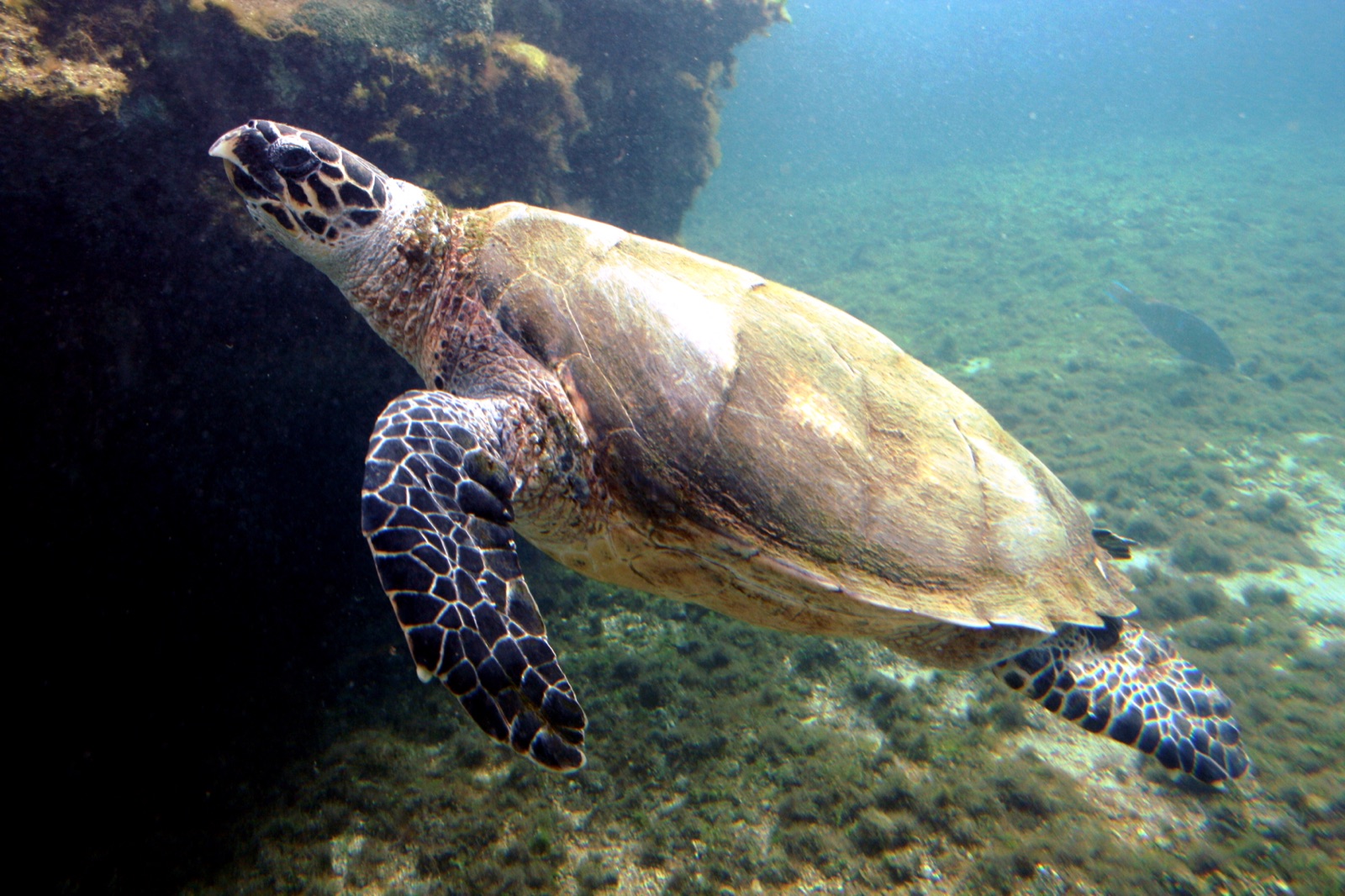
Hawksbill Turtle
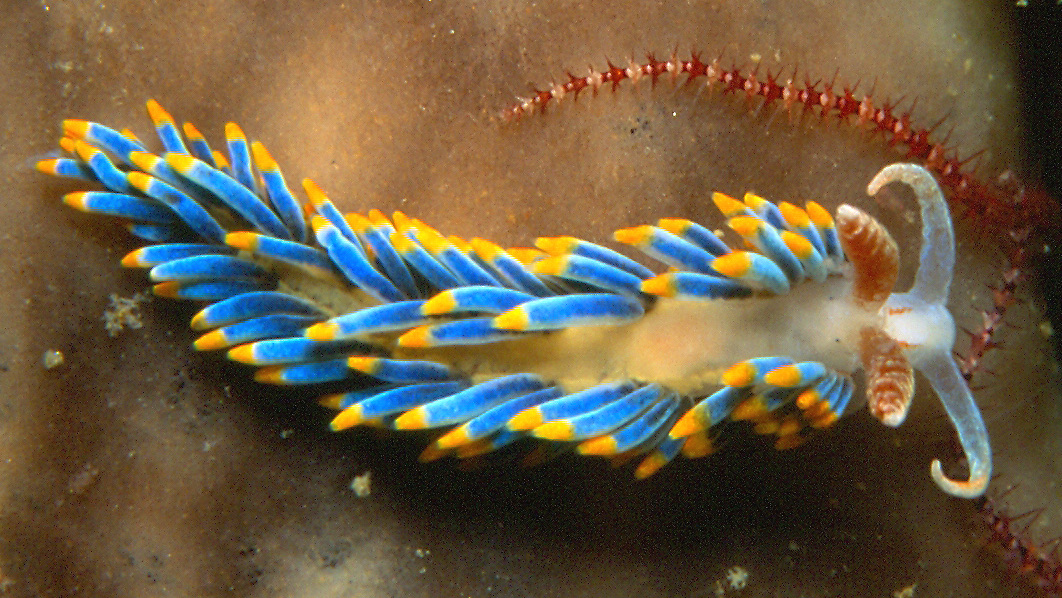
Nudibranchs
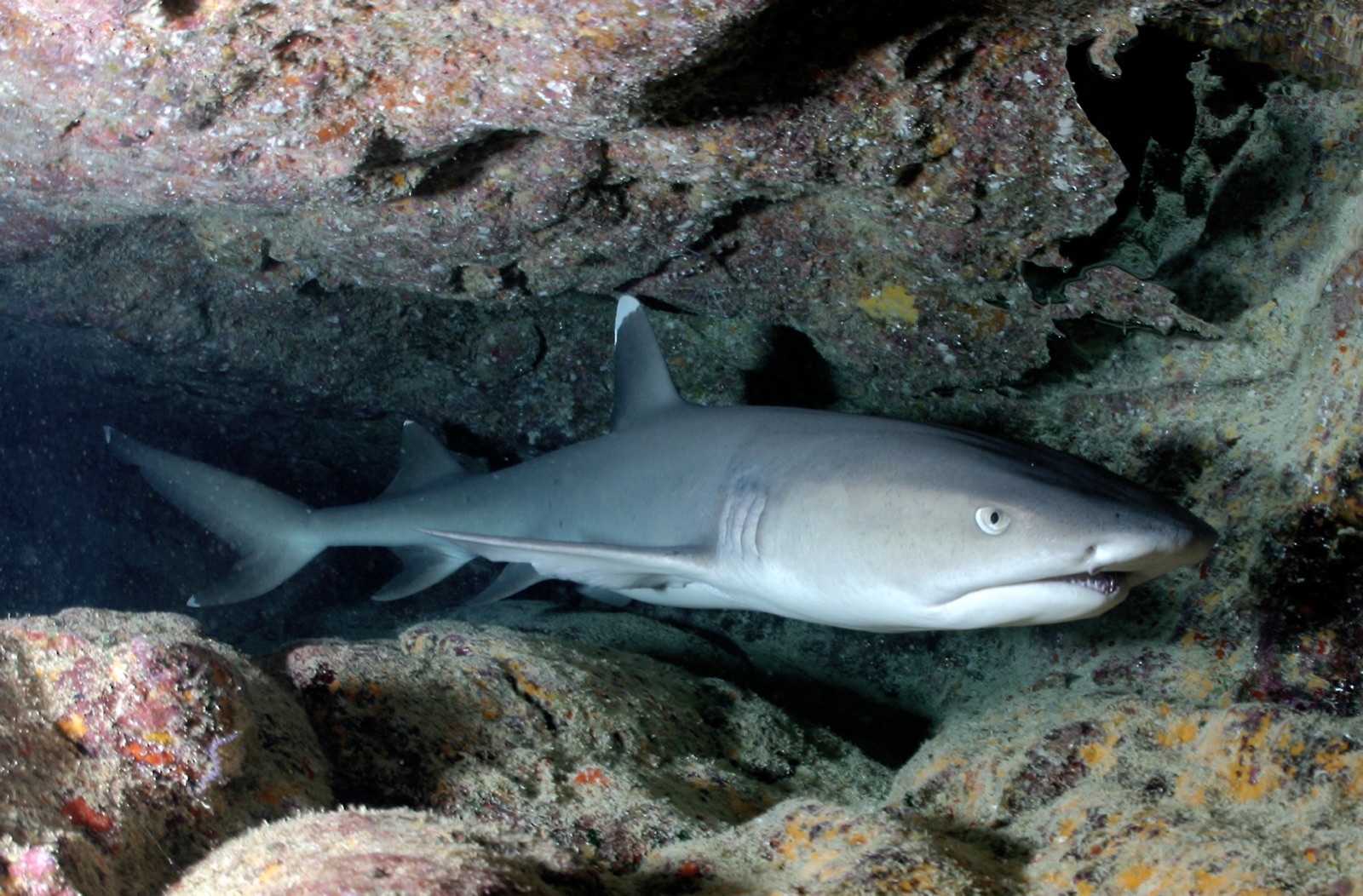
Whitetip Reef Shark
As espécies "registadas aqui" foram listadas pelos nossos editores a partir das fontes desta página. As contagens são registos de ocorrência do GBIF: observações registadas num raio de cerca de 5 km da posição indicada desde 1990, cruzadas apenas com as espécies do nosso catálogo. Mostram o que foi avistado no local, não uma garantia do que irá encontrar.
Para fotógrafos
Grande angular: ★★★★★ · Macro: ★★☆☆☆ (classificação de 1–5 dos editores sobre o que este sítio oferece a cada estilo de fotografia)