Sharks
Caribbean Reef Shark
Carcharhinus perezi · Cartilaginous fish, family Carcharhinidae
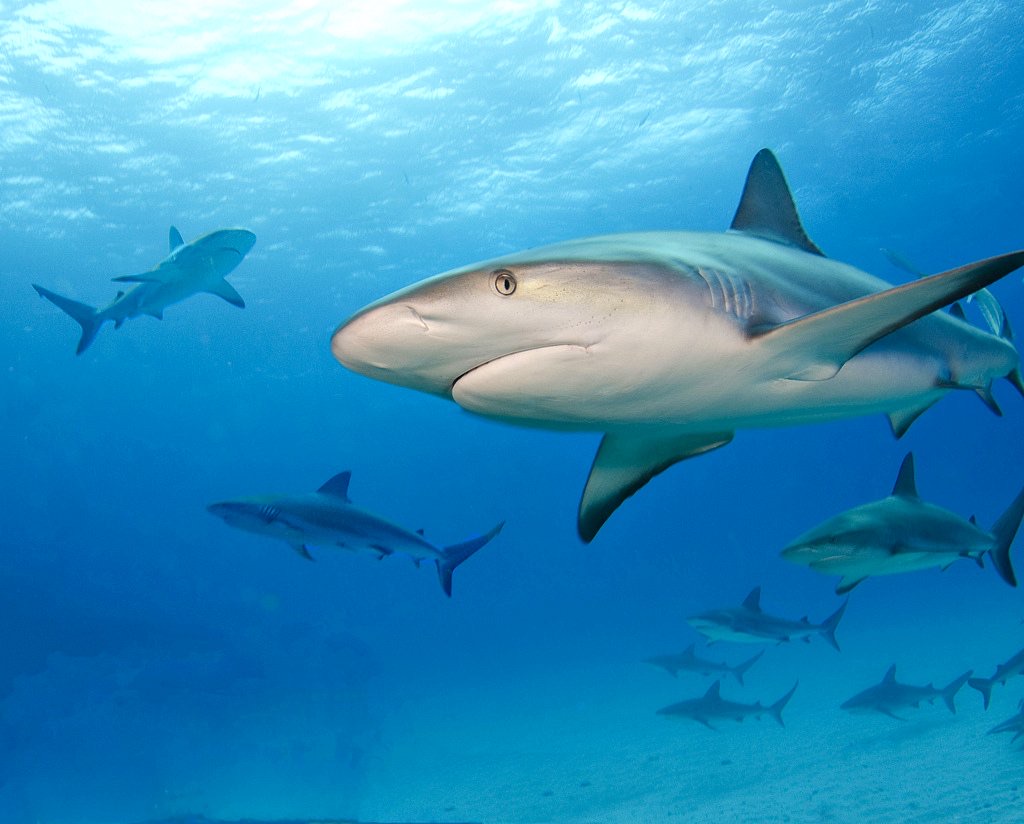
If the Caribbean has a signature silhouette, it is this shark cresting a coral wall with the sun behind it. Caribbean reef sharks carry real presence (broad shoulders, blunt snout, an unhurried patrol speed) without the edge that demands constant management, which is why the Bahamas built an entire diving economy around them. At Nassau's feed sites they orbit in their dozens; in Cuba's Jardines de la Reina they shadow divers through mangrove-fed reefs that show the species at natural density. Regional protection tells a stark story: abundant where sharks are shielded, nearly absent from heavily fished coasts.
Dónde y cuándo ver uno
"Residente" significa que la mayoría de las inmersiones en ese destino tienen encuentros con ellos; "estacional" significa que su presencia es fiable en los meses indicados; cualquier otra cosa es un extra, no algo con lo que contar.
| Destino | Fiabilidad | Meses | Notas |
|---|---|---|---|
| Tiger Beach & Grand BahamaThe Bahamas | Resident: seen on most dives | Todo el año | |
| RoatánHonduras | Resident: seen on most dives | Todo el año | |
| Nassau & New ProvidenceThe Bahamas | Resident: seen on most dives | Todo el año | |
| Jardines de la ReinaCuba | Resident: seen on most dives | Todo el año | |
| Turks and CaicosTurks and Caicos Islands | Resident: seen on most dives | Todo el año | |
| Belize Barrier ReefBelize | Occasional | Todo el año |
El mejor mes, de un vistazo
Comprendiéndolos
Hábitat: Coral reefs, walls, and sandy channels throughout the tropical western Atlantic
Rango: Florida and the Bahamas through the Antilles to the reefs of Central and South America's Caribbean coast
Comportamiento: The Caribbean's default big shark: a robust, gunmetal animal with an easy, gliding patrol pattern along walls and over sand. It habituates readily to structured feeds, circling in disciplined carousels, yet unbaited sightings on healthy reefs show the same calm, wide-berth curiosity.
Dieta: Reef fish and rays, hunted mostly around the reef edge at dawn, dusk, and night
Tamaño: normalmente alrededor de 1.8 m; documentado hasta 3.0 m (total length; feed-site regulars typically run 1.5–2.5 m).
Cómo comportarse cerca de uno
Choose operators with fixed feeding protocols and chainmail-gloved feeders, kneel in the designated arc, no outstretched cameras into the carousel, and store any catch well away from your body on non-feed dives.
Conservación
Assessed Endangered: largely gone from unprotected mainland coasts due to fishing, while shark-sanctuary nations like the Bahamas hold strongholds. Its economic value to dive tourism is among the best documented of any shark.
Puntos conocidos por avistamientos
Los puntos destacados fueron registrados para esta especie por nuestros editores; los números son registros de ocurrencia de GBIF anotados en un radio de unos 5 km de un punto desde 1990.
Ver
Desde los canales oficiales

Wildlife of Monterey | New film in our auditorium

Live Aviary Cam | Monterey Bay Aquarium

Live Aviary Cam | Monterey Bay Aquarium
Los vídeos son enlaces insertados a los canales de sus propios creadores. No alojamos nada y acreditamos todo.