Pontos de mergulho, épocas e vida marinha — pesquisados, mapeados, planeados.
Menu
Destinos Pontos de Mergulho Vida Marinha Naufrágios Notícias
Planejar uma viagem Planejador de viagem Quando mergulhar Calculadora de custos Comparações Calendário de vida marinha Temperatura da água Liveaboards Operadores & resorts Parques marinhos Câmaras hiperbáricas Mapa mundial
Regiões Austrália, Nova Zelândia e Ásia OrientalCaribe e Atlântico OcidentalEuropa, Atlântico & MediterrâneoOceano Índico e África OrientalIlhas do Pacífico & MicronésiaMar Vermelho & Médio OrienteSudeste Asiático e Triângulo de CoralAs Américas e o Pacífico Oriental Países
Aprender e Ferramentas Todos os guias Certificações Guias de equipamento Vídeos Consulte os Dados Agentes de IA API
Sobre Sobre nós Metodologia Aviso legal Contato
A sua vista
★ Guardado

Os seus destinos, sítios de mergulho e espécies favoritos — guardados neste browser.

API GATEWAY

Acesso JSON gratuito e só de leitura aos dados em cache do atlas.

Modo escuro

🧭 Vista Guiada
Novo no mergulho — profundidades, correntes, níveis de certificação? Explicamos cada termo enquanto navega, em linguagem simples. Os mesmos dados, com a ajuda integrada.

⚡ Vista de Especialista
Já sabe a diferença entre uma parede e um drift dive. Apenas os dados — claros, rápidos e compactos. Esta é a vista predefinida.

Idioma da interface
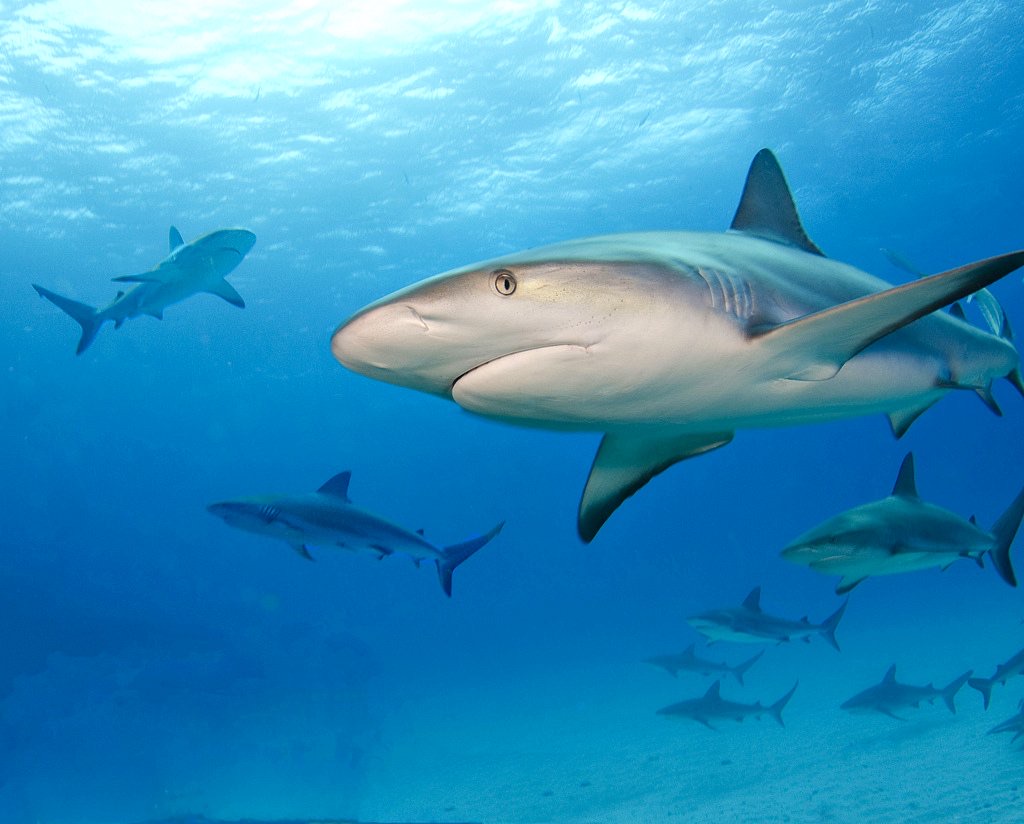
Caribbean Reef Shark — illustration
Ilustração gerada por IA para The Scuba Atlas — ilustrativa, não uma fotografia documental.

Sharks

Caribbean Reef Shark

Carcharhinus perezi · Cartilaginous fish — family Carcharhinidae

IUCN: EN (decreasing) ~1.8 m total length; feed-site regulars typically run 1.5–2.5 m 5–60 m intervalo de profundidade Bem documentado

If the Caribbean has a signature silhouette, it is this shark cresting a coral wall with the sun behind it. Caribbean reef sharks carry real presence — broad shoulders, blunt snout, an unhurried patrol speed — without the edge that demands constant management, which is why the Bahamas built an entire diving economy around them. At Nassau's feed sites they orbit in their dozens; in Cuba's Jardines de la Reina they shadow divers through mangrove-fed reefs that show the species at natural density. Regional protection tells a stark story: abundant where sharks are shielded, nearly absent from heavily fished coasts.

Fator de respeito: LowIncidents are rare and almost always involve bait or speared fish. On feed dives the risk is procedural — stay where briefed and keep hands folded; freelancing with food is where trouble starts.

Onde e quando ver um

"Residente" significa que a maioria dos mergulhos naquele destino os encontra; "sazonal" significa presença confiável nos meses listados; qualquer outra coisa é um bônus, não um plano.

DestinoFiabilidadeMesesNotas
Tiger Beach & Grand BahamaThe Bahamas Resident — seen on most dives Todo o ano
RoatánHonduras Resident — seen on most dives Todo o ano
Nassau & New ProvidenceThe Bahamas Resident — seen on most dives Todo o ano
Jardines de la ReinaCuba Resident — seen on most dives Todo o ano
Turks and CaicosTurks and Caicos Islands Resident — seen on most dives Todo o ano
Belize Barrier ReefBelize Occasional Todo o ano

Melhor mês, em resumo

MêsDestinos fiáveis
January Tiger Beach & Grand Bahama · Roatán · Nassau & New Providence · Jardines de la Reina · Turks and Caicos · Belize Barrier Reef
February Tiger Beach & Grand Bahama · Roatán · Nassau & New Providence · Jardines de la Reina · Turks and Caicos · Belize Barrier Reef
March Tiger Beach & Grand Bahama · Roatán · Nassau & New Providence · Jardines de la Reina · Turks and Caicos · Belize Barrier Reef
April Tiger Beach & Grand Bahama · Roatán · Nassau & New Providence · Jardines de la Reina · Turks and Caicos · Belize Barrier Reef
May Tiger Beach & Grand Bahama · Roatán · Nassau & New Providence · Jardines de la Reina · Turks and Caicos · Belize Barrier Reef
June Tiger Beach & Grand Bahama · Roatán · Nassau & New Providence · Jardines de la Reina · Turks and Caicos · Belize Barrier Reef
July Tiger Beach & Grand Bahama · Roatán · Nassau & New Providence · Jardines de la Reina · Turks and Caicos · Belize Barrier Reef
August Tiger Beach & Grand Bahama · Roatán · Nassau & New Providence · Jardines de la Reina · Turks and Caicos · Belize Barrier Reef
September Tiger Beach & Grand Bahama · Roatán · Nassau & New Providence · Jardines de la Reina · Turks and Caicos · Belize Barrier Reef
October Tiger Beach & Grand Bahama · Roatán · Nassau & New Providence · Jardines de la Reina · Turks and Caicos · Belize Barrier Reef
November Tiger Beach & Grand Bahama · Roatán · Nassau & New Providence · Jardines de la Reina · Turks and Caicos · Belize Barrier Reef
December Tiger Beach & Grand Bahama · Roatán · Nassau & New Providence · Jardines de la Reina · Turks and Caicos · Belize Barrier Reef

Entendendo-os

Habitat: Coral reefs, walls, and sandy channels throughout the tropical western Atlantic

Distribuição: Florida and the Bahamas through the Antilles to the reefs of Central and South America's Caribbean coast

Comportamento: The Caribbean's default big shark — a robust, gunmetal animal with an easy, gliding patrol pattern along walls and over sand. It habituates readily to structured feeds, circling in disciplined carousels, yet unbaited sightings on healthy reefs show the same calm, wide-berth curiosity.

Dieta: Reef fish and rays, hunted mostly around the reef edge at dawn, dusk, and night

Tamanho: normalmente cerca de 1.8 m; documentado até 3.0 m (total length; feed-site regulars typically run 1.5–2.5 m).

Como se comportar perto de um

Choose operators with fixed feeding protocols and chainmail-gloved feeders, kneel in the designated arc, no outstretched cameras into the carousel, and store any catch well away from your body on non-feed dives.

Conservação

Assessed Endangered — largely gone from unprotected mainland coasts due to fishing, while shark-sanctuary nations like the Bahamas hold strongholds. Its economic value to dive tourism is among the best documented of any shark.

Pontos mapeados conhecidos por eles

Assista

Dos canais oficiais

Todos os vídeos →

Os vídeos são links incorporados dos próprios canais dos criadores — não hospedamos nada e creditamos tudo.

Fontes: Wikipedia ↗IUCN Red List ↗ · Factos verificados em relação às fontes acima; os campos sem suporte estão assinalados como não verificado ainda.

Austrália, Nova Zelândia e Ásia Oriental

Cairns & the Ribbon ReefsNingaloo ReefCoral Sea & Osprey ReefOkinawa & the Kerama IslandsPoor Knights IslandsTownsville & the YongalaGreen IslandIzu Peninsula

Caribe e Atlântico Ocidental

BonaireCozumelRiviera Maya & the CenotesBelize Barrier ReefGrand CaymanIsla Mujeres & CancúnRoatánTiger Beach & Grand Bahama

Europa, Atlântico & Mediterrâneo

Malta & GozoSilfra & IcelandThe AzoresCanary IslandsLarnaca & the ZenobiaScapa FlowArctic NorwayMadeira

Oceano Índico e África Oriental

North & South Malé AtollsAri AtollBaa Atoll & Hanifaru BayAliwal Shoal & UmkomaasMafia IslandMauritiusSeychellesSodwana Bay

Ilhas do Pacífico & Micronésia

PalauChuuk (Truk) LagoonFakaravaKona, HawaiʻiRangiroaTaveuni & Rainbow ReefBeqa Lagoon & Pacific HarbourEspiritu Santo

Mar Vermelho & Médio Oriente

Sharm El Sheikh & Ras MohammedBrothers, Daedalus & St John'sDahabHurghada & El GounaMarsa Alam & the Deep SouthAqabaDaymaniyat IslandsMusandam Peninsula

Sudeste Asiático e Triângulo de Coral

Bali & Nusa PenidaKomodoRaja AmpatSipadan & MabulAnilaoCoronKoh TaoLembeh Strait

As Américas e o Pacífico Oriental

Galápagos IslandsCocos IslandFlorida KeysSea of Cortez & Cabo PulmoSocorro & the RevillagigedosBritish ColumbiaCalifornia Channel IslandsCosta Rica Pacific Coast