Comparison
The Galápagos vs Cocos Island
The numbers, side by side
| Galápagos Islands | Cocos Island | |
|---|---|---|
| Best months | Jun–Nov | Jun–Nov |
| Water (documented range) | 17–27 °C / 63–81 °F | 24–29 °C / 75–84 °F |
| Visibility | 10–25 m | 12–30 m |
| Level | Advanced | Expedition |
| Two-tank boat dive | $160–$260 | — |
| Charted sites | 7 | 6 |
| Shore sites | 0 | 0 |
| Wrecks | 0 | 0 |
| Liveaboards serving | 3 | 3 |
| Reliable big-ticket species | Marbled RayScalloped HammerheadWhitetip Reef SharkGreen Sea TurtleGalápagos Sea LionGalápagos Shark | Whitetip Reef SharkMarbled RayScalloped HammerheadSilky SharkTiger Shark |
Every figure pulled live from the two destination records; ranges and confidence labels apply as on their own pages.
The longer answer
These are the eastern Pacific's two great shark pilgrimages, and they share DNA: seamount-and-island diving, surge and thermoclines, negative entries, and scalloped hammerheads schooling overhead like weather. The differences are logistics and supporting cast.
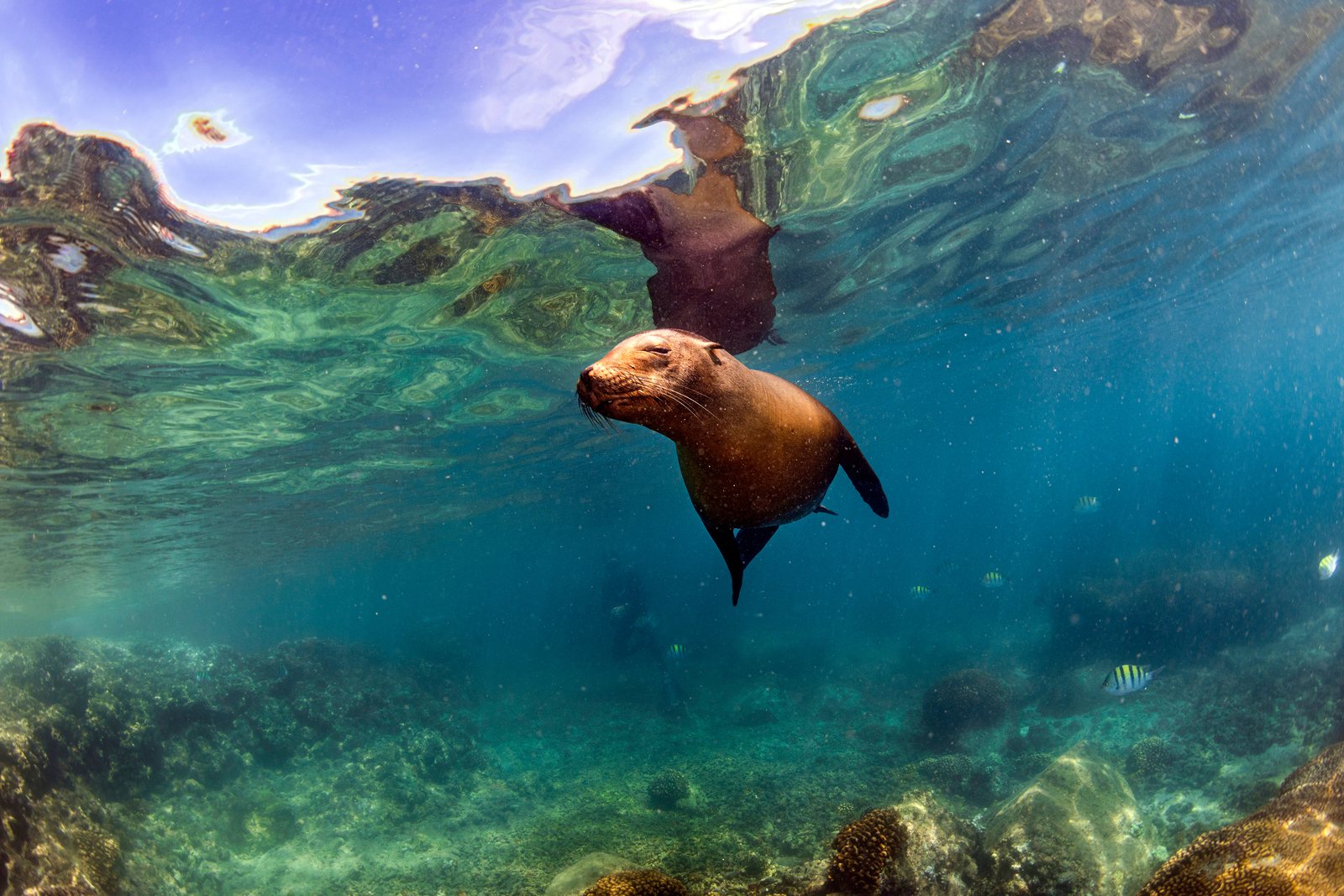
The Galápagos is reached by air through mainland Ecuador, so the liveaboard week starts without an ocean crossing, and the archipelago runs two distinct seasons. The cool, nutrient-rich June-to-November period brings the giants (whale sharks, most of them enormous females, cruise Darwin's reef), while the warmer December-to-May window clears the water for mantas and mobulas. Between shark dives the islands add what nowhere else can: mola at cold upwellings, penguins, sea lions in your safety stop, and marine iguanas grazing algae in the shallows. Land visits are limited on dive itineraries, but the wildlife comes to you.
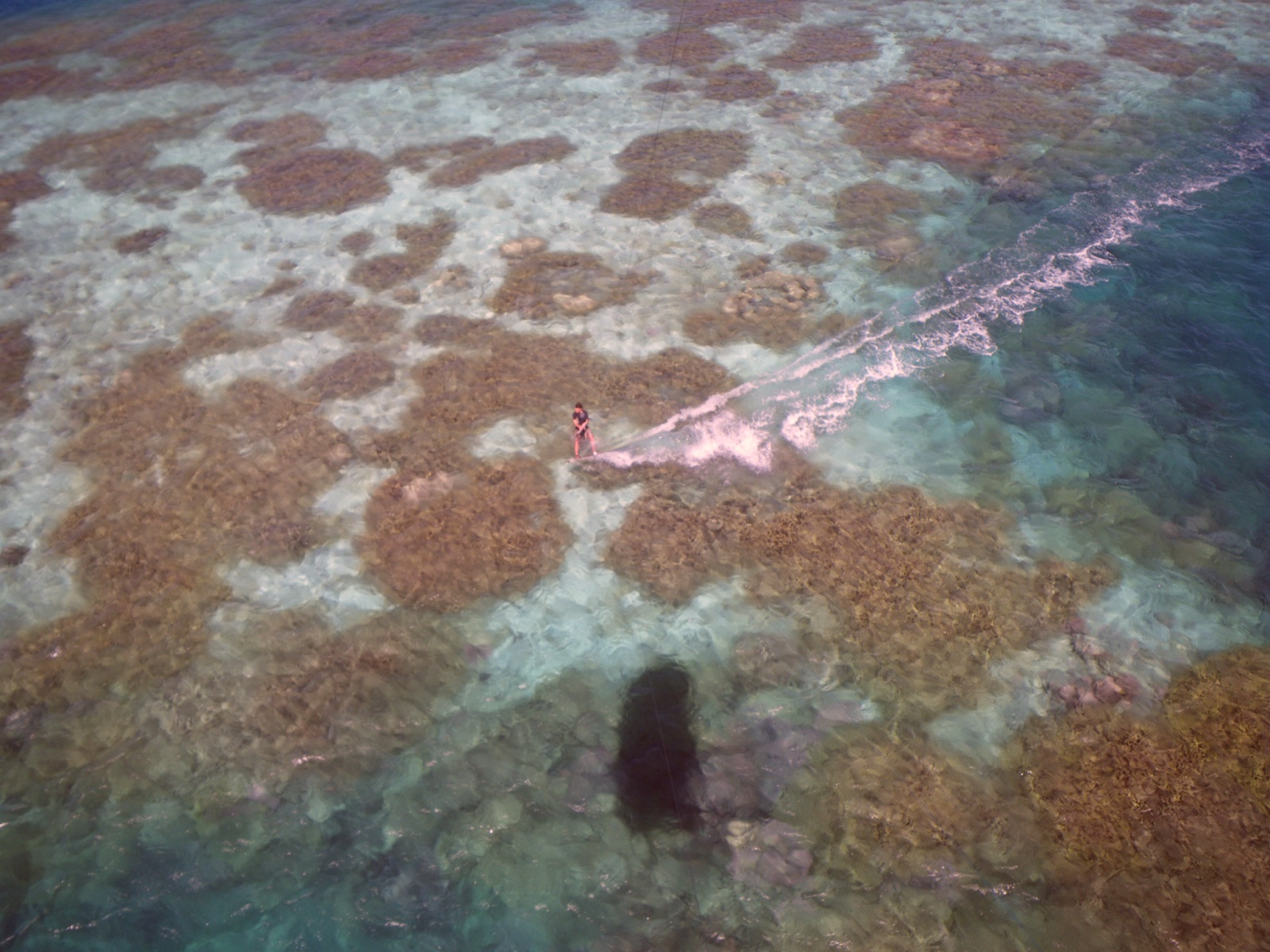
Cocos is subtraction rather than addition. An uninhabited Costa Rican island 550 kilometers offshore, it is liveaboard-only after roughly 36 hours of steaming from Puntarenas, and apart from a ranger station there is nothing there but ocean life. Hammerheads queue at cleaning stations on Alcyone's deep plateau, tiger sharks patrol Manuelita with regularity, and the rainy June-to-November season delivers the biggest schools along with the roughest crossings. Boats are few and expedition-grade.
Operators on both routes expect advanced certification and real drift experience. If seasickness is a genuine concern, the Galápagos is the kinder itinerary; if crowds are, Cocos wins outright.