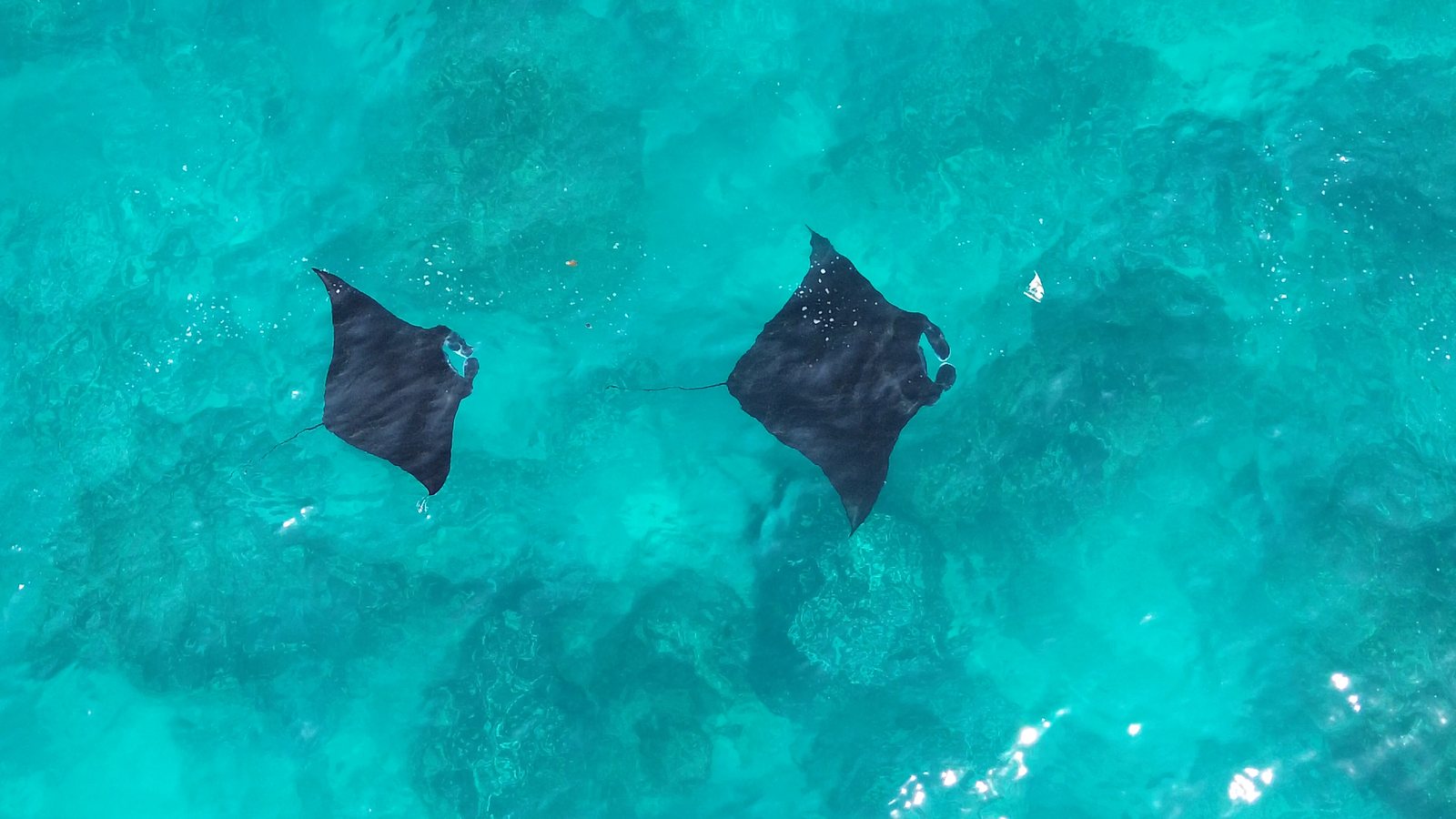
Diving in Indonesia
Indonesia is the beating heart of the Coral Triangle and, by most measures, the richest marine biodiversity on the planet. Seventeen thousand islands spread across three time zones produce every kind of diving the sport has invented: Raja Ampat's fish-soup reefs with more species than anywhere yet surveyed, Komodo's current-blasted pinnacles and mantas, Bali's wreck-and-mola combination, and Lembeh Strait's black sand, the world capital of muck diving, where mimic octopus, hairy frogfish, and rhinopias headline the critter parade. Bunaken adds vertical walls with turtles by the dozen, Wakatobi grooms its house reef like a garden, Alor and the Banda Sea reward liveaboard ambition with hammerheads and untouched coral. Costs range from backpacker cheap to ultra-premium, seasons vary by region, and a single trip can only sample it; most divers simply keep returning.
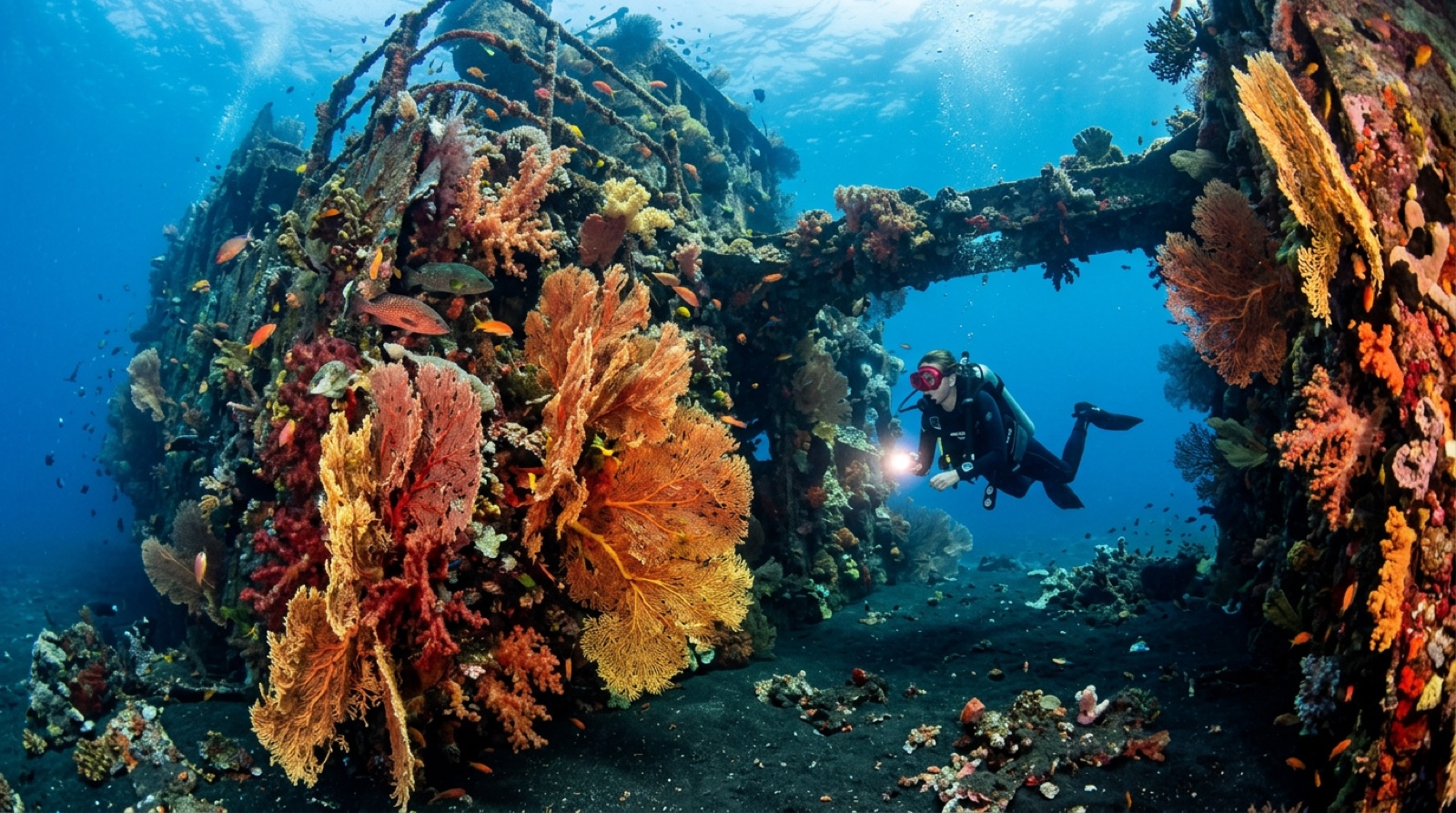
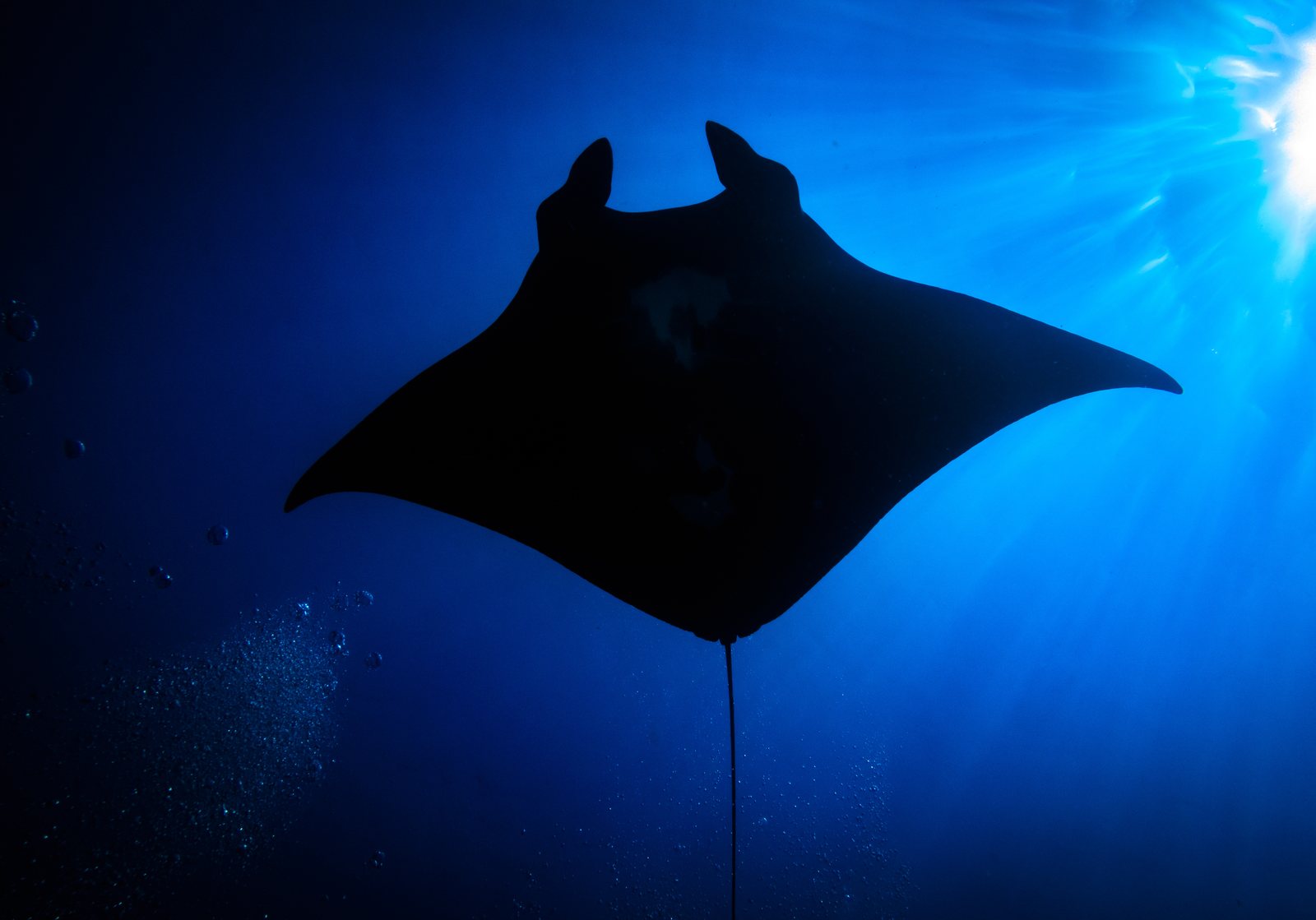
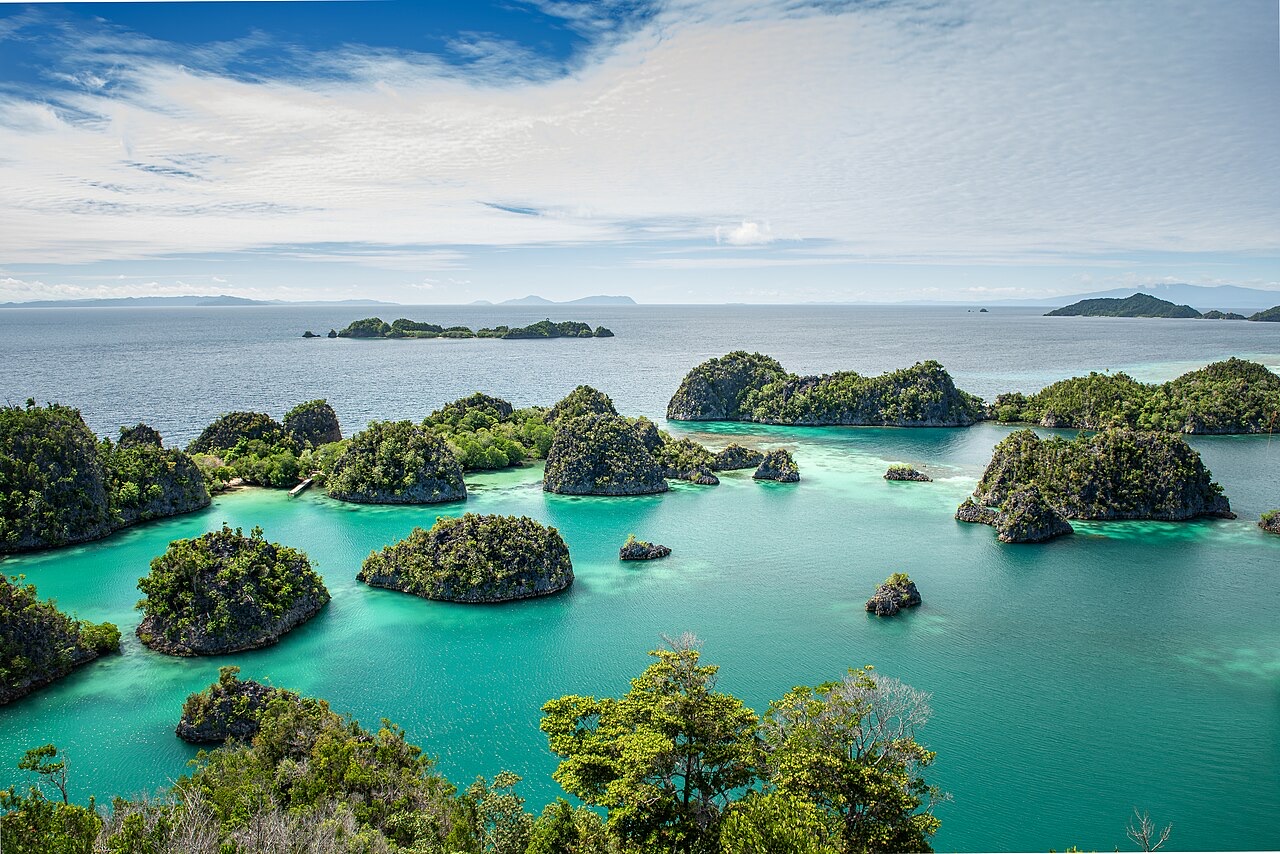
Raja Ampat, off West Papua, leads for sheer biodiversity, dived by liveaboard and resort from Sorong roughly October through April. Komodo delivers mantas, sharks, and adrenaline drifts in its dry-season window. Bali and Nusa Penida pair the Liberty wreck at Tulamben with seasonal mola; Lembeh Strait and Bunaken and Manado split critters and walls across north Sulawesi; Wakatobi runs on its remote resort's pampered reefs; and Alor and the Banda Sea and Ambon serve the connoisseur circuit of ring-of-fire liveaboard routes.
Signature experiences: Fish storms over Cape Kri in Raja Ampat; manta trains at Komodo's Karang Makassar; the USAT Liberty wreck at dawn from the beach at Tulamben; hunting hairy frogfish and blue-ringed octopus in Lembeh's black sand; schooling hammerheads in the Banda Sea crossings; mola encounters off Nusa Penida in the austral winter.
Seasons: There is no single season; the archipelago trades windows. Komodo, Bali, and most central regions dive best in the dry season, roughly April through November; Raja Ampat peaks October through April; the Banda Sea runs on shoulder-season crossings around March-April and September-November. Somewhere in Indonesia is in season every week of the year.
The destinations
Bali & Nusa Penida
Komodo
Raja Ampat
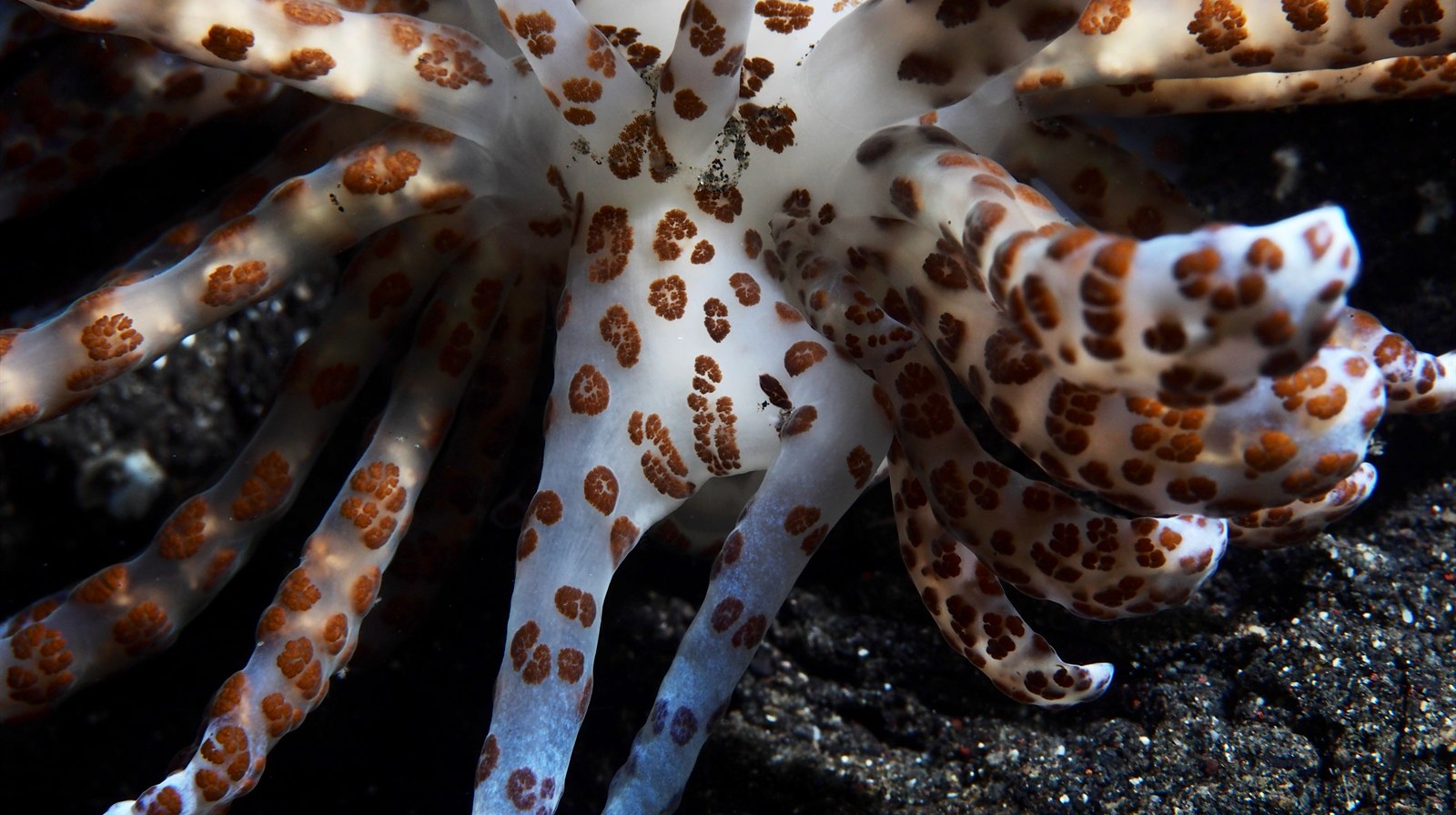
Lembeh Strait
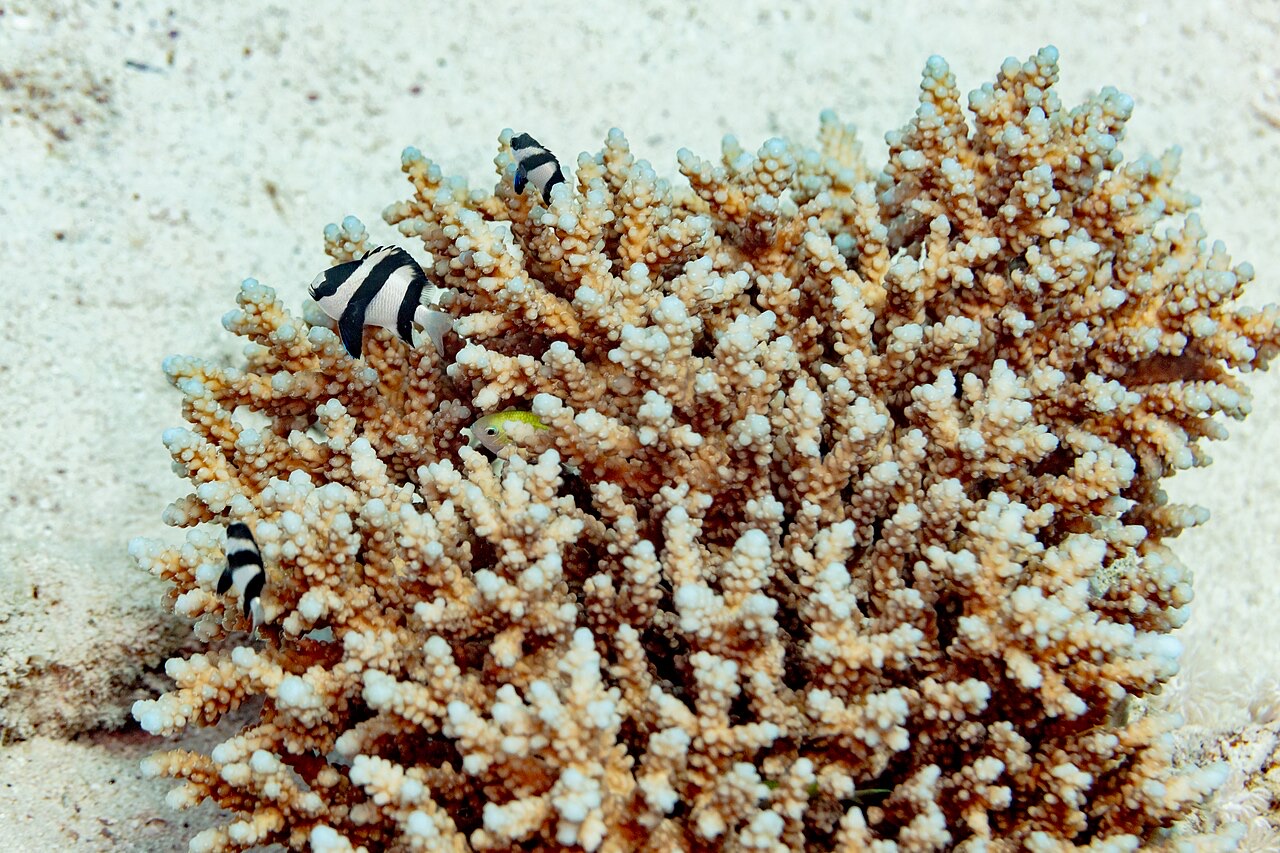
Banda Sea & Ambon
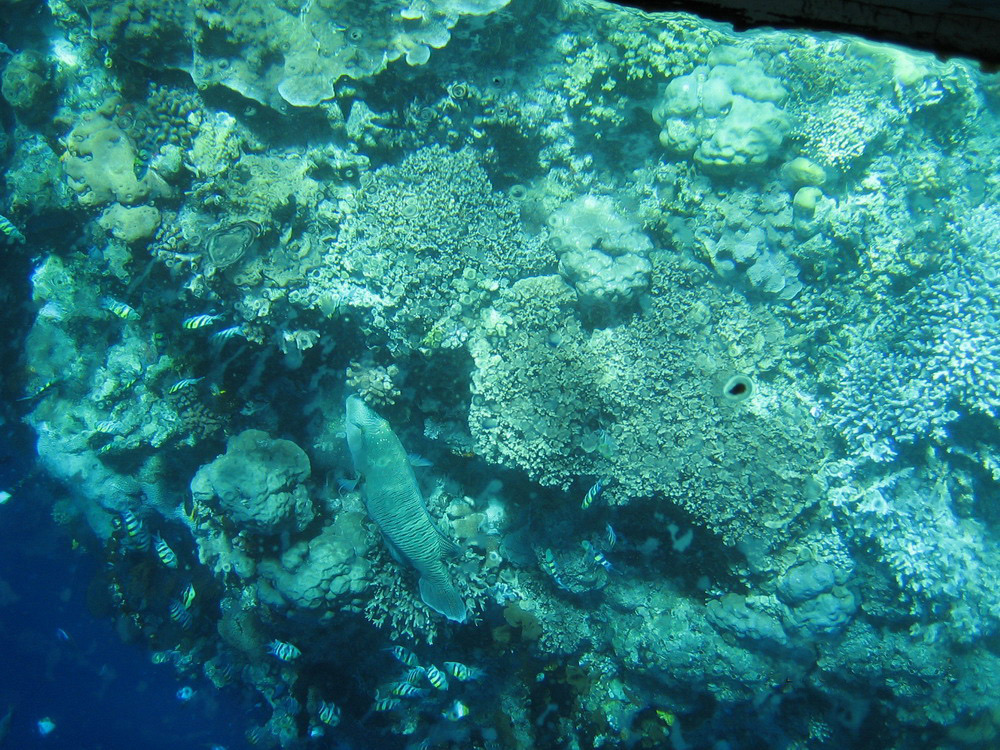
Bunaken & Manado
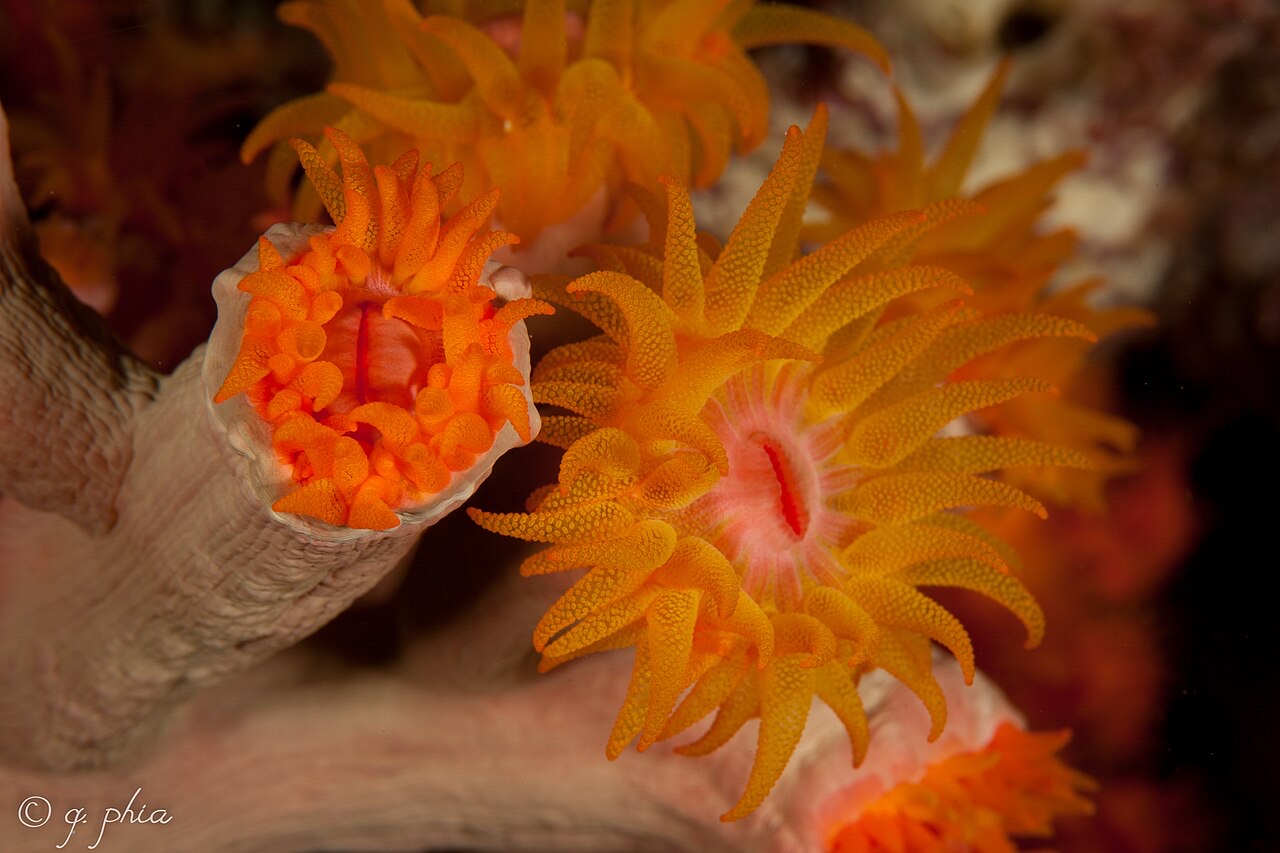
Wakatobi
Alor
Standout dive sites
| Site | Destination | Type | Depth | Level |
|---|---|---|---|---|
| Batu Bolong | Komodo | Pinnacle | 3–40 m | Advanced |
| Blue Lagoon (Padang Bai) | Bali & Nusa Penida | Reef | 3–20 m | Beginner |
| Blue Magic | Raja Ampat | Pinnacle | 7–30 m | Advanced |
| Boo Windows | Raja Ampat | Reef | 3–30 m | Intermediate |
| Cannibal Rock | Komodo | Seamount | 5–30 m | Intermediate |
| Cape Kri | Raja Ampat | Reef | 5–40 m | Intermediate |
| Castle Rock | Komodo | Seamount | 4–30 m | Advanced |
| Crystal Bay | Bali & Nusa Penida | Reef | 5–30 m | Advanced |
| Crystal Rock | Komodo | Seamount | 2–30 m | Advanced |
| Gili Tepekong | Bali & Nusa Penida | Reef | 8–30 m | Advanced |
Every charted site in Indonesia →
Marine life
Wrecks
The practical file
Getting there: Jakarta (CGK) and Bali (DPS) are the international gateways. Komodo trips stage from Labuan Bajo (LBJ); Raja Ampat requires flying to Sorong (SOQ) then ferry or boat to Waisai or a liveaboard; Manado (MDC) serves Bunaken and Lembeh; Ambon (AMQ) opens the Banda Sea. Domestic schedules change often, so pad connections.
Entry & visas: Many nationalities use a visa on arrival or electronic visa on arrival for tourist stays, extendable once, and some ASEAN passports enter free; regional levies such as Bali's tourist fee also apply. Verify current requirements before travel.
What diving costs: Bali two-tank days run roughly USD 70-110 and Komodo day trips about USD 130-180, while liveaboards span roughly USD 350-700 per night and premium resorts like Wakatobi sit firmly in luxury pricing; park and permit fees add per-region costs.
Language: Bahasa Indonesia is the national language across hundreds of local tongues; English is standard in dive tourism everywhere divers go.
Tipping: Tipping is customary in dive tourism: crews and guides commonly receive a pooled tip of roughly 5-10 percent of the trip or a few dollars per dive day, and small notes are appreciated for services ashore.
Travel safety: Indonesia is broadly welcoming and safe for travelers; the practical risks are traffic, especially scooters on Bali, petty theft in tourist hubs, and nature itself: active volcanoes, earthquakes, and strong currents at sites like Nusa Penida and Komodo that have caught divers out. Use operators who brief currents honestly, carry a surface marker, and buy evacuation insurance for remote regions.
Recompression cover: Chambers operate in several cities including Bali and Manado, the latter well placed for north Sulawesi diving, but remote regions like Raja Ampat and the Banda Sea are many hours from treatment. Availability changes; plan conservative profiles and route emergencies through your operator and DAN.