Galápagos Islands
Ecuador's Galapagos Islands sit roughly 1,000 km off South America where cold upwellings collide with equatorial seas, and the diving reflects that collision: schooling hammerheads, whale sharks the size of buses, penguins, marine iguanas, and sea lions that treat divers as entertainment. The far-northern islands of Darwin and Wolf are reachable only by liveaboard under national-park rules, while land-based operators run day boats to the central islands. This is expedition diving in a working wilderness, not a resort destination.
Pourquoi plonger ici
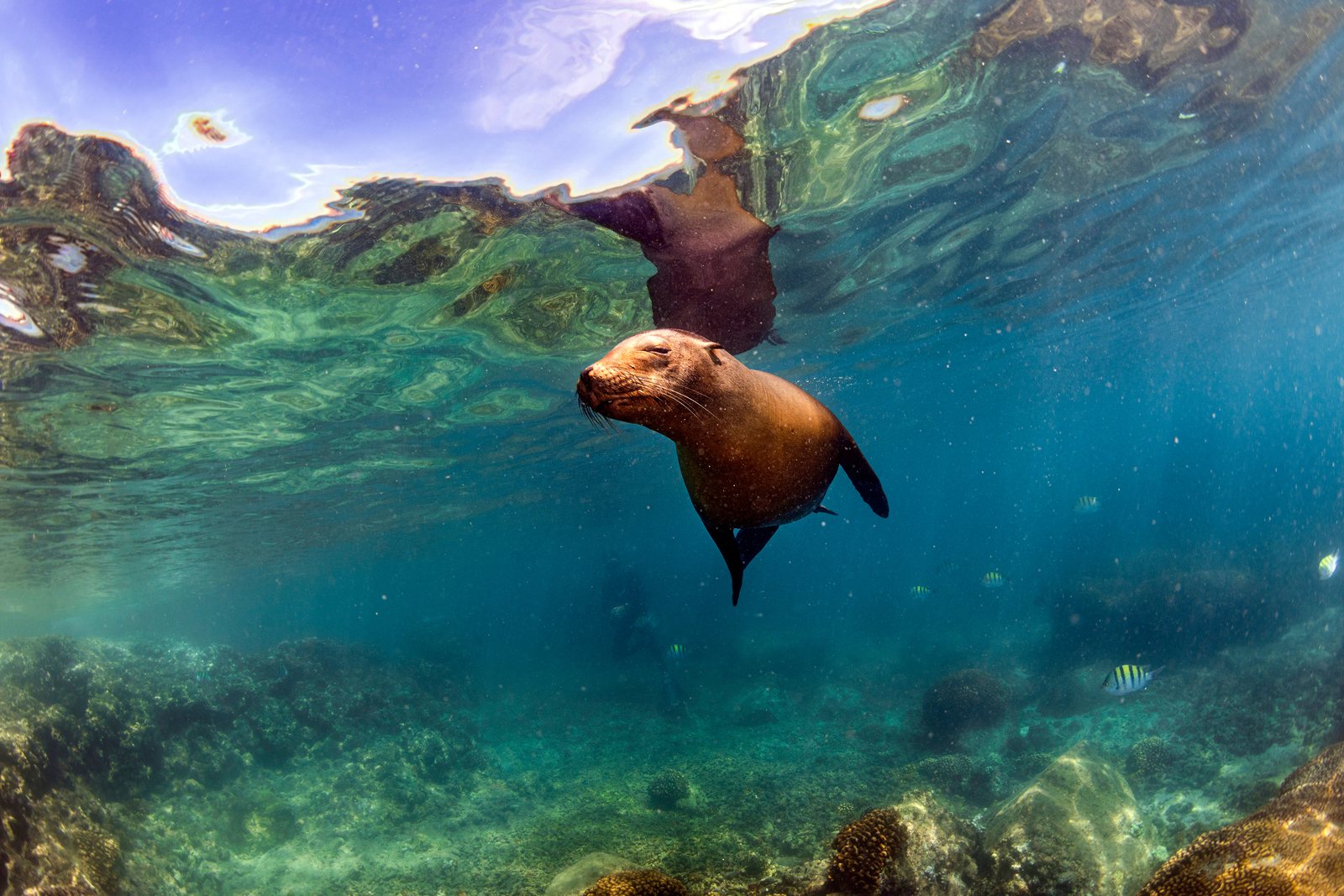
No other destination compresses so many oceans into one archipelago. The Cromwell and Humboldt currents drag cold, nutrient-loaded water up against volcanic rock, so a single week can pass from a wall of scalloped hammerheads at Wolf to a mola cleaning station in 17 C water at Punta Vicente Roca, then to marine iguanas grazing algae in the shallows off Fernandina. From roughly June through November, whale sharks, most of them enormous and apparently pregnant females, patrol Darwin, and researchers still argue about why. The warm season brings calmer seas, better inshore visibility, and thick ray and turtle action at the central sites. Almost nothing here behaves as it does elsewhere: sea lions barrel through safety stops, penguins hunt beside you, and Galapagos sharks ghost along every dropoff. The trade is real effort, cool water, strong current, surge, long crossings, and park rules that decide where you may dive and when. Divers who accept those terms tend to rank it above everywhere else they have been.
Mois par mois
Two seasons, both worth diving. December-May is the warm season: 22-27 C water, calmer seas, better inshore visibility, mantas and rays at the central sites. June-November is the cool garua season: 16-23 C with thermoclines, plankton-rich water, and the famous whale shark window at Darwin and Wolf, typically strongest July-October.
| Mois | Eau | Visibilité | Ce que c'est comme |
|---|---|---|---|
| January●●●●○ | 22–26 °C / 72–79 °F | 12–25 m | Warm season under way; calmer seas and lively central sites. |
| February●●●●○ | 23–27 °C / 73–81 °F | 12–25 m | |
| March●●●●○ | 23–27 °C / 73–81 °F | 12–25 m | Warmest water of the year. |
| April●●●●○ | 23–27 °C / 73–81 °F | 12–25 m | |
| May●●●●○ | 21–25 °C / 70–77 °F | 12–25 m | Transition month; seas still reasonable. |
| June●●●●○ | 19–23 °C / 66–73 °F | 10–20 m | Garua season begins; first whale sharks at Darwin and Wolf. |
| July●●●●● | 18–22 °C / 64–72 °F | 10–20 m | Whale shark season building; rougher crossings. |
| August●●●●● | 17–22 °C / 63–72 °F | 10–20 m | Cool, rich water; peak big-animal action in the north. |
| September●●●●● | 17–22 °C / 63–72 °F | 10–20 m | |
| October●●●●● | 18–23 °C / 64–73 °F | 10–20 m | Late whale shark window; hammerheads thick. |
| November●●●●○ | 19–24 °C / 66–75 °F | 12–22 m | |
| December●●●●○ | 21–25 °C / 70–77 °F | 12–25 m | Seas settle as the warm season returns. |
Fiabilité des données mensuelles: Documented. Les mois sans ligne ne disposent d'aucune donnée vérifiée. Nous préférons montrer un vide plutôt qu'en inventer un.
Les sites de plongée (7)
| Site | Type | Profondeur | Niveau | Accès | |
|---|---|---|---|---|---|
| Cabo Douglas Marine iguanas grazing underwater, flightless cormorants hunting, sea lions… | Shore | 3–15 m | Intermediate | Liveaboard | |
| Cousins Rock Endemic black coral gardens, Pacific seahorses, playful sea lions, passing… | Reef | 8–30 m | Intermediate | Boat | |
| Darwin's Arch (Darwin's Pillars) Whale sharks June-November, walls of hammerheads, Galapagos sharks at arm's… | Reef | 6–30 m | Advanced | Liveaboard | |
| Gordon Rocks Hammerheads on a day trip, eagle rays stacked in current, sea lion buzz-bys | Pinnacle | 12–32 m | Advanced | Boat | |
| Kicker Rock (Leon Dormido) Sharks transiting the channel, sheer walls, snorkeling with sea lions and… | Channel | 5–30 m | Intermediate | Boat | |
| Punta Vicente Roca Mola cleaning stations, turtle aggregations, red-lipped batfish, penguins… | Wall | 5–30 m | Intermediate | Liveaboard | |
| Wolf Island (Landslide & Shark Bay) Hammerhead schools, free-swimming morays, eagle ray squadrons, seasonal… | Reef | 10–35 m | Advanced | Liveaboard |
La vie marine, planifiée à l'avance
Galápagos Sea Lion
Galápagos Shark
Green Sea Turtle
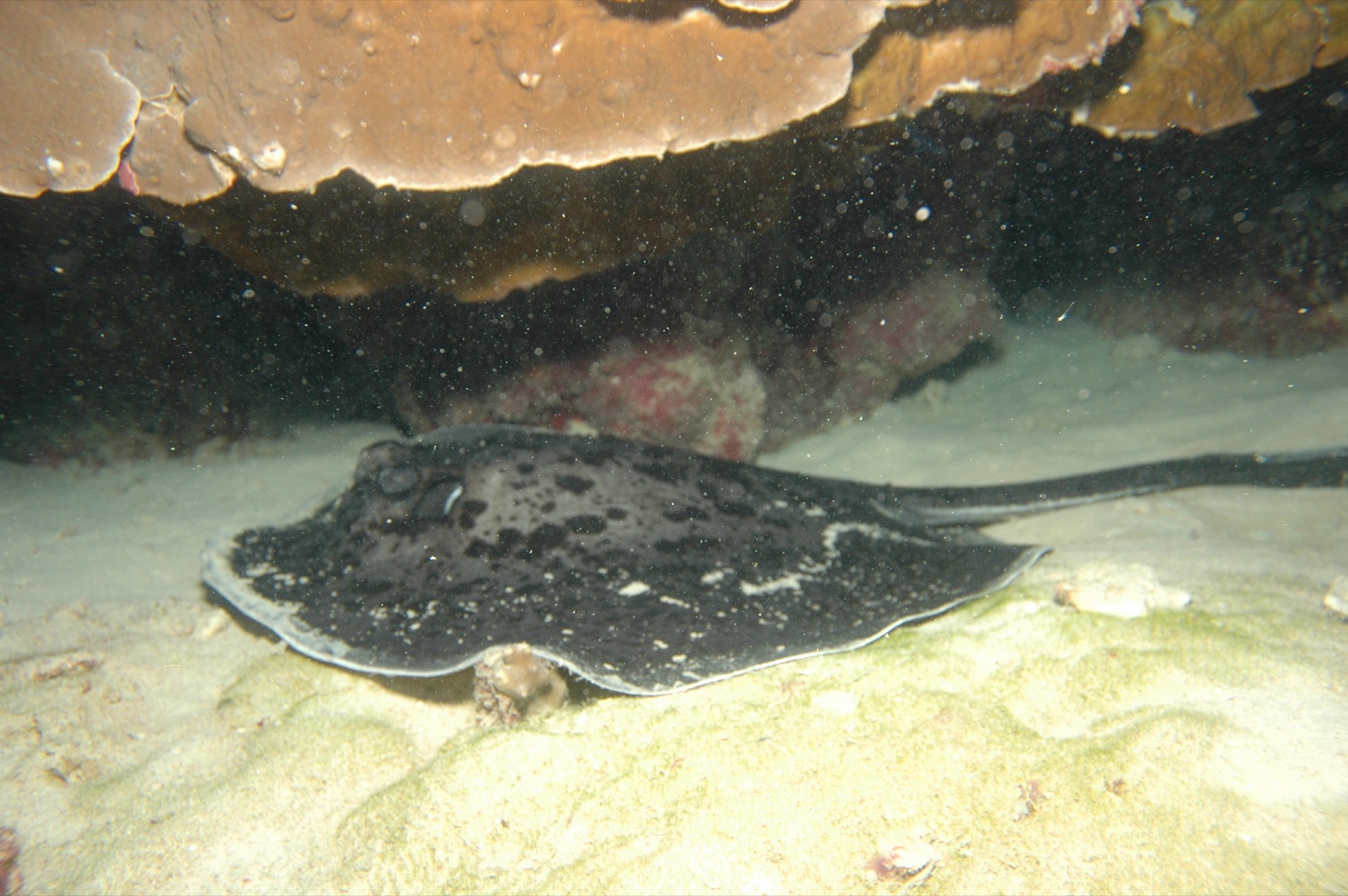
Marbled Ray
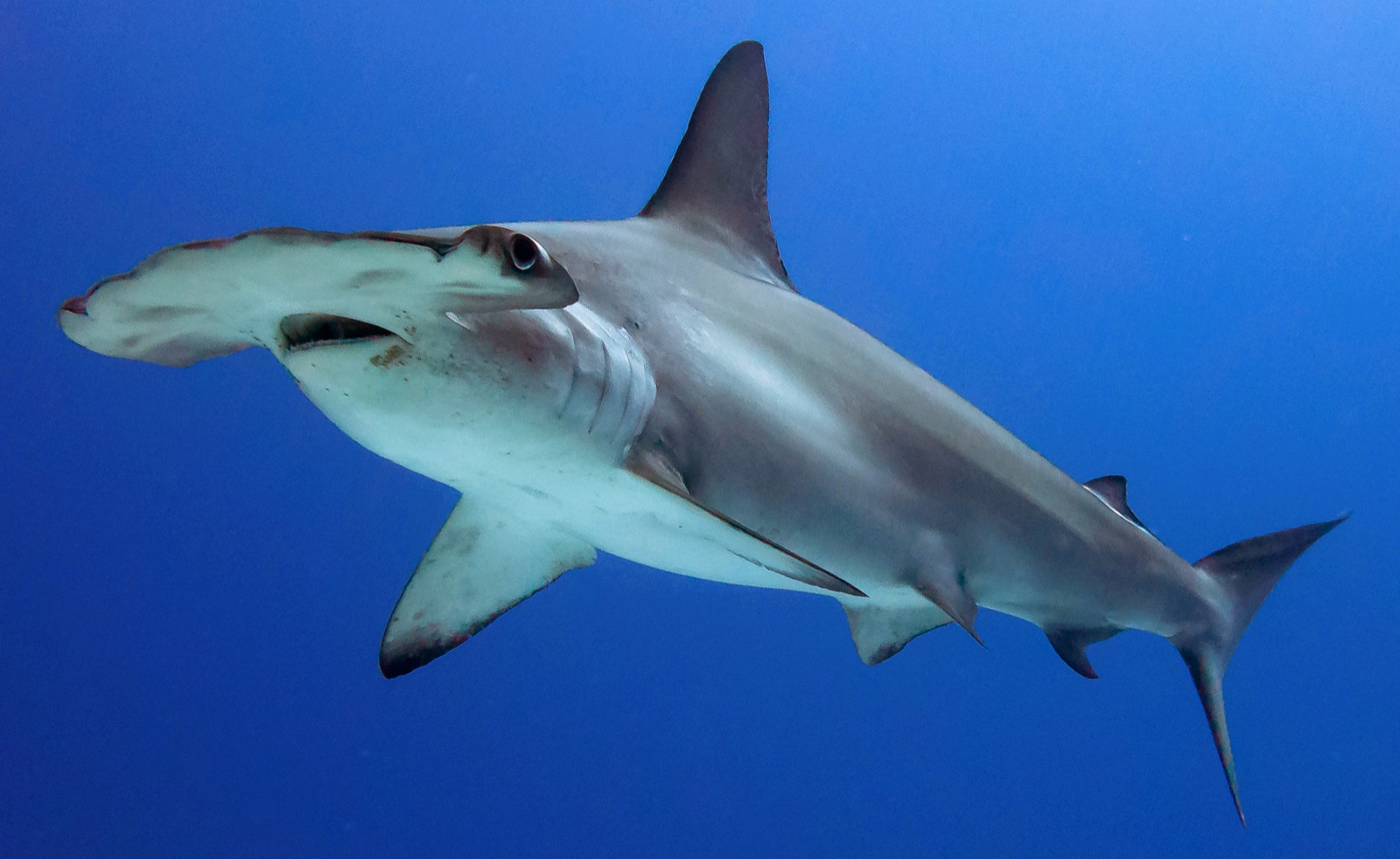
Scalloped Hammerhead
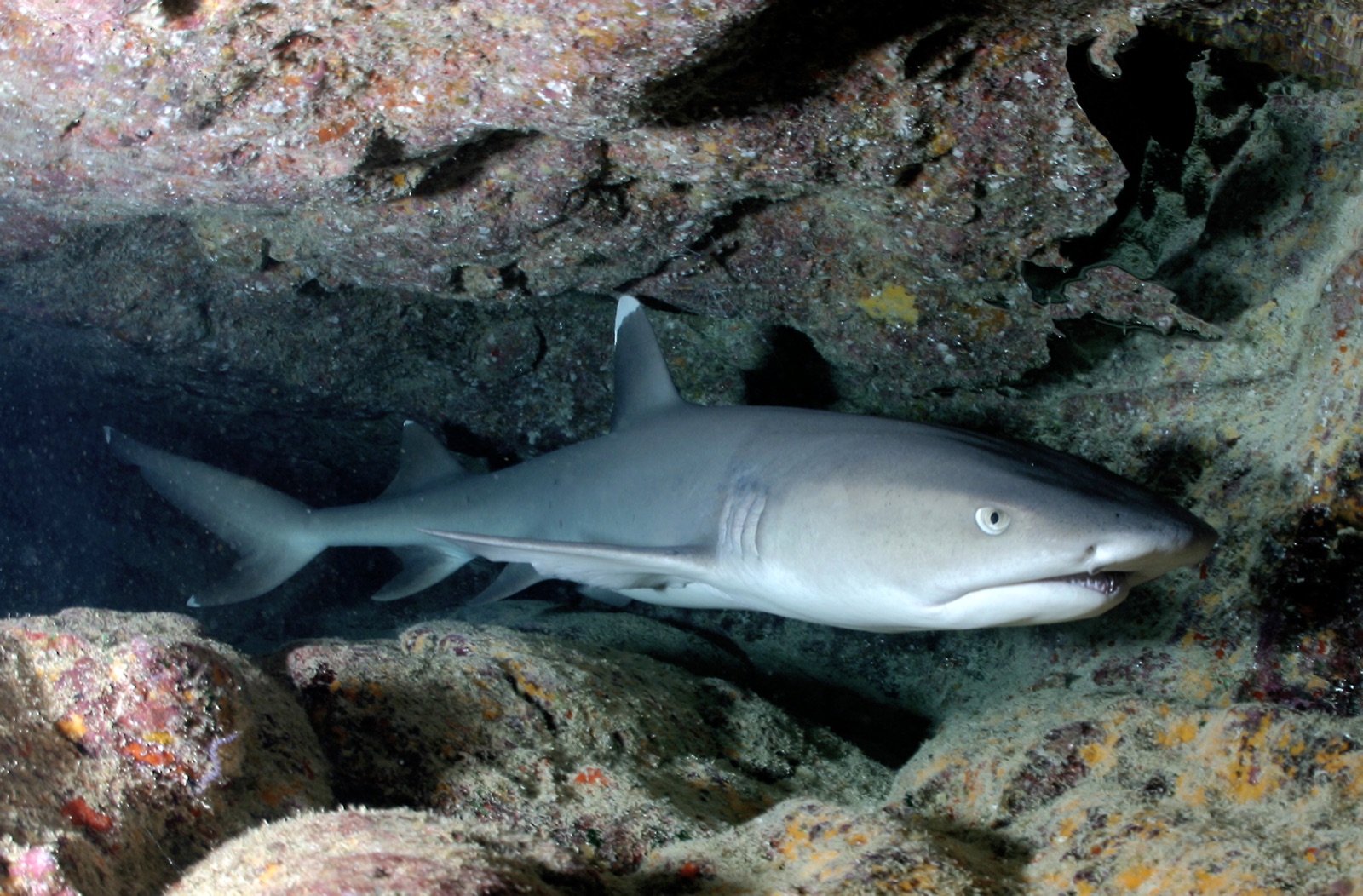
Whitetip Reef Shark
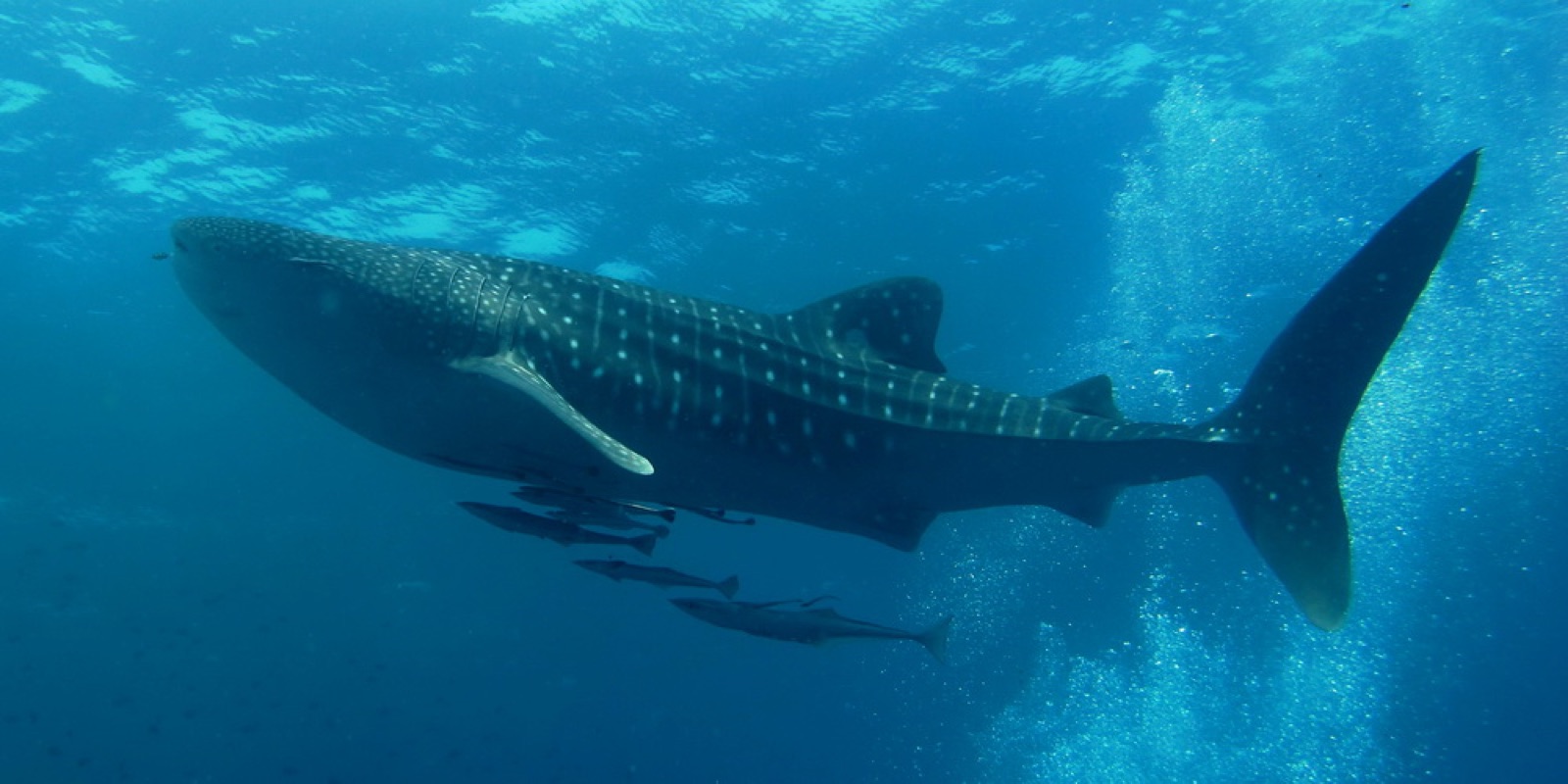
Whale Shark
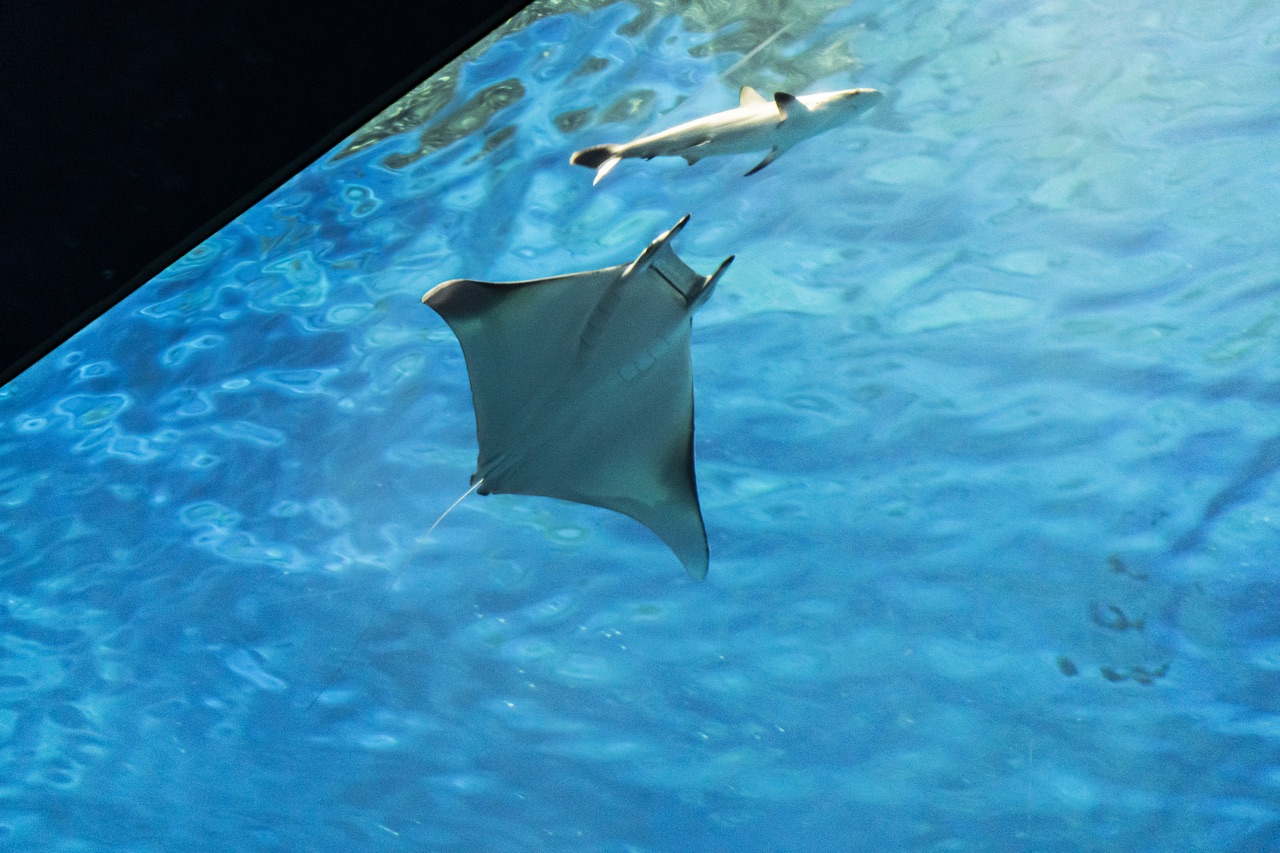
Mobula (Devil) Ray
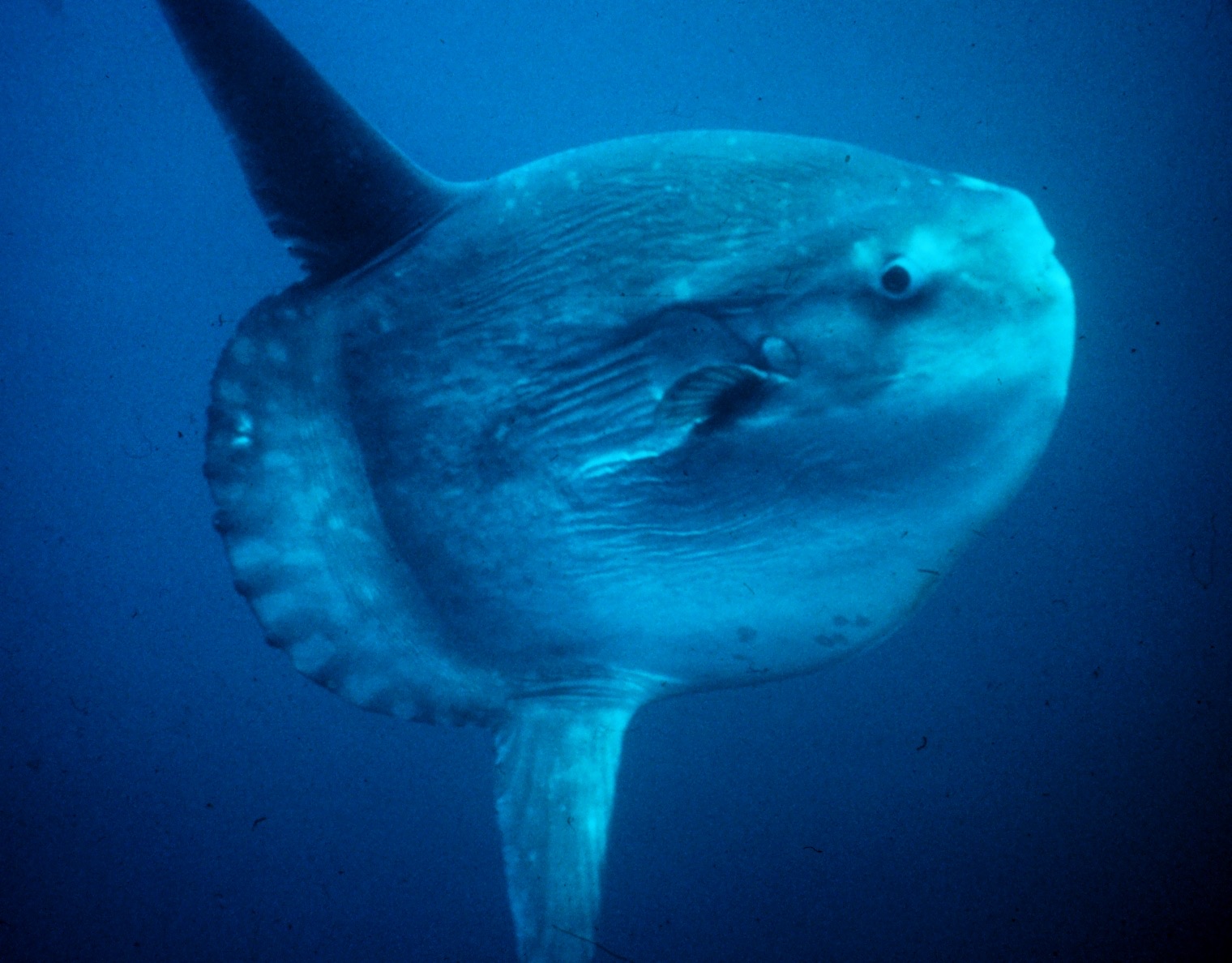
Mola Mola (Ocean Sunfish)
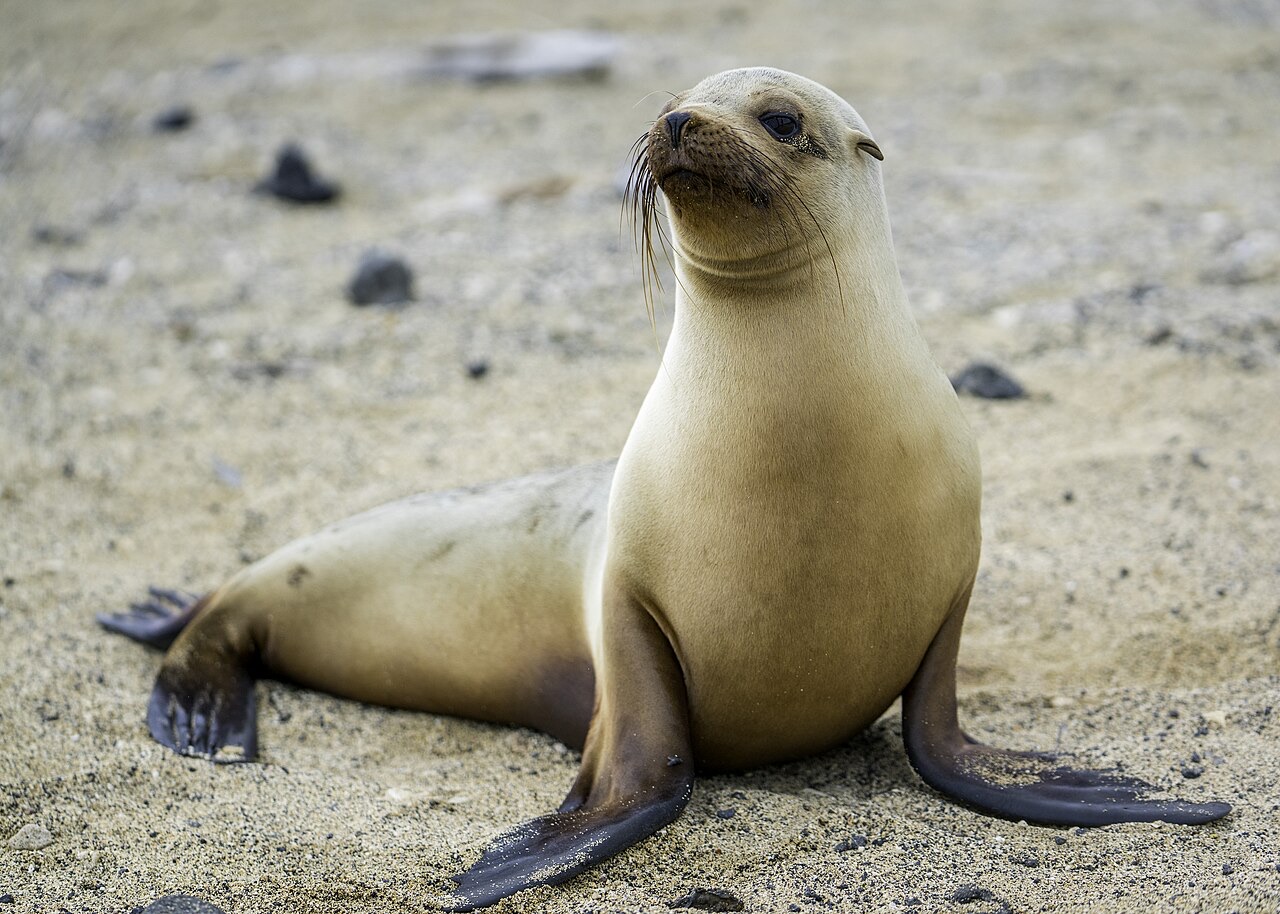
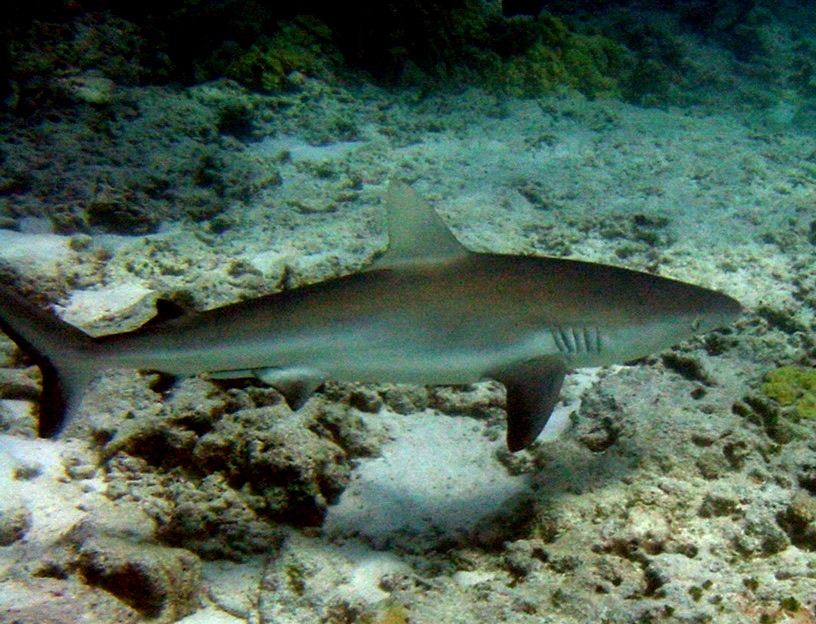
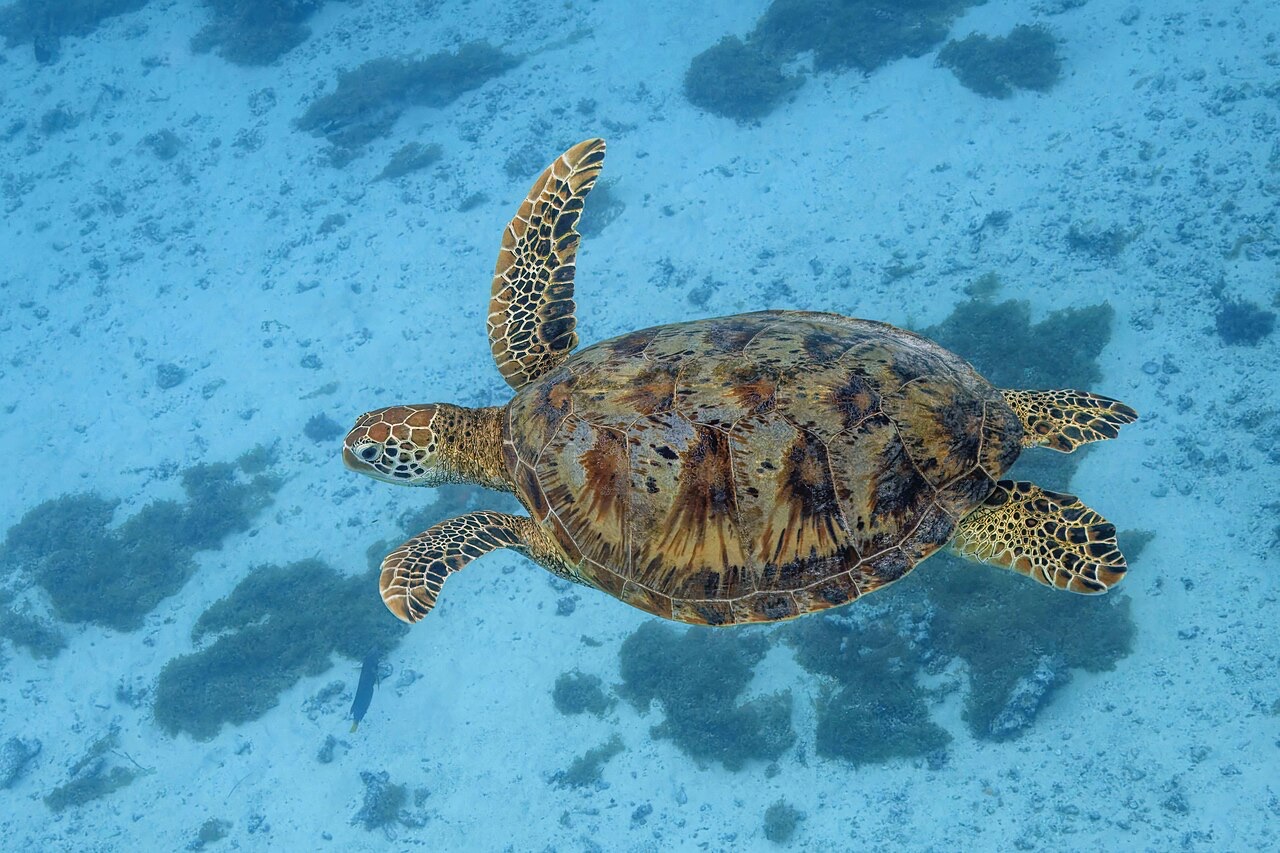
Scalloped hammerheads and Galapagos sharks year-round, whale sharks at Darwin and Wolf in the cool season, sea lions everywhere, marine iguanas feeding underwater at Fernandina, mola cleaning stations, eagle and marbled rays, turtles, penguins, and dense schools of jacks and creole fish.
Comment s'y rendre & se loger
Comment s'y rendre: Fly to Quito or Guayaquil in mainland Ecuador, then take a domestic flight to Baltra or San Cristobal. Liveaboards board near the airports; land-based divers continue by bus and ferry to Puerto Ayora on Santa Cruz.
Où séjourner: Puerto Ayora on Santa Cruz is the main land-based hub, with dive shops, hotels, and restaurants; Puerto Baquerizo Moreno on San Cristobal is quieter and closer to Kicker Rock.
Liveaboards: Dive liveaboards run fixed 7-night itineraries concentrating on Darwin and Wolf with central-island days on either end. Boats book out many months ahead for the July-October window.
Coûts: Land-based two-tank day trips from Puerto Ayora or Puerto Baquerizo Moreno run roughly US$160-260. Liveaboards, the only way to reach Darwin and Wolf, generally run about US$4,500-9,000 for seven nights depending on vessel class, before flights and park fees.
Entre les plongées: Giant tortoises in the Santa Cruz highlands, the Charles Darwin Research Station, lava tunnels, the Sierra Negra volcano hike on Isabela, and world-class snorkeling with sea lions and penguins fill surface days easily.
Snorkeling: Some of the best snorkeling on earth: sea lions, turtles, penguins, and marine iguanas are all regular from the surface at central-island sites.
Sécurité & aspects pratiques
Dangers: Strong, shifting currents and down-currents (Gordon Rocks has earned its washing-machine nickname), heavy surge on exposed rock, cool thermoclines, long panga rides, and genuine remoteness. Several sites are unforgiving of poor buoyancy or weak situational awareness.
Dive well within limits and carry a DSMB plus a surface signaling device on every dive; many operators also issue personal locator beacons. Follow guide briefings on current strategy exactly, and leave generous reserves: help is far away and boat pickups in current are routine but demand discipline.
Caisson de recompression le plus proche: A hyperbaric chamber has long operated in Puerto Ayora on Santa Cruz; availability changes, so route any emergency through your operator, local EMS, and DAN.