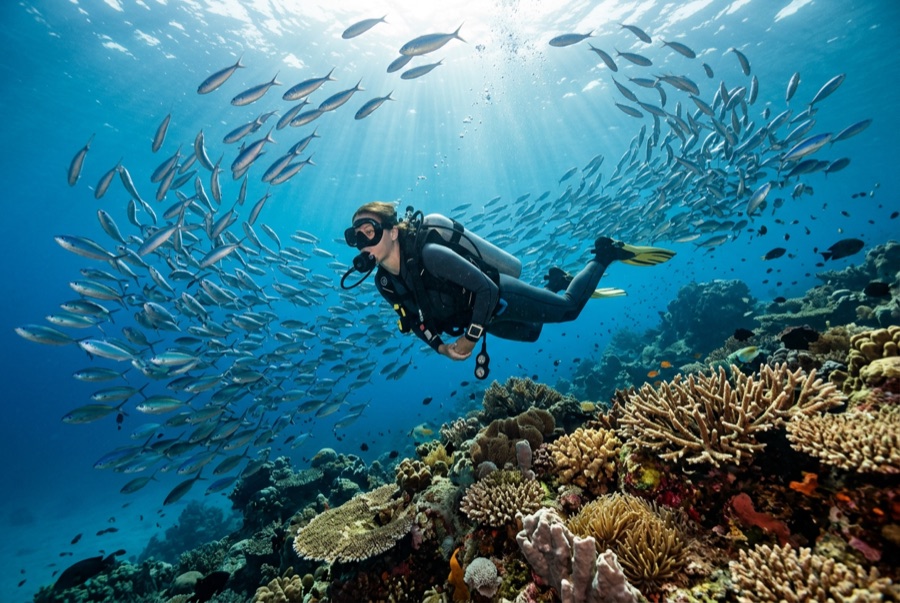
Coconut Point (Apo Island)
La profundidad es el rango desde la cima del punto de buceo hasta su máximo habitual; la "certificación recomendada" es el nivel que los operadores suelen pedir según las agencias principales, no una norma legal. Las corrientes y la visibilidad cambian a diario, así que trata todo esto como rangos de planificación.
Coconut is Apo Island's espresso shot. Water piling around the island's northern point runs over terraced hard coral and turns the dive into a conveyor: divers tuck into the lee of coral ridges while bigeye trevally wheel overhead in barrel formations, midnight snapper stack in the flow, and green turtles, absurdly, graze on as though the river of water were not there. Sea kraits hunt the terraces between surges. When the current peaks, the group flies the last stretch and surfaces grinning in open water. It demands comfort with drift procedure and rewards it disproportionately.
El momento por el que vienes: Trevally barrels in ripping current, turtles indifferent to the flow, Apo's signature drift
Topografía: Sloping hard-coral terraces funneling into a current-swept point
Corriente: The island's current machine; flow can accelerate mid-dive and briefings cover reef-hook-free positioning.
Entrada: Dived on the tide; guides position the drop so the current carries the group along the point.
Lo que debes saber antes de tirarte al agua
Riesgos: Strong, building current with occasional down-eddies off the point; surface marker and tight groups required.
Permisos y normas: Island and sanctuary fees collected on arrival; group sizes are limited.
Conservación: Apo's community-managed protection dates to the 1980s; fees, group caps, and no-touch rules are enforced by the village.
A quién encontrarás
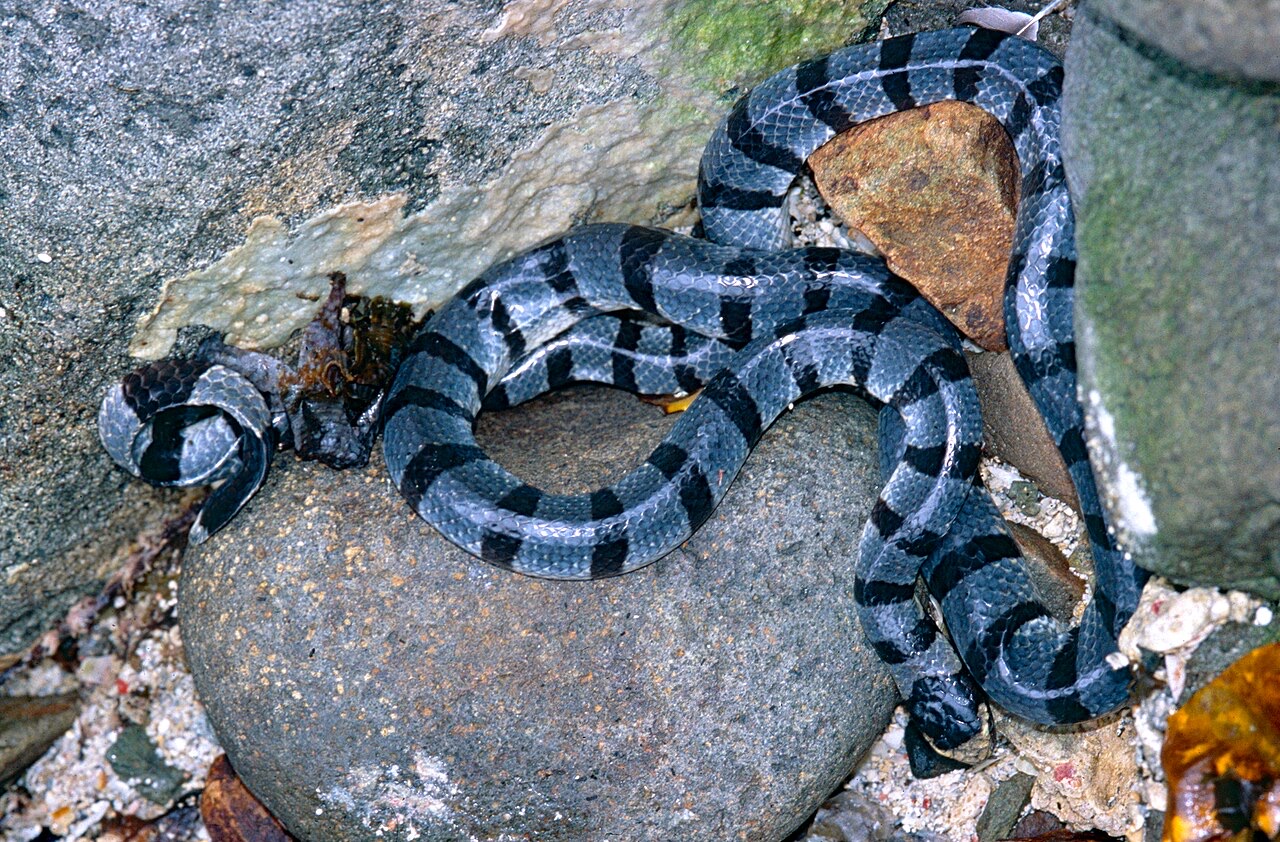
Banded Sea Krait
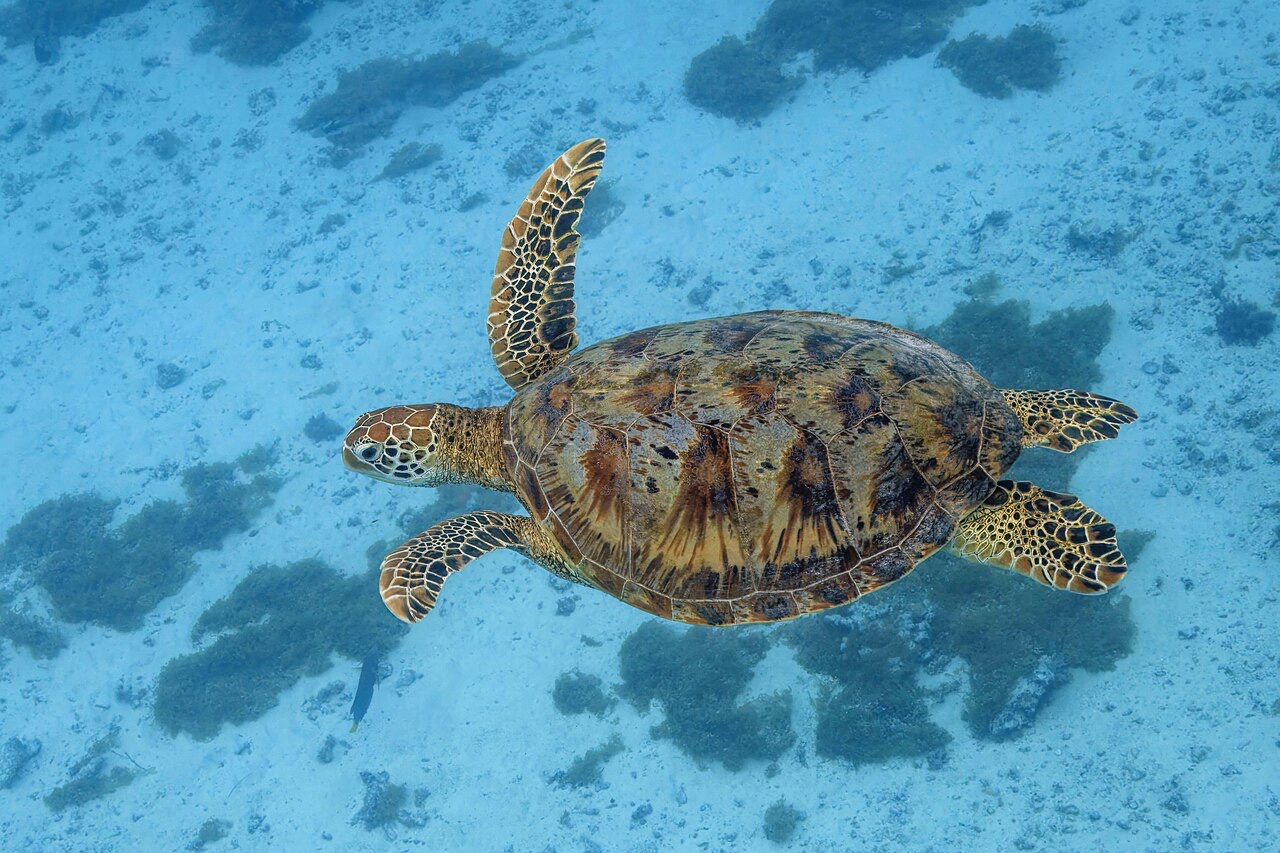
Green Sea Turtle
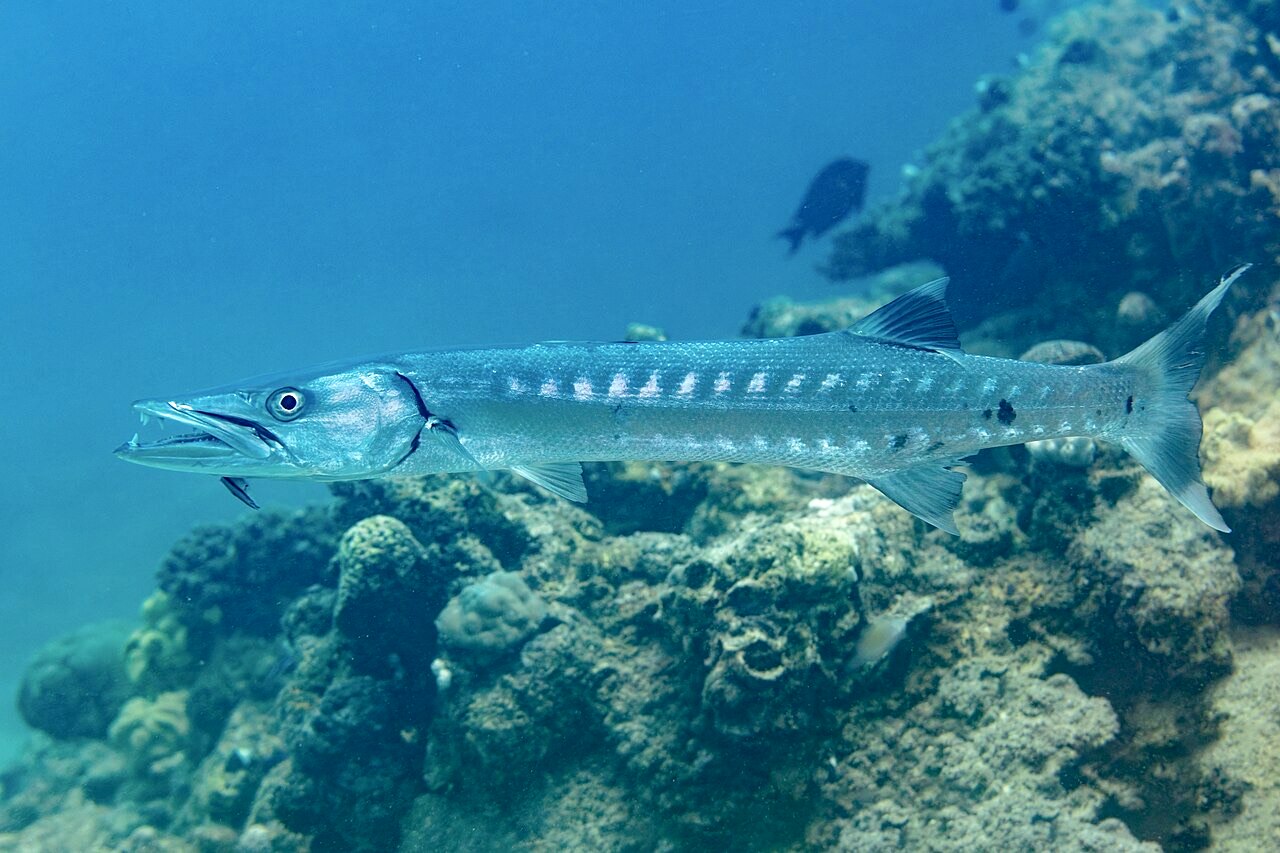
Great Barracuda
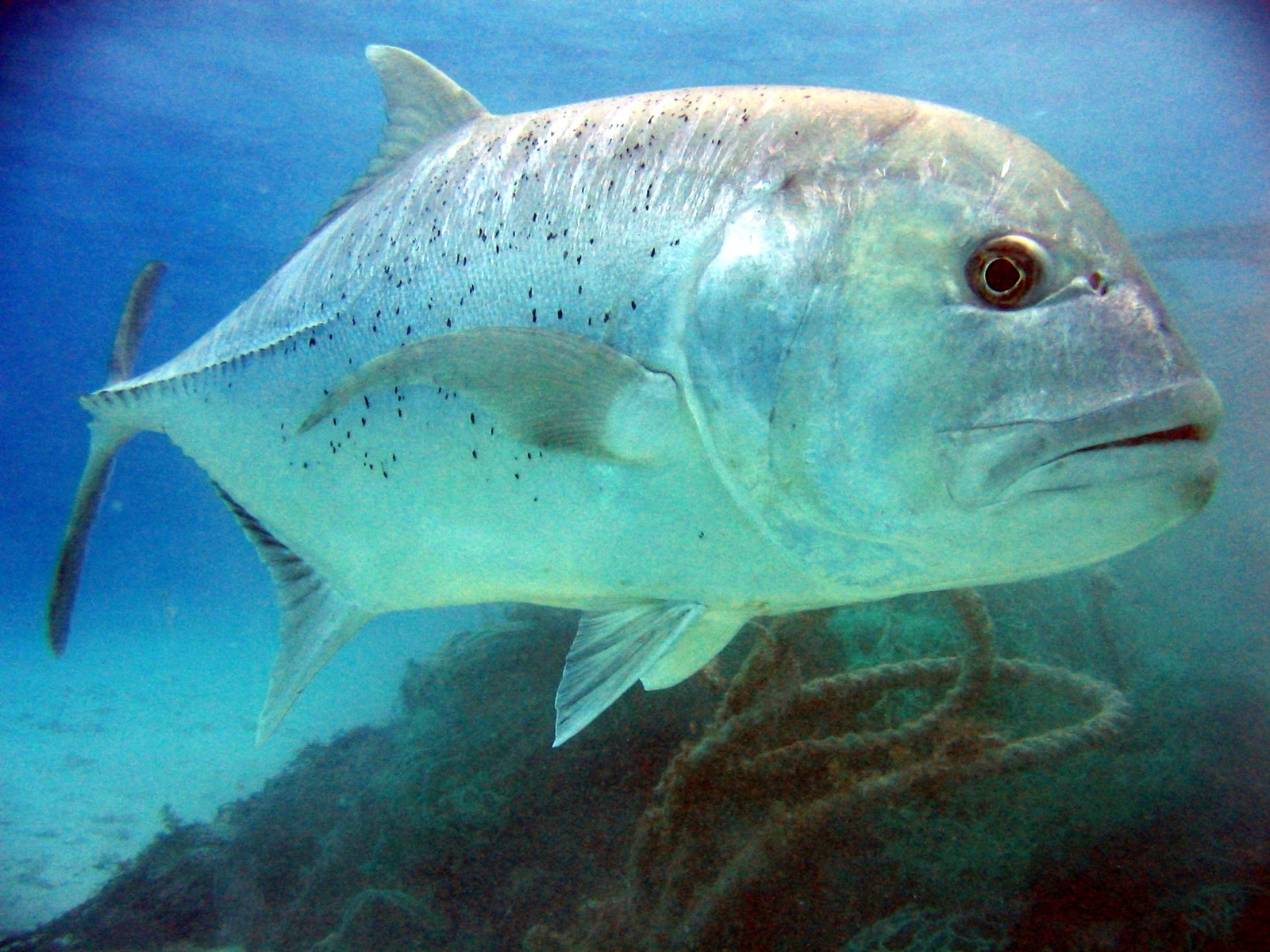
Giant Trevally
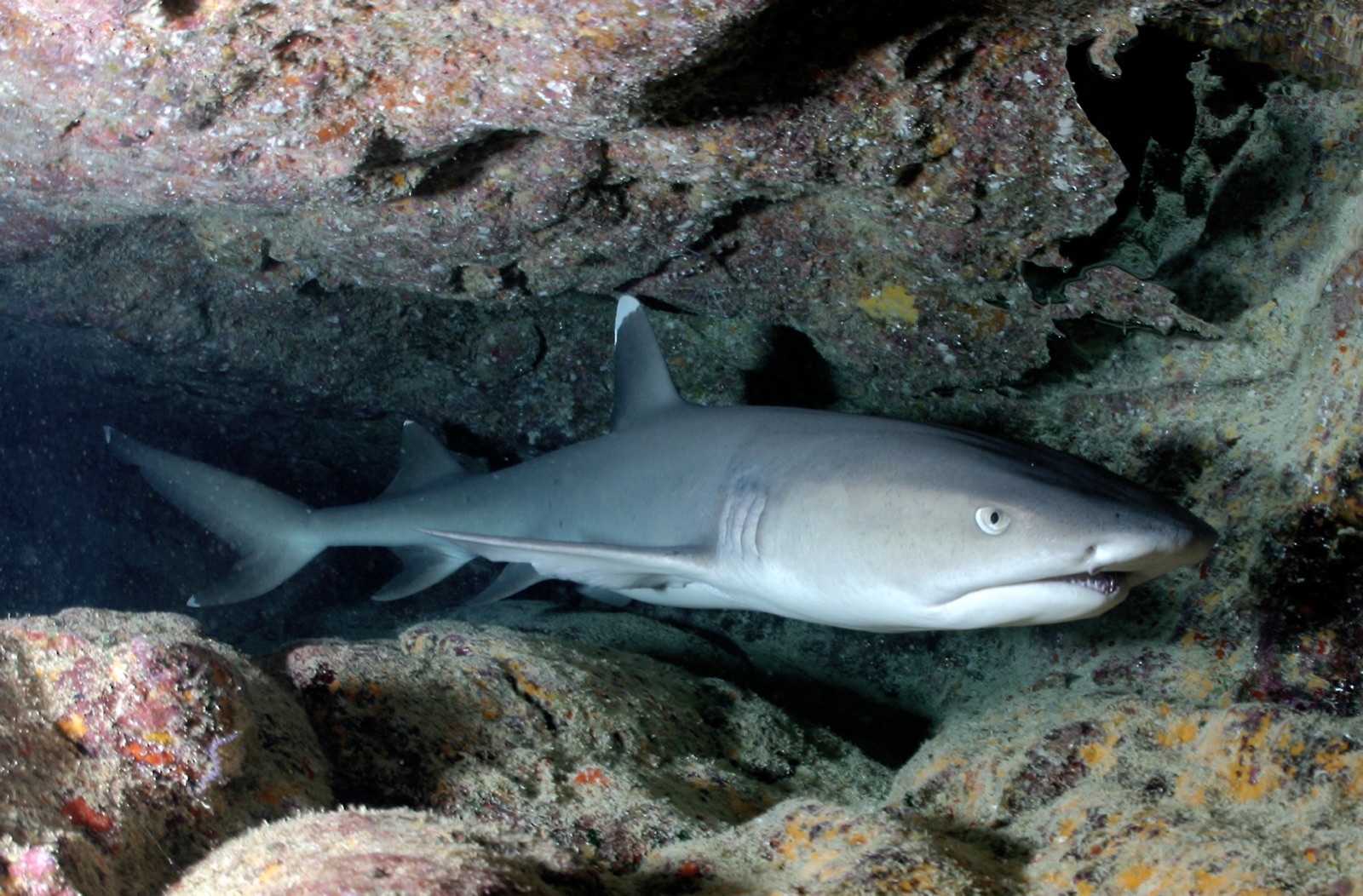
Whitetip Reef Shark
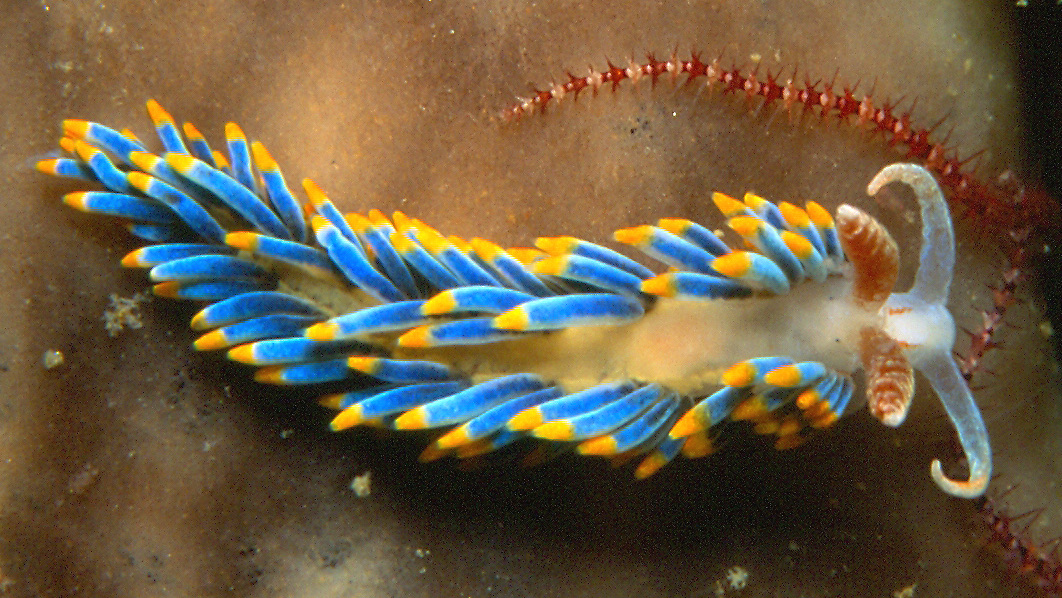
Nudibranchs
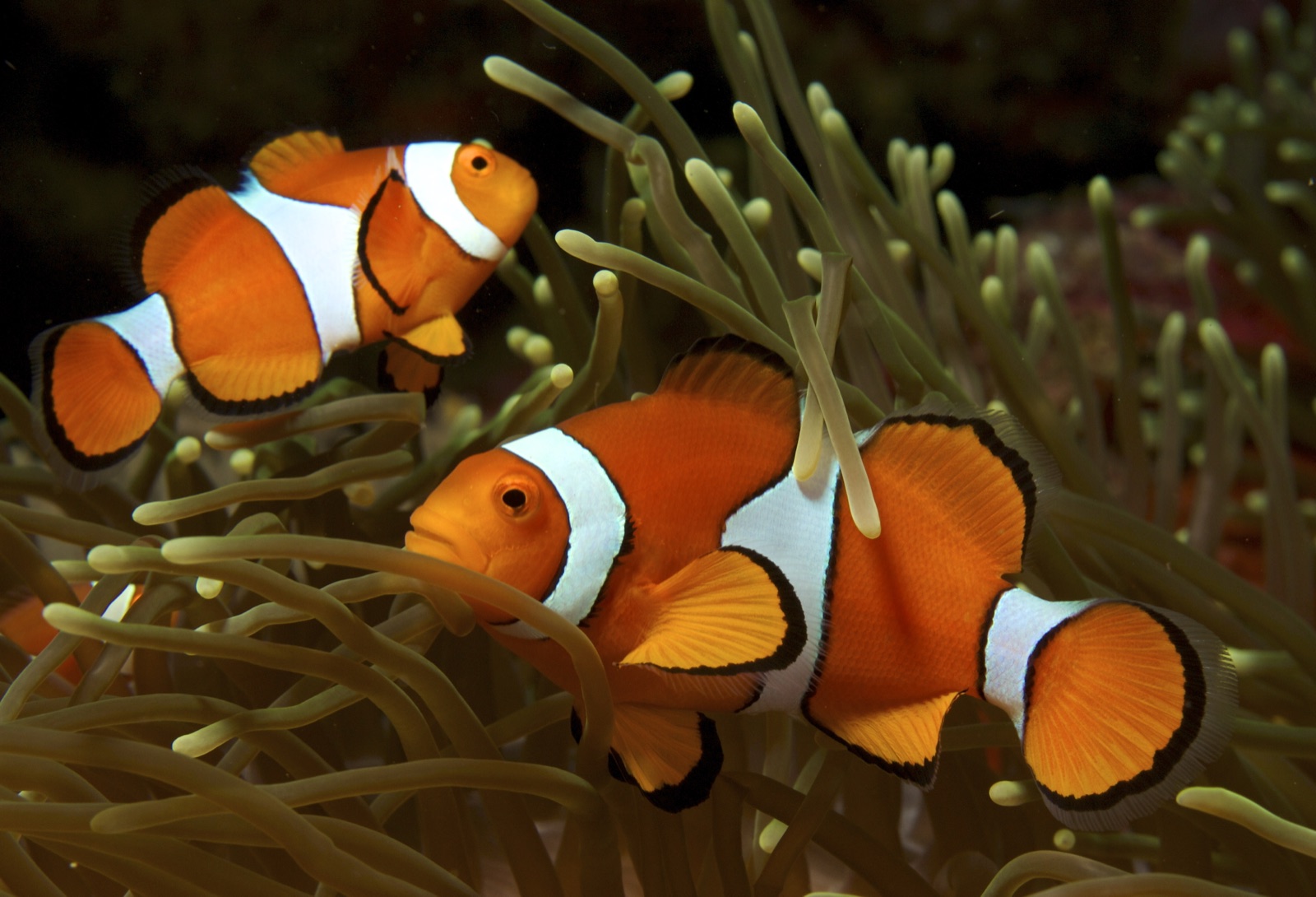
Clownfish & Anemonefish
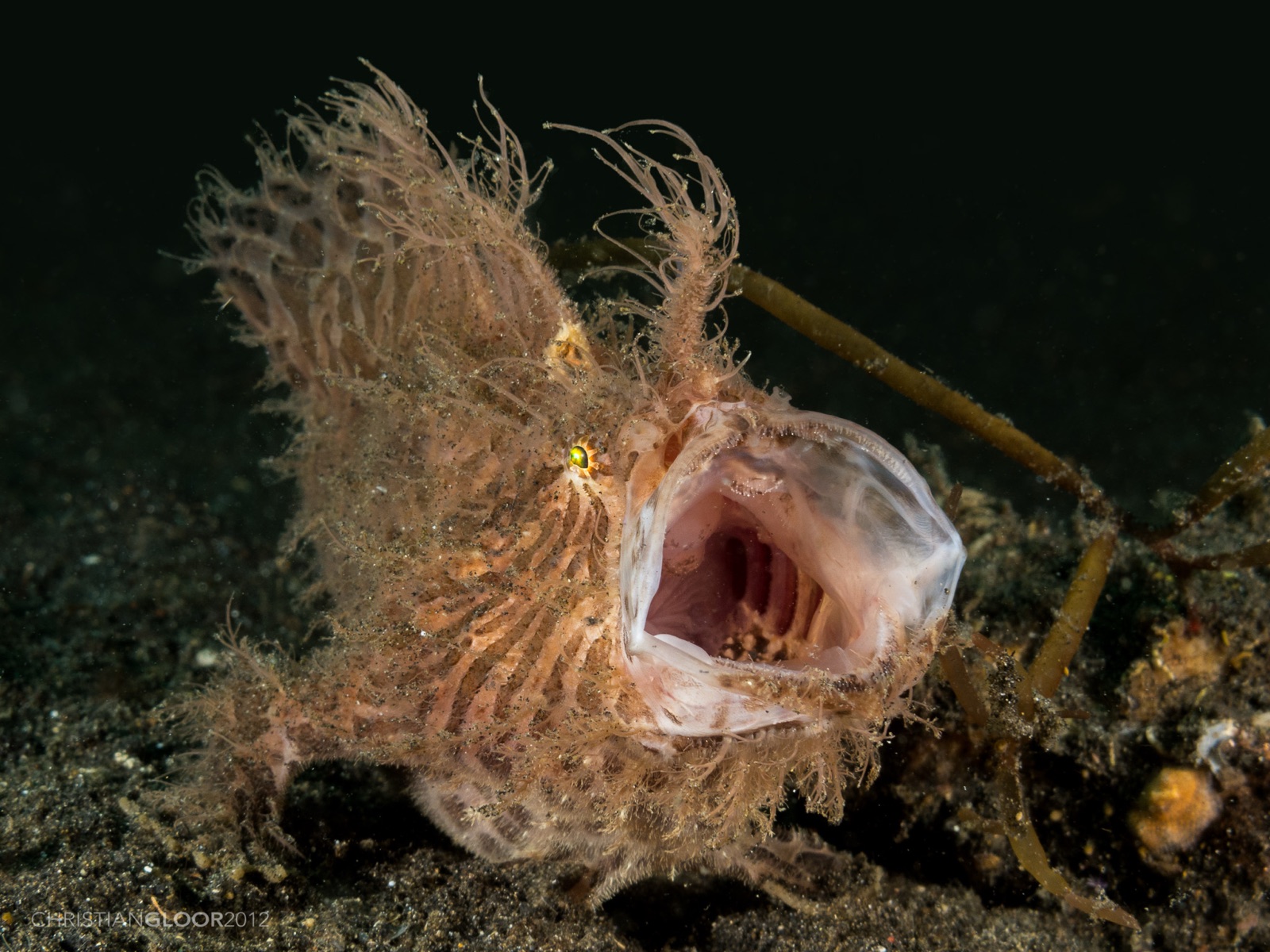
Frogfish
También registrado cerca
Las especies "aquí registradas" fueron añadidas por nuestros editores a partir de las fuentes de esta página. Los recuentos son registros de ocurrencia de GBIF: observaciones anotadas en un radio de unos 5 km de la posición registrada desde 1990, cotejadas únicamente con las especies de nuestro catálogo. Muestran lo que se ha avistado allí, no una garantía de lo que verás.
Para fotógrafos
Gran angular: ★★★★☆ · Macro: ★☆☆☆☆ (valoración de 1 a 5 de los editores sobre lo que ofrece este sitio para cada estilo de fotografía)