Broken Rock
Die Tiefe gibt den Bereich von der Oberkante des Tauchplatzes bis zur üblichen Maximaltiefe an; „empfohlene Zertifizierung" ist das von Anbietern üblicherweise geforderte Mainstream-Agenturniveau – keine gesetzliche Vorschrift. Strömungen und Sichtweite ändern sich täglich – behandle alle Angaben hier als Planungsbereiche.
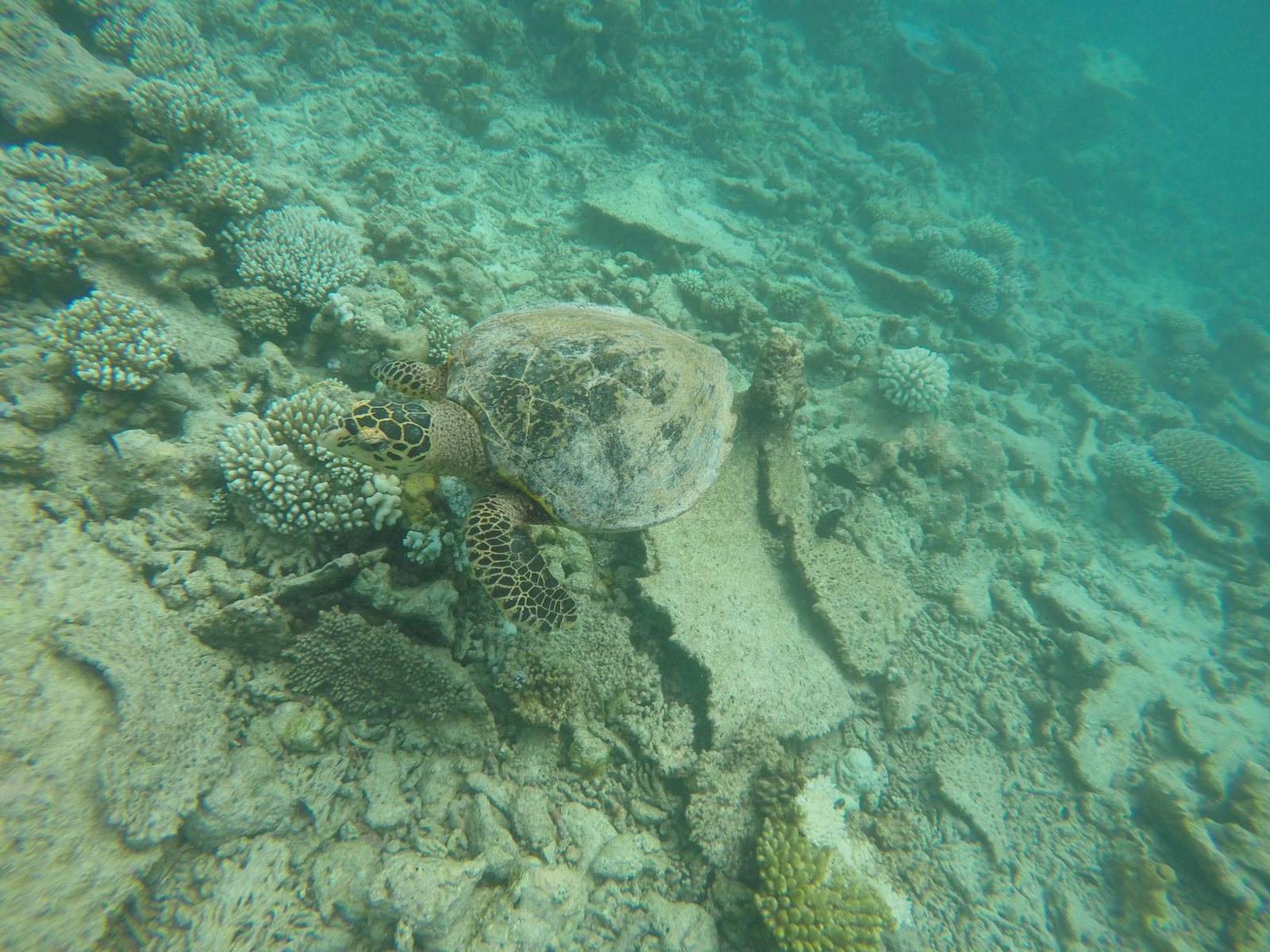
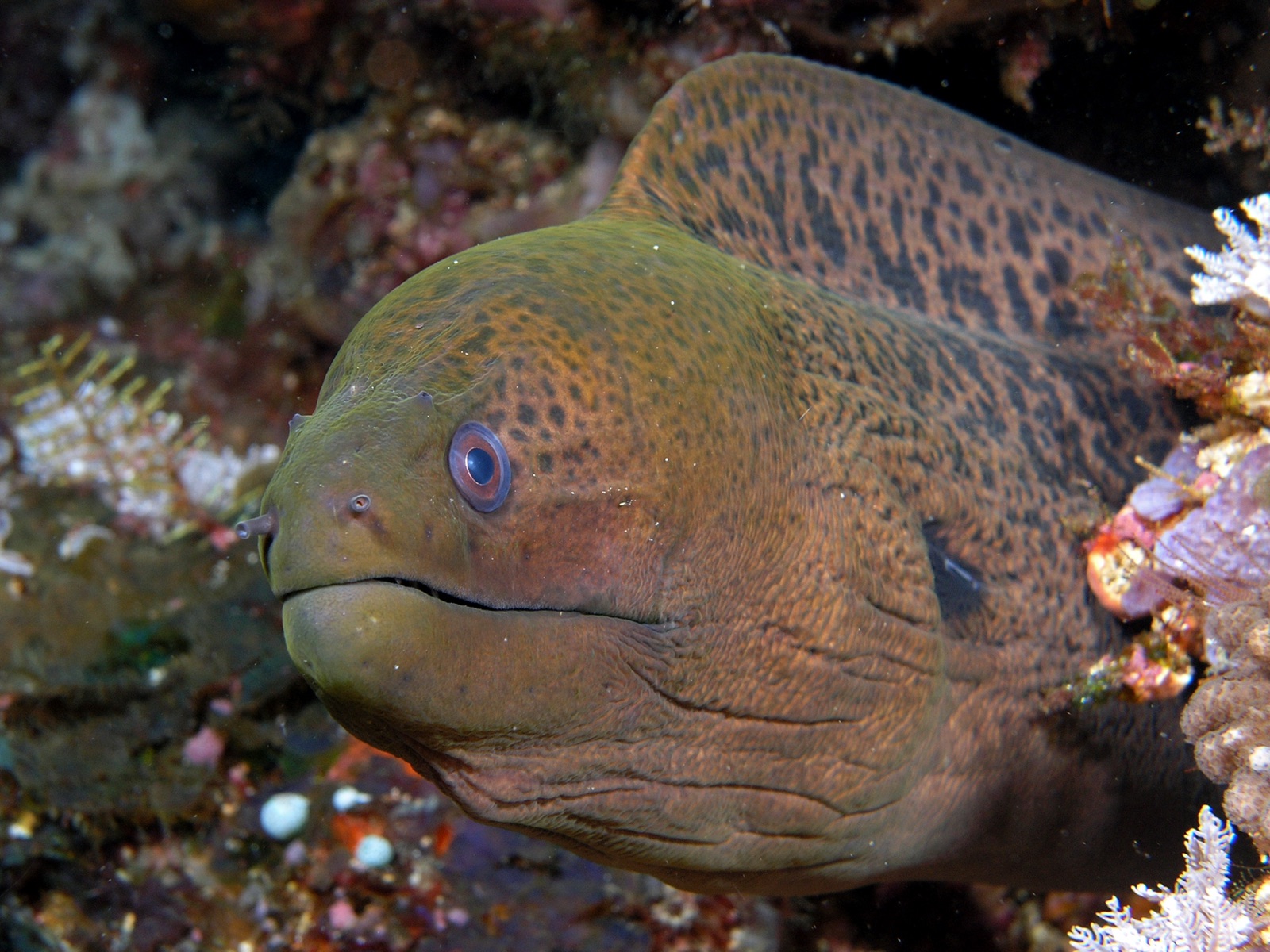
Broken Rock is named for the fissure that splits the pinnacle end to end: a canyon a few meters wide and up to ten deep, its walls upholstered with sea fans and whip corals that sway as the tide breathes through. Swimming the gap single file, with an eye on surge and fins off the walls, is the signature moment. Around the outside, terraces hold morays, turtles, marbled grouper, and drifts of anthias, and the sand at the base is worth scanning for rays. Photographers burn entire dives inside the crack.
Der Moment, für den du kommst: The fan-lined canyon swim; turtle and moray terraces around the rim
Topografie: A thila cleaved in two by a narrow canyon, walls hung with fans and whip corals
Strömung: Current across the canyon mouth decides whether the split can be swum; guides check before committing groups.
Was du wissen solltest, bevor du ins Wasser gehst
Gefahren: Surge in the canyon; overhead-feeling terrain in the narrowest sections.
Naturschutz: The canyon's fans are fragile and slow-growing: perfect trim or stay out of the split.
Nitrox: Hier lohnt es sich – die Profile liegen in einem Bereich, in dem Nitrox die Nullzeiten spürbar verlängert (mit der entsprechenden Ausbildung).
Wen du triffst
Nudibranchs
Giant Moray Eel
Napoleon (Humphead) Wrasse
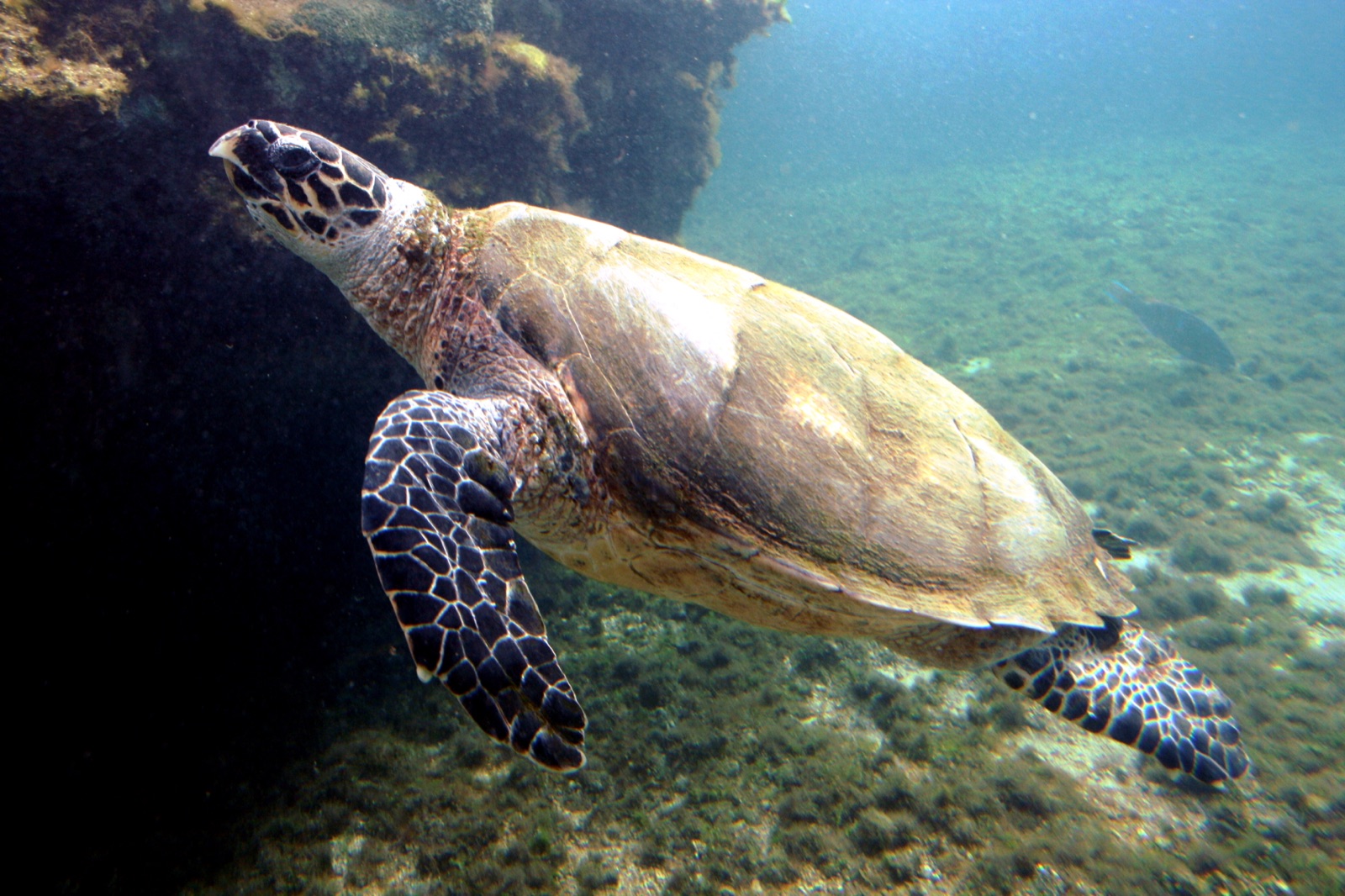
Hawksbill Turtle
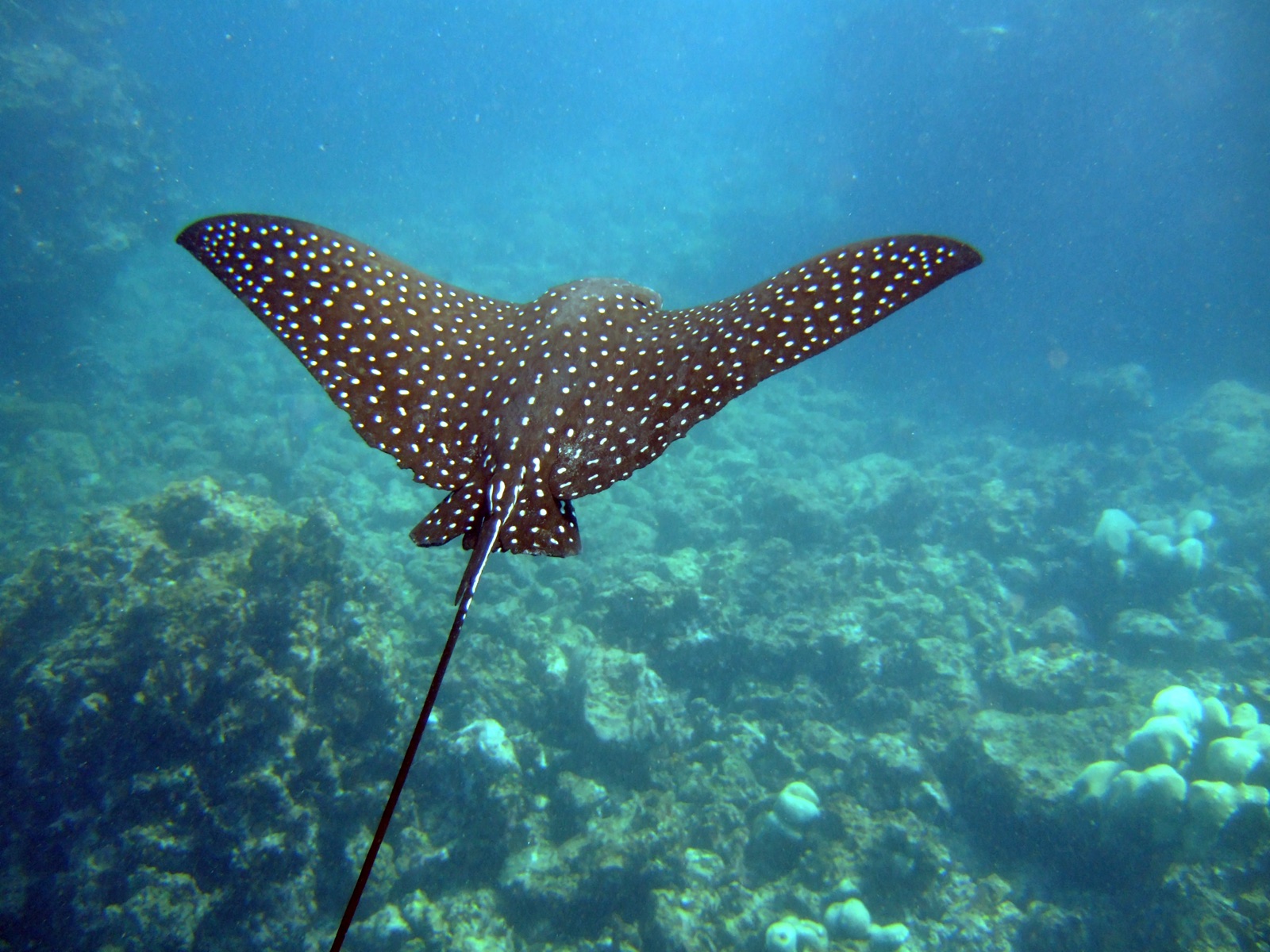
Spotted Eagle Ray
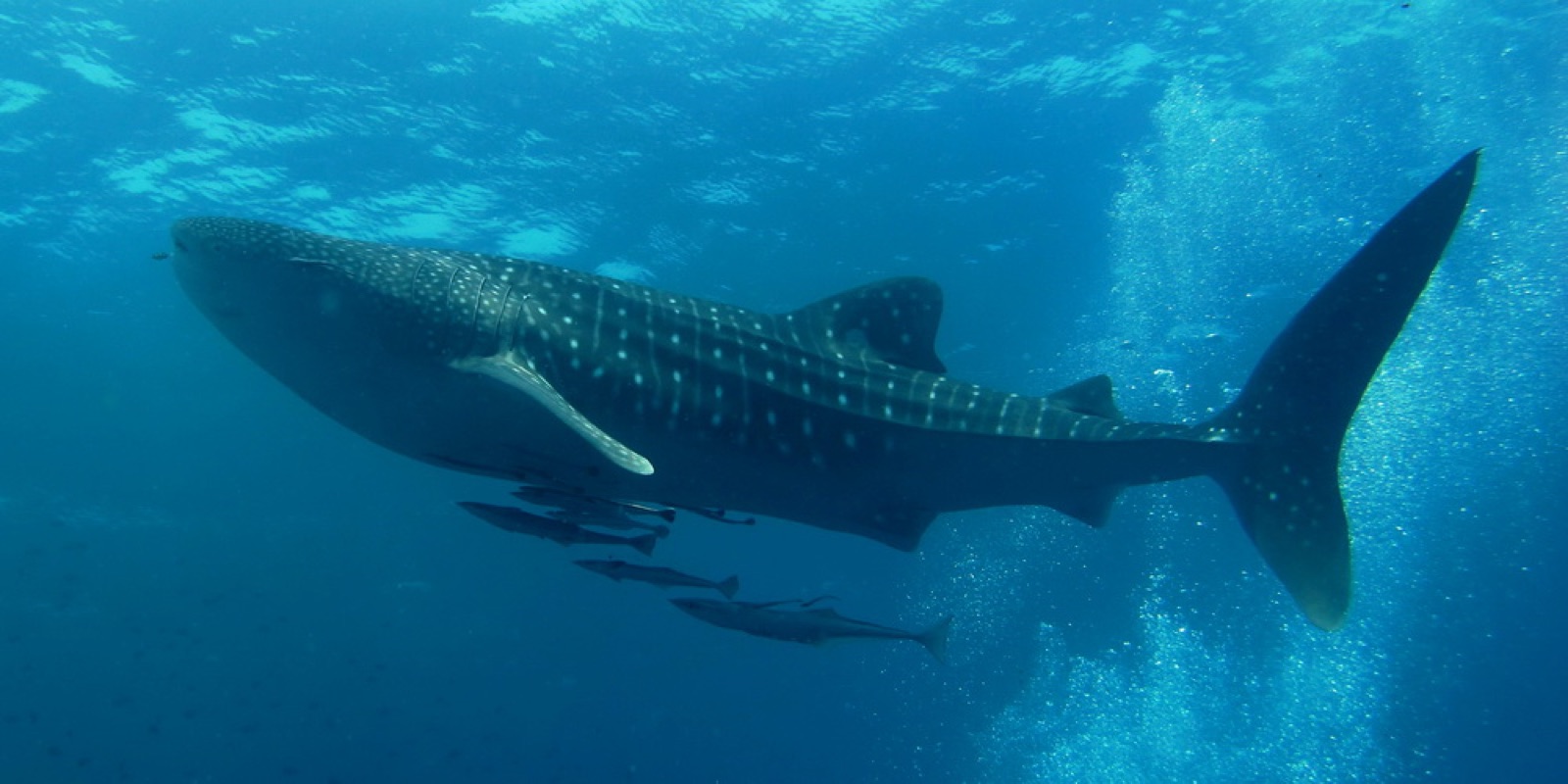
Whale Shark

Clownfish & Anemonefish
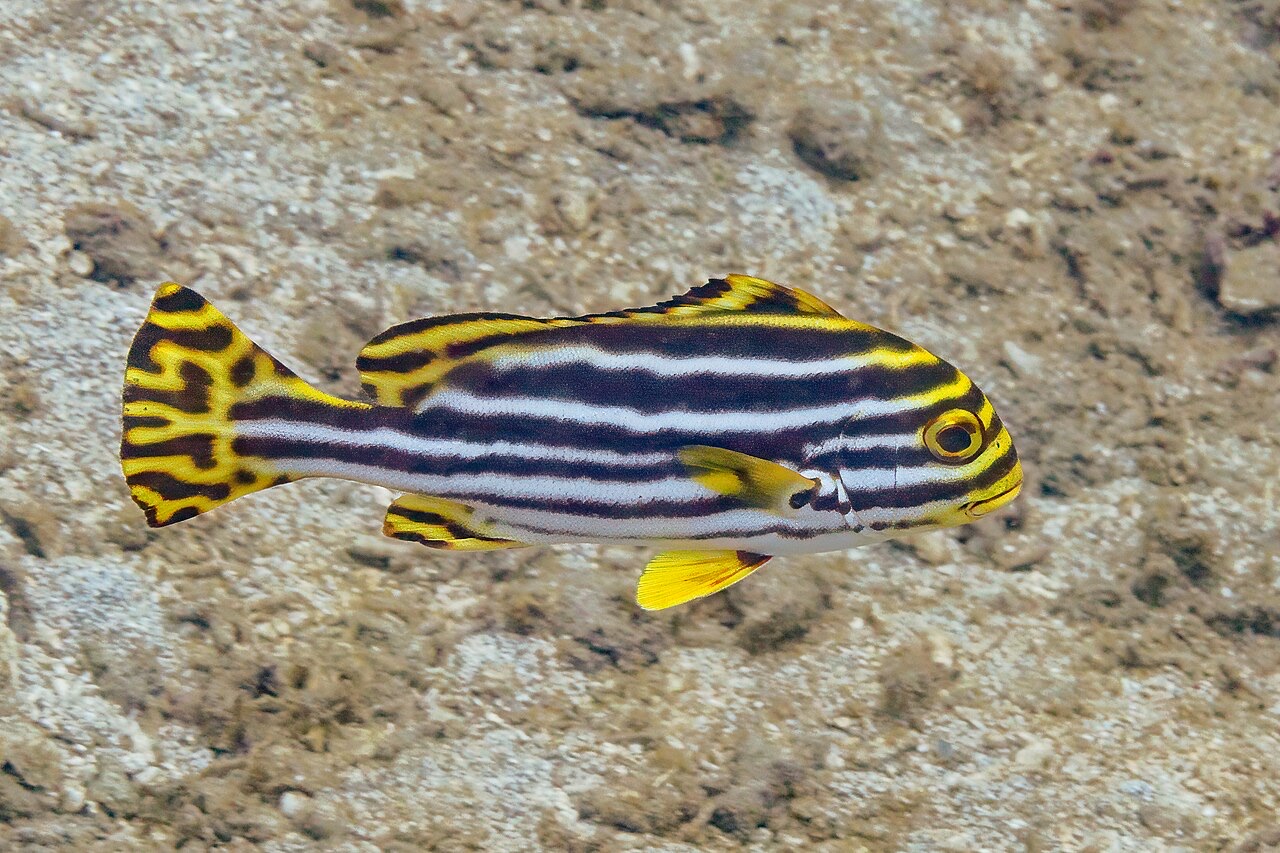
Oriental Sweetlips
Auch in der Nähe nachgewiesen
„Hier kartiert" – Arten wurden von unseren Redakteuren anhand der Quellen auf dieser Seite erfasst. Die Zahlen sind GBIF-Vorkommensdatensätze: Beobachtungen, die seit 1990 im Umkreis von etwa 5 km um die kartierte Position protokolliert wurden, ausschließlich abgeglichen mit den Arten in unserem Katalog. Sie zeigen, was dort gesichtet wurde – keine Garantie, was du sehen wirst.
Für Fotografen
Weitwinkel: ★★★★★ · Makro: ★★★☆☆ (Redaktionelle 1–5-Bewertung, was dieser Platz für jeden Fotografie-Stil bietet)