Broken Rock
La profundidad es el rango desde la cima del punto de buceo hasta su máximo habitual; la "certificación recomendada" es el nivel que los operadores suelen pedir según las agencias principales, no una norma legal. Las corrientes y la visibilidad cambian a diario, así que trata todo esto como rangos de planificación.
Broken Rock is named for the fissure that splits the pinnacle end to end: a canyon a few meters wide and up to ten deep, its walls upholstered with sea fans and whip corals that sway as the tide breathes through. Swimming the gap single file, with an eye on surge and fins off the walls, is the signature moment. Around the outside, terraces hold morays, turtles, marbled grouper, and drifts of anthias, and the sand at the base is worth scanning for rays. Photographers burn entire dives inside the crack.
El momento por el que vienes: The fan-lined canyon swim; turtle and moray terraces around the rim
Topografía: A thila cleaved in two by a narrow canyon, walls hung with fans and whip corals
Corriente: Current across the canyon mouth decides whether the split can be swum; guides check before committing groups.
Lo que debes saber antes de tirarte al agua
Riesgos: Surge in the canyon; overhead-feeling terrain in the narrowest sections.
Conservación: The canyon's fans are fragile and slow-growing: perfect trim or stay out of the split.
Nitrox: Vale la pena aquí: los perfiles están en el rango donde el nitrox amplía de forma significativa el tiempo sin parada (con la formación necesaria para usarlo).
A quién encontrarás
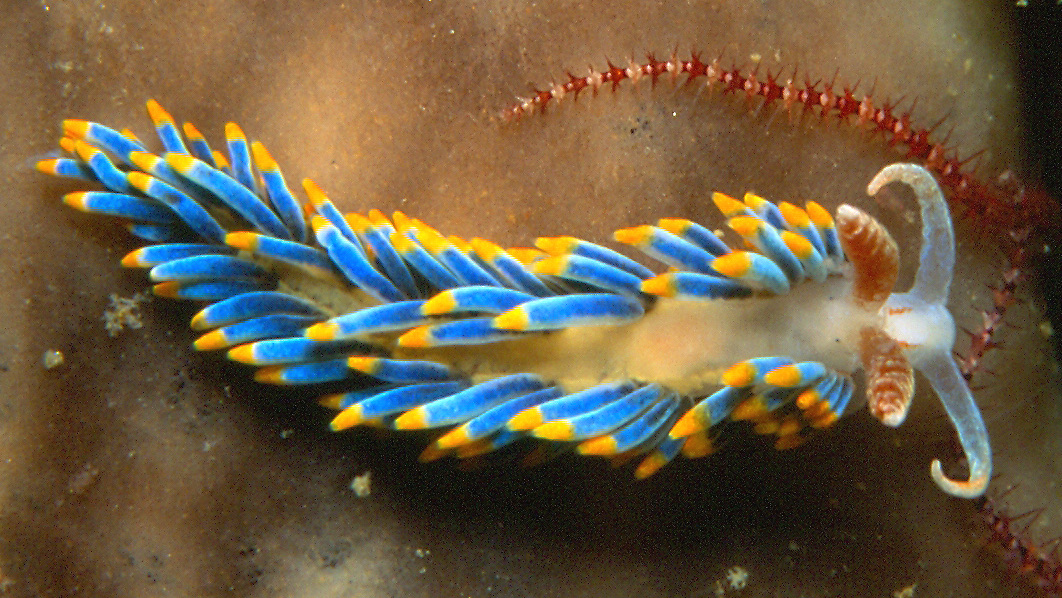
Nudibranchs
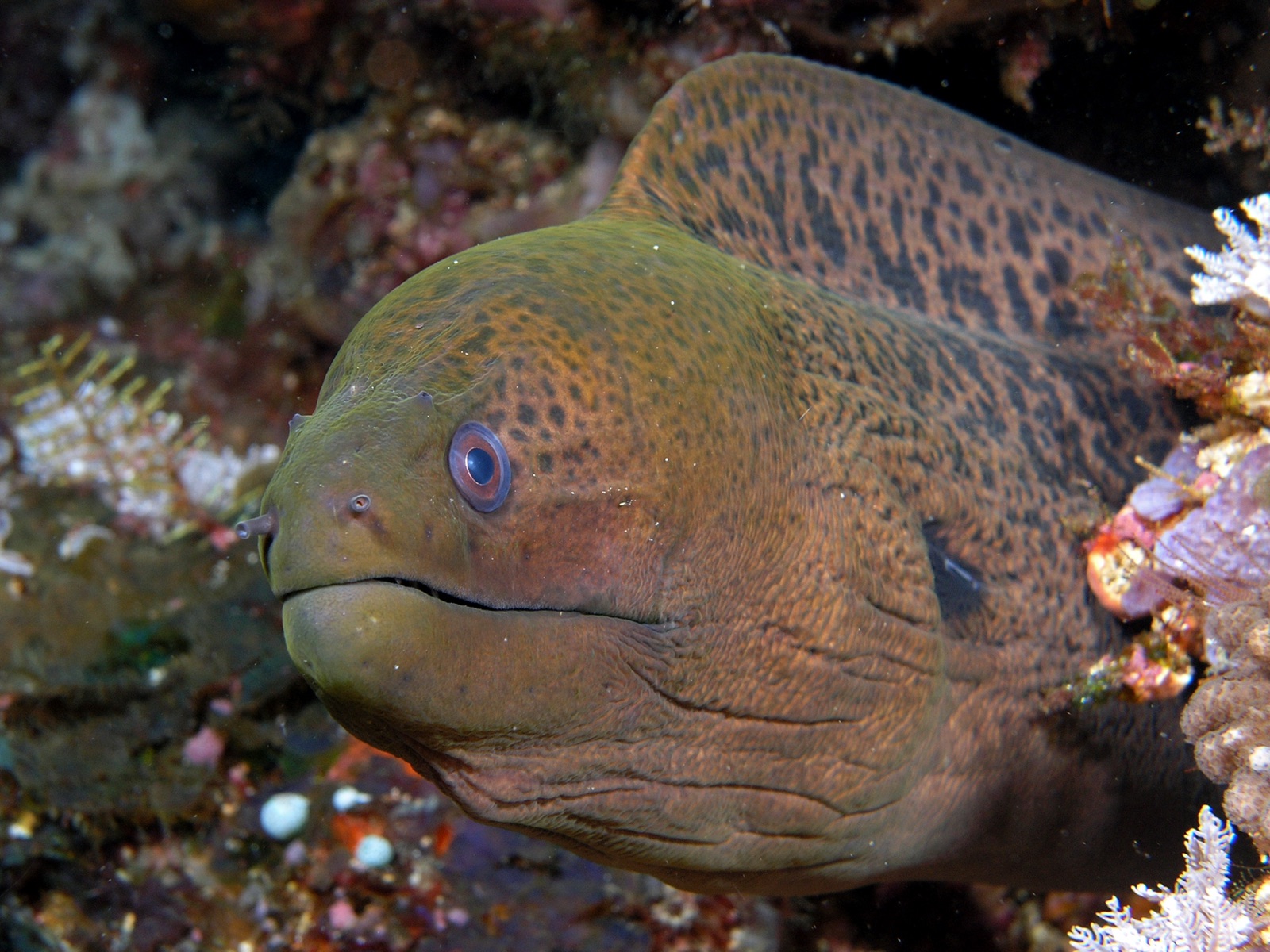
Giant Moray Eel
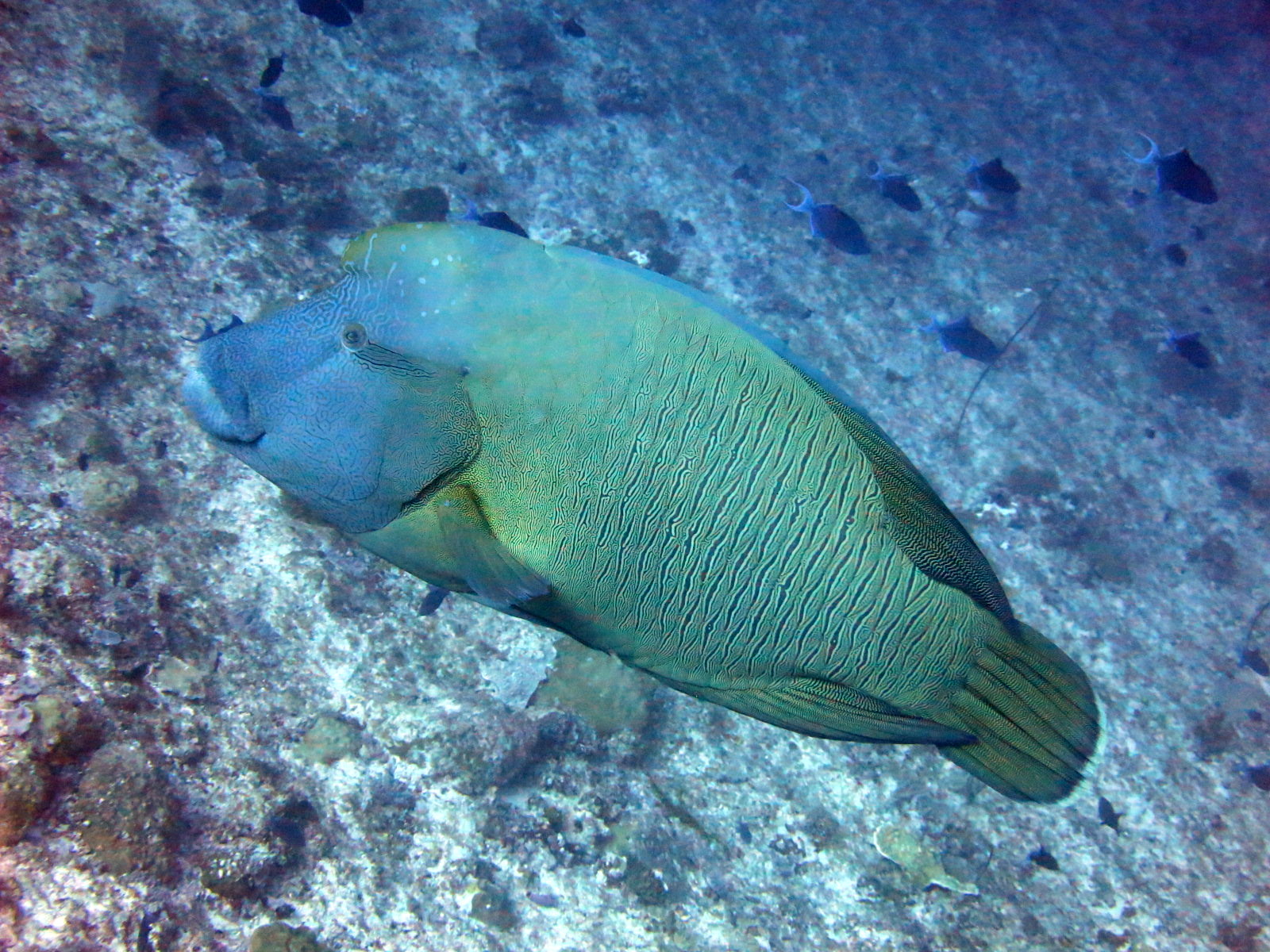
Napoleon (Humphead) Wrasse
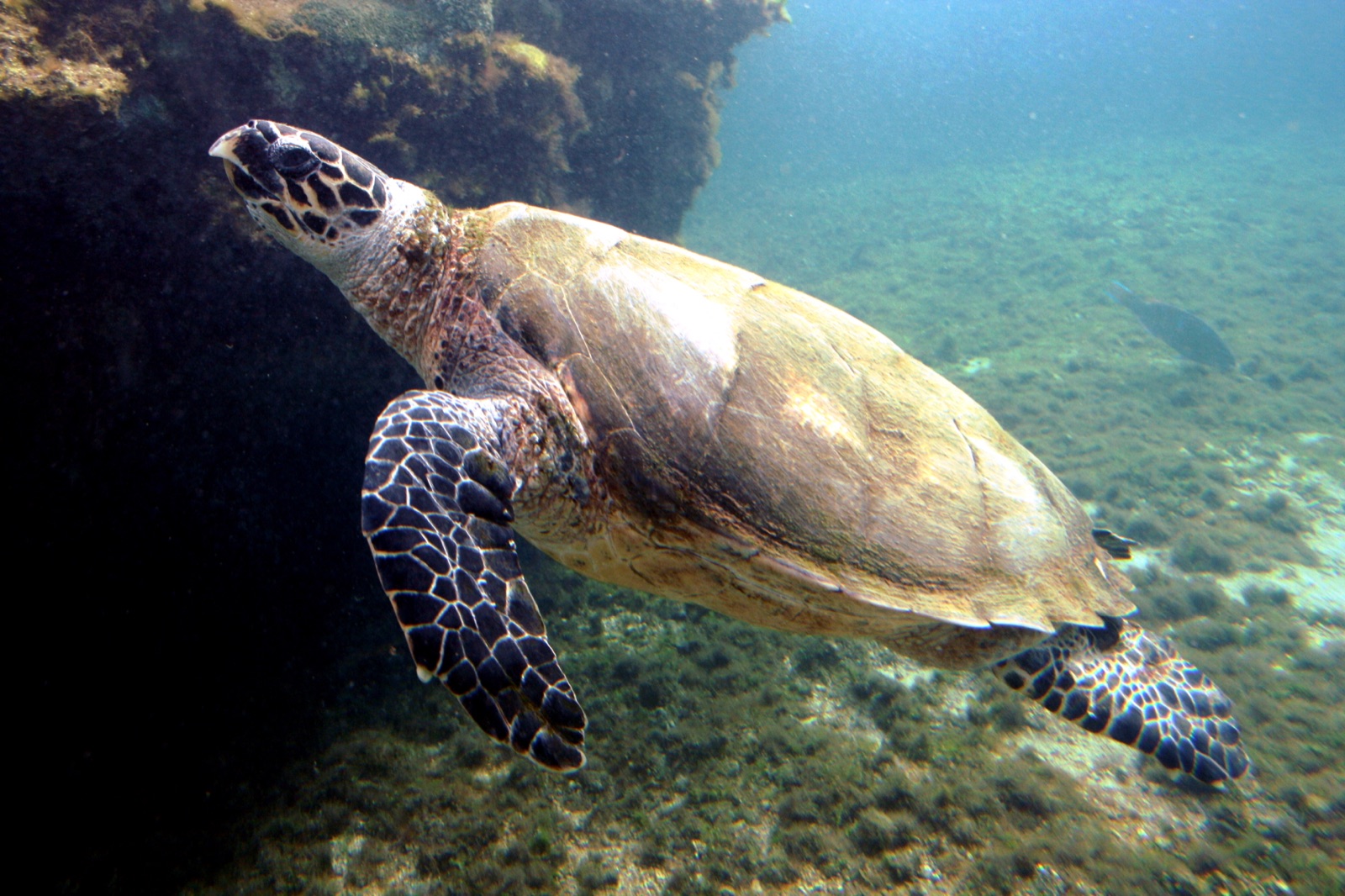
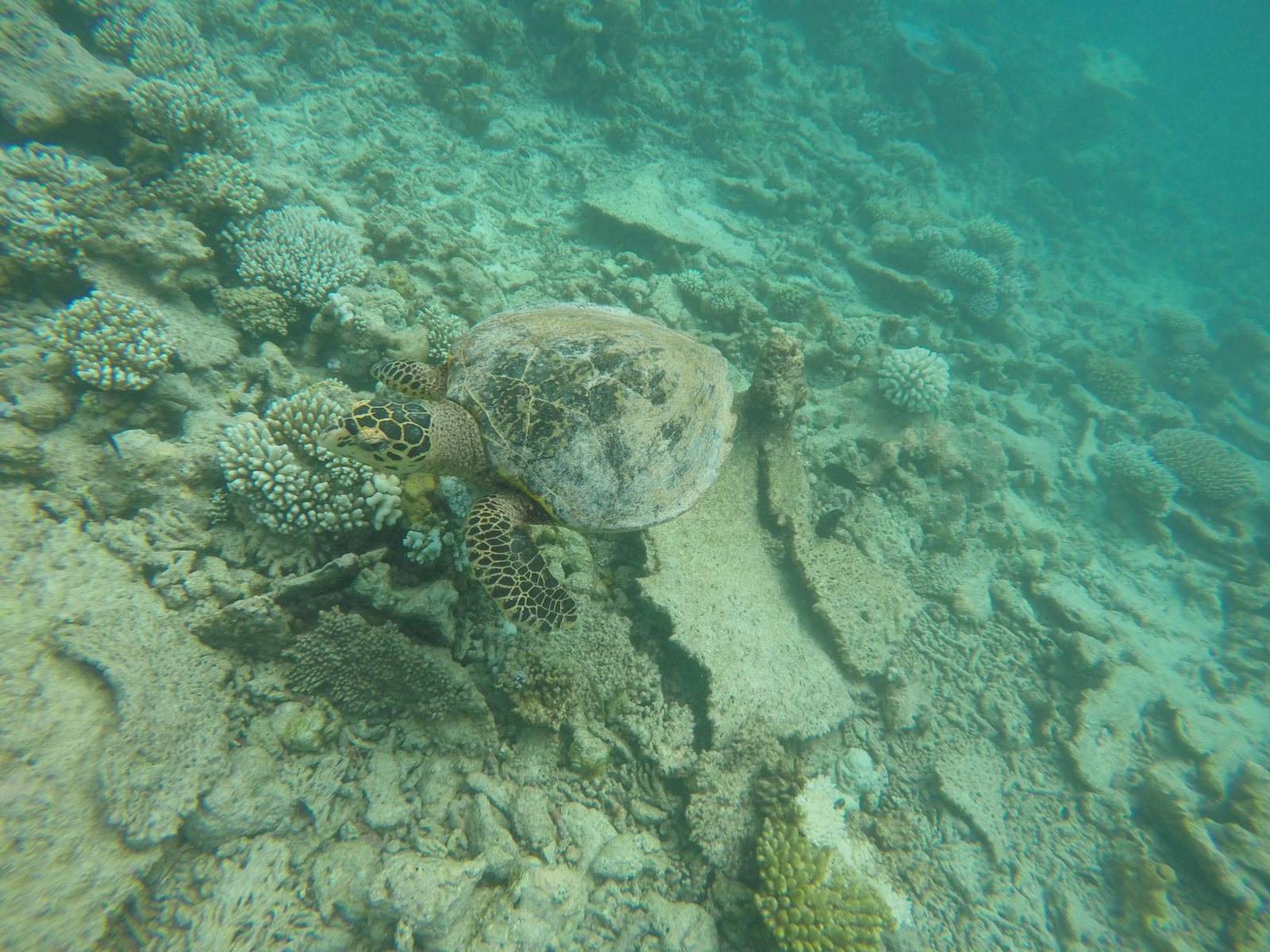
Hawksbill Turtle
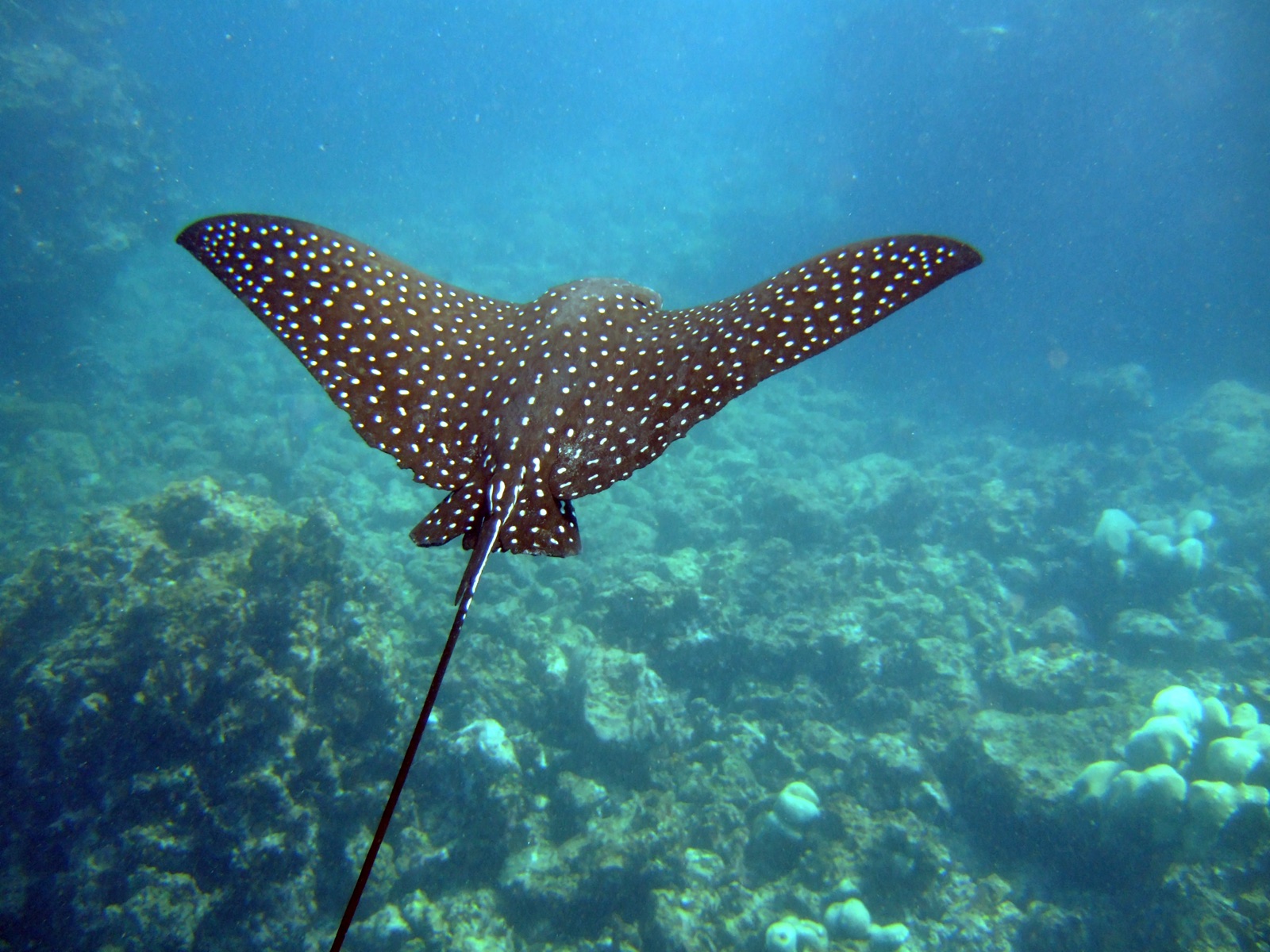
Spotted Eagle Ray
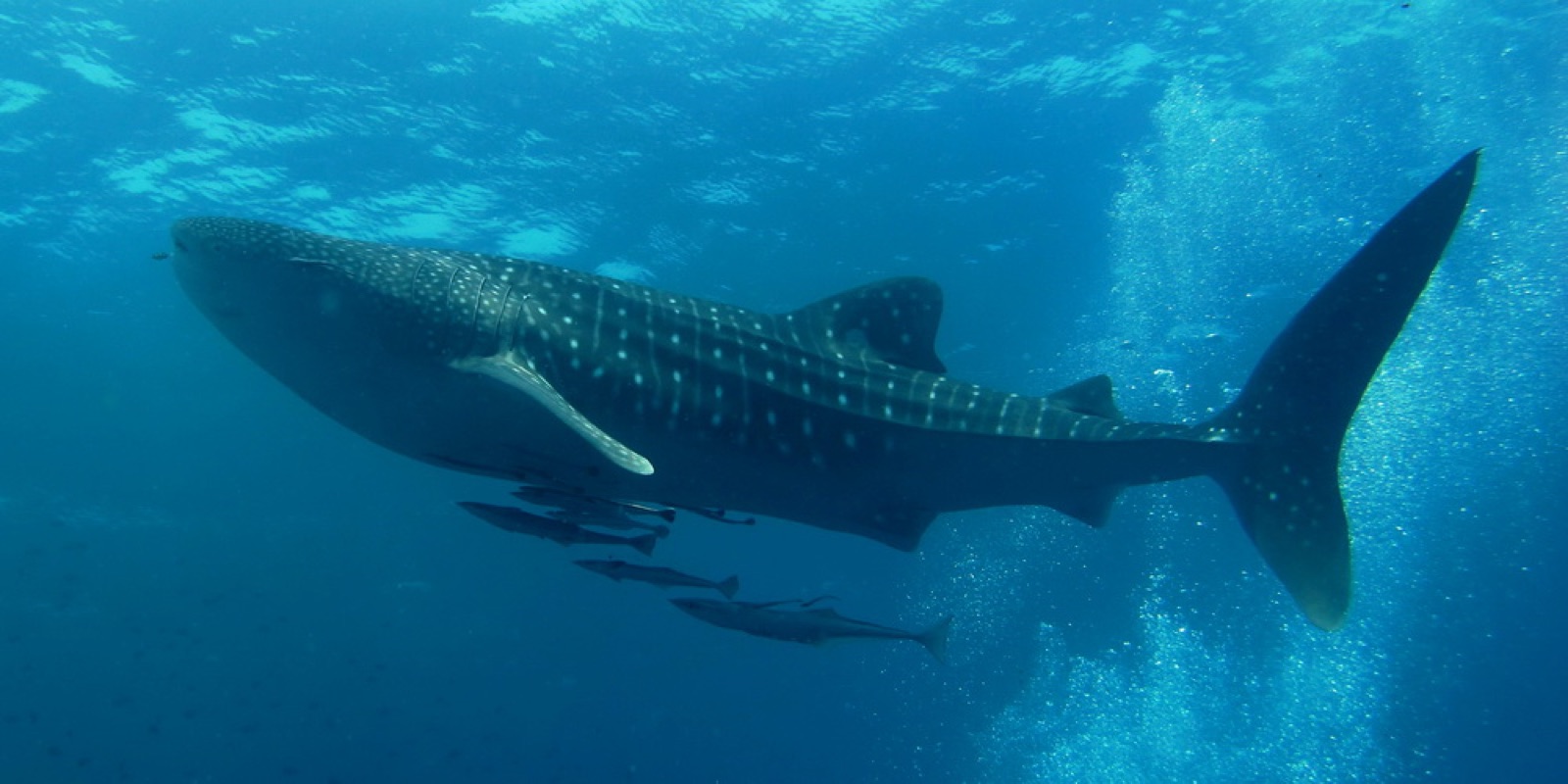
Whale Shark

Clownfish & Anemonefish
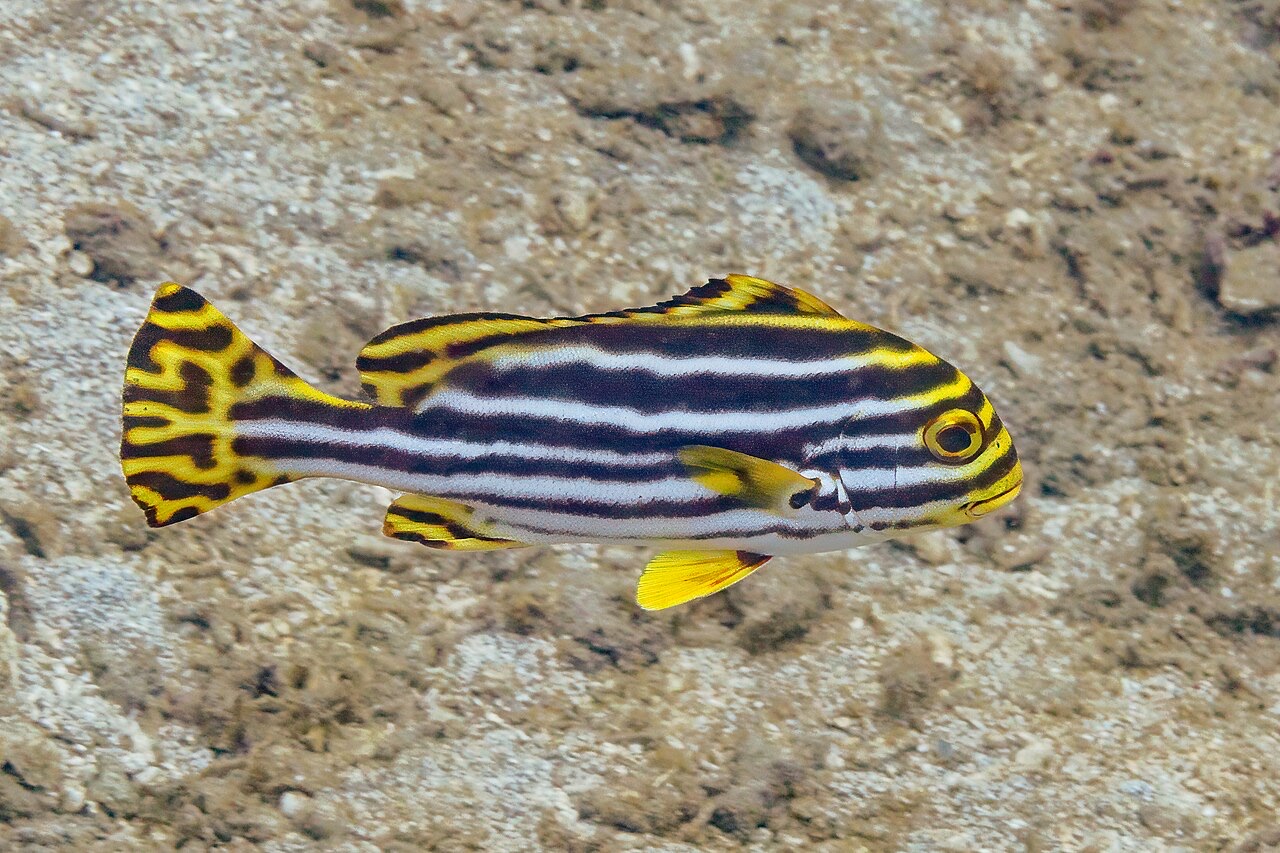
Oriental Sweetlips
También registrado cerca
Las especies "aquí registradas" fueron añadidas por nuestros editores a partir de las fuentes de esta página. Los recuentos son registros de ocurrencia de GBIF: observaciones anotadas en un radio de unos 5 km de la posición registrada desde 1990, cotejadas únicamente con las especies de nuestro catálogo. Muestran lo que se ha avistado allí, no una garantía de lo que verás.
Para fotógrafos
Gran angular: ★★★★★ · Macro: ★★★☆☆ (valoración de 1 a 5 de los editores sobre lo que ofrece este sitio para cada estilo de fotografía)